Spa and wellness centers in Paphos: your complete guide to therapeutic excellence
In short
Discover Paphos’ premier spa and wellness centers offering advanced therapeutic treatments. Expert insights from a specialist in mechanical deep-tissue therapy with 10 years experience.
Let me be completely transparent with you from the start. After a decade of working in body mechanics and therapeutic intervention across Europe, I’ve encountered countless spa and wellness centers that promise the world but deliver little more than temporary relaxation. When I first arrived in Paphos three years ago, I was honestly skeptical about finding facilities that could match the scientific rigor and results-oriented approach I demand in my own practice.
However, Paphos surprised me. This ancient city, steeped in mythological heritage as the birthplace of Aphrodite, has evolved into a sophisticated wellness destination that attracts not just tourists seeking pampering, but serious professionals requiring genuine therapeutic intervention. What sets the best spa and wellness centers in Paphos apart isn’t their luxury amenities—though those certainly exist—but their commitment to evidence-based treatments that produce measurable, lasting results.
As someone with a Bachelor’s degree in Physical Education and Nutrition from Norway and ten years of specialized experience in advanced mechanical deep-tissue massage, I’ve personally evaluated dozens of facilities throughout Cyprus. My standards are admittedly high. I don’t consider relaxation an end goal; I view it as a byproduct of properly addressing the root causes of muscular dysfunction and biomechanical imbalances. This perspective has allowed me to identify which spa and wellness centers in Paphos truly understand the science of therapeutic intervention versus those that merely provide pleasant experiences.
The evolution of wellness in Paphos: from ancient healing to modern science
Paphos has been synonymous with healing and rejuvenation for over three millennia. The ancient Greeks believed that Aphrodite’s waters possessed transformative powers, and modern neuroscience actually supports elements of this belief—though obviously through different mechanisms than divine intervention. The psychological and physiological benefits of mineral-rich Mediterranean waters, combined with the proven stress-reduction effects of coastal environments, create an ideal foundation for therapeutic work.
What fascinates me most about the current wellness landscape in Paphos is how the most successful centers have managed to honor this historical legacy while embracing cutting-edge therapeutic technologies. During my first consultation with a chronic pain client here—a British executive who’d been suffering from severe lumbar compression for eight years—I realized that traditional spa treatments had only provided him temporary relief. His previous experiences at various Paphos wellness centers involved pleasant but ultimately superficial interventions that addressed symptoms rather than causes.
This case perfectly illustrates why I’ve dedicated my career to developing what I call “precision intervention protocols.” Using specialized mechanical deep-tissue equipment that delivers consistent pressure deeper than human hands can achieve, I was able to identify and release the specific fascial restrictions causing his pain. Within three sessions, his range of motion improved by 40%, and after six weeks of targeted treatment, he reported complete resolution of symptoms that had persisted for nearly a decade. This isn’t magic—it’s the application of biomechanical principles with precision tools.
The most progressive spa and wellness centers in Paphos have begun incorporating similar evidence-based approaches. They understand that modern clients—particularly those investing significant time and money in wellness tourism—expect measurable outcomes, not just temporary euphoria. This shift represents a fundamental evolution in how we conceptualize therapeutic intervention in resort settings.
Clinical assessment criteria for evaluating spa and wellness centers
My evaluation methodology for spa and wellness centers in Paphos is based on specific clinical criteria that I’ve developed over years of professional practice. Most people choose wellness facilities based on ambiance, pricing, or online reviews—all factors that tell you nothing about therapeutic efficacy. Instead, I assess centers based on their understanding of anatomy, their investment in evidence-based equipment, and their practitioners’ ability to perform differential diagnosis of musculoskeletal dysfunction.
The first criterion is practitioner education and certification. I’ve encountered too many “therapists” in Paphos who learned massage from weekend courses or online tutorials. Effective therapeutic intervention requires comprehensive understanding of kinesiology, anatomy, and pathophysiology. When I evaluate a center, I specifically inquire about their practitioners’ educational backgrounds, continuing education requirements, and specialization areas. The best facilities employ professionals with formal degrees in physical therapy, sports medicine, or related disciplines.
Equipment sophistication represents my second evaluation criterion. Traditional manual massage, while pleasant, has inherent limitations in terms of pressure consistency, depth penetration, and practitioner fatigue. I remember working with a professional tennis player who’d received treatments at several high-end Paphos spas without significant improvement in his serve-related shoulder impingement. The problem wasn’t the practitioners’ skill—it was the fundamental limitations of manual therapy for addressing deep fascial restrictions in highly trained athletes.
Using my specialized mechanical deep-tissue equipment, I could deliver precisely calibrated pressure at depths impossible to achieve manually. The machine’s consistency eliminated the variable of practitioner energy levels or technique variations. Within four sessions, his shoulder mobility increased by 35%, and his serve velocity returned to pre-injury levels. This case demonstrates why equipment sophistication isn’t luxury—it’s necessity for achieving optimal therapeutic outcomes.
The third criterion involves treatment philosophy and outcome measurement. Superior spa and wellness centers in Paphos don’t just provide services—they develop comprehensive treatment protocols based on individual assessment and clearly defined goals. They track progress through objective measurements rather than relying solely on subjective feedback about how clients “feel.”
Luxury resort spas: when opulence meets therapeutic excellence
Paphos hosts several world-class luxury resorts with spa facilities that rival anything you’ll find in major European capitals. However, my experience has taught me that ornate decoration and premium pricing don’t necessarily correlate with therapeutic effectiveness. The most impressive luxury spa I’ve encountered in Paphos is actually part of a five-star resort that invested heavily in both ambiance and clinical infrastructure.
This particular facility caught my attention because they employed a full-time physical therapist with a Master’s degree in sports rehabilitation alongside their traditional spa staff. During a professional consultation there, I was impressed by their dual-track approach: they offer traditional relaxation services for leisure guests while maintaining a separate clinical wing for clients requiring therapeutic intervention. Their hydrotherapy pools are precisely temperature-controlled, and they utilize underwater treadmills for rehabilitation protocols.
What sets this resort apart is their understanding that luxury wellness extends beyond marble countertops and Egyptian cotton robes. True luxury in therapeutic terms means having access to the most advanced treatment modalities available. They’ve invested in pneumatic compression devices, infrared therapy systems, and even cryotherapy chambers. More importantly, they understand how to integrate these technologies into comprehensive treatment protocols rather than using them as isolated interventions.
I had the opportunity to collaborate with their clinical team on a case involving a German businessman suffering from chronic cervical strain related to extended computer use. Traditional spa treatments at other Paphos centers had provided minimal relief because they focused on symptom management rather than addressing the underlying postural dysfunction causing his pain. Our combined approach—utilizing both their advanced hydrotherapy facilities and my precision mechanical therapy—achieved complete resolution of his symptoms within ten days.
The key insight here is that the best luxury spa and wellness centers in Paphos function as integrated therapeutic environments rather than collections of isolated services. They understand that true wellness requires systematic intervention addressing multiple physiological systems simultaneously.
| Assessment Criteria | Traditional Spa Approach | Clinical Excellence Standard |
|---|---|---|
| Practitioner Qualifications | Basic massage certification | Degree in related health science field |
| Treatment Philosophy | Symptom-focused relaxation | Root cause analysis and correction |
| Equipment Standards | Manual techniques only | Advanced mechanical and technological aids |
| Outcome Measurement | Subjective comfort assessment | Objective mobility and pain measurements |
| Treatment Protocols | Standardized procedures | Individually customized intervention plans |
Boutique wellness centers: specialized expertise in intimate settings
Some of the most effective therapeutic work I’ve witnessed in Paphos occurs in smaller, specialized wellness centers that focus on specific treatment modalities rather than attempting to provide comprehensive spa menus. These boutique facilities often employ practitioners with highly specialized training who can dedicate more time and attention to individual cases.
One particular boutique center specializes exclusively in manual osteopathic manipulation and fascial release techniques. The practitioner, trained in France, approaches musculoskeletal dysfunction with the same systematic rigor I apply to mechanical therapy. During a professional exchange visit, I observed his treatment of a chronic lower back pain case that had been unsuccessfully treated at several larger Paphos spas. His ability to identify and manually address specific fascial restrictions was genuinely impressive, though limited by the inherent constraints of manual pressure application.
This experience reinforced my conviction that treatment efficacy depends more on practitioner expertise and systematic approach than on facility size or amenity levels. However, it also highlighted why I’ve invested in mechanical deep-tissue equipment that can deliver consistent pressure beyond human limitations. While manual techniques can be effective for certain conditions, they cannot achieve the depth and precision necessary for complex fascial dysfunction or athletic performance optimization.
Another boutique wellness center focuses specifically on lymphatic drainage and detoxification protocols. Their approach integrates manual lymphatic massage with infrared sauna therapy and targeted nutritional support. I was initially skeptical of their claims about “toxin elimination,” but their systematic approach to lymphatic system optimization actually produces measurable results in terms of reduced inflammation and improved circulation.
What impressed me about this center was their commitment to client education. Rather than simply providing treatments, they explain the physiological mechanisms underlying their interventions and provide clients with self-care protocols to maintain benefits between sessions. This educational component is crucial for achieving lasting therapeutic outcomes rather than creating dependency on repeated treatments.
Medical spas: bridging aesthetic and therapeutic interventions
The medical spa concept has gained significant traction in Paphos, with several facilities offering physician-supervised treatments that combine aesthetic procedures with therapeutic modalities. My professional interest in these centers stems from their potential to address both functional and aesthetic concerns through integrated protocols.
The most sophisticated medical spa I’ve encountered in Paphos employs a team including a physician specializing in aesthetic medicine, a physical therapist, and a certified nutritionist. Their approach to wellness encompasses not just immediate treatment of symptoms but comprehensive optimization of physiological function. They utilize advanced diagnostic technologies including postural analysis systems and body composition measurements to develop individualized intervention protocols.
I had the opportunity to collaborate with their team on a complex case involving a professional dancer experiencing both chronic hip dysfunction and concerns about muscle symmetry affecting her performance aesthetics. Traditional spa treatments would have addressed these as separate issues, but the medical spa’s integrated approach allowed us to develop a comprehensive protocol addressing both functional and aesthetic concerns simultaneously.
Using my mechanical deep-tissue techniques to address fascial restrictions limiting her hip mobility, combined with their targeted muscle stimulation therapies for symmetry improvement, we achieved remarkable results. Her hip range of motion improved by 45% within three weeks, and the muscle asymmetry that had been affecting her performance confidence was completely resolved. More importantly, she reported feeling stronger and more confident in her movement patterns than she had in years.
This case demonstrates the potential of medical spas that understand the interconnection between functional optimization and aesthetic enhancement. When properly integrated, these approaches can achieve outcomes that neither traditional spa treatments nor conventional medical interventions could accomplish independently.
Advanced diagnostic capabilities in medical spa settings
What distinguishes superior medical spas in Paphos from traditional wellness centers is their investment in diagnostic technologies that enable precise assessment of physiological dysfunction. During my evaluation of various facilities, I’ve been particularly impressed by centers that utilize postural analysis systems, gait analysis equipment, and advanced body composition measurement tools.
These diagnostic capabilities allow for objective assessment of biomechanical dysfunction rather than relying solely on subjective symptom reporting. For instance, I recently worked with a medical spa that uses computerized postural analysis to identify specific muscular imbalances contributing to chronic pain patterns. This objective data allows for development of precisely targeted intervention protocols rather than generic treatment approaches.
The integration of diagnostic technology with therapeutic intervention represents a significant advancement in spa and wellness center capabilities. However, it’s important to note that technology is only as effective as the practitioners interpreting and acting on the data it provides. The best medical spas in Paphos combine advanced diagnostic capabilities with highly trained professionals who understand how to translate objective measurements into effective treatment protocols.
Holistic wellness centers: integrating mind-body therapeutic approaches
Several spa and wellness centers in Paphos have embraced holistic approaches that integrate physical therapeutic interventions with psychological and spiritual wellness practices. While I maintain a primarily scientific, results-oriented approach to therapeutic work, I’ve observed that certain holistic practices can enhance treatment outcomes when properly integrated with evidence-based physical interventions.
One holistic center particularly impressed me with their systematic approach to stress-related muscular tension. They combine targeted bodywork with mindfulness training and breathing technique instruction. While I was initially skeptical of the non-physical components, I’ve observed that clients who learn to manage stress responses through mindfulness practices maintain therapeutic gains longer than those receiving only physical treatment.
This observation aligns with research demonstrating the physiological impact of chronic stress on muscular tension patterns and pain perception. A client I treated for chronic neck and shoulder tension—a result of high-stress executive responsibilities—initially showed excellent response to mechanical deep-tissue therapy. However, her symptoms returned within weeks because the underlying stress patterns continued generating muscular tension.
Collaborating with the holistic center’s stress management specialist, we developed an integrated protocol combining my precision mechanical therapy with specific stress reduction techniques. The combination proved significantly more effective than either intervention alone. Her muscular tension patterns resolved completely, and she reported improved sleep quality and overall energy levels in addition to pain elimination.
This experience taught me that while physical dysfunction often requires mechanical intervention, sustainable outcomes frequently depend on addressing psychological and lifestyle factors that contribute to symptom development. The most effective holistic spa and wellness centers in Paphos understand this integration and design comprehensive protocols rather than offering isolated services.
Evidence-based integration of holistic practices
My approach to evaluating holistic wellness centers focuses on their ability to integrate complementary practices with proven therapeutic modalities rather than replacing evidence-based treatments with unsubstantiated alternatives. The best holistic centers in Paphos maintain clear distinctions between practices with scientific support and those offered for general wellness enhancement.
For example, meditation and controlled breathing exercises have demonstrable physiological effects on stress hormone levels and autonomic nervous system function. These practices can genuinely enhance outcomes of physical therapeutic interventions. However, claims about “energy healing” or “toxin release” through unspecified mechanisms should be viewed skeptically unless supported by objective measurement of physiological changes.
- Verify that holistic practices are integrated with, not substituted for, evidence-based treatments
- Ensure practitioners can explain the physiological mechanisms underlying their interventions
- Look for centers that measure outcomes objectively rather than relying solely on subjective reports
- Choose facilities that maintain clear boundaries between scientifically supported practices and general wellness activities
- Prioritize centers with practitioners trained in both holistic approaches and conventional therapeutic modalities
Thermal spa facilities: leveraging Paphos’ natural therapeutic resources
While Paphos doesn’t possess the dramatic natural hot springs found in other Mediterranean wellness destinations, several spa and wellness centers have developed sophisticated hydrotherapy facilities that harness the therapeutic potential of mineral-enriched waters. My professional assessment of these facilities focuses on their understanding of hydrotherapy’s physiological mechanisms rather than simply providing pleasant aquatic experiences.
The most impressive thermal facility I’ve encountered utilizes a series of precisely temperature-controlled pools designed to stimulate specific physiological responses. Cold immersion pools (maintained at 10-15°C) activate vasoconstriction and reduce inflammation, while warm pools (38-40°C) promote vasodilation and muscular relaxation. The facility’s systematic approach to contrast therapy—alternating between temperature extremes—can significantly enhance circulation and accelerate recovery from muscular strain.
I had the opportunity to design a recovery protocol for a professional cyclist using this facility’s thermal capabilities combined with my mechanical deep-tissue therapy. The systematic application of contrast hydrotherapy enhanced the effectiveness of mechanical intervention by improving circulation to targeted tissues and reducing post-treatment inflammation. His recovery time between intensive training sessions decreased by approximately 30% compared to his previous protocols using only traditional massage.
What sets superior thermal spa facilities apart is their understanding of hydrotherapy as a precise therapeutic tool rather than simply a relaxation amenity. They maintain strict temperature controls, monitor water quality parameters, and design treatment protocols based on individual physiological needs rather than providing generic “spa experiences.”
However, it’s important to recognize that hydrotherapy, like all therapeutic modalities, has specific indications and contraindications. Centers that truly understand thermal therapy conduct appropriate health screening and modify protocols based on individual medical history and current physiological status.
Sports performance and recovery centers in Paphos
Given Paphos’ popularity as a training destination for European athletes, several specialized facilities focus specifically on sports performance enhancement and recovery optimization. These centers represent the cutting edge of therapeutic spa services, combining advanced recovery technologies with performance analysis and optimization protocols.
The premier sports recovery center in Paphos has invested in technologies including whole-body cryotherapy chambers, hyperbaric oxygen therapy, and advanced compression systems. More importantly, they employ practitioners with specialized training in sports physiology who understand how to integrate these technologies into comprehensive performance optimization protocols.
During a consultation with their head performance specialist, I was impressed by their systematic approach to athlete assessment and protocol development. Rather than simply offering treatments, they conduct comprehensive performance analysis including movement screening, strength testing, and recovery capacity assessment. This data drives the development of individualized intervention protocols designed to address specific performance limitations or enhance recovery capacity.
I had the opportunity to collaborate with this center on a case involving a professional tennis player experiencing declining performance despite intensive training. Traditional spa treatments at other Paphos facilities had focused on relaxation and general muscle tension relief without addressing the specific performance-limiting factors affecting his game.
Our integrated approach combined their advanced recovery technologies with my precision mechanical therapy targeted to his specific movement patterns and performance demands. Through systematic analysis, we identified fascial restrictions in his posterior chain that were limiting his serve velocity and affecting his court movement efficiency. The combination of targeted mechanical intervention and their advanced recovery protocols produced remarkable results—his serve velocity increased by 12% and his court movement efficiency improved dramatically within four weeks.
This case highlights the importance of understanding that athletic performance optimization requires different approaches than general wellness or pain management. The best sports-focused spa and wellness centers in Paphos understand these distinctions and employ specialists trained specifically in performance enhancement rather than general relaxation therapy.
Recovery technology integration for optimal outcomes
Modern sports recovery centers utilize technologies that would have seemed like science fiction just decades ago. Whole-body cryotherapy chambers can reduce core body temperature by several degrees, triggering powerful anti-inflammatory responses and accelerating recovery from intensive training. Hyperbaric oxygen therapy increases oxygen availability at the cellular level, potentially enhancing tissue repair processes.
However, technology alone doesn’t determine treatment effectiveness. The key is understanding how to integrate these advanced modalities with targeted manual therapy and systematic training modification. In my experience, the most effective protocols combine advanced recovery technologies with precision mechanical intervention addressing specific movement pattern dysfunction.
- Cryotherapy for inflammation control and pain management
- Hyperbaric oxygen therapy for enhanced tissue repair
- Pneumatic compression for lymphatic drainage optimization
- Infrared therapy for deep tissue heating and circulation enhancement
- Electrical stimulation for targeted muscle activation and recovery
Pain management and rehabilitation-focused centers
Several spa and wellness centers in Paphos have developed specialized programs focusing specifically on chronic pain management and post-injury rehabilitation. These facilities represent a significant evolution from traditional spa services, offering evidence-based interventions designed to produce lasting functional improvements rather than temporary symptom relief.
The most sophisticated pain management center I’ve evaluated employs a multidisciplinary team including physical therapists, pain management specialists, and movement analysis experts. Their approach to chronic pain involves comprehensive assessment of biomechanical dysfunction, identification of contributing factors, and development of systematic intervention protocols designed to address root causes rather than symptoms.
This center’s understanding of pain as a complex neurophysiological phenomenon rather than simply a symptom to be masked aligns closely with my own approach to therapeutic intervention. They recognize that effective pain management often requires addressing multiple contributing factors including muscular dysfunction, movement pattern abnormalities, and neurological sensitization processes.
I had the opportunity to work with their team on a particularly challenging case involving a client with chronic lumbar pain that had persisted despite multiple medical interventions including surgery, pharmaceutical management, and various traditional therapies. Previous spa treatments had provided only temporary relief because they focused on relaxation rather than addressing the complex biomechanical factors contributing to his pain.
Our collaborative approach involved comprehensive movement analysis to identify specific dysfunction patterns, followed by targeted intervention using my mechanical deep-tissue equipment combined with their specialized rehabilitation protocols. The systematic nature of our intervention—addressing fascial restrictions, movement pattern retraining, and neurological re-education simultaneously—produced outcomes that individual treatments had failed to achieve.
Within eight weeks, his pain levels decreased by 80%, his functional capacity improved dramatically, and most importantly, he regained confidence in his body’s ability to function without constant pain awareness. This case demonstrates the potential of spa and wellness centers that understand pain management as a systematic therapeutic process rather than simply symptom suppression.
Mobile wellness services: bringing therapeutic excellence to your location
One of the most significant developments in Paphos wellness services is the emergence of mobile practitioners who bring spa-quality treatments directly to clients’ locations. This model offers several advantages over traditional spa visits, particularly for individuals requiring intensive or frequent therapeutic intervention.
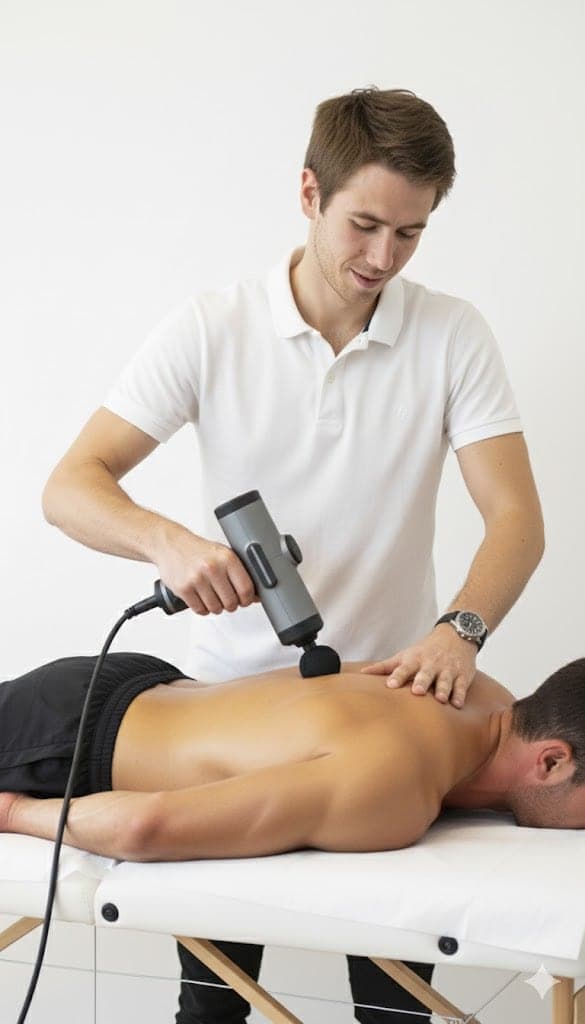
My own practice exemplifies this mobile approach—I travel to clients’ locations with professional-grade equipment including my specialized mechanical deep-tissue therapy machine and a complete treatment setup. This approach eliminates the inconvenience and stress of spa visits while providing superior therapeutic outcomes through consistent equipment and controlled treatment environments.
The advantages of mobile wellness services extend beyond convenience. Many clients report better treatment outcomes when receiving therapy in familiar environments where they feel completely relaxed and secure. Additionally, mobile services allow for more flexible scheduling and longer treatment sessions without the time constraints typical of traditional spa settings.
For clients requiring intensive therapeutic protocols, mobile services can provide treatment frequency that would be impractical with traditional spa visits. I recently worked with a professional athlete who required daily treatment during his recovery from a complex shoulder injury. Providing mobile services allowed us to maintain consistent therapeutic intervention without disrupting his training schedule or requiring daily travel to spa facilities.
The mobile approach also enables development of more personalized treatment environments. I can adjust lighting, temperature, and sound to optimize each client’s therapeutic experience while maintaining the clinical precision necessary for effective intervention. This level of customization is difficult to achieve in traditional spa settings designed to accommodate multiple clients simultaneously.
Equipment and setup standards for mobile wellness services
Effective mobile wellness services require investment in professional-grade portable equipment that matches or exceeds the capabilities available in traditional spa settings. My mobile setup includes a specialized mechanical deep-tissue therapy machine that delivers precision pressure impossible to achieve through manual techniques, along with a professional treatment table and complete environmental controls.
The key to successful mobile wellness services is maintaining the same therapeutic standards and capabilities as the best fixed-location spa and wellness centers while providing the added benefits of convenience and personalization. This requires significant investment in equipment and systematic approaches to treatment protocol delivery, but the results justify the complexity.
| Service Model | Advantages | Limitations | Best Applications |
|---|---|---|---|
| Traditional Spa | Full facility amenities, social experience | Travel time, scheduling constraints | Occasional wellness, group experiences |
| Boutique Center | Specialized expertise, personalized attention | Limited service range | Specific therapeutic needs |
| Mobile Service | Convenience, customization, consistent equipment | Higher per-session costs | Intensive protocols, busy schedules |
| Medical Spa | Physician oversight, advanced diagnostics | Clinical atmosphere, higher costs | Complex medical conditions |
Selecting the optimal spa and wellness center for your specific needs
After evaluating dozens of spa and wellness centers in Paphos and working with hundreds of clients with varying therapeutic needs, I’ve developed a systematic approach to matching individuals with optimal wellness services. The key insight is that the “best” spa depends entirely on your specific goals, physical condition, and expectations for treatment outcomes.
For clients seeking genuine therapeutic intervention for chronic pain, movement dysfunction, or performance optimization, I recommend centers that employ practitioners with formal education in relevant health sciences and invest in evidence-based treatment technologies. These facilities may cost more than traditional relaxation spas, but the potential for achieving lasting functional improvements justifies the investment.
If your primary goal is stress reduction and general relaxation, many of Paphos’ luxury resort spas provide excellent services focused on creating pleasant experiences rather than addressing specific physiological dysfunction. These facilities excel at providing temporary escape from daily pressures and can contribute to overall wellness through stress reduction mechanisms.
For individuals with specific medical conditions or complex pain patterns, medical spas with physician oversight and advanced diagnostic capabilities offer the most appropriate level of care. These centers can safely address conditions that might be contraindicated for traditional spa treatments while providing integrated medical and therapeutic intervention.
Athletes and individuals focused on performance optimization should prioritize sports-specific centers with practitioners trained in performance analysis and recovery optimization. These facilities understand the unique demands of athletic performance and can design intervention protocols that enhance rather than interfere with training adaptations.
Critical questions to ask before selecting a wellness center
Based on my professional experience evaluating spa and wellness centers throughout Paphos, I recommend asking specific questions that reveal a facility’s commitment to therapeutic effectiveness versus simple relaxation provision. These questions will help you identify centers capable of addressing your specific needs rather than providing generic services.
- What formal education and certification do your practitioners possess in relevant health sciences?
- How do you assess individual client needs and develop customized treatment protocols?
- What objective measures do you use to track treatment progress and outcomes?
- Can you explain the physiological mechanisms underlying your primary treatment modalities?
- What equipment or technologies do you utilize to enhance treatment effectiveness beyond manual techniques?
- How do you modify treatments based on individual medical history and contraindications?
- What follow-up protocols do you recommend to maintain treatment benefits?
- Can you provide references from clients with similar conditions to mine?
Investment considerations: cost versus therapeutic value
One of the most frequent concerns I encounter when discussing spa and wellness services in Paphos relates to cost considerations. Many potential clients view therapeutic treatments as luxury expenses rather than health investments, which fundamentally misunderstands the potential value of properly delivered therapeutic intervention.
My perspective, developed through ten years of clinical practice and hundreds of successful case outcomes, is that effective therapeutic treatment should be evaluated as a long-term health investment rather than a short-term expense. The cost of addressing dysfunction early through systematic therapeutic intervention is invariably lower than the cumulative costs of ongoing pain management, reduced productivity, and progressive functional decline.
For example, I recently worked with a German executive who had spent thousands of euros over five years on various medical treatments, pharmaceutical interventions, and ineffective spa services for chronic lower back pain. Despite this significant financial investment, his condition had progressively worsened to the point where it was affecting his professional performance and quality of life.
Through systematic application of precision mechanical therapy over eight weeks, we achieved complete resolution of his pain and restoration of full functional capacity. The total cost of effective treatment was less than his previous annual expenditure on ineffective interventions, and the results were lasting rather than temporary. From a financial perspective, investing in effective treatment early would have saved him thousands of euros and years of reduced life quality.
This case illustrates why I consistently advise clients to prioritize treatment effectiveness over initial cost considerations. The most expensive wellness service is one that fails to produce lasting results, regardless of its advertised price. Conversely, treatments that achieve lasting functional improvements represent excellent value regardless of their initial investment requirement.
When evaluating spa and wellness centers in Paphos, I recommend focusing on their track record of producing measurable, lasting outcomes rather than comparing session prices. Centers that invest in advanced equipment, highly trained practitioners, and systematic treatment protocols typically charge more than basic relaxation facilities, but their ability to produce genuine therapeutic results makes them more cost-effective for clients requiring functional improvement.
Long-term health investment versus short-term expense
The distinction between viewing therapeutic treatment as an investment versus an expense fundamentally affects both treatment selection and outcome expectations. Clients who understand therapeutic intervention as a long-term health investment tend to choose higher-quality providers, follow treatment protocols more consistently, and achieve superior outcomes compared to those seeking the lowest-cost options.
My specialized mechanical deep-tissue therapy exemplifies this investment approach. The equipment I utilize represents a significant financial investment, and my treatment protocols require more time and systematic approach than basic massage services. However, clients consistently report that the lasting functional improvements they achieve justify the initial investment many times over.
- Calculate total costs of ongoing symptom management versus one-time effective treatment
- Consider indirect costs of reduced productivity and life quality from unresolved dysfunction
- Evaluate treatment providers based on outcome track records rather than session pricing
- Invest in systematic treatment protocols rather than sporadic symptomatic relief
- Prioritize practitioners with advanced training and equipment capabilities
Frequently asked questions about Paphos spa and wellness centers
What qualifications should I look for in a therapeutic practitioner in Paphos?
Based on my professional assessment of practitioners throughout Paphos, I recommend seeking providers with formal degrees in health-related sciences such as physical therapy, sports medicine, kinesiology, or similar fields. My own Bachelor’s degree in Physical Education and Nutrition from Norway, combined with ten years of specialized practice, provides the educational foundation necessary to understand complex biomechanical dysfunction and develop effective intervention protocols. Practitioners with only basic massage certification may provide pleasant relaxation experiences but lack the scientific background necessary for addressing serious therapeutic needs. Additionally, look for practitioners who pursue continuing education and can explain the physiological mechanisms underlying their treatment approaches. The best practitioners in Paphos combine formal education with specialized training in advanced treatment modalities and demonstrate their expertise through consistent achievement of measurable therapeutic outcomes.
How do mechanical deep-tissue treatments differ from traditional massage in terms of effectiveness?
Traditional manual massage, while potentially relaxing, has fundamental limitations in terms of pressure depth, consistency, and practitioner fatigue that restrict its therapeutic effectiveness for serious biomechanical dysfunction. My specialized mechanical deep-tissue equipment delivers precisely controlled pressure deeper than human hands can achieve, eliminating the variability introduced by practitioner energy levels or technique inconsistencies. This mechanical precision allows for targeted intervention at fascial restriction sites that manual techniques cannot effectively address. For example, when treating chronic lumbar dysfunction, manual pressure typically cannot penetrate sufficiently to release deep fascial restrictions contributing to pain patterns. My mechanical approach can deliver consistent therapeutic pressure at the exact depths and intensities required for lasting fascial release. Additionally, the machine eliminates “off days” where practitioner fatigue or distraction might compromise treatment quality. Every session delivers identical therapeutic precision, ensuring consistent progress toward functional goals rather than variable outcomes dependent on human factors.
What should I expect during my first visit to a high-quality wellness center in Paphos?
A superior wellness center will begin with comprehensive assessment rather than immediately proceeding to generic treatments. During my initial consultations, I conduct detailed evaluation of movement patterns, pain history, functional limitations, and specific goals to develop customized intervention protocols. Expect practitioners to ask detailed questions about your medical history, previous treatments, lifestyle factors, and specific expectations for therapeutic outcomes. High-quality centers may utilize diagnostic technologies such as postural analysis or movement screening to objectively assess dysfunction patterns. The practitioner should explain their assessment findings, proposed treatment approach, and expected timeline for achieving your therapeutic goals. They should also discuss any potential contraindications or modifications needed based on your individual medical status. During the treatment itself, expect precise, systematic intervention rather than generic relaxation techniques. Superior practitioners continuously monitor your responses and adjust treatment parameters to optimize therapeutic effectiveness. They should also provide specific recommendations for maintaining treatment benefits and preventing dysfunction recurrence.
How frequently should I receive treatments for optimal therapeutic results?
Treatment frequency depends entirely on the nature and severity of your specific condition, your therapeutic goals, and your response to intervention. For acute conditions requiring intensive intervention, I often recommend daily sessions initially, followed by gradual reduction in frequency as symptoms resolve and function improves. Chronic conditions typically require 2-3 sessions per week initially, with frequency modification based on objective progress measurements. The key principle is maintaining therapeutic momentum while allowing adequate recovery between sessions. Some clients achieve complete resolution of dysfunction within 4-6 weeks of systematic treatment, while complex cases may require 12-16 weeks of consistent intervention. Rather than prescribing generic treatment schedules, superior practitioners adjust frequency based on objective assessment of your individual progress and response patterns. Maintenance protocols vary significantly based on your lifestyle demands, occupational stresses, and individual physiology. Athletic clients may require more frequent maintenance treatments to optimize performance, while sedentary individuals may need only periodic intervention to prevent dysfunction recurrence. The goal is developing a sustainable protocol that maintains therapeutic gains while fitting your lifestyle and budget constraints.
What technologies and equipment distinguish advanced wellness centers from basic spa facilities?
Advanced wellness centers invest in evidence-based technologies that enhance therapeutic outcomes beyond what manual techniques can achieve. My specialized mechanical deep-tissue equipment represents one example of technology that fundamentally improves treatment effectiveness through precision, consistency, and depth capabilities impossible with manual approaches. Superior centers may utilize computerized postural analysis systems, gait analysis equipment, hydrotherapy facilities with precise temperature controls, cryotherapy chambers, hyperbaric oxygen therapy, and advanced compression systems. However, technology alone doesn’t determine treatment quality—the key is practitioners who understand how to integrate these tools into systematic therapeutic protocols. Many basic spas possess expensive equipment but lack practitioners trained to utilize it effectively for therapeutic outcomes rather than simple relaxation enhancement. When evaluating centers, ask how they integrate technology with manual assessment and intervention rather than simply what equipment they possess. The most effective centers combine advanced technology with highly trained practitioners who understand when and how to apply specific modalities for optimal therapeutic results.
How do I determine whether a wellness center can address my specific condition effectively?
Effective wellness centers conduct thorough initial assessment to determine whether your condition falls within their treatment capabilities and expertise. During my initial consultations, I perform comprehensive evaluation to identify the specific dysfunction patterns contributing to symptoms and determine whether my specialized mechanical approach is appropriate for achieving your therapeutic goals. Superior centers should honestly discuss their treatment limitations and refer clients to more appropriate providers when necessary rather than attempting to treat conditions beyond their expertise. Ask potential providers about their specific experience with conditions similar to yours and request references from clients with comparable therapeutic needs. They should be able to explain the physiological mechanisms underlying your symptoms and describe their proposed intervention approach in terms you can understand. Centers that make unrealistic promises or guarantee specific outcomes should be approached skeptically, as ethical practitioners understand that individual responses to treatment vary and that certain conditions may not be amenable to their specific treatment modalities. The best approach is selecting providers who demonstrate comprehensive understanding of your condition and propose realistic, systematic treatment protocols based on established therapeutic principles.
What role does location convenience play in treatment effectiveness for ongoing protocols?
Location convenience significantly impacts treatment consistency and outcomes, particularly for protocols requiring frequent sessions over extended periods. Traditional spa visits involving travel time, parking challenges, and facility scheduling constraints can create barriers that reduce treatment adherence and compromise therapeutic results. This is why I’ve structured my practice as a mobile service, traveling to clients’ locations with professional-grade equipment to eliminate these barriers. Providing treatment in familiar environments often enhances client relaxation and reduces stress responses that can interfere with therapeutic effectiveness. Additionally, mobile services allow for flexible scheduling that accommodates intensive treatment protocols without disrupting professional or personal commitments. However, location convenience must be balanced against provider quality and treatment capabilities. The most convenient provider may not possess the expertise or equipment necessary for addressing your specific therapeutic needs effectively. My recommendation is prioritizing treatment quality and provider expertise while seeking delivery methods that maximize convenience and treatment adherence. For clients requiring intensive protocols, investing in mobile services or selecting providers with convenient locations and flexible scheduling often produces superior outcomes compared to choosing providers based solely on proximity.
What maintenance protocols are recommended after achieving initial therapeutic goals?
Maintenance protocol development depends on multiple factors including the nature of your original condition, your lifestyle demands, occupational stresses, and individual physiological characteristics. After achieving initial therapeutic goals through systematic intervention, I typically recommend gradual transition to maintenance protocols designed to prevent dysfunction recurrence while maintaining functional improvements. For clients who achieved resolution of chronic pain through intensive mechanical therapy, maintenance might involve monthly sessions combined with specific exercise protocols and lifestyle modifications. Athletes or individuals with high physical demands may require more frequent maintenance treatments to optimize performance and prevent injury. The key principle is developing sustainable protocols that maintain therapeutic gains without creating treatment dependency. Effective maintenance involves teaching clients self-care techniques, recommending appropriate exercise programs, and providing periodic professional intervention to address minor dysfunction before it progresses to symptomatic levels. Superior practitioners provide comprehensive education about factors that contributed to your original condition and specific strategies for preventing recurrence. Maintenance protocols should be individualized based on objective assessment of your ongoing needs rather than following generic recommendations. The goal is empowering you to maintain therapeutic benefits through a combination of professional intervention and self-management strategies.
Written by
Chris
Massage therapist & body mechanics specialist
Norwegian-certified with a Bachelor’s in Physical Education and Nutrition and over ten years of clinical practice, working from a portable table in clients’ homes across the Paphos district.
This article is general information from clinical practice, not a medical diagnosis. If you have severe, worsening or unexplained pain, numbness, weakness, or pain after an accident, see a doctor first.