Licensed massage therapist training programs: choosing the path to advanced therapeutic mastery
In short
Discover the essential requirements and superior training pathways for licensed massage therapist programs that prepare you for clinical excellence and mechanical precision in therapeutic bodywork.
Ten years ago, I walked into my first licensed massage therapist training program with what I thought was a clear understanding of therapeutic bodywork. I was wrong. Completely, utterly wrong. What I discovered during those intensive months of education—and more importantly, what I learned in the decade that followed—fundamentally transformed my perspective on what it means to be a truly effective massage therapist. The difference between basic certification and advanced therapeutic mastery isn’t just about hours logged or techniques memorized; it’s about understanding the intricate mechanics of human movement, the scientific principles of tissue manipulation, and developing the clinical mindset necessary to deliver lasting results rather than temporary relief.
After completing my Bachelor’s degree in Physical Education and Nutrition in Norway and spending ten years perfecting advanced mechanical deep-tissue techniques, I can tell you with absolute certainty that not all licensed massage therapist training programs are created equal. The vast majority focus on relaxation techniques and basic Swedish massage, leaving graduates woefully unprepared for the clinical realities of treating chronic pain, performance optimization, and complex muscular dysfunction. This fundamental gap in education is precisely why so many clients experience temporary relief but never achieve the lasting resolution they desperately need.
The licensed massage therapist training programs that produce truly exceptional practitioners share certain characteristics that set them apart from the mediocre institutions flooding the market. These superior programs emphasize anatomical precision, biomechanical understanding, and results-driven methodologies that treat the root cause of dysfunction rather than merely addressing surface-level symptoms. When I evaluate training programs today, I look for curricula that challenge conventional thinking and prepare students for the clinical excellence required in advanced therapeutic practice.
Understanding the landscape of licensed massage therapist training programs
The massage therapy education landscape has evolved dramatically over the past decade, yet many institutions remain stuck in outdated paradigms that prioritize relaxation over rehabilitation. During my educational journey, I witnessed firsthand how traditional programs often fail to address the mechanical complexities of human movement and the precision required for lasting therapeutic intervention. This disconnect between education and clinical reality became glaringly apparent when I began working with clients who had previously received countless massages without experiencing meaningful improvement in their condition.
Licensed massage therapist training programs typically range from 500 to 1,000 hours of instruction, but the quality and focus of these hours vary tremendously. Some programs dedicate excessive time to spa-style techniques that provide temporary relaxation but offer little therapeutic value for clients dealing with chronic pain, athletic performance issues, or complex muscular imbalances. The most effective programs, however, emphasize advanced anatomical knowledge, pathology understanding, and clinical assessment skills that enable practitioners to identify and address the underlying mechanisms causing dysfunction.
What distinguishes exceptional licensed massage therapist training programs is their commitment to evidence-based practice and mechanical precision. These programs teach students to think like clinicians rather than relaxation providers, developing the analytical skills necessary to assess movement patterns, identify compensatory mechanisms, and design treatment protocols that address root causes rather than superficial symptoms. I’ve observed that graduates from these superior programs consistently achieve better client outcomes and build more successful practices because they understand the fundamental principles of therapeutic intervention.
The integration of advanced technology and mechanical assistance in licensed massage therapist training programs represents a significant evolution in therapeutic education. Traditional hand-based techniques, while foundational, have inherent limitations in terms of depth, consistency, and precision. Programs that incorporate mechanical deep-tissue methodologies prepare students for the future of therapeutic practice, where technology enhances human capability rather than replacing it. This technological integration allows practitioners to achieve depths of tissue penetration and consistency of treatment that human hands simply cannot match.
Essential curriculum components for superior therapeutic training
The anatomy and physiology instruction in top-tier licensed massage therapist training programs goes far beyond basic muscle memorization. These programs dive deep into fascial relationships, neurological pathways, and biomechanical interactions that govern human movement. During my training, I was fortunate to study under instructors who emphasized the interconnected nature of muscular systems and taught us to visualize the body as a complex mechanical structure where dysfunction in one area inevitably affects distant regions. This comprehensive understanding forms the foundation for effective therapeutic intervention.
Pathology education separates mediocre programs from exceptional ones. Superior licensed massage therapist training programs provide extensive instruction in common musculoskeletal conditions, their underlying mechanisms, and evidence-based treatment approaches. Students learn to recognize contraindications, understand inflammatory processes, and develop the clinical reasoning skills necessary to modify treatment protocols based on individual client presentations. This pathological knowledge is absolutely crucial for practitioners who want to work with clients experiencing chronic pain or complex movement disorders.
Assessment and evaluation skills represent perhaps the most critical component of advanced therapeutic education. The best licensed massage therapist training programs teach students systematic evaluation techniques that reveal underlying dysfunction patterns and guide treatment planning. I learned to perform comprehensive postural assessments, movement screenings, and palpatory examinations that provide objective data about client conditions. This diagnostic capability transforms massage therapy from guesswork into precise therapeutic intervention.
Treatment planning and documentation instruction in superior programs emphasizes the importance of measurable outcomes and systematic progression. Students learn to establish baseline measurements, set realistic treatment goals, and modify protocols based on client response. This clinical approach ensures that every session builds upon previous work and moves clients closer to their ultimate objectives of pain elimination and performance optimization.
| Curriculum Component | Standard Programs | Superior Programs | Clinical Impact |
|---|---|---|---|
| Anatomy Depth | Basic muscle identification | Fascial integration and biomechanics | Comprehensive dysfunction understanding |
| Pathology Coverage | General conditions overview | Detailed mechanism analysis | Precise treatment modifications |
| Assessment Training | Basic palpation skills | Systematic evaluation protocols | Objective baseline establishment |
| Technology Integration | Minimal or none | Advanced mechanical methods | Enhanced precision and consistency |
| Business Preparation | Basic practice management | Clinical outcome documentation | Professional credibility and results tracking |
The critical importance of mechanical precision training
Traditional licensed massage therapist training programs heavily emphasize hand-based techniques, but this approach has fundamental limitations that become apparent when working with clients who require deep tissue intervention or consistent therapeutic pressure. During my early career, I experienced the frustration of knowing exactly what needed to be accomplished therapeutically but lacking the mechanical capability to achieve those objectives with my hands alone. This limitation led me to investigate advanced mechanical methods that could deliver the precision, power, and consistency required for superior therapeutic outcomes.
The integration of mechanical assistance in therapeutic practice represents a paradigm shift that most licensed massage therapist training programs have yet to embrace. Mechanical tools can penetrate tissue layers that remain inaccessible to human hands, maintain consistent pressure throughout extended treatment sessions, and deliver precise therapeutic force without practitioner fatigue. When I first incorporated mechanical deep-tissue techniques into my practice, the improvement in client outcomes was immediate and dramatic. Clients who had previously required multiple sessions to achieve modest improvements began experiencing significant progress within single treatments.
Superior licensed massage therapist training programs recognize that mechanical precision doesn’t replace human skill—it amplifies it. The practitioner’s anatomical knowledge, assessment abilities, and treatment planning expertise remain absolutely essential, but mechanical assistance provides the physical capability to execute treatment protocols with unprecedented accuracy. This combination of clinical expertise and mechanical precision represents the future of therapeutic massage practice.
The consistency factor in mechanical assistance cannot be overstated. Every practitioner experiences variations in strength, energy levels, and physical capability throughout their workday, which inevitably affects treatment quality. Mechanical tools eliminate these variables, ensuring that every client receives identical therapeutic intensity regardless of external factors. This consistency is particularly crucial when working with athletes or individuals requiring precise therapeutic intervention for optimal performance.
Specialized training for advanced therapeutic applications
Athletic performance optimization requires specialized knowledge that extends far beyond basic massage techniques. The best licensed massage therapist training programs include modules focused on sports-specific movement patterns, performance enhancement protocols, and recovery optimization strategies. During my work with elite athletes, I’ve learned that effective sports massage therapy requires understanding of training periodization, competition scheduling, and the specific demands placed on different athletic populations. This specialized knowledge enables practitioners to time interventions appropriately and modify techniques based on training phases.
Chronic pain management represents another specialized application that requires advanced training not typically covered in standard licensed massage therapist training programs. Clients dealing with persistent pain conditions have often tried numerous therapeutic approaches without success, making them challenging cases that demand sophisticated understanding of pain mechanisms, central sensitization, and multi-modal treatment approaches. The practitioners who excel in this area have received specialized training in pain science and understand how to integrate massage therapy with other therapeutic modalities for optimal outcomes.
Postural dysfunction and movement disorders require practitioners who understand biomechanical relationships and compensatory patterns that develop over time. Superior licensed massage therapist training programs include extensive instruction in postural assessment, movement screening, and corrective exercise principles. This knowledge enables practitioners to identify the underlying causes of postural dysfunction and develop comprehensive treatment plans that address both soft tissue restrictions and movement pattern dysfunctions.
Workplace injury rehabilitation demands understanding of occupational demands, ergonomic factors, and return-to-work considerations. The most effective practitioners in this specialty have received training in industrial ergonomics, job task analysis, and functional capacity evaluation. This specialized knowledge enables them to design treatment protocols that not only address current symptoms but also prepare clients for successful return to their occupational duties without re-injury risk.
Technology integration in modern therapeutic education
The technological revolution in therapeutic practice has fundamentally changed the requirements for licensed massage therapist training programs, yet many institutions remain slow to adapt. Modern therapeutic technology offers capabilities that extend far beyond what traditional techniques can achieve, but effective utilization requires specialized training and clinical understanding. During my transition to mechanical deep-tissue methods, I discovered that technology amplifies clinical knowledge rather than replacing it—the practitioner’s understanding of anatomy, pathology, and treatment planning becomes even more critical when working with advanced tools.
Mechanical deep-tissue technology provides three primary advantages that traditional techniques cannot match: precision, power, and consistency. The precision aspect allows practitioners to target specific tissue layers and anatomical structures with accuracy that surpasses human palpation capabilities. The power component enables penetration to depths that remain inaccessible to manual techniques, reaching the root sources of dysfunction rather than addressing only superficial layers. The consistency factor ensures that therapeutic intensity remains constant throughout treatment sessions and across multiple visits.
Training in advanced technological applications requires understanding of tissue mechanics, force transmission principles, and appropriate clinical applications. Superior licensed massage therapist training programs that incorporate technology instruction teach students when to utilize mechanical assistance, how to adjust parameters based on client presentation, and how to integrate technological tools with traditional assessment and treatment planning methods. This comprehensive approach ensures that graduates can maximize technological capabilities while maintaining clinical excellence.
The future of therapeutic practice increasingly depends on practitioners who understand how to leverage technology for superior client outcomes. Licensed massage therapist training programs that fail to include technological instruction leave graduates at a significant disadvantage in an evolving marketplace where clients expect measurable results and consistent therapeutic quality. The practitioners who thrive in this environment are those who have learned to combine clinical expertise with technological precision.
Clinical reasoning and evidence-based practice development
Clinical reasoning separates exceptional practitioners from those who merely follow technique protocols without understanding the underlying therapeutic rationale. The best licensed massage therapist training programs emphasize critical thinking skills that enable practitioners to analyze client presentations, develop hypotheses about dysfunction patterns, and design treatment approaches based on evidence rather than tradition. This analytical approach to therapeutic practice produces superior outcomes because treatments are specifically tailored to individual client needs rather than applied generically.
Evidence-based practice integration in licensed massage therapist training programs ensures that graduates understand how to evaluate research, apply scientific findings to clinical practice, and modify treatment approaches based on emerging evidence. During my educational journey, I learned to critically evaluate therapeutic claims and base my practice on objective evidence rather than anecdotal reports or traditional beliefs. This scientific approach to therapeutic practice provides the foundation for consistent, measurable outcomes.
Case study analysis forms a crucial component of advanced therapeutic education, providing students with opportunities to apply theoretical knowledge to real-world scenarios. Superior licensed massage therapist training programs include extensive case study review, enabling students to understand how experienced practitioners approach complex presentations and develop their own clinical reasoning processes. These case studies also demonstrate the importance of systematic assessment, treatment planning, and outcome measurement in achieving therapeutic success.
Documentation and outcome measurement skills ensure that practitioners can objectively evaluate their therapeutic effectiveness and modify approaches based on measurable results. The most successful practitioners I know maintain detailed records of client progress, utilize standardized assessment tools, and regularly evaluate their treatment outcomes. This data-driven approach to practice improvement represents a significant advancement over traditional methods that rely primarily on subjective impressions.
- Establish baseline measurements using standardized assessment tools before initiating treatment protocols
- Develop specific, measurable treatment objectives based on client goals and clinical findings
- Select treatment techniques based on evidence-based research and clinical indications
- Monitor client response throughout treatment sessions and modify approaches as needed
- Document treatment parameters, client responses, and objective outcome measures
- Evaluate treatment effectiveness using pre- and post-treatment measurements
- Modify treatment protocols based on objective outcome data and client feedback
- Establish systematic follow-up procedures to ensure long-term treatment success
Business and professional development in therapeutic practice
The business education component in licensed massage therapist training programs often receives insufficient attention, leaving graduates unprepared for the realities of professional practice. Successful therapeutic practice requires not only clinical excellence but also business acumen, marketing understanding, and professional positioning strategies. During my career development, I learned that practitioners who understand how to position their services as health investments rather than luxury expenses build more successful practices and achieve better client outcomes.
Professional positioning as a clinical specialist rather than a relaxation provider fundamentally changes client expectations and treatment outcomes. Superior licensed massage therapist training programs teach students how to communicate their value proposition effectively, educate clients about therapeutic benefits, and establish pricing structures that reflect clinical expertise rather than spa service rates. This professional positioning attracts clients who are serious about achieving therapeutic objectives and willing to invest in quality care.
Practice management systems and client relationship strategies form essential components of successful therapeutic practice. The most effective practitioners understand how to design treatment packages that encourage client commitment to therapeutic goals, establish communication protocols that maintain professional relationships, and create practice policies that support optimal therapeutic outcomes. These business skills enable practitioners to focus on clinical excellence while maintaining profitable practices.
Continuing education requirements and professional development pathways ensure that practitioners maintain current knowledge and continue developing their clinical skills throughout their careers. The best licensed massage therapist training programs prepare students for lifelong learning by teaching research evaluation skills, professional networking strategies, and advanced certification pathways. This preparation for ongoing development ensures that practitioners can adapt to evolving therapeutic methods and maintain clinical excellence throughout their careers.
Hands-on training and practical skill development
Laboratory instruction and hands-on practice form the foundation of effective therapeutic education, but the quality and focus of practical training vary dramatically between licensed massage therapist training programs. Superior programs provide extensive laboratory time with qualified instructors who can provide immediate feedback and correction, ensuring that students develop proper technique patterns from the beginning. During my training, I was fortunate to work with instructors who demanded technical precision and refused to allow students to progress until they demonstrated mastery of fundamental skills.
Clinical practicum experiences provide students with opportunities to apply their knowledge in real-world settings under qualified supervision. The best licensed massage therapist training programs arrange clinical rotations in diverse settings, including sports medicine clinics, rehabilitation facilities, and wellness centers. These experiences expose students to different client populations and therapeutic approaches, broadening their clinical perspective and preparing them for diverse practice opportunities.
Peer practice sessions and case study work enable students to develop their assessment and treatment planning skills while receiving feedback from instructors and fellow students. This collaborative learning environment encourages critical thinking and provides opportunities to observe different therapeutic approaches and techniques. I found that peer practice sessions were invaluable for developing confidence and refining my clinical reasoning processes.
Advanced technique instruction in superior programs goes beyond basic Swedish massage to include specialized approaches such as myofascial release, trigger point therapy, and neuromuscular techniques. However, the most progressive programs also include instruction in mechanical assistance methods that enable practitioners to achieve therapeutic depths and consistency impossible with traditional hand-based techniques. This technological integration represents the future of therapeutic practice and provides graduates with competitive advantages in the marketplace.
Specialized populations and therapeutic adaptations
Geriatric massage therapy requires understanding of age-related physiological changes, medication interactions, and modified treatment approaches appropriate for older adults. Superior licensed massage therapist training programs include specific instruction in geriatric considerations, contraindication recognition, and gentle therapeutic techniques that provide benefits without risk. Working with elderly clients has taught me the importance of comprehensive health history evaluation and conservative treatment approaches that prioritize safety while still achieving therapeutic objectives.
Prenatal and postpartum massage therapy demands specialized knowledge of pregnancy-related physiological changes, positioning considerations, and therapeutic modifications appropriate for expectant and new mothers. The best training programs provide extensive instruction in prenatal contraindications, safe positioning techniques, and therapeutic approaches that support maternal health throughout pregnancy and recovery. This specialized training requires understanding of both maternal and fetal physiology, making it one of the more complex therapeutic applications.
Pediatric massage therapy involves understanding developmental considerations, communication strategies, and modified treatment approaches appropriate for children and adolescents. Training in pediatric applications requires knowledge of growth and development patterns, common childhood conditions, and family involvement strategies. The practitioners who excel in pediatric massage therapy have received specialized training that prepares them for the unique challenges and rewards of working with young clients.
Medical massage therapy represents the highest level of therapeutic practice, requiring comprehensive understanding of pathology, medical terminology, and integration with healthcare teams. Superior licensed massage therapist training programs that offer medical massage preparation include extensive pathology instruction, contraindication training, and communication protocols for healthcare settings. This advanced training prepares practitioners for collaborative practice with physicians, physical therapists, and other healthcare professionals.
Assessment and evaluation methods in training programs
Practical examination methods in licensed massage therapist training programs should emphasize clinical reasoning and therapeutic effectiveness rather than rote technique memorization. Superior programs utilize comprehensive practical examinations that require students to perform complete client assessments, develop treatment plans, execute appropriate techniques, and evaluate treatment outcomes. These examinations simulate real-world practice scenarios and ensure that graduates possess the clinical skills necessary for professional success.
Written examination components should test understanding of anatomy, pathology, contraindications, and treatment rationale rather than simple memorization of facts. The best licensed massage therapist training programs use case-based written examinations that require students to apply their knowledge to clinical scenarios and demonstrate critical thinking skills. This examination approach ensures that graduates understand the underlying principles of therapeutic practice rather than simply memorizing technique sequences.
Portfolio development and case study documentation provide students with opportunities to demonstrate their learning progress and develop professional presentation skills. Superior training programs require students to maintain detailed portfolios that include case studies, treatment plans, and outcome documentation. This documentation process prepares students for professional practice requirements and demonstrates their understanding of systematic therapeutic approaches.
Continuing assessment throughout training programs ensures that students maintain consistent learning progress and receive timely feedback for improvement. The most effective programs utilize regular practical assessments, peer evaluations, and instructor feedback sessions that guide student development. This ongoing assessment approach identifies learning difficulties early and provides opportunities for additional instruction or practice as needed.
- Comprehensive practical examinations testing assessment skills and treatment planning
- Case-based written examinations requiring clinical reasoning and application
- Portfolio documentation demonstrating learning progression and clinical understanding
- Peer evaluation sessions providing feedback and collaborative learning opportunities
- Instructor observation and feedback during laboratory and clinical practice
- Standardized patient encounters simulating real-world practice scenarios
- Research project completion demonstrating evidence-based practice understanding
- Professional presentation requirements developing communication and education skills
Career pathways and specialization opportunities
Clinical practice opportunities for graduates of superior licensed massage therapist training programs extend far beyond traditional spa settings to include medical clinics, rehabilitation facilities, sports medicine centers, and specialized therapeutic practices. The practitioners who receive comprehensive education in anatomy, pathology, and advanced techniques are prepared for these clinical roles and can command higher compensation while providing superior therapeutic outcomes. My own career trajectory from basic relaxation massage to advanced mechanical deep-tissue therapy illustrates the importance of superior education and specialized skill development.
Sports massage specialization requires additional training in athletic populations, performance optimization, and competition preparation protocols. Superior licensed massage therapist training programs that offer sports massage tracks prepare graduates for work with amateur and professional athletic teams, individual athletes, and sports medicine clinics. This specialization requires understanding of training periodization, injury prevention, and performance enhancement strategies that extend beyond basic therapeutic techniques.
Medical massage practice represents the highest level of therapeutic specialization, requiring collaboration with healthcare teams and integration with medical treatment plans. Practitioners who pursue this specialization typically receive additional training in pathology, medical terminology, and healthcare communication protocols. The compensation and professional satisfaction in medical massage practice significantly exceed traditional massage therapy positions, but the educational requirements and clinical skills demands are correspondingly higher.
Private practice development offers practitioners the opportunity to design their own therapeutic approaches and build practices around their specific expertise areas. The most successful private practitioners have received comprehensive business training along with superior clinical education, enabling them to position their services as health investments and attract clients who value therapeutic excellence. My own transition to specialized mechanical deep-tissue therapy and mobile practice delivery illustrates how superior education and innovative service delivery can create unique practice opportunities.
Frequently asked questions about licensed massage therapist training programs
What should I look for when evaluating licensed massage therapist training programs?
The most important factors to consider when evaluating licensed massage therapist training programs are curriculum depth, instructor qualifications, hands-on training opportunities, and graduate employment outcomes. Superior programs emphasize anatomical precision, pathology understanding, and clinical reasoning skills rather than focusing exclusively on relaxation techniques. Look for programs that include advanced therapeutic methods, technology integration, and business preparation components. The instructor qualifications should include both educational credentials and extensive clinical experience, particularly in specialized therapeutic applications. Hands-on training opportunities should provide extensive laboratory time and clinical practicum experiences under qualified supervision. Graduate employment outcomes should demonstrate successful placement in clinical settings rather than exclusively spa-based positions.
How important is accreditation in licensed massage therapist training programs?
Accreditation ensures that licensed massage therapist training programs meet minimum educational standards and prepare graduates for state licensing requirements. However, accreditation alone does not guarantee program quality or clinical excellence. Some accredited programs provide only basic education that meets minimum requirements without preparing graduates for advanced therapeutic practice. Conversely, some non-accredited programs may offer superior clinical training but lack the recognition needed for licensing. The ideal approach is to select accredited programs that exceed minimum standards and provide comprehensive clinical education. Additionally, verify that the program’s accreditation is recognized by your state’s licensing board and that graduates are eligible for national certification examinations.
What is the difference between certificate and degree programs in massage therapy?
Certificate programs in massage therapy typically focus on basic technique training and minimum licensing requirements, while degree programs provide more comprehensive education including business management, advanced anatomy, pathology, and specialized therapeutic applications. Certificate programs usually range from 500 to 1,000 hours and can be completed in several months to one year. Degree programs typically require 1,500 to 2,000 hours and include general education requirements along with specialized therapeutic training. For practitioners who plan to pursue advanced clinical practice, medical massage specialization, or private practice ownership, degree programs provide more comprehensive preparation. However, some certificate programs from superior institutions may provide better clinical training than degree programs from mediocre schools. The key is evaluating the specific curriculum content and clinical training quality rather than focusing solely on credential type.
Should I choose online or in-person licensed massage therapist training programs?
Massage therapy education requires extensive hands-on practice and direct instructor feedback, making purely online programs inadequate for comprehensive therapeutic training. However, hybrid programs that combine online theoretical instruction with intensive in-person laboratory sessions can provide effective education while offering scheduling flexibility. The theoretical components of massage therapy education, including anatomy, pathology, and business management, can be effectively delivered through online formats. The practical skills development, assessment techniques, and therapeutic application must be learned through hands-on practice with qualified instruction. When evaluating hybrid programs, ensure that the in-person components provide sufficient laboratory time and clinical experience to develop competent therapeutic skills. Pure online programs should be avoided for initial massage therapy education, though they may be appropriate for continuing education and specialized topic instruction.
What licensing requirements should I expect after completing training programs?
Licensing requirements for massage therapists vary significantly by state, but typically include graduation from an approved educational program, passage of written and practical examinations, background checks, and ongoing continuing education requirements. Most states require between 500 and 1,000 hours of education from licensed massage therapist training programs, though some states have higher requirements. The written examination usually covers anatomy, pathology, therapeutic techniques, ethics, and business practices. The practical examination typically requires demonstration of assessment skills, treatment techniques, and professional procedures. Background checks may include criminal history review and verification of educational credentials. Continuing education requirements range from 12 to 24 hours annually, with some states requiring specific topic coverage such as ethics or communicable diseases. Research your specific state requirements before selecting a training program to ensure the program meets or exceeds minimum standards.
How do I choose between different specialization tracks in training programs?
Choosing specialization tracks in licensed massage therapist training programs should align with your career objectives, personal interests, and target client populations. Sports massage specialization is appropriate for individuals interested in athletic performance, injury prevention, and working with active populations. Medical massage tracks prepare practitioners for clinical settings and collaboration with healthcare providers. Spa and wellness specializations focus on relaxation and stress reduction applications. The most versatile approach is to select a comprehensive program that provides broad foundational training followed by specialized continuing education in your chosen focus area. This approach allows you to explore different applications during training and make informed specialization decisions based on practical experience. Consider the employment opportunities in your geographic area and the competition level in different specialization areas when making your decision.
What should I expect regarding job placement assistance from training programs?
Superior licensed massage therapist training programs provide comprehensive job placement assistance including resume preparation, interview coaching, networking opportunities, and ongoing career support. Job placement services should include connections with clinical facilities, sports medicine centers, wellness practices, and other professional employment opportunities rather than focusing exclusively on spa placements. Look for programs that maintain relationships with healthcare providers, athletic organizations, and established therapeutic practices in your area. Career counseling services should help you understand different practice models, compensation expectations, and professional development pathways. Ongoing alumni support should provide networking opportunities, continuing education resources, and career advancement guidance throughout your professional development. Programs with high graduate employment rates and successful alumni networks typically provide superior career preparation and support services.
How can I evaluate the clinical quality of different training programs?
Evaluating clinical quality in licensed massage therapist training programs requires examining curriculum content, instructor qualifications, hands-on training ratios, and graduate outcomes in clinical settings. Superior programs emphasize anatomical accuracy, pathological understanding, and evidence-based therapeutic methods rather than focusing primarily on relaxation techniques. Instructor qualifications should include advanced clinical credentials, specialized certifications, and extensive practical experience in therapeutic applications. Student-to-instructor ratios during laboratory sessions should allow for individual attention and immediate feedback during skill development. Graduate outcomes should demonstrate successful placement in clinical roles with measurable therapeutic responsibilities. Visit program facilities to observe laboratory sessions, speak with current students and recent graduates, and request detailed curriculum information. The best programs welcome prospective student visits and provide transparent information about their educational approaches and graduate outcomes.
Written by
Chris
Massage therapist & body mechanics specialist
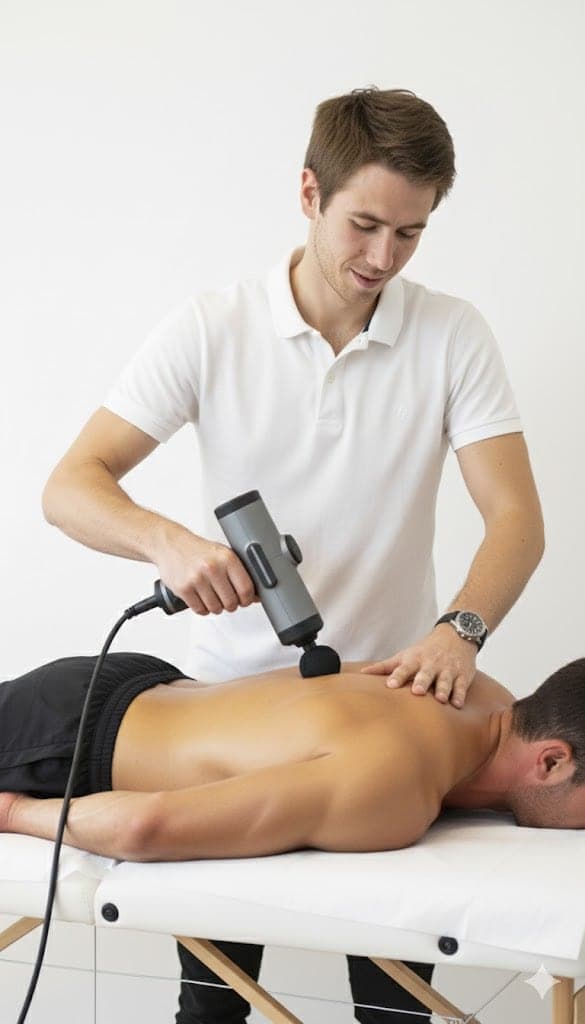
Norwegian-certified with a Bachelor’s in Physical Education and Nutrition and over ten years of clinical practice, working from a portable table in clients’ homes across the Paphos district.
This article is general information from clinical practice, not a medical diagnosis. If you have severe, worsening or unexplained pain, numbness, weakness, or pain after an accident, see a doctor first.