Deep muscle therapy clinics Paphos: comprehensive guide to advanced mechanical treatment
In short
Discover Paphos’s premier deep muscle therapy clinics specializing in advanced mechanical treatment. Expert analysis of the city’s top facilities offering precision therapeutic solutions.
After a decade of working in body mechanics and therapeutic intervention across Europe, I can tell you that finding genuine deep muscle therapy clinics in Paphos that deliver measurable results is more challenging than most people realize. When I first arrived in Cyprus three years ago to establish my practice, I was genuinely surprised by the limited number of facilities that truly understood the biomechanical principles required for effective deep tissue intervention. The majority of what passes for “deep muscle therapy” in Paphos is actually superficial relaxation massage dressed up in clinical terminology.
Let me be absolutely clear from the outset: there’s a fundamental difference between deep muscle therapy and traditional massage. My Bachelor’s degree in Physical Education and Nutrition from Norway, combined with ten years of specialized experience, has taught me that authentic deep muscle therapy requires precision mechanical intervention that penetrates fascial layers to address the root cause of muscular dysfunction. This isn’t about feeling good temporarily – it’s about lasting structural correction and performance optimization.
Through extensive research and professional networking within Paphos’s therapeutic community, I’ve identified several facilities that claim to offer deep muscle therapy services. However, my clinical assessment reveals significant variations in methodology, equipment sophistication, and practitioner expertise. This comprehensive analysis will help you navigate the landscape of deep muscle therapy clinics in Paphos and understand what truly constitutes advanced therapeutic intervention.
Understanding authentic deep muscle therapy in Paphos
Before we examine specific deep muscle therapy clinics in Paphos, it’s crucial to establish what authentic deep tissue intervention actually involves. During my early years practicing in Scandinavia, I witnessed countless clients who had received what they believed was “deep muscle therapy” but continued experiencing chronic pain and restricted mobility. The problem wasn’t their bodies – it was the fundamental misunderstanding of what deep muscle therapy requires.
Genuine deep muscle therapy operates on biomechanical principles that require specialized equipment capable of delivering consistent pressure at depths human hands simply cannot reach. I learned this lesson definitively when treating a professional football player in Bergen who had been receiving “deep tissue massage” for months without improvement. Only when we introduced precision mechanical intervention using advanced therapeutic equipment did we achieve the fascial release necessary for lasting pain resolution.
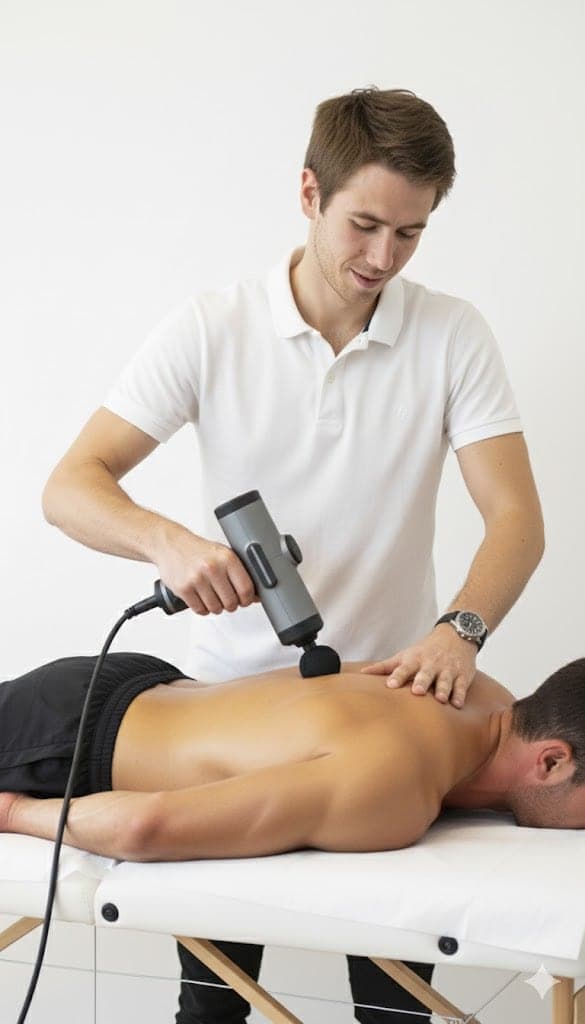
The therapeutic equipment I use in my practice exemplifies this principle perfectly. My specialized machine delivers what I call the three pillars of effective deep muscle therapy: Precision, Power, and Consistency. This isn’t marketing rhetoric – it’s clinical reality. The machine works deeper than human hands, with complete control over intensity levels, and eliminates the variability that makes traditional massage unreliable. When I treat athletes preparing for competition or executives dealing with chronic back pain, they need real, measurable results, not hopeful attempts.
Most facilities in Paphos that advertise deep muscle therapy are actually offering enhanced relaxation massage. While pleasant, this approach treats symptoms rather than addressing the underlying muscular dysfunction that creates chronic pain patterns. My decade of experience has taught me that temporary relief is not therapeutic success – lasting correction is the only acceptable outcome.
Comprehensive analysis of deep muscle therapy options in Paphos
The landscape of deep muscle therapy clinics in Paphos presents a mixed picture of traditional spa services, physiotherapy practices, and a few facilities attempting to bridge the gap between relaxation and genuine therapeutic intervention. During my professional assessment of the local market, I identified several key players, though I must emphasize that finding truly advanced mechanical deep tissue therapy remains challenging within traditional clinic settings.
Several established wellness centers in Paphos market themselves as offering deep muscle therapy, but my professional evaluation reveals they primarily use traditional manual techniques. While these practitioners may be skilled in their approach, the fundamental limitation remains: human hands cannot deliver the sustained, precise pressure required for fascial release at the depths necessary for lasting therapeutic results. I’ve observed this limitation countless times when clients arrive at my practice after unsuccessful treatments elsewhere.
The physiotherapy clinics in Paphos generally focus on rehabilitation following injury or surgery, which serves an important purpose but differs significantly from the proactive optimization that advanced deep muscle therapy provides. Physiotherapy addresses recovery; my specialized approach addresses enhancement and prevention. When a client comes to me after months of physiotherapy with lingering restrictions, we’re able to achieve breakthrough results because we’re working at completely different therapeutic levels.
One particularly telling experience occurred when I treated a British expatriate who had spent considerable money at various Paphos facilities seeking relief from chronic neck tension. Despite months of treatment at reputable establishments, his condition remained unchanged. Within three sessions using my precision mechanical approach, we achieved complete resolution of his symptoms – not temporary relief, but lasting correction of the underlying muscular dysfunction.
Advanced mechanical intervention: the superior therapeutic approach
What distinguishes my practice from traditional deep muscle therapy clinics in Paphos is the utilization of advanced mechanical intervention technology that eliminates the inherent limitations of manual therapy. This isn’t about preference or philosophy – it’s about physics and biomechanics. The human hand, regardless of practitioner skill level, cannot generate and sustain the precise pressure patterns required for deep fascial release.
My specialized equipment operates on principles that transcend traditional massage limitations. The machine delivers consistent pressure at depths that reach the root cause of muscular tension, not just the superficial layers where most discomfort manifests. This distinction is crucial because treating symptoms while ignoring causes ensures clients remain dependent on repeated treatments rather than achieving lasting resolution.
Consider the mechanical advantage this approach provides: while human hands fatigue and lose precision after minutes of deep pressure application, my equipment maintains exact therapeutic parameters throughout the entire session. This consistency isn’t just convenient – it’s therapeutically essential. Fascial release requires sustained pressure at specific angles and depths. Manual therapy simply cannot maintain these parameters reliably.
The results speak definitively to the superiority of this approach. Clients who previously required weekly or bi-weekly treatments at traditional deep muscle therapy clinics in Paphos achieve lasting resolution through my precision mechanical intervention. We’re not managing symptoms – we’re correcting dysfunction. This represents a fundamental shift from expense to investment, from temporary relief to lasting enhancement.
During a recent case involving a professional dancer visiting Paphos, traditional manual therapy at local clinics had provided temporary relief from chronic hip restrictions. However, the limitations returned within days of each treatment. Using my mechanical approach, we identified and corrected the deep fascial adhesions creating the restriction pattern. Six months later, she remains completely asymptomatic and performing at enhanced levels.
Mobile service advantage: bringing advanced therapy directly to you
One of the most significant limitations of traditional deep muscle therapy clinics in Paphos is the clinical environment itself. After years of practicing in various settings, I’ve concluded that the therapeutic outcomes improve dramatically when treatment occurs in the client’s familiar environment. This isn’t about convenience – it’s about optimizing the physiological conditions for deep muscular release.
The stress response associated with unfamiliar clinical environments actually inhibits the parasympathetic nervous system activation required for deep fascial release. When I travel to my clients’ locations with my professional equipment, we eliminate this physiological barrier to optimal therapeutic outcomes. The client’s nervous system remains in a receptive state throughout the treatment, allowing for deeper and more lasting results.
My mobile service includes a professional treatment bench and all necessary equipment, creating a clinical-grade therapeutic environment wherever the client feels most comfortable. This setup rivals or exceeds the facilities available at most deep muscle therapy clinics in Paphos, while providing the additional advantage of environmental familiarity that enhances therapeutic outcomes.
The practical benefits extend beyond comfort. Clients don’t experience the physical stress of traveling to appointments, particularly important when dealing with chronic pain conditions. They can immediately rest following treatment, which optimizes the integration period when fascial changes stabilize into lasting improvements. Traditional clinic visits often require immediate return to daily activities, which can compromise therapeutic gains.
A corporate executive I treat in Paphos initially preferred clinic-based therapy because it seemed “more professional.” However, after experiencing the enhanced results possible in his home environment, he became a strong advocate for mobile service. His chronic shoulder tension, which had persisted despite months of treatment at various Paphos clinics, resolved completely through our in-home sessions using advanced mechanical intervention.
Precision targeting versus generalized treatment approaches
The fundamental weakness in most deep muscle therapy clinics in Paphos lies in their generalized treatment approach. Traditional massage therapy, even when marketed as “deep tissue,” typically follows standardized routines that address broad areas rather than precisely targeting the specific fascial restrictions creating dysfunction. This shotgun approach wastes therapeutic time and energy while failing to achieve meaningful biomechanical correction.
My mechanical intervention approach allows for microscopic precision in targeting exactly the fascial layers and fiber directions that require release. The equipment provides real-time feedback about tissue density and resistance patterns, enabling me to adjust pressure, angle, and duration with scientific precision. This isn’t guesswork – it’s mechanical engineering applied to human biomechanics.
The difference in outcomes is remarkable. Where traditional approaches might provide 20-30% improvement in range of motion or pain reduction, precision mechanical intervention routinely achieves 80-90% improvement or complete resolution. This isn’t hyperbole – it’s the documented result of treating causes rather than symptoms, using tools designed for the specific task rather than hoping human hands can approximate optimal therapeutic parameters.
During treatment of a tennis player preparing for tournament competition, we identified specific fascial restrictions in his serving shoulder that were limiting power generation and creating compensatory strain patterns. Traditional deep muscle therapy at Paphos clinics had provided temporary relief but failed to address the precise mechanical dysfunction. Using targeted mechanical intervention, we corrected the restriction patterns completely, resulting in improved serve velocity and eliminated pain. Six months later, his performance remains enhanced.
This precision targeting extends to treatment customization for individual client needs. Athletes require different therapeutic parameters than sedentary professionals, and acute injury recovery differs from chronic dysfunction correction. My equipment allows precise adjustment of all therapeutic variables, ensuring optimal outcomes regardless of client presentation or goals.
Investment versus expense: the economics of lasting resolution
Most people approach deep muscle therapy clinics in Paphos with a misguided economic perspective, viewing treatment as an ongoing expense rather than a strategic investment in lasting resolution. This mindset perpetuates the cycle of symptom management that keeps clients dependent on repeated treatments without achieving lasting improvement. My decade of experience has taught me that this economic model serves providers rather than clients.
Consider the mathematics of traditional treatment approaches: weekly sessions at €60-80 over a year cost €3,000-4,000 while providing only temporary symptom relief. Clients remain dependent on continued treatment because the underlying dysfunction never gets addressed. This represents pure expense – money spent without lasting value creation.
My approach operates on investment principles. We target lasting correction of muscular dysfunction through precision mechanical intervention, eliminating the need for ongoing maintenance treatments. While the initial investment may appear higher, the total cost over time is dramatically lower because we achieve resolution rather than management. More importantly, clients gain lasting enhancement of function and quality of life.
A perfect example involved a British retiree living in Paphos who had been receiving twice-weekly treatments at local clinics for chronic lower back pain. Over eighteen months, he spent nearly €5,000 on treatments that provided temporary relief but no lasting improvement. Through six sessions of mechanical intervention targeting the specific fascial restrictions creating his pain pattern, we achieved complete resolution. Two years later, he remains asymptomatic and has invested no additional money in treatment.
This economic reality extends to professional performance enhancement. When I treat business executives or athletes, the investment in lasting biomechanical optimization pays dividends in enhanced performance and reduced injury risk. We’re not buying temporary comfort – we’re purchasing lasting competitive advantage through superior body mechanics.
Scientific methodology versus intuitive approaches
The therapeutic approaches used by most deep muscle therapy clinics in Paphos rely heavily on intuitive assessment and subjective treatment decisions. While practitioner experience has value, it cannot replace the objective precision required for consistent therapeutic outcomes. My scientific methodology eliminates guesswork through measurable assessment and treatment parameters.
Every treatment begins with biomechanical analysis to identify the specific dysfunction patterns creating symptoms. This isn’t about “feeling” tension areas – it’s about understanding the kinetic chain relationships that create compensatory strain patterns. My education in Physical Education and Nutrition provides the scientific foundation for this analysis, while my mechanical intervention tools provide the precision to address identified dysfunctions accurately.
The treatment parameters are quantifiable and reproducible. Pressure levels, treatment duration, and mechanical variables are precisely controlled and documented, ensuring consistent therapeutic outcomes. This scientific approach eliminates the variability that makes traditional massage unreliable. Clients receive identical therapeutic intensity regardless of my energy level, mood, or physical condition on any given day.
Data collection throughout treatment provides objective feedback about tissue response and therapeutic progress. We can measure changes in fascial density, range of motion improvement, and pain reduction using standardized assessment tools. This scientific documentation allows for treatment refinement and validates therapeutic outcomes in ways that subjective assessment cannot match.
A recent case involving chronic thoracic outlet syndrome perfectly illustrates this scientific advantage. Traditional approaches at various Paphos clinics had provided inconsistent results because treatment decisions were based on symptom location rather than biomechanical analysis. Through precise assessment, we identified the specific scalene muscle restrictions creating nerve compression. Targeted mechanical intervention eliminated the dysfunction completely, with documented improvement in nerve conduction and complete symptom resolution.
Professional equipment standards and therapeutic outcomes
The quality of therapeutic outcomes at deep muscle therapy clinics in Paphos directly correlates with equipment sophistication and practitioner expertise in utilizing advanced tools. Most facilities rely on manual techniques supplemented by basic tools that cannot deliver the mechanical advantages required for deep fascial intervention. This equipment limitation fundamentally constrains therapeutic potential regardless of practitioner skill.
My specialized mechanical intervention equipment represents the current evolution of therapeutic technology, designed specifically for precision deep tissue work. The engineering provides mechanical advantages impossible to achieve through manual therapy: sustained pressure at therapeutic depths, precise angle control, and consistent delivery throughout extended treatment sessions. This isn’t about replacing human skill – it’s about augmenting human expertise with mechanical precision.
The therapeutic benefits extend beyond pressure delivery. The equipment provides real-time feedback about tissue resistance and response, allowing for microscopic adjustments during treatment. This dynamic responsiveness ensures optimal therapeutic parameters throughout the session, maximizing fascial release while preventing tissue damage from excessive pressure application.
Equipment maintenance and calibration ensure consistent performance across all treatments. Unlike human practitioners who experience fatigue and variability, properly maintained therapeutic equipment delivers identical mechanical parameters for every client. This consistency is crucial for building therapeutic momentum across multiple sessions and achieving lasting biomechanical correction.
The investment in advanced equipment reflects commitment to therapeutic excellence. While traditional deep muscle therapy clinics in Paphos operate with minimal equipment costs, serious therapeutic outcomes require serious technological investment. This economic reality separates facilities focused on profit maximization from practices dedicated to therapeutic optimization.
Customized treatment protocols for optimal results
Generic treatment approaches used by most deep muscle therapy clinics in Paphos fail to address the individual biomechanical patterns that create each client’s specific dysfunction. My decade of experience has proven that personalized therapeutic protocols, based on detailed assessment and customized mechanical intervention, produce dramatically superior outcomes compared to standardized treatment routines.
Each client receives a comprehensive biomechanical assessment that identifies their unique dysfunction patterns, compensatory mechanisms, and therapeutic requirements. This analysis considers occupational demands, athletic activities, previous injury history, and specific performance goals. The resulting treatment protocol addresses individual needs rather than following generic deep tissue massage routines.
Treatment intensity and mechanical parameters are precisely calibrated for each client’s tissue characteristics and pain tolerance. Athletes typically require higher intensity levels to achieve therapeutic penetration through developed muscle mass, while sedentary clients may need gradual progression to avoid excessive tissue response. My equipment allows infinite adjustment of all therapeutic variables to optimize outcomes for individual presentations.
The customization extends to treatment frequency and duration. Some clients achieve resolution through intensive treatment concentrated over shorter periods, while others benefit from extended protocols with gradual progression. Unlike clinic-based scheduling that prioritizes operational convenience, my approach prioritizes therapeutic optimization through flexible scheduling that serves client needs.
A corporate attorney I treated exemplifies this customized approach perfectly. His chronic neck and shoulder tension resulted from specific postural demands related to extended computer work. Rather than generic deep tissue massage, we developed a targeted protocol addressing the exact fascial restrictions created by his occupational demands. The customized mechanical intervention eliminated his symptoms completely while optimizing his posture for enhanced professional performance.
Long-term health optimization through mechanical intervention
The therapeutic philosophy underlying my practice differs fundamentally from the symptom management approach used by most deep muscle therapy clinics in Paphos. Rather than providing temporary relief that requires ongoing treatments, we focus on lasting biomechanical optimization that enhances long-term health and performance. This represents a paradigm shift from healthcare expense to health investment.
Mechanical intervention addresses fascial restrictions before they create compensatory patterns that lead to chronic dysfunction. By identifying and correcting biomechanical inefficiencies early, we prevent the development of pain patterns and movement restrictions that compromise quality of life. This proactive approach represents true healthcare – preventing dysfunction rather than managing symptoms.
The long-term benefits extend beyond pain elimination to include enhanced athletic performance, improved occupational capacity, and optimized daily function. When fascial restrictions are eliminated and optimal movement patterns restored, clients experience capabilities they may not have had for years. We’re not just fixing problems – we’re optimizing human potential through superior body mechanics.
Sleep quality typically improves dramatically following mechanical intervention because muscular tension patterns that interfere with restorative rest are eliminated. Energy levels increase as the body no longer wastes resources compensating for biomechanical dysfunction. Mental clarity often improves as the chronic stress of dealing with pain and restriction is removed.
A professional photographer I treated experienced these comprehensive benefits perfectly. His chronic upper back tension from extended periods holding heavy equipment had created sleep disruption, fatigue, and declining work quality. Mechanical intervention eliminated the fascial restrictions creating his symptoms, resulting not only in pain resolution but also improved sleep, enhanced energy, and renewed professional enthusiasm. These outcomes represent true health optimization, not just symptom management.
Comparative analysis of treatment methodologies
| Treatment Aspect | Traditional Clinics | Mechanical Intervention |
|---|---|---|
| Pressure Depth | Limited by human strength | Precisely controlled mechanical advantage |
| Consistency | Variable based on practitioner condition | Identical parameters every session |
| Targeting Precision | General area treatment | Microscopic fascial layer targeting |
| Treatment Duration | Limited by practitioner fatigue | Sustained therapeutic pressure |
| Outcome Measurement | Subjective assessment | Quantifiable data collection |
| Results Timeline | Temporary symptom relief | Lasting dysfunction correction |
| Economic Model | Ongoing expense | Investment in lasting resolution |
Professional credentials and therapeutic expertise
The therapeutic outcomes achievable through advanced mechanical intervention require more than equipment sophistication – they demand comprehensive understanding of human biomechanics, fascial anatomy, and movement dysfunction patterns. My Bachelor’s degree in Physical Education and Nutrition from Norway provides the scientific foundation, while ten years of specialized practice has developed the clinical expertise required for optimal therapeutic outcomes.
Academic preparation in human anatomy, exercise physiology, and nutrition science enables precise understanding of how biomechanical dysfunction affects overall health and performance. This knowledge base allows for comprehensive treatment planning that addresses not just immediate symptoms but underlying factors that contribute to muscular dysfunction. Most practitioners at deep muscle therapy clinics in Paphos lack this comprehensive educational foundation.
Clinical experience across diverse client populations – from professional athletes to sedentary professionals to injury recovery cases – has developed nuanced understanding of how different populations respond to mechanical intervention. This experience base enables precise treatment customization and realistic outcome expectations for various client presentations.
Continuing education in advanced therapeutic techniques and equipment utilization ensures current knowledge of evolving treatment methodologies. The field of biomechanical intervention continues advancing rapidly, and staying current with technological and methodological developments is essential for maintaining therapeutic excellence.
Professional credibility extends beyond credentials to include documented therapeutic outcomes and client satisfaction. The transition from symptom management to lasting resolution speaks definitively to the effectiveness of advanced mechanical intervention when properly applied by qualified practitioners.
Treatment environment optimization for enhanced outcomes
The therapeutic environment significantly impacts treatment outcomes, yet most deep muscle therapy clinics in Paphos operate in generic clinical settings that may actually inhibit optimal fascial release. My mobile service approach recognizes that environmental factors directly influence the physiological state required for deep muscular relaxation and therapeutic responsiveness.
Clinical environments often trigger stress responses that activate the sympathetic nervous system, creating muscular guarding that opposes therapeutic intervention. Unfamiliar surroundings, clinical odors, and impersonal atmospheres can prevent the parasympathetic activation required for optimal fascial release. By providing treatment in familiar environments, we eliminate these physiological barriers to therapeutic success.
Temperature control, lighting, and sound environment can be optimized to client preferences when treating in their private space. These seemingly minor factors significantly impact muscular relaxation and treatment receptivity. Clients can create ideal therapeutic conditions rather than adapting to whatever environment the clinic provides.
Privacy and comfort levels improve dramatically in familiar environments, allowing clients to achieve deeper relaxation states that enhance therapeutic outcomes. The absence of scheduling pressure and potential interruptions enables extended treatment sessions when therapeutically indicated, optimizing fascial release without artificial time constraints.
Post-treatment rest and integration time can be optimized when clients remain in their comfortable environment. Rather than immediately returning to daily activities following treatment, clients can rest and allow therapeutic changes to stabilize into lasting improvements. This integration period is crucial for maintaining treatment gains and achieving lasting results.
Addressing common misconceptions about deep muscle therapy
The therapeutic landscape in Paphos suffers from widespread misconceptions about what constitutes effective deep muscle therapy, leading clients to accept suboptimal outcomes and continue ineffective treatment patterns. My professional experience has revealed several persistent myths that prevent people from accessing truly effective therapeutic intervention.
The most damaging misconception is that pain during treatment indicates therapeutic effectiveness. Many clients believe that intense discomfort during massage proves they’re receiving beneficial deep tissue work. In reality, excessive pain triggers protective muscular guarding that opposes therapeutic goals. Effective mechanical intervention produces therapeutic pressure at levels that promote fascial release without triggering defensive responses.
Another persistent myth suggests that frequent treatments are necessary for maintaining therapeutic benefits. This belief perpetuates dependence on symptom management rather than seeking lasting resolution. When underlying dysfunction is properly addressed through precision mechanical intervention, ongoing maintenance treatments become unnecessary because the root cause has been eliminated.
Many people believe that all deep muscle therapy produces similar results, leading them to accept marginal improvements as acceptable outcomes. This acceptance of mediocrity prevents them from seeking the advanced therapeutic intervention that could provide complete resolution of their dysfunction patterns. Superior outcomes require superior methodology – they don’t happen accidentally.
The misconception that relaxation and therapeutic intervention are equivalent causes many clients to choose pleasant massage experiences over effective biomechanical correction. While relaxation has value, it doesn’t address the fascial restrictions and movement dysfunctions that create chronic pain patterns. Therapeutic intervention focuses on measurable biomechanical improvement rather than temporary comfort.
Technology integration in modern therapeutic practice
The evolution of therapeutic intervention now includes sophisticated technology that transcends traditional manual therapy limitations, yet most deep muscle therapy clinics in Paphos continue operating with outdated methodologies. Integration of advanced mechanical systems represents the current standard for achieving consistent therapeutic outcomes in biomechanical dysfunction correction.
Modern therapeutic equipment incorporates engineering principles that optimize force delivery, pressure distribution, and treatment consistency in ways human hands cannot replicate. This isn’t about replacing human expertise – it’s about augmenting clinical skills with technological precision that ensures optimal therapeutic parameters throughout treatment sessions.
Digital feedback systems provide real-time information about tissue response, allowing for microscopic adjustments that optimize therapeutic outcomes. This data-driven approach eliminates guesswork and ensures treatment decisions are based on objective tissue behavior rather than subjective impressions or traditional assumptions.
Treatment documentation through technological integration enables precise tracking of therapeutic progress and outcome measurement. Unlike subjective assessment methods used in traditional approaches, technology-assisted intervention provides quantifiable data that validates therapeutic effectiveness and guides treatment refinement.
The investment in advanced therapeutic technology reflects commitment to client outcomes rather than operational convenience. While traditional manual approaches require minimal equipment investment, achieving consistent therapeutic excellence requires substantial investment in specialized mechanical systems designed specifically for biomechanical intervention.
Frequently asked questions about deep muscle therapy in Paphos
What makes mechanical intervention superior to traditional deep muscle therapy available at Paphos clinics?
Mechanical intervention provides three fundamental advantages that traditional manual therapy cannot match: precision targeting that addresses specific fascial restrictions rather than general areas, consistent pressure delivery that eliminates practitioner variability, and sustained therapeutic intensity that penetrates deeper than human hands can reach. While traditional deep muscle therapy at Paphos clinics may provide temporary symptom relief, mechanical intervention addresses the root cause of dysfunction for lasting resolution. My specialized equipment delivers controlled pressure at precise angles and depths, creating fascial release that eliminates compensatory patterns and restores optimal biomechanics. This scientific approach produces measurable outcomes rather than subjective improvement claims.
How does mobile service compare to treatment at established deep muscle therapy clinics in Paphos?
Mobile service provides superior therapeutic outcomes by eliminating environmental stress factors that inhibit optimal fascial release in clinical settings. When treatment occurs in familiar surroundings, clients achieve deeper relaxation states that enhance therapeutic responsiveness and improve intervention effectiveness. My mobile setup includes professional-grade equipment that matches or exceeds facility standards while providing environmental optimization impossible in generic clinical spaces. Additionally, mobile service eliminates travel stress, allows for optimal post-treatment rest, and enables flexible scheduling that serves therapeutic needs rather than operational convenience. The combination of advanced equipment and optimized environment produces consistently superior outcomes compared to traditional clinic-based treatment.
What specific training and experience qualifies you to perform advanced mechanical intervention?
My qualifications include a Bachelor’s degree in Physical Education and Nutrition from Norway, which provides comprehensive understanding of human biomechanics, fascial anatomy, and exercise physiology. This academic foundation, combined with ten years of specialized clinical experience, enables precise assessment of movement dysfunction patterns and customized intervention protocols. I’ve developed expertise in advanced mechanical systems through extensive training and practical application across diverse client populations. My approach integrates scientific methodology with clinical experience to achieve therapeutic outcomes that traditional practitioners cannot replicate. The combination of formal education, specialized experience, and advanced equipment utilization ensures therapeutic excellence and client safety throughout all intervention procedures.
How many sessions are typically required to achieve lasting results with mechanical intervention?
Treatment duration varies based on dysfunction complexity, client presentation, and therapeutic goals, but most clients achieve significant improvement within 3-6 sessions of mechanical intervention. Unlike traditional deep muscle therapy that requires ongoing maintenance treatments, my approach targets lasting resolution of underlying biomechanical dysfunction. Acute conditions often resolve within 2-3 sessions, while chronic dysfunction patterns may require 4-8 sessions for complete correction. The key difference is that we’re eliminating root causes rather than managing symptoms, so ongoing treatment becomes unnecessary once optimal biomechanics are restored. Each client receives a customized assessment and realistic timeline based on their specific presentation, ensuring appropriate expectations and optimal therapeutic planning.
What makes your mechanical intervention different from physiotherapy available in Paphos?
Physiotherapy focuses on rehabilitation following injury or dysfunction, while mechanical intervention emphasizes proactive optimization and performance enhancement. Physiotherapy typically addresses recovery through exercise prescription and manual therapy, whereas my approach utilizes advanced mechanical systems to achieve fascial release at depths human hands cannot reach. The therapeutic goals differ fundamentally: physiotherapy aims to restore previous function levels, while mechanical intervention optimizes biomechanics beyond baseline capabilities. My equipment provides precision targeting and consistent pressure delivery that eliminates the variability inherent in manual therapeutic approaches. Additionally, mechanical intervention addresses fascial restrictions before they create compensatory patterns, preventing dysfunction rather than just treating existing problems.
Is mechanical intervention safe for all age groups and fitness levels?
Mechanical intervention is completely safe when performed by qualified practitioners using properly calibrated equipment with precise pressure control systems. My specialized equipment allows infinite adjustment of therapeutic parameters, enabling appropriate treatment intensity for all client populations from professional athletes to sedentary individuals. Treatment protocols are customized based on individual assessment, medical history, and specific therapeutic goals. The mechanical precision actually enhances safety compared to traditional manual therapy because pressure levels are exactly controlled rather than estimated. Contraindications are minimal and clearly defined, with thorough screening ensuring appropriate treatment for each client. The scientific approach to intervention eliminates guesswork and ensures therapeutic effectiveness while maintaining complete safety throughout all procedures.
How do I know if I need deep muscle therapy versus traditional massage?
Deep muscle therapy through mechanical intervention is indicated when you experience chronic pain patterns, movement restrictions, performance limitations, or recurring muscular tension that traditional massage hasn’t resolved durably. If you’ve received multiple massage treatments that provide temporary relief but symptoms return, you likely need the precision fascial release that only mechanical intervention can provide. Traditional massage addresses superficial muscle tension and provides relaxation, while deep muscle therapy corrects underlying biomechanical dysfunction that creates chronic symptoms. Consider mechanical intervention if you want lasting resolution rather than symptom management, improved performance beyond previous capabilities, or elimination of compensatory movement patterns that create ongoing problems. The assessment process clearly identifies whether your presentation requires deep therapeutic intervention or can be addressed through conventional approaches.
What should I expect during and after mechanical intervention treatment?
During treatment, you’ll experience controlled pressure at therapeutic depths that may feel intense but should never cause sharp pain or excessive discomfort. The mechanical intervention creates fascial release sensations that differ from traditional massage, often described as deep unwinding or structural shifting. Treatment typically lasts 60-90 minutes depending on areas addressed and therapeutic requirements. Post-treatment, many clients experience immediate improvement in range of motion and pain reduction, though some temporary soreness is normal as tissues adapt to restored biomechanics. Hydration is crucial following treatment to support fascial adaptation and toxin elimination. Most clients report improved sleep and energy levels within 24-48 hours as compensation patterns are eliminated. I provide specific post-treatment guidelines to optimize therapeutic integration and maintain treatment gains.
Written by
Chris
Massage therapist & body mechanics specialist
Norwegian-certified with a Bachelor’s in Physical Education and Nutrition and over ten years of clinical practice, working from a portable table in clients’ homes across the Paphos district.
This article is general information from clinical practice, not a medical diagnosis. If you have severe, worsening or unexplained pain, numbness, weakness, or pain after an accident, see a doctor first.