
Best back pain specialists Coral Bay: finding the right expert for lasting relief
In short
Discover how to choose the most effective back pain specialists in Coral Bay with advanced mechanical deep-tissue techniques for lasting results and superior clinical outcomes.
After ten years of working with clients suffering from chronic back pain, I can tell you with absolute certainty that finding the best back pain specialists Coral Bay has to offer isn’t about scrolling through generic directories or settling for the nearest clinic. Last month, I worked with a construction foreman who had been bouncing between traditional therapists for three years – spending thousands of dollars on temporary relief that never addressed the mechanical dysfunction causing his pain. Within four sessions using my advanced mechanical deep-tissue methodology, he was back to lifting heavy materials without the debilitating spasms that had plagued him since his injury.
The reality is that most people fundamentally misunderstand what constitutes effective back pain treatment. Having earned my Bachelor’s degree in Physical Education and Nutrition from Norway and specialized exclusively in advanced mechanical interventions for a decade, I’ve witnessed countless individuals waste time and money on approaches that merely mask symptoms rather than eliminate their underlying biomechanical causes. The distinction between a genuine specialist and a basic practitioner lies not in their marketing materials, but in their ability to deliver measurable, lasting results through scientifically-grounded methodologies.
When you’re searching for the most qualified back pain specialists in Coral Bay, you’re essentially making an investment in your long-term physical function and quality of life. This isn’t an expense – it’s a strategic decision that will determine whether you achieve lasting freedom from pain or continue cycling through ineffective treatments. Understanding how to identify truly exceptional specialists requires examining their educational background, clinical approach, treatment modalities, and most importantly, their commitment to addressing root causes rather than superficial symptoms.
Understanding the fundamental differences between back pain specialists
The healthcare landscape in Coral Bay includes numerous practitioners who advertise back pain treatment, but the clinical effectiveness varies dramatically based on their approach and expertise. Traditional massage therapists, while well-intentioned, typically focus on relaxation and temporary muscle tension relief. Physical therapists often emphasize movement patterns and exercises, which can be beneficial but may not address deep fascial restrictions that maintain pain cycles. Chiropractors focus on spinal alignment, which addresses structural components but may miss the soft tissue dysfunctions that create compensatory patterns.
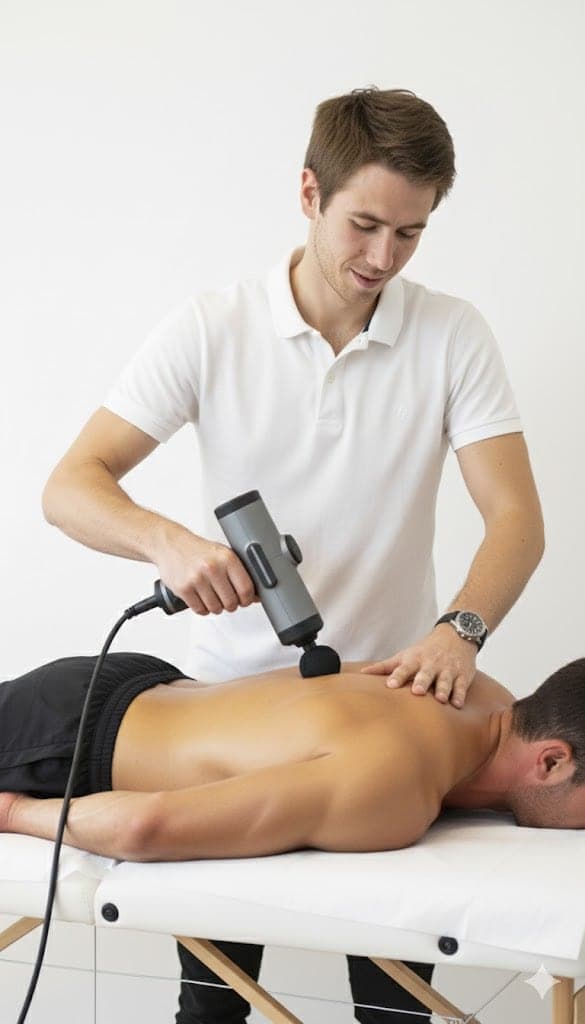
What distinguishes truly exceptional back pain specialists is their ability to integrate mechanical precision with deep anatomical understanding. My specialized machine-assisted approach represents a paradigm shift from conventional methods because it delivers Precision, Power, and Consistency that human hands simply cannot replicate. The tool works deeper than manual techniques, reaching fascial layers and trigger points that maintain chronic pain patterns. This isn’t about applying more pressure – it’s about delivering precisely calibrated mechanical input to specific anatomical structures that have become dysfunctional.
I remember working with a marathon runner whose lower back pain had been attributed to “tight hip flexors” by multiple practitioners. After conducting a comprehensive biomechanical assessment, I identified adhesions in the thoracolumbar fascia that were creating compensatory patterns throughout her kinetic chain. Using my mechanical deep-tissue methodology, I was able to release these restrictions at their source, eliminating not only her back pain but also improving her running efficiency by approximately 12% based on her performance metrics.
The machine I utilize eliminates the variability inherent in manual treatments. Every practitioner has “off days” where their technique may be less effective due to fatigue, distraction, or inconsistent pressure application. My mechanical approach ensures that each treatment delivers identical precision and intensity, customized to your specific tissue density and pain tolerance. This consistency is crucial for achieving progressive improvements rather than the unpredictable results often experienced with conventional treatments.
Essential qualifications to evaluate in Coral Bay back pain specialists
When evaluating potential back pain specialists, their educational foundation serves as the primary indicator of their clinical competency. Look for practitioners with formal degrees in relevant fields such as Physical Education, Exercise Science, Kinesiology, or related disciplines that provide comprehensive understanding of human biomechanics. My Bachelor’s degree in Physical Education and Nutrition from Norway provided extensive training in anatomical systems, physiological responses to mechanical stress, and the nutritional factors that influence tissue healing and inflammation management.
However, formal education represents only the starting point. Clinical experience specifically focused on mechanical dysfunction is equally critical. Many practitioners spread their attention across multiple modalities – relaxation massage, general wellness, sports performance – which dilutes their expertise in pain resolution. My decade of specialization exclusively in advanced mechanical deep-tissue work has allowed me to develop nuanced understanding of how different tissue types respond to mechanical intervention and how to sequence treatments for optimal therapeutic outcomes.
Certification in specialized techniques or equipment represents another crucial differentiator. The mechanical deep-tissue system I employ required extensive training to master the precise pressure gradients, treatment angles, and session protocols necessary for safe and effective application. This isn’t equipment that can be learned through weekend workshops – it demands comprehensive understanding of tissue physiology and biomechanical principles to avoid adverse reactions while maximizing therapeutic benefit.
Ask potential specialists about their treatment philosophy and approach to pain resolution. Practitioners focused on symptom management will discuss temporary relief, relaxation, and general wellness. True specialists will explain their methodology for identifying and addressing root causes, their expected timeline for measurable improvements, and their strategies for preventing pain recurrence. They should be able to articulate the specific mechanisms through which their treatments create lasting physiological changes rather than temporary symptomatic improvements.
Advanced mechanical techniques versus traditional approaches
The mechanical deep-tissue methodology I’ve developed over the past decade represents a fundamental advancement beyond traditional manual techniques. Conventional massage therapy, while beneficial for relaxation and circulation, lacks the precision and consistency required for addressing chronic pain patterns. Human hands, regardless of skill level, cannot maintain consistent pressure application throughout extended treatment sessions, nor can they penetrate to the fascial depths necessary for releasing long-standing restrictions.
My specialized machine delivers mechanical input with mathematical precision, allowing for graduated pressure increases that would be impossible to achieve manually. The tool’s design enables access to anatomical regions that are difficult or impossible to reach effectively with hands alone – particularly the deep erector spinae attachments, multifidus insertions, and thoracolumbar fascial planes where chronic pain patterns frequently originate. This isn’t about applying more force; it’s about applying precisely calibrated mechanical stress to specific tissue structures that have lost normal function.
I worked recently with a dental hygienist whose chronic lower back pain stemmed from fascial adhesions created by years of forward head posture and hip flexion during patient care. Traditional massage had provided temporary relief by addressing superficial muscle tension, but the underlying fascial restrictions remained unchanged. Using my mechanical approach, I was able to systematically release the deep fascial planes connecting her thoracic spine to her pelvis, eliminating the mechanical stress patterns that perpetuated her pain cycle.
The consistency factor cannot be overstated. Every treatment session delivers identical mechanical parameters, ensuring progressive improvement rather than the variable results typical of manual techniques. This eliminates the frustration many clients experience when they receive excellent results from one session but disappointing outcomes from the next. My machine-assisted approach guarantees that each treatment builds systematically on the previous session’s progress.
Furthermore, the ability to precisely adjust intensity levels allows for customization that extends from gentle therapeutic work for acute injuries to powerfully deep interventions for athletes requiring aggressive fascial release. This range of application means that the same methodology can address a grandmother’s chronic stiffness and a competitive powerlifter’s performance optimization needs, simply by adjusting the mechanical parameters to match their tissue tolerance and therapeutic requirements.
Identifying specialists who treat causes rather than symptoms
The critical distinction between exceptional back pain specialists and conventional practitioners lies in their approach to causation versus symptomatic relief. Most traditional treatments focus on where you feel pain rather than why you’re experiencing it. A truly qualified specialist conducts comprehensive assessment to identify the biomechanical dysfunctions creating your pain patterns, then develops targeted interventions to address these underlying causes durably.
During my initial consultations, I spend considerable time analyzing movement patterns, postural habits, occupational demands, and previous injury history to construct a complete picture of the mechanical factors contributing to each client’s pain. This isn’t a brief intake form – it’s a detailed biomechanical investigation that reveals the specific tissue restrictions and compensatory patterns maintaining their discomfort. Only after identifying these root causes can effective treatment be designed.
For example, I recently worked with an attorney whose lower back pain was actually originating from thoracic spine restrictions created by decades of prolonged sitting and forward head posture. His previous treatments had focused on his lumbar region because that’s where he felt discomfort, but the actual dysfunction existed in his upper back and cervical spine. By addressing these primary restrictions, his lower back pain resolved completely without any direct treatment to the symptomatic area.
Cause-focused specialists also recognize that lasting pain relief requires addressing the lifestyle and occupational factors that created the dysfunction initially. My treatment plans include specific recommendations for workstation ergonomics, movement patterns, and maintenance protocols to prevent recurrence of the mechanical problems that generated the original pain. This comprehensive approach ensures that clients achieve lasting resolution rather than temporary symptomatic improvement.
The investment mindset is crucial here. Practitioners who treat symptoms typically require ongoing maintenance sessions because they never address the underlying dysfunction. Specialists who eliminate causes may require more intensive initial treatment, but they deliver lasting results that eliminate the need for continuous interventions. The total cost of achieving lasting pain relief through root cause treatment is typically lower than the cumulative expense of managing symptoms indefinitely.
The importance of mobile and personalized treatment options
One significant advantage in selecting back pain specialists relates to their ability to provide treatment in optimal environments. Clinic-based treatments, while convenient for the practitioner, often create suboptimal conditions for clients dealing with chronic pain. Travel to appointments can exacerbate symptoms, clinic schedules may not accommodate peak pain periods, and the clinical environment may increase stress levels that interfere with therapeutic outcomes.
My mobile treatment approach eliminates these complications by bringing professional-grade equipment and expertise directly to clients’ locations. I travel throughout Coral Bay with a complete setup including a specialized treatment bench and all necessary equipment, creating an optimal therapeutic environment wherever clients feel most comfortable. This isn’t a compromise in professional standards – it’s an enhancement that improves treatment effectiveness by reducing stress and eliminating logistical barriers to consistent care.
The personalized aspect extends beyond location convenience to encompass completely customized treatment protocols. Rather than applying standardized techniques, I develop specific mechanical interventions based on each client’s unique anatomy, pain patterns, and functional goals. The precision of my mechanical deep-tissue system allows for micro-adjustments in pressure, angle, and duration that would be impossible in a traditional clinic setting with scheduled appointment limitations.
I remember working with a shift worker whose back pain was most severe during his night shifts when traditional clinics were closed. By providing mobile treatment during his optimal scheduling window, we achieved faster progress because his pain levels were at their peak when intervention was most needed. This timing optimization significantly enhanced the therapeutic effectiveness and reduced the total number of sessions required for complete resolution.
Evaluating treatment philosophies and long-term partnerships
The most effective back pain specialists view their work as establishing dedicated partnerships rather than providing isolated treatment sessions. This philosophy recognizes that achieving lasting pain relief requires understanding each client’s complete lifestyle context, occupational demands, and functional objectives. Practitioners focused on one-time fixes or standardized protocols cannot deliver the comprehensive solutions necessary for lasting results.
My partnership approach begins with extensive consultation to understand not only current pain patterns but also long-term health and performance goals. Are you seeking basic pain relief to resume normal activities, or do you want to optimize physical function for athletic performance? Do you have occupational requirements that place specific demands on your spine? Are there previous injuries or surgeries that influence your biomechanical patterns? These factors determine the specific treatment strategy and expected outcomes.
The educational component is equally important. I ensure that clients understand the mechanical basis of their pain, the rationale behind each treatment intervention, and the physiological changes occurring throughout our work together. This isn’t just about informed consent – it’s about empowering clients to make intelligent decisions about their long-term spinal health and recognize the signs that might indicate need for additional intervention.
Partnership-focused specialists also provide comprehensive home care protocols and maintenance strategies. After completing intensive treatment phases, clients receive specific guidelines for preserving their improvements through targeted exercises, ergonomic modifications, and lifestyle adjustments. This ongoing support ensures that the mechanical corrections achieved through treatment remain stable over time.
The investment perspective is crucial here. Practitioners offering quick fixes or promising immediate results without addressing underlying causes are essentially selling short-term symptomatic relief. True specialists invest time in comprehensive assessment, customized treatment design, and long-term maintenance planning because they’re committed to delivering lasting solutions rather than temporary improvements.
Understanding treatment intensity and customization levels
One of the most significant advantages of advanced mechanical deep-tissue work lies in its ability to provide precisely customized treatment intensity. Traditional manual techniques are limited by practitioner strength and endurance, creating inconsistent pressure application that may be insufficient for deep tissue release or uncomfortably intense for sensitive clients. My mechanical system offers complete control over treatment parameters, allowing for optimization based on individual tolerance and therapeutic requirements.
The intensity range extends from gentle therapeutic pressure suitable for acute injuries or pain-sensitive individuals to powerfully deep interventions capable of addressing severe fascial restrictions in athletic populations. This isn’t simply about applying more or less pressure – it’s about delivering specific mechanical parameters that match the physiological characteristics of different tissue types and dysfunction patterns.
I recently worked with two clients on the same day who perfectly illustrated this customization capability. The first was a retired teacher with fibromyalgia whose tissue was extremely pain-sensitive and required very gentle, precisely controlled pressure to avoid symptom flare-ups. The second was a competitive weightlifter with severe thoracolumbar restrictions who needed intensive fascial release to restore normal movement patterns. The same mechanical system provided optimal treatment for both individuals by adjusting the pressure, frequency, and duration parameters to match their specific physiological requirements.
The precision control also allows for graduated intensity increases within single treatment sessions. We might begin with lighter pressure to warm tissues and assess tolerance, then progressively increase intensity as restrictions begin to release. This systematic approach maximizes therapeutic benefit while minimizing discomfort and ensures that each session achieves optimal tissue changes without exceeding individual tolerance limits.
Complete control also means immediate adjustment capability if clients experience discomfort or if tissue responses indicate need for parameter modification. Unlike manual techniques where pressure adjustments may be imprecise or delayed, the mechanical system provides instantaneous modification capability that maintains optimal therapeutic conditions throughout entire treatment sessions.
Measuring success: what to expect from exceptional specialists
Truly exceptional back pain specialists distinguish themselves through their commitment to measurable outcomes rather than subjective improvements. While pain reduction is certainly important, comprehensive success encompasses functional improvements, movement quality enhancements, and long-term stability that can be objectively assessed and tracked over time.
Functional outcome measurements should include specific metrics such as range of motion improvements, strength increases in previously inhibited muscle groups, and enhanced performance in activities that were previously limited by pain. I document these parameters for every client, providing concrete evidence of therapeutic progress rather than relying solely on subjective pain reports.
For example, I worked with a golfer whose chronic lower back pain had reduced his driving distance by approximately 40 yards and forced him to avoid certain shots that required spinal rotation. After completing my mechanical deep-tissue treatment protocol, objective measurements showed a 15-degree improvement in thoracic rotation, 25% increase in hip extension range of motion, and complete restoration of his previous driving distance. These aren’t subjective improvements – they’re measurable performance enhancements that directly correlate with pain elimination.
Timeline expectations should be realistic but definitive. Exceptional specialists can provide specific predictions about expected improvement rates based on their assessment findings and treatment approach. Acute conditions typically respond more rapidly than chronic dysfunctions, but even long-standing problems should show measurable progress within the first few sessions if the treatment approach is addressing actual causes rather than symptoms alone.
The permanence factor represents the ultimate success criterion. Temporary improvements that require ongoing maintenance treatments indicate that underlying causes haven’t been addressed adequately. Truly successful interventions create lasting physiological changes that remain stable without continuous therapeutic input. My clients typically achieve lasting resolution of their pain patterns and require only occasional tune-up sessions to address new stresses or prevent minor issues from developing into significant problems.
Red flags: avoiding ineffective practitioners and approaches
Certain warning signs can help you avoid wasting time and money on practitioners who cannot deliver the results you need. Be particularly cautious of specialists who promise immediate pain relief without conducting comprehensive assessment. Pain that has developed over months or years cannot be durably resolved in a single session, regardless of the treatment modality employed.
Practitioners who focus primarily on relaxation rather than mechanical correction are unlikely to address the structural dysfunction causing your pain. While relaxation has therapeutic value, chronic back pain requires specific interventions targeting the fascial restrictions, muscle imbalances, and movement dysfunctions maintaining your discomfort. If a specialist emphasizes stress relief and general wellness more than biomechanical correction, they’re probably not equipped to solve your problem durably.
Generic treatment protocols represent another significant red flag. Every individual’s pain pattern results from unique combinations of anatomical factors, lifestyle stresses, and compensatory patterns. Practitioners who apply standardized techniques regardless of specific assessment findings cannot address the individual mechanical dysfunctions causing your particular pain pattern.
Be wary of practitioners who cannot clearly explain their treatment rationale or expected outcomes. Qualified specialists should be able to describe the specific mechanisms through which their interventions create physiological changes and provide realistic timelines for expected improvements. Vague promises or inability to articulate their therapeutic approach often indicate insufficient knowledge or experience to deliver effective results.
Finally, avoid practitioners who don’t emphasize long-term maintenance and prevention strategies. Pain that returns shortly after treatment indicates that underlying causes weren’t addressed adequately. Exceptional specialists provide comprehensive protocols for preserving improvements and preventing recurrence because they understand that lasting results require addressing all factors contributing to pain development.
Investment considerations and value optimization
Understanding the financial aspects of working with exceptional back pain specialists requires shifting from an expense mindset to an investment perspective. Quality treatment that addresses root causes may have higher initial costs but delivers significantly greater long-term value than ongoing symptomatic management approaches that require continuous sessions indefinitely.
Calculate total cost projections based on achieving lasting resolution rather than temporary relief. If you’ve been managing back pain through regular massage sessions, chiropractic adjustments, or pain medications for extended periods, the cumulative expense often exceeds the cost of comprehensive treatment that eliminates the underlying dysfunction durably.
I worked recently with a client who had spent over a substantial sum during the previous two years on various treatments that provided temporary relief but never addressed his underlying fascial restrictions. After eight sessions using my mechanical deep-tissue methodology, his pain was completely eliminated and hasn’t returned during the eighteen months since completion of treatment. The total investment was less than half of what he had previously spent on ineffective approaches.
Consider the broader life impact of continuing to live with chronic pain versus achieving lasting resolution. Beyond the direct medical costs, chronic pain affects work performance, recreational activities, sleep quality, and overall life satisfaction. The value of regaining full function and eliminating daily discomfort cannot be quantified purely in financial terms.
Quality specialists often offer package pricing or treatment plans that reduce per-session costs while ensuring comprehensive resolution rather than partial improvements. These structured approaches typically deliver better results because they allow for systematic progression through all phases of tissue healing and functional restoration.
Insurance considerations should be evaluated but shouldn’t be the primary determining factor in selecting specialists. Many insurance plans cover conventional treatments that provide temporary relief but may not cover advanced approaches that deliver lasting results. The long-term financial benefit of lasting pain elimination typically far exceeds the short-term advantage of insurance coverage for ineffective treatments.
Frequently asked questions about choosing back pain specialists in Coral Bay
How do I know if a back pain specialist is using evidence-based treatments?
Evidence-based specialists should be able to explain the scientific rationale behind their treatment approaches and cite relevant research supporting their methodologies. They should discuss the specific physiological mechanisms through which their treatments create changes in tissue function and pain perception. Ask about their educational background and any specialized training in their techniques. My mechanical deep-tissue approach is based on established principles of fascial release and neuromuscular re-education, with treatment parameters adjusted based on current research in tissue biomechanics and pain science. Qualified specialists will welcome detailed questions about their methods and should be able to provide comprehensive explanations of their therapeutic approach.
What should I expect during the initial consultation with a top specialist?
A comprehensive initial consultation should include detailed pain history, lifestyle assessment, postural analysis, and movement evaluation. The specialist should spend significant time understanding not just where you feel pain, but also the activities, positions, and stresses that aggravate or relieve your symptoms. They should conduct physical examination to identify specific tissue restrictions and movement dysfunctions contributing to your pain pattern. My initial consultations typically last 90-120 minutes and include biomechanical assessment, treatment demonstration, and development of a customized therapeutic plan. Exceptional specialists will explain their findings in detail and provide clear predictions about expected outcomes and treatment timelines.
How many sessions should be required for significant improvement?
Treatment duration depends on the chronicity and complexity of your condition, but you should see measurable improvements within the first 2-3 sessions if the approach is addressing actual causes rather than just symptoms. Acute conditions may resolve in 3-5 sessions, while chronic dysfunctions typically require 6-12 sessions for complete resolution. However, each session should produce noticeable progress rather than requiring many sessions before any improvement occurs. My mechanical deep-tissue approach typically achieves significant pain reduction within the first session and progressive functional improvements throughout the treatment series. Specialists who cannot provide specific timelines or who require many sessions without clear progress may not be using effective approaches.
Should I continue other treatments while working with a back pain specialist?
This depends on the other treatments and their compatibility with your primary specialist’s approach. Some interventions may interfere with or counteract the effects of advanced mechanical treatments, while others may be complementary. Discuss all current treatments with your specialist so they can advise on optimal combinations. I typically recommend discontinuing treatments focused on symptomatic relief (such as regular massage or frequent adjustments) while completing my mechanical deep-tissue protocol, as these may interfere with the tissue remodeling process. However, activities that support healing such as appropriate exercise or ergonomic modifications are encouraged. A qualified specialist will coordinate their approach with any necessary medical treatments while ensuring optimal conditions for tissue healing.
What makes mobile treatment superior to clinic-based care?
Mobile treatment eliminates the stress and symptom aggravation that often occurs when traveling to appointments, particularly for individuals with severe pain. It allows treatment in your optimal environment with familiar surroundings that promote relaxation and healing. Additionally, mobile specialists can observe your actual work environment, sleeping setup, and daily movement patterns to provide more targeted recommendations for preventing pain recurrence. My mobile approach includes bringing professional-grade equipment to create optimal treatment conditions at your location while eliminating the barriers that might prevent consistent treatment attendance. This personalized approach often results in faster progress because treatment can be scheduled during peak pain periods when intervention is most needed and effective.
How do I evaluate claims about specialized equipment or techniques?
Ask for specific details about how the equipment or technique differs from conventional approaches and what advantages it provides. The specialist should be able to explain the mechanical principles behind their tools and why they produce superior results. Be cautious of practitioners who make dramatic claims without scientific explanation or who cannot demonstrate their expertise through detailed knowledge of anatomy and physiology. My specialized machine provides precise mechanical input that human hands cannot replicate, allowing for deeper tissue penetration with consistent pressure application. The advantages are based on established principles of tissue mechanics and can be experienced immediately during treatment demonstration. Qualified specialists will welcome questions about their equipment and should be able to provide comprehensive technical explanations of their therapeutic advantages.
What should I do if I’m not seeing improvement after several sessions?
If you haven’t seen measurable improvement after 3-4 sessions, it may indicate that the current approach isn’t addressing the actual causes of your pain or that reassessment is needed to identify overlooked factors. Discuss your concerns with the specialist and request detailed explanation of the treatment strategy and expected timeline. A qualified practitioner should be able to adjust their approach or identify additional factors that may be influencing your progress. Sometimes pain patterns are more complex than initially apparent and require modification of the treatment protocol. However, if a specialist cannot provide clear explanations or modify their approach based on your response, it may be time to seek evaluation from a different practitioner with alternative methodologies.
How can I maintain improvements after completing treatment?
Exceptional specialists provide comprehensive maintenance protocols including specific exercises, ergonomic recommendations, and lifestyle modifications to preserve the mechanical corrections achieved through treatment. These aren’t generic recommendations – they should be customized based on your specific dysfunction patterns and daily activities. I provide detailed home care programs including targeted stretches, strengthening exercises, and postural awareness techniques specific to each client’s occupational demands and recreational activities. The goal is to maintain optimal tissue function and prevent development of new restriction patterns. Regular check-ins or periodic tune-up sessions may be recommended to address minor issues before they develop into significant problems, but ongoing frequent treatment usually indicates that underlying causes weren’t adequately addressed.
Written by
Chris
Massage therapist & body mechanics specialist
Norwegian-certified with a Bachelor’s in Physical Education and Nutrition and over ten years of clinical practice, working from a portable table in clients’ homes across the Paphos district.
This article is general information from clinical practice, not a medical diagnosis. If you have severe, worsening or unexplained pain, numbness, weakness, or pain after an accident, see a doctor first.