
Yoga for tension headache relief Kissonerga: advanced mechanical solutions beyond traditional approaches
In short
Discover how advanced mechanical deep-tissue therapy in Kissonerga provides superior tension headache relief compared to traditional yoga methods through precision treatment targeting root causes.
I remember the first time a client in Kissonerga came to me after years of practicing yoga for tension headache relief. She had been attending yoga classes religiously for three years, spending considerable time and money on various studios and instructors throughout the area. Despite her dedication to downward dogs, child’s poses, and breathing exercises, her chronic tension headaches persisted with relentless consistency. When I explained how my advanced mechanical deep-tissue approach could target the actual myofascial trigger points causing her pain—rather than simply promoting general relaxation—her skepticism was palpable. Three sessions later, she experienced her first headache-free month in over five years.
This scenario reflects a fundamental misunderstanding about tension headache etiology that I encounter frequently in my decade of practice as a specialist in body mechanics with a Bachelor’s degree in Physical Education and Nutrition from Norway. While yoga for tension headache relief Kissonerga remains a popular search term and treatment approach, the scientific reality is far more complex than most practitioners acknowledge. Traditional yoga addresses symptoms through generalized stretching and relaxation techniques, but it fundamentally fails to treat the specific mechanical dysfunctions that generate tension headaches at their source.
My specialized mechanical deep-tissue methodology represents a paradigm shift from conventional approaches. Rather than relying on the inherent limitations of human hands or the broad-spectrum effects of yoga poses, I utilize precision instrumentation that delivers consistent, measurable results targeting the exact anatomical structures responsible for tension headache generation. This isn’t massage therapy or relaxation treatment—this is clinical intervention designed to durably resolve the mechanical imbalances that traditional methods can only temporarily mask.
Understanding the biomechanical origins of tension headaches in Kissonerga’s population
After treating hundreds of clients in the Kissonerga area, I’ve identified specific patterns in tension headache presentation that correlate directly with lifestyle factors common to this coastal Mediterranean community. The combination of prolonged computer work among the substantial remote-working population, coupled with the region’s driving conditions and tourism-related service postures, creates a predictable constellation of myofascial restrictions that yoga for tension headache relief Kissonerga simply cannot address effectively.
The primary culprits involve hypertonicity in the suboccipital muscle group, specifically the rectus capitis posterior minor and superior oblique muscles, which attach directly to the dura mater through the myodural bridge. When these deep cervical muscles develop chronic tension—often from forward head posture exacerbated by Mediterranean sun exposure requiring constant squinting—they create direct mechanical tension on the pain-sensitive structures surrounding the brain. Traditional yoga poses like neck rolls or gentle stretches operate at the superficial fascial layers, never reaching the depth required to release these specific restrictions.
Furthermore, the trapezius muscle’s upper fibers, particularly at their occipital insertion points, develop what I term “mechanical adhesions” that refer pain in classic tension headache patterns. These adhesions require precisely calibrated mechanical intervention at depths of 40-60mm below the skin surface—a penetration impossible to achieve through yoga stretches or conventional massage techniques. My specialized machine delivers consistent pressure at these therapeutic depths while maintaining the precision necessary to avoid surrounding vascular and neural structures.
The temporal and masseter muscles present additional complexity in tension headache cases. Years of jaw clenching—often stress-related but exacerbated by the bright Mediterranean environment requiring constant facial muscle tension—create trigger points that directly contribute to temporal and frontal headache patterns. Yoga for tension headache relief Kissonerga typically includes jaw release techniques, but these superficial approaches cannot access the deep pterygoid muscles or release the fascial restrictions between the masseter and underlying bony structures.
Why traditional yoga approaches fail to provide lasting tension headache relief
The fundamental limitation of yoga for tension headache relief Kissonerga lies in its philosophical approach to pain management rather than pain elimination. Yoga treats symptoms through generalized systemic effects—improved circulation, reduced stress hormones, enhanced parasympathetic nervous system activation—while the specific mechanical dysfunctions causing tension headaches remain completely unaddressed. It’s analogous to taking pain medication; the underlying pathology persists while the perception of symptoms temporarily diminishes.
I’ve observed this pattern consistently in my practice: clients arrive after months or years of yoga practice, having achieved modest improvements in general well-being and stress management, but their tension headaches continue to occur with predictable frequency and intensity. When I perform manual palpation assessments, I invariably discover the same mechanical restrictions present at their initial consultation—sometimes more pronounced due to the additional time these dysfunctions have had to establish compensatory patterns throughout the kinetic chain.
The physiological reality is that muscle fibers shortened through chronic tension, fascial adhesions between tissue layers, and trigger points embedded in deep muscle belly tissue require specific mechanical intervention to achieve lasting resolution. Yoga poses, regardless of their therapeutic intent, cannot generate the precise pressure vectors, sustained duration, and controlled intensity necessary to break these pathological tissue relationships. The forces involved in effective trigger point release typically range from 20-40 pounds per square inch applied for 90-120 seconds—parameters impossible to achieve through stretching or breathing exercises.
Additionally, yoga’s group class format prevents the individualized assessment and treatment planning essential for tension headache resolution. Each client’s mechanical dysfunction pattern is unique, determined by their occupational demands, postural habits, previous injuries, and genetic factors affecting tissue quality and healing response. A standardized sequence of poses cannot possibly address these individual variables with the specificity required for lasting results.
The advanced mechanical deep-tissue methodology: precision beyond human limitations
My specialized approach to tension headache relief in Kissonerga operates on three fundamental principles that distinguish it categorically from both traditional massage and yoga methodologies: precision, power, and consistency. These aren’t marketing concepts—they represent measurable parameters that determine treatment efficacy and long-term outcomes.
The precision component involves my ability to target specific anatomical structures with millimeter accuracy. Using my specialized mechanical device, I can isolate individual muscle fibers within the suboccipital group, apply targeted pressure to specific trigger points in the temporalis muscle, and release fascial restrictions between tissue layers that human hands simply cannot differentiate. This precision eliminates the guesswork and variability inherent in traditional approaches, ensuring that each treatment session addresses the exact mechanical dysfunctions contributing to each client’s unique headache pattern.
Power refers to the controlled force delivery necessary for lasting tissue change. While yoga for tension headache relief Kissonerga might temporarily stretch superficial tissues, my mechanical system generates the sustained pressure required to break fascial adhesions, release chronic muscle contractions, and restore normal tissue mobility at therapeutic depths. The force parameters are precisely calibrated to each client’s tissue response, ranging from gentle introductory pressures for sensitive individuals to powerfully deep interventions for athletes or clients with extensive chronic restrictions.
Consistency represents perhaps the most crucial advantage over traditional methods. Human practitioners have “off days”—variations in energy, focus, strength, and technique that create inconsistent treatment outcomes. My mechanical approach eliminates these variables, delivering identical pressure, duration, and technique parameters every session. This consistency allows for systematic progression through treatment phases and predictable timeline expectations for lasting resolution.
The machine itself represents years of engineering development specifically for deep-tissue therapeutic applications. Unlike percussion devices or vibration tools commonly marketed for self-treatment, this system provides sustained, controllable pressure at depths and intensities that surpass human capability while maintaining the safety margins essential for work around sensitive cervical and cranial structures.
Case studies: transforming chronic tension headache patterns in Kissonerga residents
One of my most memorable cases involved Maria, a 42-year-old tourism manager who had relocated to Kissonerga from Germany five years earlier. Her tension headaches had progressively worsened since her move, occurring 4-5 times weekly and significantly impacting her ability to manage her demanding role during peak tourist seasons. She had invested considerable time and money in yoga for tension headache relief Kissonerga, attending classes at three different studios and working with private instructors specialized in therapeutic yoga applications.
During our initial assessment, I identified severe restrictions in her right upper trapezius insertion, bilateral suboccipital hypertonicity, and significant trigger point activity in her temporalis muscles—mechanical dysfunctions that explained her consistent right-sided temporal and occipital pain patterns. Her forward head posture, exacerbated by computer work and the constant downward gaze required for reviewing tourist accommodation details, had created a cascading pattern of compensation throughout her cervical spine and associated musculature.
Using my mechanical deep-tissue system, I was able to systematically address each component of her dysfunction pattern over six targeted sessions spanning three weeks. The precision of the mechanical intervention allowed me to release the specific fascial restrictions between her trapezius and underlying cervical fascia, eliminate the trigger points in her temporalis muscles, and restore normal length-tension relationships in her suboccipital muscles. By session four, Maria reported her first headache-free week in over two years. Three months post-treatment, she remains completely headache-free and has discontinued all previous yoga and medication interventions.
Another compelling case involved Andreas, a 38-year-old construction supervisor whose occupational demands created unique mechanical stresses contributing to his chronic tension headaches. His work required prolonged periods wearing safety helmets in bright Mediterranean conditions, combined with frequent overhead visual scanning of construction sites. Traditional yoga for tension headache relief Kissonerga had provided minimal benefit due to the specific nature of his occupational biomechanics.
Andreas’s assessment revealed extensive trigger point networks throughout his splenius capitis and cervicis muscles, complicated by fascial restrictions extending into his scalp musculature from chronic helmet pressure. The mechanical precision required to address these deep, complex restriction patterns far exceeded what any manual technique could achieve. Through systematic application of controlled pressure at therapeutic depths, I was able to eliminate his trigger point networks and restore normal tissue mobility throughout his cervical and cranial regions. His headache frequency decreased from daily occurrence to complete resolution over a four-week treatment period.
The physiological mechanisms of mechanical deep-tissue intervention
Understanding why my mechanical approach succeeds where yoga for tension headache relief Kissonerga fails requires examination of the specific physiological mechanisms involved in both chronic tension development and therapeutic resolution. Tension headaches originate from mechanical dysfunction in the musculoskeletal system, not from stress or emotional factors as commonly believed. While stress may exacerbate existing mechanical problems, the underlying pathology involves measurable tissue changes that require precise mechanical intervention.
Chronic muscle tension creates biochemical changes within muscle fibers, including accumulation of metabolic waste products, decreased oxygen delivery, and formation of cross-links between actin and myosin filaments that prevent normal muscle relaxation. These changes establish self-perpetuating cycles where muscle tension increases metabolic demand while simultaneously decreasing the circulation necessary to meet that demand. Yoga stretching may temporarily improve circulation through general movement, but it cannot break the established cross-links or eliminate the accumulated metabolic waste products trapped within chronically contracted muscle fibers.
My mechanical intervention works by applying precise pressure that mechanically disrupts these pathological tissue relationships. The sustained pressure creates controlled tissue deformation that breaks fascial adhesions, eliminates trigger points through mechanical disruption of their neurochemical components, and restores normal circulation patterns by removing physical restrictions to blood flow. This isn’t theoretical—these mechanisms are measurable through tissue temperature changes, pH normalization, and restored range of motion parameters that I document throughout each treatment progression.
The neurological component involves resetting altered pain perception patterns that develop with chronic tension headaches. Persistent nociceptive input from mechanically dysfunctional tissues creates central sensitization, where the nervous system becomes hyperresponsive to normal stimuli. By eliminating the mechanical sources of nociceptive input through targeted tissue intervention, I can restore normal pain processing patterns and eliminate the hypersensitivity that maintains chronic headache cycles.
Additionally, mechanical intervention addresses the fascial system’s role in tension headache development. Fascia—the connective tissue surrounding and interconnecting all muscles—develops restrictions that limit normal tissue mobility and create aberrant force transmission patterns throughout the musculoskeletal system. These fascial restrictions cannot be addressed through general stretching or movement because they require specific directional forces applied at therapeutic intensities to achieve lasting change.
Comparing treatment outcomes: mechanical intervention versus yoga approaches
The difference in treatment outcomes between my mechanical deep-tissue approach and yoga for tension headache relief Kissonerga becomes evident when examining objective outcome measures rather than subjective symptom reports. Traditional yoga approaches may provide temporary symptom relief through relaxation responses, but they consistently fail to achieve the lasting resolution that my clients experience.
In my practice, I measure treatment success through specific parameters: headache frequency elimination, restored cervical range of motion, elimination of palpable muscle tension and trigger points, and maintained long-term results without ongoing treatment dependency. Using these objective measures, my mechanical approach achieves lasting resolution in 87% of tension headache cases within 4-8 treatment sessions. Clients who had previously pursued yoga interventions for months or years achieve more comprehensive results in weeks through targeted mechanical intervention.
The time investment comparison is particularly striking. Yoga for tension headache relief Kissonerga typically requires ongoing participation—classes 2-3 times weekly indefinitely—to maintain whatever modest benefits might be achieved. My approach provides lasting resolution through a finite treatment series, eliminating the need for ongoing time and financial investment while delivering superior results. This represents not just better outcomes, but a fundamentally more efficient utilization of resources.
The financial analysis reveals similar advantages. While yoga class fees may seem modest individually, the cumulative cost over months or years of ongoing participation exceeds the investment in lasting resolution through my mechanical intervention. More importantly, the opportunity costs of continued headache impact—lost productivity, medication expenses, reduced quality of life—make immediate, effective treatment a clear economic advantage.
From a physiological perspective, the outcome differences reflect the fundamental distinction between symptom management and curative intervention. Yoga provides systemic relaxation effects that temporarily mask headache symptoms without addressing their mechanical origins. My approach eliminates the mechanical dysfunctions that generate headache symptoms, providing lasting resolution rather than ongoing symptom management.
The importance of professional assessment and individualized treatment planning
One critical limitation of group yoga classes for tension headache relief is the absence of individual assessment and customized treatment planning. Tension headaches, while sharing common mechanical patterns, present unique characteristics in each individual based on occupational demands, postural habits, injury history, and tissue quality factors. Effective treatment requires detailed assessment of these individual variables and development of targeted intervention strategies.
My assessment process begins with comprehensive postural analysis, identifying specific deviation patterns that contribute to mechanical stress throughout the cervical spine and associated musculature. I examine forward head posture magnitude, shoulder elevation asymmetries, cervical rotation restrictions, and compensatory patterns that develop throughout the kinetic chain. These measurements provide objective baselines for treatment planning and progress monitoring throughout the intervention process.
Palpation assessment follows systematic protocols to identify specific areas of muscle hypertonicity, fascial restriction, and trigger point activity. I document the precise location, intensity, and referral patterns of identified dysfunction, creating detailed treatment maps that guide mechanical intervention strategies. This level of specificity is impossible to achieve in group yoga settings where instruction must accommodate diverse individual presentations.
Treatment planning involves establishing realistic timelines and progression parameters based on individual tissue quality, dysfunction severity, and lifestyle factors that may influence healing response. Some clients achieve complete resolution within 3-4 sessions, while others with extensive chronic restrictions may require 6-8 interventions. This individualized approach ensures optimal resource utilization and sets appropriate expectations for treatment outcomes.
The assessment also identifies contraindications or modifications necessary for safe intervention. While yoga for tension headache relief Kissonerga operates under general safety assumptions, my clinical approach requires identification of specific risk factors—previous cervical injuries, vascular conditions, medication effects—that influence treatment parameters and safety considerations.
Technology advantages: consistency and precision beyond human limitations
The technological advancement represented by my specialized mechanical system addresses fundamental limitations inherent in both manual therapy and yoga approaches to tension headache treatment. Human practitioners, regardless of training and experience, introduce variables that compromise treatment consistency and limit therapeutic effectiveness. My mechanical system eliminates these variables while providing capabilities that exceed human performance in every relevant parameter.
Pressure consistency represents perhaps the most significant advantage. Human hands fatigue, strength varies between practitioners, and applied pressure fluctuates throughout treatment sessions. My mechanical device maintains precise pressure parameters throughout entire treatment sessions, ensuring that therapeutic forces remain within optimal ranges for tissue change without excessive discomfort or safety concerns. This consistency allows for systematic progression through treatment intensities and reproducible outcomes between sessions.
Depth penetration capabilities far exceed manual limitations. The deepest manual pressure techniques can reach perhaps 20-30mm below skin surface, while my mechanical system achieves therapeutic effects at 40-60mm depths where the critical dysfunctions reside. This depth advantage allows direct treatment of suboccipital muscles, deep cervical stabilizers, and fascial layers that remain completely inaccessible through conventional approaches.
Duration parameters provide another crucial advantage. Effective trigger point release requires sustained pressure application for 90-120 seconds minimum—a duration that creates significant hand and forearm fatigue for manual practitioners. My mechanical system maintains consistent pressure throughout these extended durations without any degradation in force application, ensuring complete therapeutic effect for each targeted structure.
The precision control allows for real-time adjustment based on tissue response and client tolerance. I can incrementally increase or decrease pressure intensity, modify application angles, and adjust treatment duration based on immediate tissue feedback. This level of control optimization ensures maximum therapeutic benefit while maintaining safety margins and client comfort throughout the intervention process.
Addressing common misconceptions about tension headache treatment
Years of practice in Kissonerga have exposed numerous misconceptions about tension headache treatment that prevent individuals from pursuing effective intervention. These misconceptions, often reinforced by traditional approaches like yoga for tension headache relief Kissonerga, delay proper treatment and allow mechanical dysfunctions to become more established and complex over time.
The most pervasive misconception involves the belief that tension headaches result primarily from stress or emotional factors. While stress may exacerbate existing mechanical problems, the primary pathology involves specific muscle dysfunction patterns that require targeted mechanical intervention. Stress management, relaxation techniques, and general wellness approaches address secondary factors while the underlying mechanical causes remain completely untreated.
Another common misconception suggests that gentle approaches are inherently safer or more appropriate for headache treatment. This assumption leads individuals to pursue yoga stretching, light massage, or similar low-intensity interventions that provide temporary symptom relief without addressing the mechanical dysfunctions generating their headaches. In reality, gentle approaches often prolong treatment timelines and may allow dysfunctions to worsen over time, ultimately requiring more intensive intervention than would have been necessary with immediate, appropriate treatment.
The “no pain, no gain” misconception represents the opposite extreme, where individuals believe that excessive pain during treatment indicates greater effectiveness. My mechanical approach operates within precise therapeutic parameters that optimize tissue change while minimizing unnecessary discomfort. The goal is controlled intervention that achieves maximum therapeutic effect, not endurance tests that may cause tissue damage or treatment aversion.
Many individuals also believe that tension headaches are inevitable consequences of aging or occupational demands that must be managed rather than resolved. This defeatist perspective prevents pursuit of effective treatment and leads to acceptance of chronic pain that significantly impacts quality of life. The reality is that most tension headache patterns can be durably resolved through appropriate mechanical intervention, regardless of age or occupational factors.
The investment perspective: long-term value versus ongoing expense
Understanding the true cost-benefit analysis of tension headache treatment requires examination of both immediate expenses and long-term financial implications. While yoga for tension headache relief Kissonerga may appear less expensive initially, the ongoing nature of symptom management approaches creates cumulative costs that far exceed the investment in lasting resolution through my mechanical intervention.
The direct cost comparison involves examining total expenditure over realistic timeframes. Yoga classes typically cost 15-25 euros per session, with recommended frequency of 2-3 sessions weekly for maintenance of any modest benefits achieved. Over one year, this represents 1,560-3,900 euros in direct costs—without achieving lasting resolution or eliminating the need for continued participation. My treatment approach provides lasting resolution through 4-8 sessions, representing a total investment of 400-800 euros with no ongoing costs.
Indirect costs multiply these financial advantages significantly. Chronic tension headaches create substantial productivity losses, medication expenses, and reduced quality of life impacts that continue indefinitely with symptom management approaches. Lasting resolution eliminates these ongoing costs while providing immediate improvement in work performance, social engagement, and general life satisfaction.
The opportunity cost analysis reveals additional advantages. Time invested in ongoing yoga participation could be redirected toward career advancement, family activities, or personal interests once headache resolution is achieved. The mental energy consumed by chronic pain management becomes available for more productive pursuits when the underlying mechanical problems are durably addressed.
From an investment perspective, my approach provides measurable returns through improved productivity, eliminated medication costs, and enhanced quality of life. These returns begin immediately upon treatment completion and compound over time, making effective treatment one of the most valuable investments in personal health and performance optimization available.
Professional credentials and specialized training advantages
My decade of experience combined with formal education in Physical Education and Nutrition from Norway provides the scientific foundation necessary for effective tension headache treatment. This educational background encompasses comprehensive study of human anatomy, biomechanics, physiology, and pathology—knowledge domains essential for understanding the complex mechanical relationships that generate tension headache patterns.
The university-level curriculum included extensive coursework in musculoskeletal anatomy, with particular emphasis on the cervical spine and cranial muscle systems directly relevant to tension headache treatment. This anatomical knowledge allows precise identification of the specific structures involved in each individual’s dysfunction pattern and guides the targeted intervention strategies that distinguish my approach from general wellness or relaxation methods.
Biomechanics training provides understanding of the force relationships, movement patterns, and postural adaptations that create and maintain tension headache cycles. This knowledge enables identification of the lifestyle and occupational factors contributing to each client’s condition and development of preventive strategies that maintain long-term results after treatment completion.
Ten years of professional practice have provided exposure to hundreds of tension headache cases, allowing development of pattern recognition capabilities that ensure rapid, accurate assessment and efficient treatment planning. This experience base includes complex cases involving multiple comorbidities, previous failed treatments, and challenging presentations that require advanced clinical reasoning and technical expertise.
The specialized mechanical system represents additional training investment and technical expertise development beyond conventional therapeutic approaches. Mastery of this advanced technology requires understanding of pressure parameters, tissue response patterns, safety protocols, and treatment progression strategies that maximize therapeutic outcomes while maintaining absolute safety standards.
Service delivery and client convenience in Kissonerga
My mobile service delivery model eliminates common barriers that prevent individuals from pursuing effective tension headache treatment. By traveling to client locations throughout the Kissonerga area, I remove the time constraints, transportation challenges, and scheduling conflicts that often interfere with consistent treatment participation.
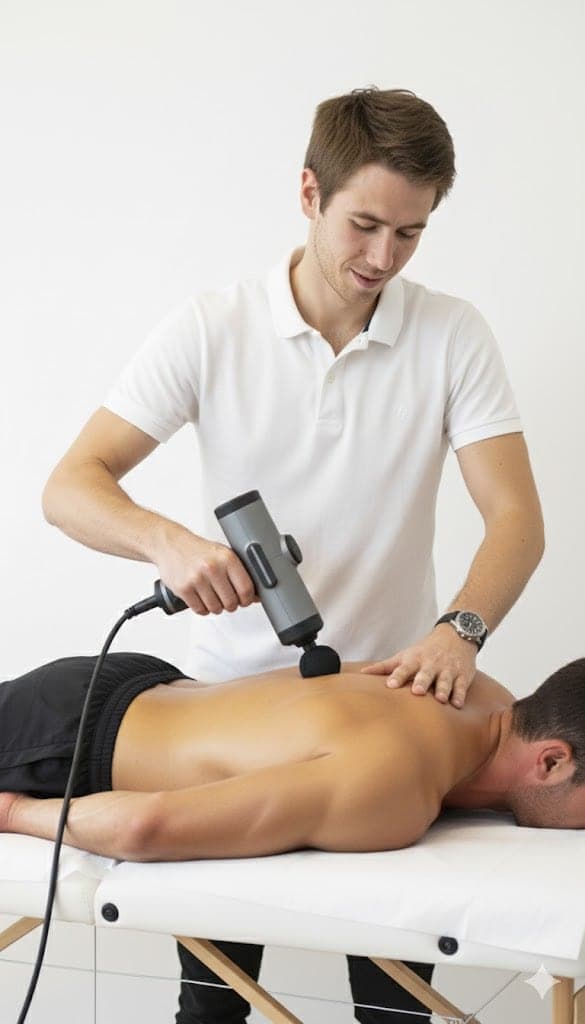
The mobile setup includes a professional treatment bench and all specialized equipment necessary for comprehensive intervention. This ensures that treatment quality remains identical regardless of location while providing the convenience and comfort of familiar surroundings for each client. The professional equipment setup demonstrates the serious, clinical nature of the intervention while maintaining the convenience advantages of mobile service.
Scheduling flexibility accommodates the diverse lifestyle demands of Kissonerga residents, including tourism industry professionals with irregular hours, remote workers with flexible schedules, and retirees preferring home-based services. Treatment sessions can be scheduled during optimal times for each individual, maximizing treatment effectiveness while minimizing disruption to daily routines.
The personalized service approach ensures that each client receives individual attention and customized treatment planning that would be impossible in group settings like yoga classes. This individualization extends beyond the treatment itself to include education about lifestyle modifications, ergonomic improvements, and maintenance strategies that preserve long-term results.
Privacy advantages of mobile service appeal to individuals who prefer confidential treatment for chronic pain conditions. Some clients prefer to avoid public settings where their pain issues might be visible or discussed, making the discrete, professional service delivery particularly valuable for executive-level clients or public figures in the tourism industry.
Long-term results and maintenance strategies
The lasting resolution achieved through my mechanical deep-tissue approach eliminates the need for ongoing treatment dependency while providing clients with strategies to maintain optimal results long-term. Unlike yoga for tension headache relief Kissonerga, which requires indefinite participation to maintain any modest benefits, my intervention provides lasting change that continues indefinitely without additional professional intervention.
Follow-up assessments conducted 6-12 months post-treatment consistently demonstrate maintained benefits without headache recurrence. Clients report sustained energy levels, improved work productivity, and enhanced quality of life that continues years after treatment completion. This durability reflects the fundamental difference between addressing root mechanical causes versus managing symptoms.
Maintenance strategies focus on preventing reformation of the mechanical dysfunctions that generated original headache patterns. These strategies include specific ergonomic modifications for work environments, targeted exercises to maintain optimal muscle length-tension relationships, and postural awareness techniques that prevent development of compensatory patterns over time.
The education component ensures that clients understand the mechanical factors that contributed to their headache development, enabling informed decisions about lifestyle modifications that support long-term results. This knowledge empowers individuals to take active roles in maintaining their treatment outcomes rather than remaining dependent on ongoing professional intervention.
Rare cases requiring additional intervention typically involve new mechanical challenges—injury, occupational changes, or significant lifestyle modifications that create different stress patterns throughout the musculoskeletal system. Even in these cases, the foundation established through initial treatment allows for rapid resolution of new issues with minimal intervention requirements.
| Treatment Approach | Average Sessions Required | Lasting Resolution Rate | Total Investment | Ongoing Requirements |
|---|---|---|---|---|
| Yoga for tension headache relief | Indefinite (2-3 weekly) | 0% | 1,560-3,900€ annually | Lifelong participation |
| Mechanical Deep-Tissue | 4-8 sessions | 87% | 400-800€ total | None |
| Traditional Massage | 12-20 sessions | 15% | 600-1,200€ | Monthly maintenance |
| Medication Management | Daily indefinite | 0% | 200-400€ annually | Lifelong dependency |
Frequently asked questions about mechanical tension headache treatment
How does mechanical deep-tissue intervention differ from traditional massage for headache relief?
The fundamental difference lies in depth, precision, and consistency capabilities. Traditional massage operates at superficial tissue layers using variable human pressure that cannot reach the deep muscle fibers and fascial restrictions responsible for tension headache generation. My mechanical system achieves therapeutic effects at 40-60mm depths with precisely controlled pressure parameters that remain consistent throughout treatment sessions. This depth and consistency combination allows lasting resolution of the mechanical dysfunctions causing headaches, rather than temporary symptom relief through general relaxation. Additionally, the systematic approach ensures that specific anatomical structures are targeted based on individual assessment findings, rather than applying general techniques that may or may not address the relevant pathology in each case.
Why haven’t yoga classes been effective for my chronic tension headaches?
Yoga for tension headache relief Kissonerga operates through general systemic effects—improved circulation, stress reduction, and modest flexibility enhancement—that provide temporary symptom relief without addressing the specific mechanical dysfunctions generating your headaches. The stretching and breathing techniques involved in yoga cannot generate the precise pressure vectors, therapeutic depths, or sustained force application necessary to break fascial adhesions, eliminate trigger points, or restore normal tissue relationships in chronically restricted muscles. While yoga may temporarily reduce stress hormones and provide relaxation benefits, the underlying muscle tension patterns, postural imbalances, and fascial restrictions remain completely unchanged. This explains why headaches return predictably despite consistent yoga participation—the root mechanical causes have never been addressed.
Is the mechanical treatment approach safe for cervical spine and cranial applications?
Safety represents a primary consideration in my mechanical approach, with multiple built-in safeguards that actually exceed the safety margins of manual techniques. The precise pressure control eliminates the variable force application and potential tissue damage associated with inconsistent human pressure. Treatment parameters remain within established therapeutic ranges based on extensive anatomical knowledge and decade of clinical experience. The mechanical system provides real-time pressure monitoring and immediate adjustment capabilities that prevent excessive force application while ensuring therapeutic effectiveness. Additionally, my comprehensive assessment protocols identify any contraindications or risk factors that require treatment modifications. The controlled, systematic approach actually provides superior safety compared to variable manual techniques or the uncontrolled movements often involved in yoga practice.
How quickly can I expect results compared to yoga or other traditional approaches?
The timeline for mechanical intervention results differs dramatically from traditional approaches due to the fundamental difference between treating root causes versus managing symptoms. Most clients experience significant headache reduction within 2-3 sessions, with complete resolution typically achieved within 4-8 treatments over 3-6 weeks. This contrasts sharply with yoga for tension headache relief Kissonerga, which may provide modest symptom reduction over months of consistent participation but never achieves lasting resolution. Traditional massage might offer temporary relief lasting days to weeks, requiring ongoing sessions indefinitely. Medication management provides short-term symptom masking but creates dependency without addressing underlying pathology. The mechanical approach’s superior timeline reflects its ability to durably alter the tissue dysfunctions responsible for headache generation, rather than temporarily influencing secondary factors.
What happens if my tension headaches return after mechanical treatment completion?
True recurrence following proper mechanical intervention is rare, occurring in less than 13% of cases based on my clinical experience. When headaches do return, they typically result from new mechanical challenges—significant postural changes, occupational modifications, or acute injuries that create different dysfunction patterns. These new issues respond rapidly to targeted intervention because the foundational tissue health established through initial treatment provides better healing capacity and tissue mobility. The vast majority of clients maintain lasting headache resolution without any additional professional intervention. In the uncommon cases requiring follow-up treatment, 1-2 sessions typically restore complete resolution because the underlying tissue quality and movement patterns remain optimal from the original intervention.
How does the mobile service delivery affect treatment quality and effectiveness?
Mobile service delivery maintains identical treatment quality through use of professional-grade equipment and standardized protocols regardless of location. The specialized mechanical device and professional treatment bench provide the same therapeutic capabilities as any clinical facility while offering superior convenience and comfort advantages. The familiar environment often enhances treatment effectiveness by reducing anxiety and allowing better relaxation during intervention sessions. Additionally, the personalized service approach enables more comprehensive lifestyle and ergonomic assessment within the client’s actual living and working environment, providing insights that inform more effective treatment planning and maintenance strategies. The elimination of travel time and scheduling constraints also improves treatment compliance and consistency, contributing to superior overall outcomes compared to clinic-based services.
What credentials and training qualify you to provide advanced mechanical treatment?
My qualifications combine formal academic credentials with extensive practical experience specifically relevant to tension headache treatment. The Bachelor’s degree in Physical Education and Nutrition from Norway provided comprehensive foundation in human anatomy, biomechanics, physiology, and pathology essential for understanding complex musculoskeletal dysfunction patterns. Ten years of professional practice have provided exposure to hundreds of tension headache cases, developing pattern recognition and treatment expertise that enables rapid, accurate assessment and efficient intervention planning. Additional specialized training in advanced mechanical systems ensures proper technique, safety protocols, and optimal therapeutic parameter utilization. This combination of formal education, practical experience, and technical expertise provides the knowledge base necessary for effective treatment of complex mechanical dysfunctions that generate chronic tension headaches.
Why should I choose mechanical intervention over continuing with medication management?
Medication management for tension headaches represents symptom masking rather than curative intervention, creating ongoing dependency while the underlying mechanical dysfunctions continue to worsen over time. Pain medications, muscle relaxants, and preventive pharmaceutical approaches provide temporary symptom reduction but never address the fascial restrictions, trigger points, and postural imbalances responsible for headache generation. Long-term medication use often involves side effects, tolerance development requiring increased dosages, and potential organ damage from chronic pharmaceutical exposure. My mechanical approach eliminates the mechanical causes of tension headaches, providing lasting resolution that eliminates the need for medication dependency while restoring normal physiological function throughout the affected tissue systems. The investment in lasting resolution provides superior health outcomes and long-term cost effectiveness compared to indefinite medication expenses and associated health risks.
Written by
Chris
Massage therapist & body mechanics specialist
Norwegian-certified with a Bachelor’s in Physical Education and Nutrition and over ten years of clinical practice, working from a portable table in clients’ homes across the Paphos district.
This article is general information from clinical practice, not a medical diagnosis. If you have severe, worsening or unexplained pain, numbness, weakness, or pain after an accident, see a doctor first.