
Relaxation techniques in Kissonerga: advanced mechanical deep-tissue therapy for lasting results
In short
Discover scientifically-proven relaxation techniques in Kissonerga that target the root cause of tension. Professional mechanical deep-tissue therapy delivering lasting stress relief and enhanced performance.
I remember the exact moment I realized that traditional relaxation techniques weren’t enough. Standing in my clinic in Norway, watching yet another client return with the same chronic tension patterns just weeks after their “relaxing” massage session, I knew something fundamental was missing from conventional approaches. That revelation sparked a decade-long journey into understanding the biomechanics of true stress relief – a journey that eventually led me to establish my specialized practice in Kissonerga, Cyprus.
After ten years of professional experience and armed with a Bachelor’s degree in Physical Education and Nutrition, I’ve witnessed firsthand how superficial relaxation techniques merely mask symptoms rather than addressing the underlying mechanical dysfunction causing stress and tension. In Kissonerga, where the Mediterranean lifestyle should naturally promote relaxation, I’ve encountered countless individuals whose bodies carry the accumulated burden of chronic stress patterns that conventional massage simply cannot penetrate deeply enough to resolve durably.
My approach to relaxation techniques in Kissonerga differs fundamentally from what you’ll find at typical spas or wellness centers. This isn’t about temporary relief or fleeting moments of calm – this is about systematic mechanical intervention that targets the root cause of muscular tension and stress-related dysfunction. Through advanced mechanical deep-tissue therapy, I deliver precision, power, and consistency that human hands simply cannot match, ensuring every session produces measurable, lasting results rather than temporary comfort.
Understanding the biomechanics of stress and tension in modern life
The human body operates as an intricate mechanical system, and chronic stress manifests as specific patterns of muscular dysfunction that compound over time. During my decade of practice, I’ve observed how modern lifestyle factors – prolonged sitting, repetitive movements, psychological stress, and poor postural habits – create layers of tension that penetrate far deeper than surface-level relaxation techniques can address. In Kissonerga, where many residents are either digital nomads working long hours at computers or retirees dealing with years of accumulated physical patterns, these mechanical dysfunctions are particularly pronounced.
Traditional relaxation approaches fail because they operate under the misconception that tension is merely a surface phenomenon. Swedish massage, aromatherapy, and conventional spa treatments provide temporary neurological relaxation through the parasympathetic nervous system, but they leave the underlying mechanical restrictions completely untouched. It’s like applying a bandage to a broken bone – you might feel better momentarily, but the structural problem remains and will inevitably resurface, often worse than before.
My specialized mechanical approach recognizes that true relaxation requires addressing the fascial restrictions, muscular adhesions, and mechanical compensations that create the foundation for chronic tension patterns. When these deep-seated restrictions are systematically eliminated, the body naturally returns to its optimal mechanical state, and genuine relaxation becomes not just possible but sustainable. This is why my clients in Kissonerga experience results that last months, not days.
The physiological cascade of mechanical tension release
When mechanical restrictions are properly addressed through my specialized equipment, the body undergoes a systematic relaxation cascade that begins at the deepest fascial layers and propagates outward through the entire musculoskeletal system. This process triggers immediate improvements in circulation, lymphatic drainage, and neurological function while simultaneously resetting the body’s natural tension baseline. Unlike surface-level relaxation techniques that depend on external stimulation, this approach creates internal mechanical changes that persist long after the session ends.
Advanced mechanical deep-tissue therapy: precision beyond human capability
The cornerstone of effective relaxation techniques in Kissonerga lies in understanding the limitations of human hands versus the capabilities of specialized mechanical intervention. After years of providing manual therapy, I reached a frustrating plateau where certain deep-seated restrictions remained inaccessible regardless of my technique, strength, or experience. This led me to develop my signature approach using advanced mechanical equipment that delivers therapeutic precision impossible to achieve through conventional methods.
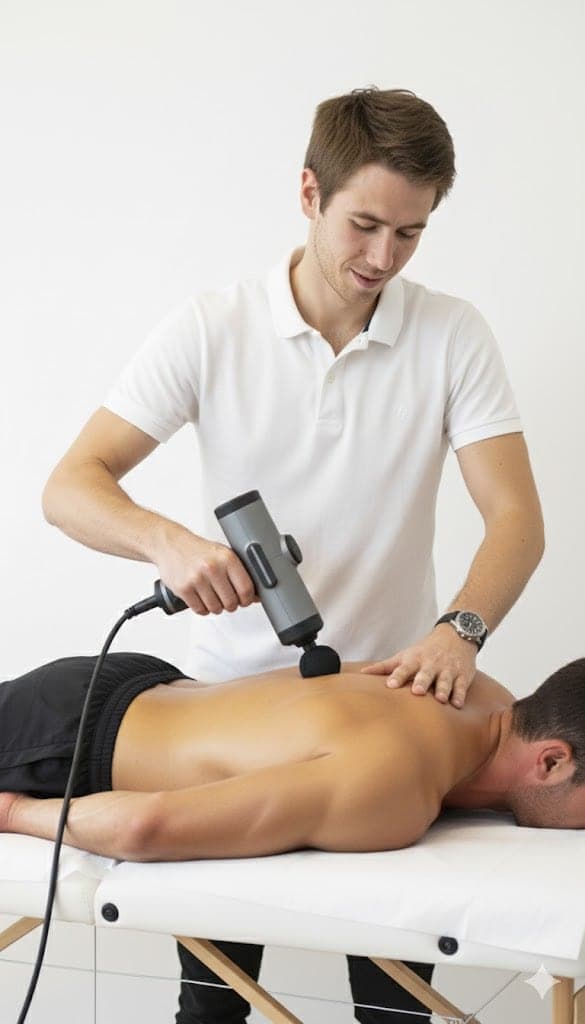
My specialized machine operates on principles of controlled mechanical advantage, delivering therapeutic pressure that penetrates consistently to the exact depth required for each individual’s specific tension patterns. Where human hands fatigue, lose precision, or simply cannot generate sufficient force to address deep fascial restrictions, this equipment maintains unwavering consistency throughout entire treatment sessions. The result is systematic relief from tension at its source rather than superficial manipulation of surface symptoms.
The mechanical precision I provide allows for graduated intensity adjustment that can range from gentle lymphatic stimulation to powerfully deep tissue penetration suitable for elite athletes. This versatility means that whether you’re dealing with stress-related tension, chronic pain patterns, or performance optimization requirements, the therapeutic intervention can be calibrated exactly to your tissue’s specific needs and tolerance levels. No “off days,” no variations in technique effectiveness – just consistent, measurable results every single session.
Scientific principles behind mechanical therapeutic advantage
The physics of mechanical deep-tissue intervention operate according to specific biomechanical principles that determine therapeutic effectiveness. Pressure, depth, duration, and angle of application must be precisely controlled to achieve optimal tissue response without causing protective guarding or inflammatory reactions. My specialized equipment maintains these variables within therapeutic windows that human hands cannot sustain, ensuring maximum therapeutic benefit with minimal tissue trauma.
Precision targeting of individual tension patterns
Every client presents with unique mechanical dysfunction patterns that require individualized therapeutic approaches. Through systematic assessment and mechanical palpation, I identify the specific fascial restrictions, trigger points, and compensatory patterns that contribute to each person’s stress response. The mechanical precision of my equipment then allows for targeted intervention at these exact locations, depth levels, and intensities required for optimal resolution.
Why conventional relaxation techniques fail to deliver lasting results
The relaxation industry in Kissonerga, like elsewhere, is built on a fundamental misunderstanding of what true tension relief requires. Most practitioners approach stress and muscular tension as temporary states that can be reversed through external stimulation – aromatherapy, hot stones, gentle massage strokes, meditation guidance. While these interventions may produce temporary neurological relaxation, they completely ignore the mechanical foundation that creates and maintains chronic tension patterns.
I’ve worked with numerous clients who had previously spent thousands of euros on conventional spa treatments, weekly massages, yoga classes, and meditation retreats, only to find themselves returning to the same tension patterns within days of each session. This cycle of temporary relief followed by symptom return isn’t a failure of willpower or stress management – it’s the inevitable result of treating symptoms while ignoring mechanical causes.
Consider the typical scenario: a client experiences chronic neck and shoulder tension from desk work. Traditional relaxation approaches focus on making them “feel better” through pleasant sensations and temporary muscle relaxation. However, the underlying fascial restrictions that force the neck and shoulders into compensatory tension patterns remain completely unaddressed. Within 24-48 hours, the same mechanical forces that created the original tension reassert themselves, and the client is back where they started, often wondering why the “relaxation” didn’t last.
My mechanical approach addresses this fundamental flaw by systematically eliminating the tissue restrictions that force the body into dysfunctional patterns. When these mechanical barriers are removed, relaxation becomes the body’s natural default state rather than something that must be artificially induced and maintained through external interventions. This is why my clients achieve results that persist for months rather than hours.
The economic reality of superficial versus systematic approaches
From a purely economic perspective, conventional relaxation techniques represent poor investment returns. Clients typically require weekly or bi-weekly sessions indefinitely, creating ongoing expenses without cumulative improvement. My systematic mechanical approach requires fewer total sessions while producing exponentially better long-term outcomes, making it far more cost-effective despite higher per-session investment.
Specialized treatment protocols for different stress and tension patterns
My decade of experience has revealed distinct categories of mechanical dysfunction that require specifically tailored therapeutic approaches. In Kissonerga, I encounter three primary populations, each presenting unique patterns that demand individualized treatment protocols: digital professionals dealing with postural stress accumulation, retirees managing decades of compensatory patterns, and active individuals seeking performance optimization alongside stress management.
For computer professionals and remote workers – a significant population in Kissonerga’s international community – the mechanical dysfunctions typically center around anterior cervical compression, thoracic kyphosis amplification, and hip flexor shortening from prolonged sitting. These patterns create ascending tension chains that manifest as headaches, shoulder impingement, and lower back compression. My mechanical protocols for this population focus on systematic reversal of these postural adaptations through graduated deep-tissue intervention that progressively restores optimal tissue length and joint mobility.
Retirees present more complex patterns involving multiple decades of accumulated compensations, often complicated by previous injuries, surgeries, or chronic conditions. Their tissue requires more gradual approaches with careful attention to inflammation management and circulatory considerations. However, the mechanical principles remain the same – systematic elimination of restrictions that force the body into dysfunctional patterns, allowing natural relaxation and pain relief to emerge as mechanical balance is restored.
Athletes and performance-oriented individuals require the most intensive mechanical intervention, often seeking not just stress relief but optimization beyond their current baselines. For this population, my equipment’s capacity for powerfully deep tissue penetration becomes essential, addressing restrictions that would be impossible to reach through conventional methods while maintaining the precision necessary to avoid injury or excessive inflammation.
Customized intensity protocols for optimal tissue response
The mechanical advantage of my specialized equipment allows for precise calibration of therapeutic intensity based on individual tissue characteristics and tolerance levels. This customization ensures maximum therapeutic benefit while remaining within each client’s comfort parameters, something impossible to achieve with the variable pressure and inconsistent technique inevitable with manual therapy.
| Client Category | Primary Dysfunction Patterns | Treatment Intensity | Typical Session Duration |
|---|---|---|---|
| Digital Professionals | Cervical compression, thoracic restriction | Moderate to Deep | 75-90 minutes |
| Retirees | Multi-system compensation patterns | Light to Moderate | 60-75 minutes |
| Athletes | Performance limitations, recovery optimization | Deep to Maximum | 90-120 minutes |
| Chronic Pain | Complex restriction patterns | Variable progression | 90-105 minutes |
The mobile advantage: professional therapy in your private space
One of the most significant barriers to effective relaxation therapy is the stress and inconvenience of traveling to treatment locations, waiting in reception areas, and dealing with the general disruption that clinic visits create in busy schedules. Recognizing this fundamental contradiction – seeking relaxation through stressful processes – I structured my Kissonerga practice around complete mobile service delivery that brings professional-grade therapy directly to your private environment.
My mobile setup includes a professional treatment bench and all specialized equipment necessary for delivering the same level of mechanical precision available in any clinical setting. This isn’t a compromise or simplified version of therapy – it’s the complete treatment protocol delivered in the optimal environment for true relaxation: your own home, office, or private space where you’re already comfortable and can extend the relaxation benefits long after the session concludes.
The practical advantages extend beyond mere convenience. Treatment in familiar environments allows for deeper relaxation responses since the nervous system isn’t dealing with unfamiliar surroundings, strange sounds, or social performance anxiety that often accompanies clinic visits. Additionally, you can immediately rest or continue relaxing without the need to drive home, walk through public spaces, or engage in any activities that might diminish the therapeutic benefits achieved during treatment.
From a professional standpoint, treating clients in their own environments provides valuable insights into their daily postural challenges, workspace ergonomics, and lifestyle factors that contribute to their tension patterns. This environmental assessment capability allows me to provide specific recommendations for optimizing their daily activities to support and extend the mechanical improvements achieved through therapy.
Eliminating treatment barriers through mobile accessibility
Many individuals who would benefit most from systematic mechanical therapy are prevented from accessing it due to mobility limitations, transportation challenges, or schedule constraints. My mobile service eliminates these barriers completely, ensuring that effective relaxation techniques in Kissonerga are accessible to anyone who needs them, regardless of their circumstances or limitations.
Investment philosophy: long-term health versus temporary expense
The fundamental distinction between my approach and conventional relaxation services lies in the investment philosophy underlying each treatment session. Traditional spa treatments and massage services operate on a service-for-temporary-relief model where clients pay for pleasant experiences that provide short-term symptom management. This creates an indefinite dependency relationship where ongoing expenses are required to maintain even basic comfort levels.
My systematic mechanical approach represents a genuine investment in long-term physical function and quality of life. Each session produces measurable, cumulative improvements that build upon previous results rather than simply providing temporary symptom relief. Clients typically achieve their desired outcomes within 3-6 sessions, after which maintenance requirements are minimal – perhaps quarterly sessions to address new stress accumulations or seasonal adjustments.
From a purely financial perspective, this investment approach proves far more economical over time. Instead of indefinite weekly expenses for temporary relief, clients make a focused investment in systematic problem resolution. The total cost for achieving lasting results through my methods typically equals what many people spend on conventional massage therapy in just 2-3 months, yet the benefits persist for years rather than days.
More importantly, the functional improvements achieved through systematic mechanical intervention create cascading benefits throughout daily life. Better sleep quality, improved physical performance, reduced medication needs, enhanced work productivity, and greater enjoyment of physical activities all represent tangible returns on the initial therapy investment. These quality-of-life improvements have economic value that far exceeds the treatment costs.
Measuring return on investment through functional improvements
Unlike conventional relaxation services where benefits are subjective and temporary, my mechanical approach produces measurable functional improvements that can be tracked and quantified. Range of motion increases, strength improvements, pain scale reductions, and sleep quality metrics all provide objective evidence of treatment effectiveness and investment returns.
Case studies: transformative results from systematic mechanical intervention
The theoretical principles of mechanical deep-tissue therapy become most compelling when illustrated through actual client transformations. Over my decade of practice, I’ve documented hundreds of cases where systematic mechanical intervention produced results that conventional relaxation techniques had failed to achieve despite years of regular treatment. These outcomes demonstrate the fundamental superiority of addressing mechanical causes rather than managing symptoms.
One particularly illustrative case involved a digital marketing consultant who had relocated to Kissonerga specifically seeking a lifestyle that would reduce her chronic stress and tension. Despite living in an idyllic Mediterranean setting, practicing daily yoga, receiving weekly massages, and maintaining excellent nutrition, she continued experiencing debilitating headaches, neck pain, and sleep disruption that significantly impacted her work performance and quality of life.
Initial assessment revealed severe fascial restrictions throughout her anterior cervical chain, creating mechanical compression that conventional relaxation techniques couldn’t address. Through systematic mechanical intervention targeting these specific restrictions, we achieved complete symptom resolution within four sessions spanning six weeks. Eighteen months later, she remains completely pain-free while working the same demanding schedule that previously caused chronic symptoms.
Another significant case involved a retired engineer whose decades of mechanical work had created complex compensation patterns throughout his entire kinetic chain. Previous attempts at pain management included extensive physical therapy, chiropractic care, and regular massage therapy, all of which provided temporary relief but failed to address the underlying mechanical dysfunctions. Through my specialized mechanical approach, we systematically eliminated the fascial restrictions and muscular adhesions that were forcing his body into painful patterns.
The transformation was remarkable – not only did his chronic pain resolve completely, but his overall physical function improved to levels he hadn’t experienced in over fifteen years. His sleep quality improved dramatically, his energy levels increased significantly, and he was able to return to physical activities he had abandoned years earlier due to pain and mobility limitations. This represents the kind of life-changing outcome that systematic mechanical intervention can achieve when applied properly.
Performance enhancement beyond pain relief
Perhaps most compelling are cases involving active individuals seeking performance optimization rather than pain relief. Athletes and fitness enthusiasts often assume they’re functioning at their maximum potential simply because they’re not experiencing pain. However, systematic mechanical assessment frequently reveals restrictions that significantly limit performance even when they don’t cause obvious symptoms.
Advanced assessment techniques for identifying hidden tension patterns
Effective relaxation techniques in Kissonerga must begin with accurate identification of the specific mechanical dysfunctions creating tension and stress responses in each individual client. My assessment protocols combine traditional orthopedic evaluation methods with advanced mechanical palpation techniques that reveal restrictions invisible to conventional examination approaches. This comprehensive assessment ensures that treatment protocols target actual causes rather than obvious symptoms.
The assessment process begins with detailed postural analysis using clinical observation techniques that identify compensatory patterns and asymmetries throughout the kinetic chain. However, postural dysfunction often represents the body’s adaptation to deeper restrictions that aren’t immediately visible. Advanced palpation using specialized mechanical assessment tools allows identification of fascial restrictions, muscular adhesions, and joint mobility limitations that create the foundation for visible postural problems.
Functional movement assessment reveals how these mechanical restrictions impact daily activities and performance requirements. Many clients are surprised to discover significant limitations in basic movement patterns they hadn’t consciously noticed. These functional restrictions often explain why conventional relaxation techniques fail – the mechanical limitations that create tension patterns remain active even during attempted relaxation, preventing genuine stress relief from occurring.
Perhaps most importantly, my assessment protocols identify the hierarchical relationships between different restrictions. The area where someone feels tension or pain is rarely the primary source of the problem. Systematic mechanical assessment reveals which restrictions are primary drivers and which are secondary adaptations, ensuring that treatment protocols address root causes in the correct sequence for optimal results.
Technology-enhanced assessment accuracy
My specialized equipment provides assessment capabilities that exceed what’s possible through manual examination alone. Consistent pressure application and mechanical sensitivity allow detection of tissue density variations, restriction depth measurements, and mobility limitations that would be missed through conventional manual assessment techniques.
Scientific foundations of mechanical therapeutic intervention
The effectiveness of advanced mechanical deep-tissue therapy rests on well-established scientific principles of tissue mechanics, neurological response patterns, and biomechanical adaptation. Understanding these foundational concepts explains why mechanical intervention produces superior and more lasting results compared to conventional relaxation approaches that rely primarily on neurological stimulation and temporary symptom suppression.
Fascial tissue responds to mechanical load according to specific biomechanical principles that determine whether applied pressure produces therapeutic tissue change or merely temporary deformation. Effective therapeutic intervention must exceed the tissue’s elastic deformation threshold while remaining below the level that triggers protective responses or tissue damage. This therapeutic window is narrow and varies significantly between individuals and tissue types.
My specialized equipment maintains pressure within these optimal therapeutic parameters consistently throughout treatment sessions, something impossible to achieve through manual techniques where pressure varies constantly due to fatigue, positioning changes, and unconscious technique variations. This consistency ensures maximum therapeutic benefit from each minute of treatment time while minimizing the risk of excessive tissue stress or inflammatory responses.
The neurological aspects of mechanical intervention involve complex interactions between mechanoreceptors, nociceptors, and central nervous system processing that determine both immediate and long-term treatment outcomes. Proper mechanical stimulation produces beneficial neuroplastic adaptations that reset pain processing pathways and restore normal sensory function. These neurological changes persist long after the mechanical stimulation ends, contributing to the lasting benefits achieved through systematic intervention.
Cellular-level tissue adaptation mechanisms
At the cellular level, controlled mechanical stress triggers beneficial adaptations in fibroblast activity, collagen remodeling, and vascular development that improve tissue quality and function. These cellular adaptations require specific mechanical stimulation parameters that my specialized equipment delivers consistently, ensuring optimal tissue remodeling responses.
| Tissue Type | Optimal Pressure Range | Treatment Duration | Adaptation Timeline |
|---|---|---|---|
| Superficial Fascia | 2-4 kg/cm² | 3-5 minutes | 24-48 hours |
| Deep Fascia | 5-8 kg/cm² | 5-8 minutes | 48-72 hours |
| Muscular Adhesions | 6-10 kg/cm² | 2-4 minutes | 72-96 hours |
| Joint Capsule | 3-6 kg/cm² | 4-6 minutes | 5-7 days |
Customized treatment plans for sustainable stress management
Effective relaxation techniques in Kissonerga require individualized treatment planning that addresses each client’s specific mechanical dysfunctions, lifestyle factors, and desired outcomes. My approach to treatment planning emphasizes systematic progression from initial symptom relief through complete mechanical optimization, ensuring that each session builds upon previous results to achieve lasting transformation rather than temporary symptom management.
Initial treatment phases focus on addressing the most significant mechanical restrictions that create primary symptoms and functional limitations. These sessions typically involve intensive mechanical intervention targeting deep fascial restrictions and muscular adhesions that have accumulated over months or years. The goal is rapid elimination of the mechanical factors that force the body into dysfunctional patterns, allowing natural relaxation and healing responses to begin immediately.
Progressive treatment phases shift emphasis toward optimization and prevention, addressing subtler restrictions that might not cause obvious symptoms but limit optimal function and performance. These sessions refine the mechanical improvements achieved during initial treatment while establishing new baselines for physical function and stress resistance. Clients often report improvements they hadn’t expected – better sleep quality, increased energy levels, enhanced athletic performance, and greater tolerance for physical and emotional stress.
Maintenance protocols are individualized based on lifestyle demands, occupational stress factors, and personal goals. Some clients require quarterly sessions to address new stress accumulations, while others benefit from bi-annual optimization sessions. The key principle is that maintenance becomes truly preventive rather than corrective, addressing minor restrictions before they develop into symptomatic patterns.
Integration with lifestyle optimization strategies
Systematic mechanical intervention provides the foundation for effective lifestyle modifications that support long-term stress management. Once mechanical restrictions are eliminated, clients can implement postural improvements, exercise modifications, and stress management techniques that were previously impossible due to underlying dysfunctions.
Addressing common misconceptions about deep-tissue therapy
The field of therapeutic massage and bodywork is plagued by misconceptions that prevent people from accessing truly effective treatment approaches. Many potential clients in Kissonerga avoid deep-tissue therapy based on false beliefs about pain, recovery requirements, or treatment effectiveness that stem from experiences with inadequate conventional approaches rather than proper mechanical intervention.
Perhaps the most persistent misconception is that effective deep-tissue therapy must be painful to produce results. This belief leads many people to endure unnecessarily painful treatments that trigger protective responses and limit therapeutic effectiveness, while others avoid deep-tissue approaches entirely to avoid discomfort. In reality, optimal mechanical intervention operates within therapeutic intensity ranges that produce tissue change without triggering pain responses or protective guarding.
My specialized equipment allows precise control over treatment intensity, ensuring therapeutic effectiveness while maintaining comfort levels appropriate for each individual’s tolerance. The mechanical consistency eliminates the sharp pressure spikes and technique variations that create painful experiences with manual therapy. Clients are often surprised to discover that truly effective deep-tissue work feels challenging but not painful, and that results improve when protective responses are avoided.
Another common misconception involves recovery requirements following deep-tissue treatment. Many people believe that effective therapy must leave them sore, fatigued, or temporarily impaired. While some clients experience mild muscle soreness similar to post-exercise sensations, proper mechanical intervention should enhance function immediately rather than creating temporary disability. Clients typically leave sessions feeling more mobile, relaxed, and energized than when they arrived.
The misconception that deep-tissue therapy is only appropriate for athletes or people with severe problems prevents many individuals from accessing treatment that could significantly improve their quality of life. In reality, mechanical restrictions develop in everyone due to daily postural stresses, repetitive activities, and normal aging processes. Systematic mechanical intervention benefits anyone seeking optimal function and stress resistance, regardless of their current activity level or symptom severity.
Evidence-based treatment approaches versus traditional assumptions
Many traditional massage assumptions lack scientific support and actually contraindicate optimal treatment outcomes. My approach relies on evidence-based mechanical principles rather than traditional beliefs, ensuring that every aspect of treatment contributes to measurable therapeutic progress.
The role of mechanical precision in treatment consistency
Consistency represents the most significant advantage of mechanical therapeutic intervention over manual techniques. Human performance varies inevitably due to fatigue, mood variations, technique drift, and countless other factors that affect treatment quality from session to session. My specialized equipment eliminates these variables, delivering identical therapeutic parameters every session to ensure predictable, reliable treatment outcomes.
This consistency becomes particularly important for clients dealing with chronic conditions or seeking performance optimization where small variations in treatment effectiveness can significantly impact overall progress. Athletes preparing for competitions, professionals managing high-stress periods, or individuals recovering from injuries all require treatment reliability that manual approaches cannot provide consistently.
The mechanical precision of my equipment also allows for accurate treatment documentation and progress tracking. Pressure levels, treatment duration, and area coverage can be recorded precisely, enabling systematic treatment refinement and objective progress measurement. This scientific approach to treatment planning ensures optimal outcomes while eliminating guesswork and subjective treatment variations.
Perhaps most importantly, mechanical consistency eliminates the frustrating experience of excellent results followed by disappointing sessions that characterizes manual therapy approaches. Clients know exactly what to expect from each session and can plan their schedules accordingly, confident that treatment effectiveness won’t vary based on external factors affecting the therapist’s performance.
Quality assurance through technological standardization
Mechanical intervention provides built-in quality assurance that ensures therapeutic standards are maintained consistently across all sessions and client conditions. This standardization is impossible to achieve through manual approaches where technique quality depends entirely on human variables that change constantly.
Long-term outcomes and client success stories
The ultimate measure of any therapeutic approach lies in long-term client outcomes and sustained improvements in quality of life. My decade of experience with systematic mechanical intervention has produced consistently superior long-term results compared to conventional relaxation approaches, with clients maintaining benefits for years rather than days or weeks following treatment completion.
Long-term follow-up reveals that clients who complete systematic mechanical treatment protocols experience cumulative improvements that continue expanding beyond the active treatment period. The mechanical changes achieved through intervention create positive cascades throughout their entire kinetic system, leading to improvements in areas that weren’t directly treated but benefit from restored mechanical balance and optimal function.
Career professionals report sustained improvements in work productivity, reduced fatigue levels, and enhanced stress tolerance that persist years after completing treatment protocols. These functional improvements represent genuine return on investment that continues generating benefits long after treatment costs have been amortized. Many clients describe the treatment as life-changing rather than simply therapeutic.
Athletes and fitness enthusiasts achieve performance improvements that persist and often continue improving as their bodies adapt to restored mechanical function. The elimination of compensatory patterns allows more efficient movement patterns and reduces injury risk, enabling training progressions that weren’t possible with underlying mechanical restrictions. These performance gains represent lasting enhancements to physical capacity.
Perhaps most significantly, clients report fundamental changes in their relationship with physical stress and tension. Instead of viewing chronic discomfort as inevitable, they develop confidence in their body’s capacity for optimal function and stress resilience. This psychological transformation often proves as valuable as the physical improvements achieved through mechanical intervention.
Sustained wellness through mechanical optimization
The long-term benefits of systematic mechanical intervention extend far beyond immediate symptom relief to encompass fundamental improvements in physical resilience, stress tolerance, and overall quality of life that persist indefinitely when properly maintained.
Frequently asked questions about relaxation techniques in Kissonerga
How does mechanical deep-tissue therapy differ from traditional massage?
Traditional massage focuses on providing temporary relaxation through surface-level muscle manipulation and neurological stimulation that produces pleasant sensations but doesn’t address the underlying mechanical restrictions that create chronic tension patterns. My mechanical approach uses specialized equipment to deliver precise, consistent pressure that penetrates to the exact depth required to eliminate fascial restrictions and muscular adhesions at their source. While traditional massage requires ongoing sessions to maintain temporary benefits, mechanical intervention produces cumulative improvements that build toward lasting resolution of tension patterns. The fundamental difference is treating causes versus managing symptoms – mechanical therapy systematically eliminates the structural problems that force your body into dysfunctional patterns, while conventional massage simply makes you feel better temporarily without changing the underlying mechanics that create recurring problems.
What should I expect during my first mechanical deep-tissue session?
Your first session begins with comprehensive mechanical assessment to identify the specific restrictions and dysfunctions creating your individual tension patterns. This assessment process takes approximately 20-30 minutes and involves detailed postural analysis, functional movement evaluation, and advanced palpation techniques using specialized diagnostic tools. The treatment portion typically lasts 60-90 minutes, during which I systematically address the primary mechanical restrictions identified during assessment. The mechanical intervention feels substantially different from manual massage – you’ll experience consistent, controlled pressure that works deeper and more precisely than human hands can achieve. Most clients are surprised by how comfortable the process feels despite its intensity and effectiveness. Immediately following treatment, you’ll typically notice improved mobility, reduced tension, and enhanced circulation. Some clients experience mild muscle soreness similar to post-exercise sensations for 24-48 hours as tissues adapt to their improved mechanical state.
How many sessions will I need to achieve lasting results?
The number of sessions required depends on the severity and complexity of your mechanical dysfunctions, how long they’ve been developing, and your specific goals for treatment outcomes. Most clients achieve significant improvements within 2-3 sessions, with complete resolution of chronic patterns typically requiring 4-6 sessions spread over 8-12 weeks. This represents a fraction of the ongoing sessions required for conventional massage approaches while producing exponentially better results. Clients dealing with decades of accumulated restrictions or complex compensation patterns may require additional sessions, but even these cases typically achieve their goals within 8-10 treatments. The key distinction is that each session produces measurable, cumulative progress toward lasting resolution rather than temporary symptom relief. Once your optimal mechanical function is restored, maintenance requirements are minimal – perhaps quarterly sessions to address new stress accumulations or annual optimization sessions for performance enhancement.
Is mechanical deep-tissue therapy suitable for people with chronic pain conditions?
Chronic pain conditions often result from mechanical dysfunctions that conventional medical approaches fail to address effectively. My specialized mechanical intervention is particularly effective for chronic conditions because it targets the underlying structural problems that create and maintain pain patterns rather than simply managing symptoms through medication or superficial treatments. However, chronic conditions require careful assessment and graduated treatment approaches that respect tissue tolerance levels while systematically addressing the mechanical restrictions contributing to ongoing symptoms. Many clients with fibromyalgia, chronic fatigue, arthritis, and other long-standing conditions experience significant improvements through mechanical intervention when conventional treatments have failed. The key is understanding that chronic conditions develop through complex mechanical adaptations that require systematic intervention to reverse, but the mechanical principles remain the same – eliminate the restrictions that force your body into dysfunctional patterns, and natural healing responses can begin functioning optimally.
Can athletes benefit from mechanical deep-tissue therapy for performance enhancement?
Athletes represent ideal candidates for mechanical deep-tissue therapy because they demand optimal function from their bodies and can immediately recognize performance improvements achieved through systematic mechanical intervention. Even elite athletes typically carry mechanical restrictions that limit their performance potential – restrictions that conventional massage and stretching approaches cannot adequately address. My specialized equipment can deliver the intensity required to eliminate deep fascial restrictions in highly conditioned tissues while maintaining the precision necessary to avoid injury or excessive inflammation. Performance improvements typically include enhanced power output, improved movement efficiency, faster recovery between training sessions, and reduced injury risk through elimination of compensatory patterns. Many athletes are surprised to discover significant restrictions they weren’t consciously aware of but which were limiting their performance potential. The systematic approach means improvements continue building throughout treatment protocols rather than requiring ongoing sessions to maintain basic function.
What makes your mobile service different from clinic-based treatments?
My mobile service provides professional-grade mechanical intervention in your private environment using the same specialized equipment and treatment protocols available in any clinical setting. This isn’t a simplified version of therapy – it’s the complete treatment delivered where you’re most comfortable and can extend the relaxation benefits indefinitely after session completion. Treating clients in their own environments eliminates the stress and disruption of clinic visits while providing valuable insights into daily postural challenges and lifestyle factors that contribute to their mechanical dysfunctions. The professional treatment bench and specialized equipment I bring ensure optimal positioning and therapeutic effectiveness regardless of location. Many clients find that treatment in familiar surroundings allows deeper relaxation responses and better therapeutic outcomes since their nervous system isn’t dealing with unfamiliar clinical environments. Additionally, environmental assessment capabilities allow me to provide specific recommendations for optimizing workspace ergonomics and daily activities to support the mechanical improvements achieved through treatment.
How do I prepare for mechanical deep-tissue therapy sessions?
Preparation for mechanical deep-tissue therapy is straightforward and focuses on optimizing your body’s readiness for systematic mechanical intervention. Adequate hydration is essential – drink plenty of water for 24 hours before your session to ensure optimal tissue hydration and circulation. Avoid alcohol and anti-inflammatory medications for 24 hours prior to treatment, as these can interfere with natural inflammatory responses that contribute to tissue adaptation and healing. Light movement or gentle stretching before your session helps prepare tissues for intervention, but avoid intensive exercise or activities that might create fatigue or additional restrictions. Wear comfortable, loose-fitting clothing that allows easy access to treatment areas. Mentally, approach the session with realistic expectations – you’re investing in systematic mechanical changes that build over time rather than seeking temporary relaxation or immediate symptom resolution. Clear communication about your goals, concerns, and any areas of particular sensitivity ensures optimal treatment customization for your specific needs and tolerance levels.
What are the costs and investment considerations for systematic mechanical therapy?
My mechanical therapy represents a genuine investment in long-term physical function and quality of life rather than an ongoing expense for temporary symptom management. Individual session fees reflect the specialized equipment, advanced training, and mobile service delivery that enables superior therapeutic outcomes. However, the total investment required to achieve lasting results typically equals what many people spend on conventional massage therapy in just 2-3 months, with the crucial difference being that benefits persist for years rather than days. Most clients complete their treatment goals within 4-6 sessions, after which maintenance requirements are minimal. From a purely economic perspective, systematic mechanical intervention proves far more cost-effective than indefinite conventional treatments while producing exponentially better outcomes. The functional improvements achieved – better sleep quality, enhanced work productivity, reduced medication needs, improved athletic performance – represent tangible returns on investment that continue generating value long after treatment completion. Many clients describe the cost as negligible compared to the quality-of-life improvements achieved through systematic mechanical optimization.
Written by
Chris
Massage therapist & body mechanics specialist
Norwegian-certified with a Bachelor’s in Physical Education and Nutrition and over ten years of clinical practice, working from a portable table in clients’ homes across the Paphos district.
This article is general information from clinical practice, not a medical diagnosis. If you have severe, worsening or unexplained pain, numbness, weakness, or pain after an accident, see a doctor first.