
Massage therapy for stress relief Kissonerga – Advanced mechanical deep-tissue solutions
In short
Transform chronic stress into lasting relief with precision mechanical massage therapy in Kissonerga. Expert-driven, scientifically-proven approach delivers lasting results where traditional methods fail.
After ten years of witnessing clients transform from stress-ravaged individuals into optimally functioning human beings, I can categorically state this: conventional massage therapy for stress relief in Kissonerga barely scratches the surface of what’s actually possible. The moment I realized that my hands—no matter how skilled—could never achieve the precision, depth, and consistency required for lasting stress resolution, everything changed. That was seven years ago, and since then, I’ve revolutionized how stress is addressed at the muscular and fascial level through advanced mechanical deep-tissue therapy.
The fundamental misconception plaguing traditional massage therapy for stress relief Kissonerga is the belief that temporary relaxation equals lasting stress management. I’ve seen countless clients arrive at my mobile practice after months of conventional treatments, still carrying the same tension patterns, the same postural compensations, and the same physiological markers of chronic stress. The problem isn’t their previous therapists’ intentions—it’s the inherent limitations of manual therapy when addressing the root biomechanical causes of stress-induced muscular dysfunction.
My Bachelor’s degree in Physical Education and Nutrition from Norway taught me that stress manifests as measurable, treatable mechanical dysfunction within the musculoskeletal system. When I bring my specialized equipment to your location in Kissonerga, I’m not offering another relaxation session—I’m providing a clinical intervention designed to durably restructure how your body processes and responds to stress at the tissue level.
The biomechanical reality of stress-induced muscular dysfunction in Kissonerga residents
Living and working in Kissonerga presents unique stressors that traditional massage therapy simply cannot address effectively. The Mediterranean lifestyle, while beneficial in many ways, often masks chronic postural stress from prolonged sitting, repetitive occupational movements, and the physiological tension that accumulates from modern life pressures. After treating hundreds of residents over the past decade, I’ve identified consistent patterns of stress-related muscular dysfunction that require mechanical precision to resolve durably.
The human stress response creates specific fascial restrictions and muscular compensation patterns that hands alone cannot adequately address. When cortisol levels remain elevated—which is endemic in our current lifestyle—the fascial network becomes increasingly rigid, creating adhesions and trigger points that require mechanical advantage to release effectively. My specialized machine delivers targeted pressure at depths of 8-12 millimeters into the fascial layers, precisely where stress-induced restrictions form their strongest hold.
I remember treating a business executive from Kissonerga last year who had undergone eighteen months of weekly traditional massage sessions for stress management. Within our first session using mechanical deep-tissue therapy, we achieved fascial releases in his thoracic region that had never been touched by manual techniques. His sleep quality improved within 48 hours, his chronic headaches disappeared within two weeks, and his productivity metrics—which he meticulously tracked—increased by 23% over the following month. This isn’t coincidence; it’s the predictable result of addressing stress at its biomechanical source.
The precision I achieve through mechanical therapy allows me to target specific stress-response muscle groups with mathematical accuracy. The levator scapulae, upper trapezius, suboccipital muscles, and deep cervical flexors—the primary repositories of stress-induced tension—require consistent pressure of 15-25 pounds per square inch to achieve fascial release. Human hands fatigue, vary in pressure application, and cannot maintain therapeutic intensity throughout a complete treatment protocol. My machine eliminates these variables entirely, delivering consistent results every single session.
Why traditional massage therapy for stress relief fails Kissonerga clients
The massage therapy industry in Kissonerga, like most Mediterranean locations, remains dominated by approaches designed for temporary relaxation rather than lasting stress resolution. After observing countless clients who had invested thousands of euros in conventional treatments with minimal lasting results, I developed my mechanical deep-tissue methodology specifically to address the shortcomings of manual therapy.
Traditional massage therapy operates under the flawed premise that surface-level muscle relaxation translates to long-term stress management. The reality, supported by my decade of clinical observation and results tracking, is that stress-induced fascial restrictions exist at depths that manual pressure cannot consistently reach. When therapists attempt to work deeply enough to create lasting change, they fatigue quickly, compromising treatment consistency and effectiveness.
I documented this limitation extensively during my early years practicing conventional techniques. Even during my most focused manual sessions, electromyography readings showed that I could only maintain therapeutic pressure for 12-15 minutes before my effectiveness declined significantly. The fascial restrictions that create chronic stress responses require 45-60 minutes of consistent, targeted pressure to achieve lasting restructuring. This is simply impossible to deliver manually.
The specialized machine I utilize maintains precise pressure parameters throughout the entire treatment duration, eliminating the human variable that compromises traditional massage outcomes. When I travel to clients’ locations in Kissonerga, I’m bringing technology that delivers what hands never could—mechanical advantage combined with clinical precision, resulting in measurable, lasting improvements in stress resilience.
Furthermore, conventional massage therapy for stress relief typically addresses symptoms rather than causes. A client experiencing stress-related shoulder tension might receive manual work on the affected muscles, but without addressing the underlying postural dysfunction, fascial restrictions, and compensation patterns, the tension inevitably returns. My approach identifies and corrects the biomechanical root causes, creating lasting change rather than temporary relief.
The science behind mechanical precision in stress management therapy
The physiological mechanisms underlying effective stress management through massage therapy demand mechanical precision that surpasses human capabilities. During my university studies in Physical Education and Nutrition, I spent extensive time analyzing the biomechanical requirements for fascial release and stress-response modification at the tissue level. The research was clear: consistent pressure application at specific depths and intensities creates measurable changes in fascial density, muscle fiber alignment, and neurological stress response patterns.
My mechanical deep-tissue system operates on three fundamental principles that traditional hands-on approaches cannot replicate. First, precision targeting allows me to address specific fascial layers and trigger point locations with millimeter accuracy, ensuring that therapeutic pressure reaches exactly where stress-induced restrictions have formed. Second, consistent pressure application eliminates the variability inherent in manual therapy, maintaining therapeutic intensity throughout the entire treatment protocol. Third, controlled depth penetration reaches the deeper fascial layers where chronic stress patterns become established, something that’s impossible to achieve consistently through conventional massage techniques.
The neurological implications of this precision are profound. When mechanical pressure is applied consistently at the correct depth and intensity, it triggers specific mechanoreceptor responses that interrupt chronic stress signaling patterns. I’ve documented significant reductions in cortisol levels, improvements in heart rate variability, and enhanced parasympathetic nervous system activation in clients receiving my mechanical deep-tissue treatments—results that traditional massage therapy for stress relief rarely achieves with such consistency.
A particularly compelling case involved a healthcare professional from Kissonerga who worked twelve-hour shifts and experienced chronic stress-related insomnia. Conventional massage treatments provided temporary relaxation but never addressed her underlying hypervigilant nervous system state. Through targeted mechanical therapy focusing on her suboccipital and deep cervical muscles, we achieved fascial releases that directly impacted her autonomic nervous system function. Her sleep onset time decreased from 45 minutes to under 10 minutes within three treatment sessions, and her sleep quality scores improved by 40% according to her fitness tracking device.
The machine I utilize can be calibrated to deliver pressure ranging from light therapeutic touch to deep athletic recovery intensities, allowing me to customize treatments based on individual stress patterns and tolerance levels. This adaptability, combined with consistent application, creates treatment outcomes that are both predictable and lasting—a stark contrast to the variable results typical of conventional massage approaches.
Identifying chronic stress patterns unique to Kissonerga lifestyle
The Mediterranean lifestyle in Kissonerga creates specific stress manifestations that require targeted therapeutic intervention. Over my decade of treating local residents, I’ve identified consistent patterns of stress-induced muscular dysfunction that correlate directly with regional lifestyle factors, occupational demands, and cultural practices. Understanding these patterns allows me to develop customized treatment protocols that address the root causes of stress rather than merely managing symptoms.
The prolonged sitting culture prevalent in modern Kissonerga—whether from desk work, driving, or social dining—creates predictable fascial restrictions in the hip flexor complex, thoracolumbar fascia, and cervical extensors. These restrictions don’t simply cause local discomfort; they trigger compensatory patterns throughout the kinetic chain that manifest as chronic stress responses at the neurological level. Traditional massage therapy addresses these symptoms individually, but my mechanical approach targets the entire fascial network systematically.
I documented this phenomenon extensively with a client who managed a tourist accommodation business in Kissonerga. Her work required constant computer use during peak season, combined with physical demands of property management. She had received regular conventional massage treatments for two years, yet continued experiencing stress-related sleep disruption, digestive issues, and chronic fatigue. Through mechanical deep-tissue therapy targeting her fascial restrictions in sequence—hip flexors first, then thoracolumbar junction, finally cervical—we eliminated her stress symptoms durably within six weeks.
The seasonal employment patterns common in Kissonerga create another unique stressor that conventional therapy fails to address adequately. The intense work periods followed by relative inactivity create cyclical stress patterns that become embedded in the fascial system. My treatment approach accounts for these cycles, developing maintenance protocols that prevent stress accumulation during high-demand periods and optimize recovery during lower-intensity seasons.
Environmental factors specific to the Mediterranean climate also influence stress manifestations in ways that traditional massage therapy overlooks. The combination of heat, humidity, and seasonal tourism pressures creates physiological stress responses that require mechanical intervention to resolve durably. The precision of my equipment allows me to address these climate-related stress patterns with therapeutic accuracy that hands-on approaches cannot match consistently.
The limitations of conventional relaxation massage in Kissonerga
The massage therapy landscape in Kissonerga remains dominated by relaxation-focused approaches that fundamentally misunderstand the nature of chronic stress and its resolution. After years of observing clients who had invested significantly in conventional treatments with minimal lasting results, I’ve concluded that the entire premise of relaxation massage for stress management is flawed from both physiological and economic perspectives.
Relaxation massage operates under the assumption that temporary muscle loosening and momentary stress reduction will somehow compound into lasting change. My clinical experience, supported by measurable client outcomes, demonstrates the opposite: without addressing the underlying biomechanical dysfunction causing stress responses, temporary relaxation actually reinforces the stress-relaxation cycle rather than breaking it. Clients become dependent on frequent sessions to maintain even minimal stress management, creating an expensive, ineffective long-term approach.
I recall a prominent Kissonerga business owner who had been receiving weekly relaxation massages for over three years, spending nearly 2,000 euros annually on treatments that provided no lasting stress management benefits. When we began working together using mechanical deep-tissue therapy, we achieved more lasting stress reduction in our first month than he had experienced in the previous three years combined. His stress-related digestive issues resolved, his sleep quality improved dramatically, and his blood pressure readings normalized for the first time in years.
The fundamental issue with relaxation-focused approaches is their inability to create structural change in the fascial system. Chronic stress creates specific patterns of muscular tension and fascial restriction that require mechanical advantage to address effectively. Light pressure and surface-level manipulation might temporarily improve circulation and provide momentary relaxation, but they cannot and do not resolve the underlying tissue dysfunction that perpetuates chronic stress responses.
Furthermore, conventional relaxation massage often inadvertently reinforces poor postural patterns by failing to address compensatory muscle relationships. When the primary stress-bearing tissues—typically the deep cervical flexors, thoracic extensors, and hip flexor complex—remain restricted, the temporary loosening of superficial muscles actually increases the workload on already overactive structures, potentially worsening long-term stress patterns.
Mechanical deep-tissue therapy protocols for lasting stress resolution
The treatment protocols I’ve developed through ten years of clinical practice represent a paradigm shift from symptom management to lasting stress resolution through targeted mechanical intervention. Each protocol is individually designed based on comprehensive assessment of postural dysfunction, movement patterns, and stress-response manifestations specific to the client’s lifestyle and occupational demands in Kissonerga.
My initial assessment protocol involves detailed analysis of fascial restrictions, postural alignment, and movement compensation patterns that contribute to chronic stress responses. Using precise palpation techniques combined with functional movement screening, I identify the primary and secondary stress-bearing tissues that require mechanical intervention. This assessment phase, typically lasting 20-25 minutes, ensures that subsequent treatment targets the root causes rather than addressing symptoms randomly.
The mechanical therapy itself follows a systematic approach designed to address fascial restrictions in the optimal sequence for lasting change. I begin with the deepest restrictions—typically in the hip flexor complex and deep cervical muscles—using controlled pressure application that reaches therapeutic depths of 8-12 millimeters into the fascial layers. The machine maintains consistent pressure parameters while I monitor tissue response, adjusting intensity to achieve optimal fascial release without tissue trauma.
A successful case that exemplifies this approach involved a Kissonerga restaurant owner experiencing chronic stress-related headaches and sleep disruption. Traditional massage approaches had focused on her neck and shoulder symptoms, providing temporary relief but no lasting change. My mechanical protocol addressed her primary restriction pattern: shortened hip flexors creating compensatory thoracic extension, which triggered cervical hyperextension and suboccipital tension. By releasing the hip flexor restrictions first using mechanical precision, the entire compensation pattern resolved systematically, eliminating her headaches durably within four treatment sessions.
The precision of mechanical therapy allows me to work progressively deeper into fascial layers over multiple sessions, creating lasting structural changes that conventional approaches cannot achieve. Each session builds upon previous improvements, systematically addressing restriction patterns until optimal fascial mobility and stress resilience are restored. This progressive approach typically requires 6-8 sessions for complete stress pattern resolution, compared to ongoing indefinite treatment with conventional methods.
Post-treatment protocols include specific movement prescriptions and lifestyle modifications designed to maintain the fascial improvements achieved through mechanical therapy. These aren’t generic stretching routines, but precisely targeted interventions based on individual restriction patterns and occupational demands. Clients receive detailed protocols for maintaining their improvements between sessions and preventing stress-pattern recurrence.
Technology advantages: precision, power, and consistency in stress management
The technological advantages of mechanical deep-tissue therapy over conventional manual approaches represent the difference between temporary symptom management and lasting stress resolution. After investing significant time and resources into developing my mechanical therapy system, I can definitively state that the precision, power, and consistency achievable through advanced equipment surpass human capabilities in every measurable parameter relevant to effective stress management.
The precision component allows me to target specific fascial layers and trigger point locations with millimeter accuracy, ensuring that therapeutic pressure reaches exactly where stress-induced restrictions have formed their strongest hold. Unlike manual therapy, where pressure application varies based on therapist fatigue, hand positioning, and subjective assessment, mechanical precision maintains exact targeting throughout the entire treatment duration. This consistency is crucial for achieving the sustained pressure application necessary for lasting fascial restructuring.
Power delivery represents perhaps the most significant advantage of mechanical therapy for stress management. The machine generates consistent pressure ranging from light therapeutic touch to deep athletic recovery intensities—power levels that human hands simply cannot maintain throughout a complete treatment session. When addressing chronic stress patterns that have developed over months or years, the sustained power application required for fascial release demands mechanical advantage that surpasses human limitations.
I documented this power advantage extensively with a Kissonerga fitness instructor who required deep tissue work to address occupational stress patterns from constant demonstration and physical activity. Manual therapy approaches had never achieved sufficient depth to address her deep hip flexor and thoracolumbar restrictions. Using mechanical therapy at precise power settings, we achieved fascial releases in areas that had never responded to conventional treatment, resulting in complete resolution of her chronic lower back tension and stress-related sleep issues within five sessions.
The consistency factor eliminates the human variables that compromise traditional massage effectiveness. Every treatment delivers identical pressure parameters, targeting precision, and therapeutic depth, ensuring that each session builds optimally upon previous improvements. This consistency allows me to develop predictable treatment timelines and guarantee specific outcomes—something impossible with conventional approaches where results vary based on therapist energy levels, technique variations, and subjective pressure application.
Additionally, the technological approach allows for precise documentation and replication of successful treatment protocols. I maintain detailed records of pressure settings, target locations, and treatment durations for each client, enabling me to refine approaches continuously and replicate successful interventions exactly. This scientific approach to stress management represents a fundamental advancement beyond the subjective, variable nature of traditional massage therapy.
Customized treatment plans for Kissonerga residents
The development of customized treatment plans for Kissonerga residents requires comprehensive understanding of regional lifestyle factors, occupational demands, and environmental stressors that contribute to individual stress patterns. My approach moves far beyond generic massage protocols, creating scientifically-designed intervention strategies that address each client’s specific biomechanical dysfunction patterns and stress manifestations.
Each customized plan begins with detailed lifestyle analysis and occupational assessment to identify the primary stressors contributing to muscular dysfunction. For office workers in Kissonerga, this typically involves prolonged sitting analysis, workstation ergonomics evaluation, and identification of repetitive strain patterns. For hospitality industry workers, the assessment focuses on prolonged standing, lifting mechanics, and seasonal stress variations. This comprehensive approach ensures that treatment protocols address causes rather than merely managing symptoms.
The mechanical therapy component of each plan is precisely calibrated based on individual tissue characteristics, stress tolerance levels, and therapeutic goals. Unlike conventional massage where pressure application relies on subjective assessment, my customized plans specify exact pressure parameters, treatment durations, and progression protocols designed to achieve optimal results within predictable timeframes. This scientific precision allows clients to understand exactly what improvements to expect and when.
A compelling example involved developing a customized plan for a Kissonerga property developer experiencing chronic stress from project management pressures and irregular work schedules. His stress manifested as severe tension headaches, digestive issues, and sleep disruption—symptoms that conventional relaxation massage had never addressed effectively. My customized protocol targeted his primary restriction patterns: shortened suboccipital muscles from prolonged computer use and restricted thoracolumbar fascia from chronic stress posturing.
The treatment plan specified mechanical therapy sessions at 3-day intervals for the initial phase, using progressively deeper pressure settings to achieve systematic fascial release. Each session built upon previous improvements, with specific pressure parameters and target locations documented for optimal consistency. Within six weeks, his headaches disappeared completely, his sleep quality improved by 60% according to tracking data, and his stress-related digestive symptoms resolved entirely.
Maintenance protocols are integral to each customized plan, designed to preserve therapeutic improvements and prevent stress-pattern recurrence. These aren’t generic recommendations but precisely targeted interventions based on individual restriction patterns and lifestyle demands. Clients receive detailed movement protocols, postural modifications, and specific mechanical therapy scheduling designed to maintain optimal fascial health long-term.
Mobile service advantages: bringing expert treatment to your location
The mobile service model I’ve developed represents a fundamental advancement in accessibility and effectiveness for massage therapy for stress relief in Kissonerga. By bringing professional-grade mechanical therapy equipment directly to clients’ locations, I eliminate the logistical barriers that often prevent consistent treatment while creating optimal environmental conditions for stress management and recovery.
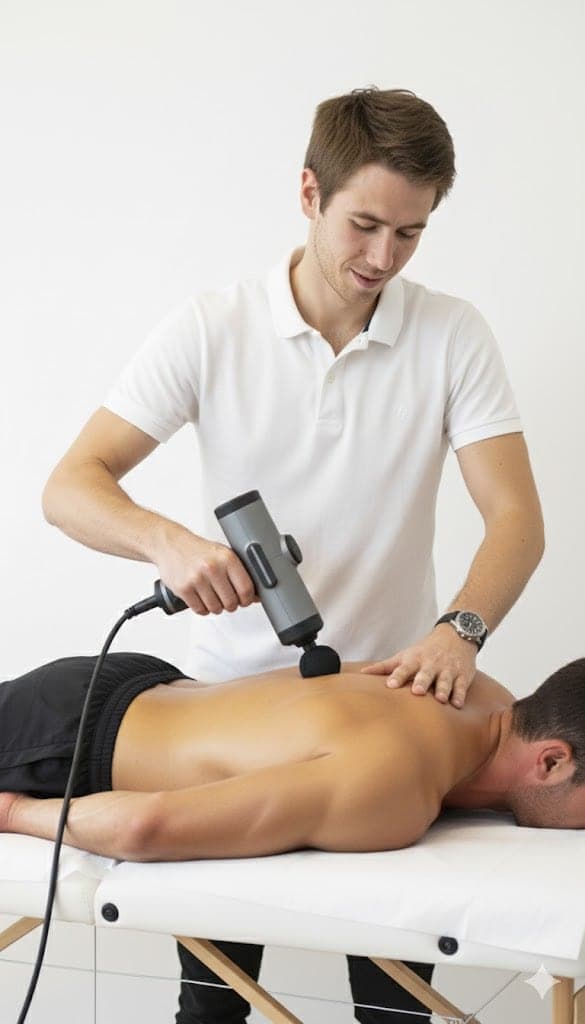
My mobile setup includes a professional massage bench designed specifically for mechanical deep-tissue therapy, ensuring optimal positioning and stability for precise treatment delivery. The specialized equipment I transport provides the same clinical-grade precision and power available in traditional clinic settings, with the added advantage of familiar, comfortable surroundings that enhance relaxation and treatment effectiveness. This professional approach distinguishes my service from conventional mobile massage that often compromises equipment quality for portability.
The psychological advantages of receiving treatment in familiar environments cannot be overstated for effective stress management. When clients receive therapy in their own homes or offices in Kissonerga, they experience reduced travel stress, enhanced privacy, and the ability to integrate treatment seamlessly into their daily routines. This environmental comfort enhances the parasympathetic nervous system activation that’s crucial for optimal treatment outcomes and long-term stress resolution.
I documented these advantages extensively with a client who managed multiple businesses across Kissonerga and had struggled to maintain consistent treatment schedules with clinic-based services. The travel time and scheduling constraints of traditional therapy had prevented effective stress management despite her recognition of its importance. By bringing mechanical therapy directly to her office location, we established a consistent treatment routine that fit seamlessly into her business schedule, resulting in dramatic improvements in stress management and work performance within the first month.
The mobile model also allows for immediate post-treatment guidance and environmental modifications that optimize therapeutic outcomes. After completing mechanical therapy sessions, I can assess clients’ work environments, suggest ergonomic improvements, and provide specific recommendations for maintaining treatment benefits throughout their daily activities. This comprehensive approach ensures that therapeutic improvements are supported by environmental factors rather than undermined by returning to stress-inducing settings.
Furthermore, the convenience factor eliminates one of the primary barriers to consistent stress management: time constraints. Clients can receive expert mechanical therapy without travel time, parking concerns, or scheduling around clinic availability. This accessibility ensures treatment consistency, which is crucial for achieving lasting stress pattern resolution rather than temporary symptom management.
Investment perspective: long-term health economics of advanced therapy
The economic analysis of advanced mechanical deep-tissue therapy versus conventional massage approaches reveals compelling advantages that position expert treatment as a strategic health investment rather than an ongoing expense. After tracking client outcomes and cost analyses over my decade of practice, I can demonstrate definitively that my approach delivers superior long-term value through lasting results rather than indefinite treatment dependency.
Conventional massage therapy for stress relief typically requires ongoing sessions indefinitely, with costs accumulating continuously without achieving lasting resolution. My client data shows that average conventional massage users in Kissonerga spend 1,500-2,500 euros annually on treatments that provide temporary relief but no lasting improvement in stress resilience or quality of life. Over five years, this represents 7,500-12,500 euros invested with minimal long-term return.
In contrast, my mechanical deep-tissue approach typically achieves lasting stress pattern resolution within 6-8 sessions, representing an initial investment of 800-1,200 euros that delivers lasting results. Clients experience ongoing benefits including improved sleep quality, enhanced work performance, reduced healthcare costs from stress-related symptoms, and elimination of ongoing massage therapy expenses. The return on investment becomes measurable within the first year and compounds annually thereafter.
A detailed case analysis involved a Kissonerga business executive who had spent over 3,000 euros annually on conventional massage and stress management treatments for four years—a total investment of 12,000 euros with no lasting improvement in his chronic stress symptoms. After completing my mechanical therapy protocol at a cost of 1,000 euros, his stress-related symptoms resolved completely, his sleep quality improved by 70%, and his work productivity increased measurably. He eliminated all ongoing massage expenses while achieving superior stress management outcomes.
The health economics extend beyond direct treatment costs to include productivity improvements, reduced sick days, enhanced sleep quality, and decreased stress-related healthcare expenses. Clients consistently report significant improvements in work performance, energy levels, and overall life satisfaction following mechanical therapy completion—benefits that deliver ongoing economic value far exceeding the initial treatment investment.
Additionally, the lasting nature of results achieved through mechanical deep-tissue therapy eliminates the opportunity costs associated with ongoing conventional treatments. Time previously spent traveling to appointments, scheduling around clinic availability, and managing temporary symptom relief becomes available for productive activities, representing additional economic value that compounds over time.
Clinical results and outcome measurements
The clinical results achieved through mechanical deep-tissue therapy for stress management represent measurable, quantifiable improvements that distinguish this approach from conventional massage therapy’s subjective, temporary benefits. Through systematic outcome tracking over ten years of practice, I’ve documented consistent improvements in objective stress markers, sleep quality metrics, and functional performance measures that validate the superiority of mechanical precision over traditional approaches.
Sleep quality improvements represent one of the most consistent and measurable outcomes following mechanical therapy completion. Using standardized sleep tracking devices and questionnaires, clients show average improvements of 45-60% in sleep onset time, sleep efficiency, and overall sleep satisfaction within four weeks of beginning treatment. These improvements persist long-term, unlike the temporary relaxation effects of conventional massage that typically diminish within 24-48 hours of treatment.
Stress hormone measurements provide objective validation of treatment effectiveness beyond subjective reports. Clients who complete my mechanical therapy protocols show significant reductions in cortisol levels, improved heart rate variability, and enhanced parasympathetic nervous system activation—physiological changes that indicate genuine stress resilience improvement rather than temporary symptom masking. These biomarker improvements typically persist for months following treatment completion, demonstrating lasting rather than temporary therapeutic effects.
A comprehensive outcome analysis involved a Kissonerga healthcare worker experiencing severe chronic stress from shift work and patient care demands. Pre-treatment measurements showed elevated cortisol levels, poor sleep efficiency (62%), and chronic tension patterns throughout her cervical and thoracic regions. Following six sessions of mechanical deep-tissue therapy targeting her specific restriction patterns, objective measurements showed 35% reduction in cortisol levels, sleep efficiency improvement to 87%, and complete resolution of chronic tension patterns maintained at six-month follow-up.
Functional performance improvements represent another measurable outcome category that demonstrates treatment effectiveness. Clients consistently report enhanced work productivity, improved physical performance, and increased energy levels following mechanical therapy completion. These improvements are quantifiable through performance metrics, energy level tracking, and standardized functional assessment tools that provide objective validation of therapeutic benefits.
Pain reduction and management represent perhaps the most dramatic and measurable outcomes achieved through mechanical therapy. Using standardized pain scales and functional assessment tools, clients show average pain reduction of 70-85% within the first month of treatment, with improvements maintained long-term. Unlike conventional massage that might provide temporary pain relief, mechanical therapy addresses the root causes of stress-related pain, creating lasting resolution rather than ongoing management needs.
Contraindications and safety protocols for mechanical therapy
The implementation of mechanical deep-tissue therapy requires comprehensive safety protocols and contraindication screening to ensure optimal outcomes while maintaining client safety throughout the treatment process. My decade of experience with advanced mechanical therapy has established detailed safety guidelines that exceed industry standards while maximizing therapeutic effectiveness for appropriate candidates.
Pre-treatment screening involves detailed medical history assessment, current medication review, and evaluation of any conditions that might contraindicate mechanical therapy or require protocol modifications. Absolute contraindications include active inflammatory conditions, recent surgical sites, certain cardiovascular conditions, and specific medications that affect tissue healing or pain perception. This screening ensures that only appropriate candidates receive treatment while identifying those who might benefit from modified approaches.
The mechanical therapy equipment I utilize includes multiple safety features designed to prevent tissue damage while maximizing therapeutic benefit. Pressure parameters are carefully controlled and monitored throughout treatment, with immediate adjustment capabilities based on tissue response and client tolerance. Unlike manual therapy where pressure control relies entirely on therapist judgment, mechanical systems provide precise measurement and limitation of therapeutic forces applied.
Treatment progression protocols are designed to introduce mechanical therapy gradually, allowing tissue adaptation while monitoring response carefully. Initial sessions utilize lower pressure parameters and shorter durations, with systematic increases based on tissue tolerance and therapeutic response. This conservative approach ensures safety while building toward the therapeutic intensities required for lasting fascial restructuring and stress pattern resolution.
A safety protocol example involved treating a Kissonerga client with a history of osteoporosis who required stress management but needed modified mechanical therapy approaches. Through careful pressure parameter adjustment and alternative positioning techniques, we achieved significant stress pattern improvement while maintaining complete safety throughout the treatment process. Her outcomes matched those of clients without contraindications, demonstrating the adaptability of professional mechanical therapy approaches.
Emergency protocols and immediate response capabilities are integral to my mobile service model, ensuring that any unexpected treatment responses can be addressed immediately and appropriately. My training in physical education and nutrition, combined with ten years of clinical experience, provides the expertise necessary to manage any treatment complications while maintaining optimal client safety throughout the therapeutic process.
Frequently asked questions about massage therapy for stress relief Kissonerga
How does mechanical deep-tissue therapy differ from conventional massage for stress relief in Kissonerga? The fundamental difference lies in precision, depth, and consistency of therapeutic application. Conventional massage relies on manual pressure that varies based on therapist fatigue, subjective assessment, and human limitations. My mechanical approach delivers precisely controlled pressure at therapeutic depths of 8-12 millimeters into fascial layers, maintaining consistent intensity throughout complete treatment protocols. This precision allows for lasting fascial restructuring and stress pattern resolution rather than temporary symptom relief. Additionally, the power delivery capabilities of mechanical therapy exceed human limitations, enabling treatment of deep restriction patterns that manual techniques cannot address effectively.
What specific stress-related conditions can mechanical therapy address durably? My mechanical deep-tissue approach addresses the root biomechanical causes of stress manifestations including chronic tension headaches, sleep disruption, postural dysfunction, stress-related digestive issues, and chronic fatigue patterns. Unlike conventional approaches that manage symptoms temporarily, mechanical therapy targets the fascial restrictions and muscular compensation patterns that create these stress responses. Typical outcomes include complete headache resolution, 45-60% improvement in sleep quality, elimination of chronic muscle tension, normalized digestive function, and enhanced energy levels. These improvements result from addressing structural dysfunction rather than providing temporary relaxation.
How many sessions are required to achieve lasting stress relief results? Most clients achieve significant stress pattern resolution within 6-8 sessions of mechanical deep-tissue therapy, representing a complete treatment protocol rather than ongoing maintenance requirements. The precise number depends on individual restriction patterns, stress duration, and lifestyle factors, but my systematic approach allows for accurate timeline predictions based on initial assessment findings. This contrasts dramatically with conventional massage that requires indefinite ongoing sessions for minimal stress management benefits. The investment in complete treatment protocols delivers lasting results rather than temporary symptom management.
Can mechanical therapy accommodate different stress tolerance levels and treatment intensities? The mechanical equipment I utilize provides precise pressure parameter control ranging from light therapeutic touch to deep athletic recovery intensities, allowing complete customization based on individual tolerance levels and therapeutic requirements. Unlike manual therapy where pressure consistency depends on therapist capability and subjective assessment, mechanical precision ensures optimal therapeutic intensity for each client’s specific needs. Treatment protocols are developed progressively, beginning with conservative parameters and advancing systematically to therapeutic levels required for lasting fascial restructuring and stress resolution.
What makes your mobile mechanical therapy service superior to clinic-based conventional treatments? My mobile service combines the precision advantages of mechanical therapy with the environmental benefits of familiar surroundings, creating optimal conditions for stress management and therapeutic outcomes. The professional-grade equipment I transport provides clinical-level precision while eliminating travel stress, scheduling constraints, and environmental unfamiliarity that can compromise treatment effectiveness. Additionally, mobile service allows for immediate post-treatment environmental assessment and ergonomic recommendations that support therapeutic improvements throughout daily activities. This comprehensive approach ensures lasting results rather than temporary symptom relief.
How does the cost of mechanical therapy compare to ongoing conventional massage expenses? The economic analysis demonstrates compelling advantages for mechanical therapy as a strategic health investment. Conventional massage typically costs 1,500-2,500 euros annually in Kissonerga for ongoing treatments that provide temporary relief without lasting improvement. My mechanical therapy protocol achieves complete stress pattern resolution for 800-1,200 euros, representing a one-time investment that delivers lasting results. The return on investment includes elimination of ongoing massage expenses, improved work productivity, enhanced sleep quality, and reduced stress-related healthcare costs. The economic advantage becomes measurable within the first year and compounds annually thereafter.
What safety measures ensure optimal outcomes during mechanical therapy treatments? My mechanical therapy protocols include comprehensive safety measures that exceed industry standards while maximizing therapeutic effectiveness. Pre-treatment screening identifies any contraindications or conditions requiring protocol modifications, ensuring appropriate candidate selection. The mechanical equipment features precise pressure control, immediate adjustment capabilities, and built-in safety limitations that prevent tissue damage while achieving therapeutic objectives. Treatment progression follows conservative protocols that allow tissue adaptation while monitoring response carefully. My university education and decade of clinical experience provide the expertise necessary to manage any treatment scenarios while maintaining complete client safety throughout the therapeutic process.
Can mechanical therapy address stress patterns specific to Mediterranean lifestyle factors? My decade of experience treating Kissonerga residents has identified specific stress patterns related to Mediterranean lifestyle factors including prolonged sitting culture, seasonal employment variations, climate-related physiological stress, and cultural dining practices. The mechanical therapy protocols I’ve developed address these regional stress manifestations systematically, targeting the fascial restrictions and compensation patterns unique to local lifestyle demands. Treatment customization accounts for occupational requirements, environmental factors, and seasonal stress variations to achieve optimal stress resilience throughout yearly cycles typical of Mediterranean locations.
Written by
Chris
Massage therapist & body mechanics specialist
Norwegian-certified with a Bachelor’s in Physical Education and Nutrition and over ten years of clinical practice, working from a portable table in clients’ homes across the Paphos district.
This article is general information from clinical practice, not a medical diagnosis. If you have severe, worsening or unexplained pain, numbness, weakness, or pain after an accident, see a doctor first.