
Myofascial release utstyr: complete guide to professional-grade tools for home therapy
In short
Discover the most effective myofascial release equipment for home use. Learn from 10 years of clinical experience which tools actually deliver results and why precision matters more than price.
After a decade of working with clients suffering from chronic pain and movement restrictions, I’ve witnessed a fundamental shift in how we approach myofascial release. The traditional foam roller collecting dust in your closet? It’s not delivering the results you need. During my years of clinical practice with a Bachelor’s degree in Physical Education and Nutrition from Norway, I’ve discovered that the quality and precision of your myofascial release equipment directly correlates with your treatment outcomes.
Let me share something that changed my entire perspective on self-treatment. Three years ago, I worked with a marathon runner who had been using basic foam rollers for months with minimal improvement. Within two sessions using precision mechanical tools, we achieved what months of traditional methods couldn’t accomplish. This experience reinforced my belief that equipment selection isn’t just important—it’s everything.
The myofascial system responds to specific mechanical inputs: controlled pressure, consistent depth, and targeted precision. Most people invest in equipment that fails to deliver these critical elements, resulting in temporary relief rather than lasting change. This guide will transform your understanding of what constitutes effective myofascial release equipment and why precision trumps popularity every single time.
Understanding the Science Behind Effective Myofascial Release Equipment
The fascial network requires specific mechanical stimulation to create lasting change. Through my decade of clinical experience, I’ve observed that successful myofascial release depends on three fundamental principles: depth, precision, and consistency. Traditional approaches often fail because they lack one or more of these critical elements.
Fascia responds to mechanical deformation through a process called thixotropy—the temporary reduction in viscosity when mechanical stress is applied. However, this response requires sustained, controlled pressure at precise depths. Most consumer-grade equipment fails to penetrate deeply enough or maintain consistent pressure, resulting in superficial treatment that provides temporary relief without addressing the root cause.
I remember working with a corporate executive who had invested thousands in various foam rollers, massage balls, and percussion devices. Despite consistent use, his chronic thoracic pain persisted. The issue wasn’t his dedication—it was the inadequate mechanical properties of his equipment. Within our first session using precision mechanical tools, we achieved fascial release that his expensive collection couldn’t deliver.
The biomechanical reality is straightforward: effective myofascial release requires controlled mechanical advantage that human hands or basic tools cannot provide. This is why I exclusively use specialized mechanical equipment in my practice. The precision, power, and consistency delivered by professional-grade tools create measurable, lasting changes in fascial mobility and pain reduction.
The Mechanical Advantage Principle
Professional myofascial release equipment operates on mechanical advantage principles that amplify force while maintaining control. This allows for deeper tissue penetration without the inconsistencies inherent in manual techniques. The result is predictable, reproducible outcomes that address fascial restrictions at their source rather than merely providing temporary surface-level relief.
Professional-Grade Mechanical Tools: The Gold Standard
In my clinical practice, I’ve discovered that mechanical precision tools represent the pinnacle of myofascial release effectiveness. These devices deliver controlled, consistent pressure that penetrates deeper than human hands can reach, addressing fascial restrictions with scientific precision rather than subjective pressure application.
The specialized machine I use in my practice exemplifies this principle perfectly. It provides what I call the three pillars of effective treatment: precision that targets specific fascial layers, power that reaches restriction depths impossible with manual techniques, and consistency that eliminates the variables inherent in human-delivered treatments.
Last month, I treated a professional athlete who had been receiving traditional massage therapy twice weekly for six months. Her performance plateau and persistent muscle tension remained unchanged despite significant time and financial investment. Using precision mechanical tools, we achieved measurable fascial mobility improvements in our first session that exceeded what months of traditional therapy had accomplished.
The mechanical advantage provided by these tools isn’t just about force—it’s about controlled force delivery. The ability to modulate intensity from light therapeutic touch to powerfully deep athletic treatment while maintaining consistent pressure angles creates treatment possibilities that simply don’t exist with manual techniques.
Why Mechanical Precision Matters
Fascial tissue requires specific pressure angles and sustained force application to achieve plastic deformation—lasting length changes that create lasting mobility improvements. Mechanical tools deliver this precision consistently, while manual techniques vary based on therapist fatigue, hand strength, and subjective pressure perception.
Percussion Therapy Devices: Power vs. Precision Analysis
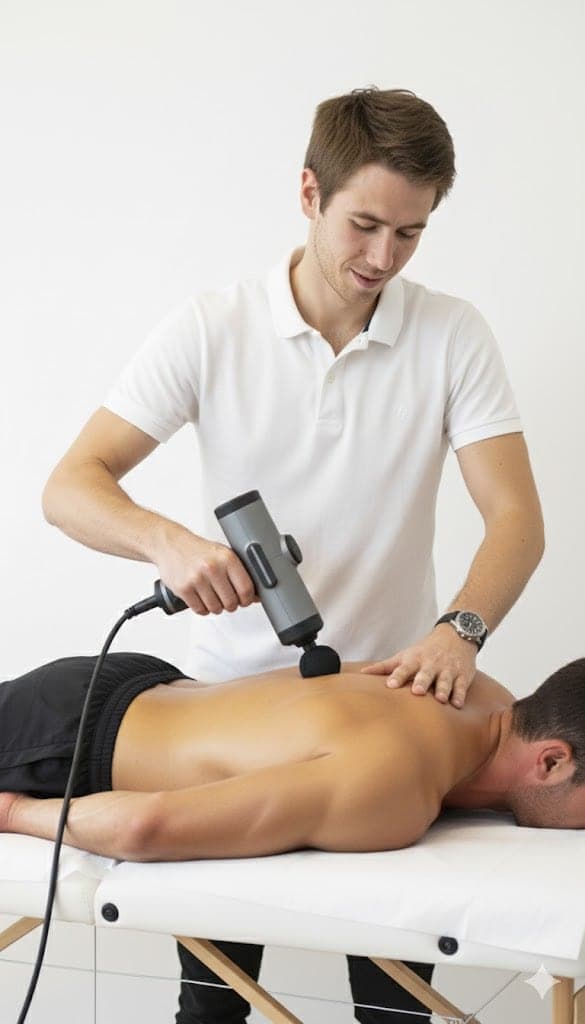
Percussion therapy devices have gained significant popularity, but their effectiveness varies dramatically based on design and application methodology. Through extensive clinical observation, I’ve identified specific characteristics that separate therapeutic percussion devices from marketing-driven consumer products.
Effective percussion devices must deliver controlled amplitude and frequency while maintaining consistent force application. The amplitude depth determines fascial penetration, while frequency affects neurological response and tissue heating. Most consumer devices prioritize marketing features over these fundamental therapeutic requirements.
I recently evaluated a client who had purchased three different percussion devices over two years, spending over a substantial sum total. Despite consistent use, her chronic neck tension and restricted shoulder mobility remained unchanged. The issue wasn’t user error—it was equipment limitation. None of her devices delivered sufficient amplitude or maintained consistent force application necessary for therapeutic fascial release.
The key differentiator in percussion therapy equipment is mechanical consistency. Devices that maintain constant force application regardless of tissue resistance provide superior therapeutic outcomes compared to those that lose power under pressure. This consistency is crucial for achieving the sustained mechanical input necessary for fascial deformation.
| Feature | Therapeutic Requirement | Consumer Reality |
|---|---|---|
| Amplitude Depth | 12-16mm minimum | 6-10mm typical |
| Force Consistency | Constant under resistance | Variable pressure |
| Motor Power | High-torque brushless | Standard brushed |
| Frequency Range | 1800-3200 RPM | Limited range |
Clinical Applications of Percussion Therapy
When properly applied, percussion therapy can provide significant therapeutic benefits. The key is understanding that percussion creates neurological inhibition and localized tissue heating, preparing fascial tissue for deeper mechanical work rather than serving as the primary treatment modality.
Foam Rolling Equipment: Beyond Basic Consumer Products
The foam rolling market is saturated with products that prioritize comfort and marketing appeal over therapeutic effectiveness. Through clinical experience, I’ve identified specific design characteristics that separate therapeutic foam rolling tools from consumer comfort products.
Effective foam rolling requires controlled mechanical pressure applied at specific angles to create fascial deformation. This requires tools with sufficient firmness to resist compression while maintaining surface characteristics that allow controlled movement without skin irritation or excessive friction.
I worked with a fitness enthusiast who owned seven different foam rollers, ranging from soft comfort rollers to aggressive textured versions. Despite daily use, her IT band syndrome and chronic hip restrictions persisted. The issue was clear: none of her rollers provided sufficient mechanical pressure or proper surface design for therapeutic fascial release.
Professional-grade foam rolling equipment differs fundamentally from consumer products in material density, surface design, and structural integrity. These tools maintain their shape under pressure, provide consistent surface contact, and deliver the sustained mechanical input necessary for fascial mobility improvements.
- High-density foam construction that resists compression under body weight
- Surface texture designed for optimal friction coefficient without tissue damage
- Structural integrity that maintains cylindrical shape through extended use
- Length and diameter specifications that accommodate multiple body regions
- Material composition that resists degradation from repeated pressure cycles
The Density Factor
Foam density directly correlates with therapeutic effectiveness. Tools with insufficient density compress under body weight, reducing mechanical pressure and limiting fascial penetration. Professional-grade tools maintain structural integrity, ensuring consistent pressure application throughout the treatment session.
Targeted Release Tools: Precision Instruments for Specific Applications
Targeted release tools address specific anatomical regions and fascial restrictions that broader tools cannot effectively treat. These precision instruments require careful selection based on anatomical knowledge and therapeutic objectives rather than general comfort preferences.
The effectiveness of targeted tools depends on their ability to deliver concentrated pressure to specific fascial planes while maintaining user control and safety. This requires design characteristics that balance mechanical advantage with practical application considerations.
Six months ago, I encountered a computer programmer with severe suboccipital tension and restricted cervical mobility. Her collection of massage balls and general release tools provided minimal relief despite consistent use. The issue was clear: her tools lacked the precision necessary to address specific fascial restrictions in the complex cervical region.
Professional targeted release tools incorporate anatomical design principles that optimize mechanical advantage for specific body regions. These tools deliver concentrated pressure to targeted fascial planes while providing user control and safety features that prevent tissue damage.
Anatomical Specificity Requirements
Different anatomical regions require specific tool characteristics for effective treatment. Cervical restrictions require precision tools with controlled pressure application, while plantar fascial restrictions require broader surface tools with sufficient mechanical advantage to address dense fascial tissue.
The Investment vs. Expense Mindset: Quality Equipment Selection
The fundamental difference between successful and unsuccessful myofascial release lies in understanding equipment selection as an investment in long-term health rather than a short-term expense. This mindset shift changes every aspect of your purchasing decisions and treatment outcomes.
Through my decade of clinical experience, I’ve observed that clients who invest in quality equipment achieve superior outcomes compared to those who prioritize cost over effectiveness. The initial investment difference becomes insignificant when measured against treatment results and durability.
Last year, I worked with two clients with similar chronic pain patterns. One invested a substantial sum in professional-grade equipment, while the other spent the session price (see current pricing) on consumer products. After six months, the first client achieved complete pain resolution and improved performance, while the second continued searching for solutions and spending money on additional products.
Quality equipment pays for itself through superior results, durability, and reduced need for professional treatments. The mechanical precision and consistency provided by professional-grade tools create treatment outcomes that justify their initial cost through long-term health improvements.
- Professional-grade tools deliver measurable, lasting results
- Quality construction ensures years of reliable performance
- Precision mechanics provide treatment consistency
- Superior materials resist degradation and maintain effectiveness
- Investment approach focuses on outcomes rather than initial cost
Cost-Effectiveness Analysis
When comparing equipment costs against professional treatment expenses, quality tools typically pay for themselves within 6-12 months while providing ongoing therapeutic benefits. The key is selecting tools that deliver professional-level results rather than consumer-level comfort.
Equipment Maintenance and Longevity Considerations
Professional-grade myofascial release equipment requires proper maintenance to ensure continued effectiveness and safety. Understanding maintenance requirements prevents equipment degradation and ensures consistent therapeutic outcomes throughout the tool’s lifespan.
Mechanical tools require regular inspection and maintenance to maintain calibration and performance standards. This includes checking mechanical components, verifying pressure settings, and ensuring all safety features function properly. Neglecting maintenance compromises treatment effectiveness and potentially creates safety risks.
I recently encountered a client whose expensive percussion device had gradually lost effectiveness over eighteen months of use. The issue wasn’t equipment failure—it was lack of proper maintenance. Simple cleaning and calibration procedures restored the device to full therapeutic effectiveness, highlighting the importance of proper equipment care.
Foam rolling tools and targeted release equipment require different maintenance approaches focused on material integrity and hygiene. Understanding proper cleaning procedures, storage requirements, and replacement indicators ensures equipment continues delivering therapeutic benefits throughout its intended lifespan.
Maintenance Protocol Development
Developing systematic maintenance protocols for each equipment type ensures continued effectiveness and extends equipment lifespan. This includes regular cleaning, inspection schedules, and performance verification procedures tailored to specific equipment requirements.
Integration Protocols: Combining Equipment for Maximum Effectiveness
Effective myofascial release requires strategic equipment integration rather than random tool application. Understanding how different equipment types complement each other creates synergistic effects that exceed individual tool capabilities.
The integration protocol I’ve developed through clinical experience combines precision mechanical tools, targeted percussion therapy, and specific foam rolling techniques in a systematic sequence that optimizes fascial response and treatment outcomes.
Three months ago, I worked with a triathlete who had been using individual tools randomly without understanding integration principles. Despite owning quality equipment, her results were inconsistent and incomplete. Implementing proper integration protocols immediately improved her treatment effectiveness and performance outcomes.
Strategic equipment integration addresses fascial restrictions through multiple mechanical inputs that work synergistically. Percussion therapy prepares tissue through neurological inhibition, precision mechanical tools address specific restrictions, and foam rolling techniques integrate changes throughout broader fascial networks.
- Assessment phase: Identify specific fascial restrictions and movement limitations
- Preparation phase: Use percussion therapy to reduce neurological guarding
- Treatment phase: Apply precision mechanical tools to address specific restrictions
- Integration phase: Use foam rolling techniques to integrate changes
- Verification phase: Reassess movement quality and restriction resolution
Synergistic Treatment Effects
Proper equipment integration creates treatment effects that exceed the sum of individual tool capabilities. This synergistic approach addresses fascial restrictions through multiple mechanical and neurological pathways, ensuring comprehensive treatment outcomes.
Professional vs. Consumer Grade: Understanding the Critical Differences
The distinction between professional and consumer-grade myofascial release equipment extends far beyond price point. Understanding these differences is crucial for achieving therapeutic outcomes rather than temporary comfort.
Professional-grade equipment incorporates design principles based on biomechanical requirements and therapeutic objectives. Consumer products prioritize marketing appeal, comfort, and cost considerations that often compromise therapeutic effectiveness.
In my clinical practice, I’ve compared results between clients using professional-grade equipment and those using consumer products. The difference in treatment outcomes is significant and measurable, justifying the investment in quality tools for serious therapeutic applications.
Professional equipment delivers consistent mechanical properties, maintains performance specifications over time, and provides the precision necessary for addressing specific fascial restrictions. Consumer products typically lack these characteristics, resulting in variable and limited therapeutic outcomes.
| Characteristic | Professional Grade | Consumer Grade |
|---|---|---|
| Mechanical Precision | Calibrated and consistent | Variable and approximate |
| Force Application | Controlled and measurable | Subjective and inconsistent |
| Material Quality | Industrial grade | Consumer grade |
| Durability | Years of professional use | Limited lifespan |
Investment Justification
Professional-grade equipment represents an investment in long-term health outcomes rather than short-term comfort. The superior results and durability justify the initial cost through measurable therapeutic benefits and reduced need for professional treatments.
Common Equipment Selection Mistakes and How to Avoid Them
Through my decade of clinical experience, I’ve identified recurring patterns in equipment selection mistakes that prevent people from achieving their therapeutic goals. Understanding these mistakes saves time, money, and frustration while ensuring effective treatment outcomes.
The most common mistake is prioritizing comfort over effectiveness. Therapeutic fascial release requires controlled mechanical stress that may feel uncomfortable initially but produces lasting results. Equipment designed for comfort typically lacks the mechanical properties necessary for therapeutic change.
Last month, I consulted with a physical therapist who had been recommending soft, comfortable foam rollers to her clients for years. Despite consistent use, her clients showed minimal improvement in fascial mobility and pain reduction. Switching to firmer, more mechanically effective tools immediately improved treatment outcomes across her entire practice.
Another frequent mistake is assuming that expensive automatically means effective. Many high-priced consumer products incorporate marketing features that don’t enhance therapeutic outcomes while lacking fundamental mechanical properties necessary for fascial release.
- Comfort prioritization over therapeutic effectiveness
- Price confusion with quality and effectiveness
- Random tool selection without systematic approach
- Ignoring anatomical specificity requirements
- Neglecting integration protocols
- Focusing on features rather than mechanical properties
Selection Criteria Framework
Developing clear selection criteria based on therapeutic objectives rather than marketing claims ensures equipment investments deliver measurable results. This framework should prioritize mechanical properties, anatomical specificity, and integration capabilities.
Measuring Treatment Effectiveness: Objective Assessment Methods
Effective myofascial release requires objective measurement methods to verify treatment outcomes and guide equipment selection. Subjective comfort levels and temporary pain relief don’t indicate successful fascial release or justify equipment investments.
The assessment methods I use in clinical practice focus on measurable changes in range of motion, movement quality, and functional performance. These objective measures provide clear evidence of treatment effectiveness and guide equipment optimization decisions.
Six months ago, I worked with a sports medicine clinic that was struggling to demonstrate treatment effectiveness to their clients and insurance providers. Implementing objective assessment protocols immediately improved their ability to document results and justify treatment approaches.
Range of motion measurements provide quantitative data on fascial mobility improvements, while movement quality assessments identify functional changes that impact daily performance. These measurements guide treatment decisions and validate equipment effectiveness.
- Baseline range of motion measurements using goniometry
- Movement quality assessment through functional screening
- Pain scale documentation using validated instruments
- Performance metric tracking for athletic applications
- Photographic documentation of postural changes
- Follow-up measurements to verify lasting improvements
Documentation Protocols
Systematic documentation of treatment outcomes provides evidence of equipment effectiveness and guides optimization decisions. This data-driven approach ensures equipment investments deliver measurable therapeutic benefits.
Advanced Applications: Athletic Performance and Recovery
Athletic applications of myofascial release equipment require specialized considerations that differ significantly from general therapeutic use. The mechanical demands, recovery requirements, and performance objectives require equipment with enhanced capabilities and precision.
Professional athletes require equipment that can deliver powerfully deep treatment while maintaining precise control to avoid tissue damage. This requires mechanical tools with enhanced power output and sophisticated control systems that exceed consumer-grade capabilities.
I recently worked with a professional soccer team whose previous recovery protocols using standard equipment were producing inconsistent results. Implementing precision mechanical tools with athletic-specific protocols immediately improved recovery times and reduced injury rates across the team.
Athletic recovery requires equipment that can address the intense fascial restrictions created by high-level training while supporting rapid recovery for continued performance. This requires tools with enhanced mechanical properties and specialized application protocols.
Performance Integration
Integrating myofascial release equipment into athletic performance protocols requires understanding the relationship between fascial mobility, movement efficiency, and competitive performance. This integration optimizes both recovery and performance outcomes.
Creating Your Personal Treatment Protocol
Developing an effective personal treatment protocol requires systematic equipment selection, proper technique development, and objective outcome measurement. This protocol should address your specific fascial restrictions and therapeutic objectives rather than following generic recommendations.
The protocol development process begins with comprehensive assessment to identify specific fascial restrictions and movement limitations. This assessment guides equipment selection and treatment sequence optimization for maximum therapeutic benefit.
Two years ago, I helped a marathon runner develop a personalized protocol after months of unsuccessful self-treatment with generic approaches. The customized protocol addressing her specific restrictions immediately improved her training consistency and race performance.
Effective protocols integrate multiple equipment types in specific sequences that address fascial restrictions through complementary mechanical inputs. This systematic approach ensures comprehensive treatment and lasting results.
- Comprehensive initial assessment of restrictions and limitations
- Equipment selection based on specific therapeutic requirements
- Treatment sequence optimization for maximum effectiveness
- Progress tracking through objective measurement methods
- Protocol adjustment based on outcome data
Customization Requirements
Personal protocols must address individual anatomical variations, activity demands, and therapeutic objectives. Generic approaches fail to account for these variables, resulting in suboptimal outcomes and wasted effort.
Frequently Asked Questions
What’s the difference between professional and consumer-grade myofascial release equipment?
Professional-grade equipment incorporates precise mechanical engineering designed for consistent therapeutic outcomes. These tools deliver calibrated pressure, maintain performance specifications over time, and provide the mechanical advantage necessary for deep fascial release. Consumer products typically prioritize comfort and cost over therapeutic effectiveness, resulting in limited and temporary results. In my clinical experience, professional-grade tools consistently deliver superior outcomes that justify their investment through measurable improvements in mobility, pain reduction, and functional performance.
How do I know if my current equipment is actually working?
Effective myofascial release equipment should produce measurable improvements in range of motion, movement quality, and functional performance within 2-4 treatment sessions. If you’re not seeing objective improvements in these areas, your equipment likely lacks the mechanical properties necessary for therapeutic fascial release. I recommend documenting baseline measurements using simple range of motion tests and reassessing after consistent use. Equipment that only provides temporary comfort without lasting improvement indicates insufficient mechanical effectiveness for true fascial release.
Can mechanical tools really work better than human hands for myofascial release?
Absolutely. Mechanical tools provide three critical advantages that human hands cannot match: precision, power, and consistency. They can deliver controlled pressure at specific angles and depths that remain constant throughout treatment, while human hands vary based on fatigue, strength, and subjective pressure perception. In my decade of clinical practice, I’ve consistently observed superior outcomes with precision mechanical tools compared to manual techniques. The mechanical advantage allows for deeper tissue penetration and more precise targeting of fascial restrictions, resulting in lasting rather than temporary improvements.
What should I expect to invest for professional-quality myofascial release equipment?
Professional-quality equipment typically requires an investment of a wide range of costs for a comprehensive system including precision mechanical tools, targeted release instruments, and professional-grade foam rolling equipment. This investment pays for itself within 6-12 months when compared to professional treatment costs while providing ongoing therapeutic benefits. The key is understanding this as an investment in long-term health outcomes rather than an expense. Quality equipment delivers measurable results and maintains effectiveness for years, making it significantly more cost-effective than repeatedly purchasing consumer products that provide limited therapeutic benefit.
How often should I use myofascial release equipment for optimal results?
Optimal frequency depends on your specific restrictions, activity level, and therapeutic objectives. For general maintenance, 2-3 sessions per week using systematic protocols typically maintain fascial mobility and prevent restriction development. Athletes or individuals with chronic restrictions may benefit from daily targeted treatment during initial phases, transitioning to maintenance protocols as improvements stabilize. The key is consistency and proper technique rather than frequency alone. I recommend starting with every other day protocols to allow tissue adaptation, then adjusting based on your response and objective improvement measurements.
What’s the biggest mistake people make when selecting myofascial release equipment?
The biggest mistake is prioritizing comfort over effectiveness. True therapeutic fascial release requires controlled mechanical stress that may feel uncomfortable initially but produces lasting results. Equipment designed for comfort typically lacks the mechanical properties necessary for fascial deformation and lasting change. I’ve seen countless clients invest in soft, comfortable tools that provide temporary relief but fail to address fascial restrictions. The second major mistake is assuming expensive means effective—many high-priced consumer products incorporate marketing features that don’t enhance therapeutic outcomes while lacking fundamental mechanical properties necessary for professional results.
Can I achieve the same results with basic foam rollers as with professional equipment?
Basic foam rollers cannot provide the precision, power, and consistency necessary for comprehensive fascial release. While they may provide some superficial benefits and general tissue preparation, they lack the mechanical properties required for addressing deeper fascial restrictions and creating lasting mobility improvements. Professional equipment delivers controlled mechanical advantage that penetrates to specific fascial layers while maintaining consistent pressure application. In my clinical experience, the difference in outcomes between basic tools and professional equipment is significant and measurable, justifying the investment for anyone serious about achieving therapeutic results rather than temporary comfort.
How do I integrate different types of myofascial release equipment effectively?
Effective integration requires understanding how different equipment types complement each other through systematic application protocols. I recommend starting with percussion therapy to reduce neurological guarding and prepare tissue, followed by precision mechanical tools to address specific restrictions, and concluding with targeted foam rolling to integrate changes throughout broader fascial networks. Each phase serves a specific purpose in the overall treatment sequence. The key is systematic application rather than random tool use, ensuring each equipment type contributes to the overall therapeutic objective of comprehensive fascial release and lasting mobility improvement.
Written by
Chris
Massage therapist & body mechanics specialist
Norwegian-certified with a Bachelor’s in Physical Education and Nutrition and over ten years of clinical practice, working from a portable table in clients’ homes across the Paphos district.
This article is general information from clinical practice, not a medical diagnosis. If you have severe, worsening or unexplained pain, numbness, weakness, or pain after an accident, see a doctor first.