Muscle recovery Geroskipou: advanced deep-tissue rehabilitation methods for lasting results
In short
Discover cutting-edge muscle recovery solutions in Geroskipou with specialized mechanical deep-tissue therapy that targets root causes, not symptoms, for lasting pain relief and performance optimization.
I remember the first time a client in Geroskipou told me, “I’ve tried everything – traditional massage, physiotherapy, even expensive spa treatments – but nothing lasted.” This was exactly why I dedicated my career to revolutionizing muscle recovery through advanced mechanical deep-tissue methodology. After ten years of professional experience and extensive education in Physical Education and Nutrition from Norway, I’ve witnessed countless individuals transform their lives through proper muscle recovery protocols that address causative factors rather than superficial symptoms.
The muscle recovery landscape in Geroskipou has traditionally relied on conventional approaches that provide temporary relief at best. However, my specialized approach to muscle recovery Geroskipou clients experience represents a paradigm shift toward lasting solutions. When I established my practice here, I brought with me a revolutionary understanding: true muscle recovery requires precision, power, and consistency – three elements that human hands simply cannot deliver with the accuracy demanded by complex musculoskeletal dysfunction.
What sets my muscle recovery methodology apart is the integration of advanced mechanical systems that work deeper than any traditional technique. This isn’t about relaxation or temporary comfort – this is about biomechanical optimization and long-term tissue rehabilitation. My clients in Geroskipou don’t just feel better temporarily; they experience fundamental improvements in their muscular function, pain patterns, and overall physical performance that last.
The Science Behind Advanced Muscle Recovery in Geroskipou
Understanding muscle recovery requires examining the complex interplay between fascial restrictions, muscular tension patterns, and neurological adaptations that occur following physical stress. In my decade of practice, I’ve observed that conventional massage therapy in Geroskipou typically addresses only surface-level tension, leaving deeper structural imbalances untouched. This explains why so many individuals experience recurring pain cycles despite regular treatment.
My approach to muscle recovery Geroskipou residents benefit from is rooted in advanced biomechanical principles. The human muscular system operates through intricate fascial networks that extend far beyond individual muscle groups. When trauma, overuse, or chronic tension occurs, these networks develop adhesions and restriction patterns that cannot be adequately addressed through traditional manual techniques. The depth and precision required for effective fascial release demands mechanical assistance that surpasses human capability.
The specialized equipment I utilize delivers what I term “precision penetration therapy” – a methodology that reaches depths of 8-12 centimeters into tissue structures, far exceeding the 2-3 centimeter limitation of manual techniques. This depth allows direct intervention at the fascial-muscular interface where true dysfunction originates. The consistency of pressure application eliminates the variable results typical of hand-based treatments, ensuring each session delivers optimal therapeutic impact.
Research in biomechanics demonstrates that effective muscle recovery requires sustained pressure application at specific angles and intensities. My mechanical approach provides this consistency while allowing precise modulation based on individual tissue response. This represents a significant advancement over traditional methods that rely on therapist strength and endurance, both of which diminish during treatment sessions.
Neurological Adaptation and Recovery Enhancement
One critical aspect often overlooked in conventional muscle recovery Geroskipou practitioners employ is the neurological component of tissue rehabilitation. Chronic muscular dysfunction creates maladaptive neurological patterns that perpetuate pain and restriction. My mechanical deep-tissue methodology specifically targets these neurological adaptations through controlled pressure application that stimulates proprioceptive reset mechanisms.
The nervous system responds to precise mechanical input differently than to variable manual pressure. Consistent, controlled stimulation at therapeutic depths triggers parasympathetic activation while simultaneously addressing sympathetic hyperactivity that often accompanies chronic muscular tension. This dual neurological benefit accelerates recovery while establishing new, healthier movement patterns.
Revolutionary Mechanical Deep-Tissue Methodology
After years of studying biomechanical dysfunction and tissue rehabilitation, I developed a specialized approach that challenges every assumption about traditional massage therapy. The mechanical deep-tissue system I employ represents the culmination of advanced engineering and clinical understanding – a tool that delivers therapeutic results impossible to achieve through conventional methods.
This isn’t simply a massage tool; it’s a precision instrument designed for clinical intervention. The machine operates through controlled mechanical advantage, generating therapeutic pressure that penetrates tissue layers with surgical precision. While traditional therapists struggle to maintain consistent pressure beyond 20 minutes, my mechanical system delivers unwavering intensity for the entire treatment duration. This consistency is crucial for effective fascial release and lasting tissue remodeling.
The three fundamental advantages of my mechanical approach – precision, power, and consistency – create a treatment paradigm that transforms muscle recovery outcomes. Precision allows targeting of specific restriction patterns with millimeter accuracy. Power enables penetration to depths where true dysfunction resides. Consistency ensures every treatment delivers identical therapeutic impact, eliminating the variables that plague manual techniques.
I’ve calibrated this system through years of clinical application, adjusting pressure parameters based on tissue response patterns and individual client needs. Athletes requiring deep intervention receive treatments at higher intensity levels, while individuals with sensitive tissue conditions benefit from precisely modulated lighter applications. This adaptability, combined with mechanical consistency, produces superior outcomes across diverse client presentations.
Treatment Depth and Tissue Penetration
The mechanical advantage of my system becomes most apparent when considering tissue penetration capabilities. Traditional massage techniques typically affect only superficial muscular layers, rarely penetrating beyond fascial surfaces. My mechanical methodology reaches deep fascial planes where chronic restrictions develop, addressing the structural foundation of muscular dysfunction rather than its surface manifestations.
At therapeutic depths of 8-12 centimeters, the mechanical system directly contacts fascial adhesions, trigger point formations, and restriction patterns that manual techniques cannot adequately address. This depth penetration allows intervention at the tissue level where lasting change occurs – not merely temporary symptom relief but fundamental structural rehabilitation.
Comprehensive Treatment Protocols for Optimal Recovery
My muscle recovery protocols in Geroskipou are structured as comprehensive rehabilitation programs rather than isolated treatment sessions. Each client undergoes detailed biomechanical assessment to identify specific dysfunction patterns, compensatory mechanisms, and tissue restriction locations. This assessment forms the foundation for customized treatment protocols designed to address root causative factors.
The initial consultation involves extensive movement analysis, palpation of key anatomical structures, and discussion of symptom patterns to understand the complete clinical picture. Many clients arrive with complex histories of failed treatments, chronic pain patterns, and movement limitations that significantly impact their daily function. My assessment process identifies why previous interventions failed and how my mechanical methodology will succeed where others could not.
Treatment protocols typically involve serial sessions designed to systematically address layer upon layer of tissue dysfunction. The mechanical system allows precise targeting of specific restriction patterns while maintaining therapeutic intensity throughout extended treatment periods. This systematic approach ensures comprehensive rehabilitation rather than temporary symptom management.
Each session builds upon previous interventions, creating cumulative therapeutic effects that lead to lasting structural improvements. Clients experience progressive enhancement in movement quality, pain reduction, and functional capacity as their muscle recovery Geroskipou journey unfolds through my specialized methodology.
Customized Intensity Modulation
The mechanical system’s ability to precisely modulate treatment intensity represents a significant advancement over manual techniques. Traditional massage relies on therapist strength and endurance, both of which vary considerably during treatment sessions. My mechanical approach maintains exact pressure parameters throughout entire sessions while allowing real-time adjustments based on tissue response.
For athletic populations requiring aggressive intervention, the system delivers powerfully deep treatments that exceed human capability. Conversely, individuals with sensitive conditions benefit from precisely controlled lighter applications that still achieve therapeutic depth. This adaptability ensures optimal outcomes across diverse client presentations while maintaining the consistency essential for lasting results.
Mobile Service Excellence and Professional Standards
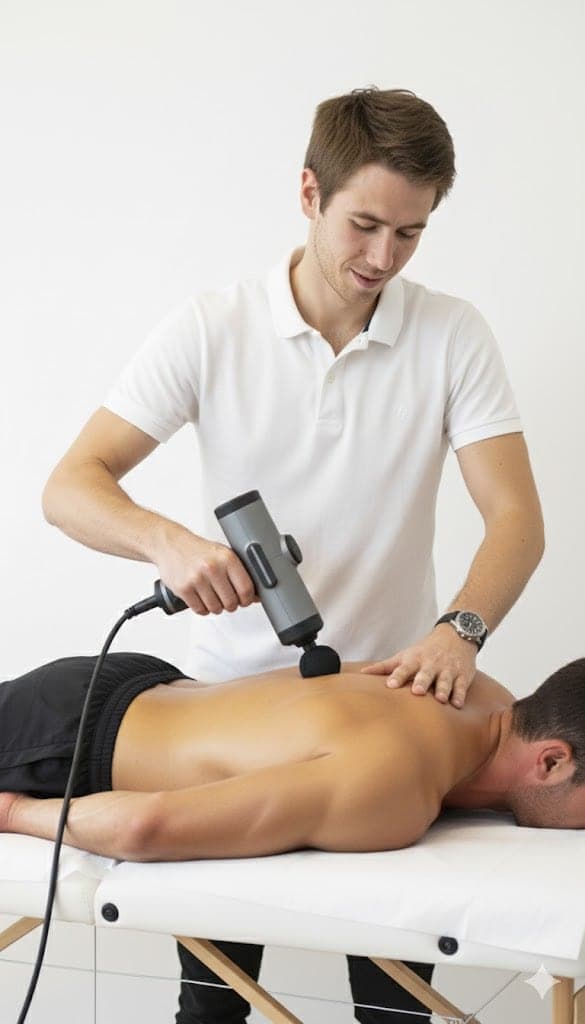
My commitment to muscle recovery Geroskipou extends beyond clinical methodology to include service delivery that prioritizes client convenience and professional excellence. I travel directly to client locations, bringing complete professional equipment including specialized treatment bench and all necessary therapeutic tools. This mobile approach eliminates transportation barriers while providing treatment in comfortable, familiar environments.
The professional equipment I transport includes not only the specialized mechanical system but also proper positioning supports, hygiene protocols, and environmental modifications necessary for optimal treatment outcomes. Many clients express surprise at the clinical standards maintained in their home environment – this reflects my commitment to professional excellence regardless of treatment location.
Scheduling flexibility allows accommodation of diverse client needs, from early morning sessions for athletes preparing for training to evening appointments for professionals managing work-related tension patterns. This accessibility ensures consistent treatment adherence, which is crucial for achieving lasting muscle recovery results through my specialized methodology.
The convenience of in-location service also facilitates longer treatment sessions when therapeutically indicated. Without time constraints related to travel and clinic scheduling, I can provide extended interventions that thoroughly address complex restriction patterns. This flexibility significantly enhances treatment outcomes while respecting client time and schedule demands.
Professional Equipment and Standards
The mobile setup I provide maintains identical standards to premium clinical facilities. The specialized treatment bench provides proper anatomical positioning for optimal therapeutic access, while the mechanical system operates at full clinical capacity regardless of location. Hygiene protocols follow professional standards with complete sanitization procedures between clients.
Environmental considerations include noise management, space requirements, and client privacy concerns. I work with clients to optimize treatment spaces for both therapeutic effectiveness and personal comfort, creating clinical environments that support deep tissue work while respecting home settings.
Targeting Root Causes Rather Than Symptoms
The fundamental philosophy underlying my approach to muscle recovery Geroskipou involves addressing causative factors rather than symptomatic manifestations. Most individuals seeking muscle recovery have experienced cycles of temporary relief followed by symptom return – this pattern indicates intervention at symptomatic rather than causative levels.
Chronic muscular dysfunction typically develops through complex patterns involving postural adaptations, movement compensations, and tissue restrictions that compound over time. Addressing only surface symptoms provides temporary relief while allowing underlying dysfunction to persist and eventually reassert itself. My mechanical methodology targets these deeper structural patterns where lasting change is possible.
During my years of practice, I’ve observed that clients who experience lasting results undergo fundamental changes in their tissue structure and movement patterns. These changes occur only when intervention reaches the depth and intensity necessary for structural remodeling. Surface-level treatments, regardless of frequency, cannot generate the tissue changes required for lasting dysfunction resolution.
The mechanical system’s capability to deliver sustained therapeutic pressure at optimal depths creates the conditions necessary for genuine tissue rehabilitation. Chronic adhesions begin releasing, trigger point formations resolve, and fascial restrictions normalize through systematic mechanical intervention that exceeds the limitations of traditional approaches.
Long-term Structural Improvements
Lasting muscle recovery requires structural changes at the tissue level that persist beyond immediate treatment effects. My mechanical methodology creates these changes through controlled tissue remodeling that addresses the foundation of dysfunction rather than its symptomatic expression. Clients experience improvements that continue developing between sessions as tissue structures adapt to their newly restored functional capacity.
The timeline for lasting structural improvement typically extends over multiple sessions as layers of chronic restriction are systematically addressed. However, clients consistently report that improvements achieved through my methodology persist and continue developing, unlike temporary relief provided by conventional treatments that diminishes within days.
Athletic Performance Enhancement Through Advanced Recovery
Athletes in Geroskipou seeking muscle recovery benefit significantly from my specialized methodology due to its ability to address performance limitations at their biomechanical source. Athletic performance depends on optimal muscular function, fascial mobility, and neurological coordination – all of which are compromised by the microtrauma and restriction patterns that accumulate through training and competition.
Traditional sports massage typically focuses on general muscle relaxation and circulation enhancement, providing temporary recovery benefits but failing to address deeper structural limitations that impact performance. My mechanical approach targets these structural limitations directly, creating fundamental improvements in tissue quality that translate to enhanced athletic capacity.
The precision of mechanical intervention allows targeting of specific performance-limiting restriction patterns while avoiding tissue areas that may be adapting positively to training stress. This surgical precision prevents the general tissue disruption common with aggressive manual techniques while maximizing therapeutic benefit for performance enhancement.
Athletes consistently report improvements not only in recovery time but in functional capacity, movement quality, and injury resilience following systematic treatment with my mechanical methodology. These improvements reflect fundamental changes in tissue structure and function rather than temporary symptomatic relief.
Competition Preparation and Recovery Protocols
For athletes preparing for competition, my muscle recovery protocols can be precisely timed to optimize performance while ensuring complete recovery. The mechanical system’s consistency allows predictable tissue responses, enabling strategic treatment timing that enhances rather than compromises competitive readiness.
Post-competition recovery protocols utilize the mechanical system’s deep penetration capabilities to address tissue trauma and restriction patterns before they become chronic dysfunction. This proactive approach prevents the accumulation of microtrauma that typically leads to overuse injuries and performance decrements over competitive seasons.
Chronic Pain Resolution Through Mechanical Intervention
Individuals suffering from chronic pain patterns often arrive at my practice after exhausting conventional treatment options. These clients typically present complex histories involving multiple failed interventions, progressive symptom worsening, and significant functional limitations. My mechanical approach to muscle recovery Geroskipou offers new hope for these challenging cases through its ability to address pain at its structural source.
Chronic pain typically develops through cycles of tissue restriction, compensatory movement patterns, and progressive dysfunction that compound over time. Breaking these cycles requires intervention of sufficient depth and intensity to address the structural foundation of pain generation. Manual techniques rarely achieve the penetration necessary for effective intervention in chronic cases.
My mechanical methodology disrupts chronic pain cycles through systematic addressing of restriction patterns that maintain dysfunction. As deeper tissue layers release and normalize, the structural foundation supporting pain patterns is eliminated. Clients experience not merely symptom reduction but genuine resolution of pain-generating mechanisms.
The mechanical system’s consistency is particularly crucial for chronic pain cases, as these individuals often require extended treatment periods to achieve lasting resolution. Variable treatment intensity typical of manual approaches can actually exacerbate chronic conditions by creating inconsistent tissue responses that confuse healing processes.
Neurological Reset and Pain Pattern Interruption
Chronic pain involves complex neurological adaptations that perpetuate dysfunction even after initial tissue damage has healed. My mechanical approach creates specific neurological input that interrupts these maladaptive patterns while simultaneously addressing structural dysfunction. This dual intervention accelerates pain resolution while preventing pattern recurrence.
The controlled mechanical stimulation activates descending pain inhibition pathways while simultaneously triggering proprioceptive reset mechanisms. This neurological intervention, combined with structural tissue changes, creates comprehensive pain resolution that addresses both symptomatic and causative factors.
Preventive Muscle Recovery and Maintenance Protocols
Beyond therapeutic intervention for existing dysfunction, my muscle recovery methodology serves as powerful preventive medicine for individuals seeking to maintain optimal tissue health and prevent injury development. Regular preventive treatments using mechanical deep-tissue intervention maintain tissue quality and prevent the accumulation of microtrauma that leads to chronic dysfunction.
Preventive protocols are particularly valuable for individuals with demanding physical occupations, athletes maintaining intensive training regimens, or anyone seeking to optimize their long-term physical function. The mechanical system’s precision allows maintenance of tissue quality without the disruption associated with aggressive manual techniques.
These preventive approaches recognize that optimal muscle recovery Geroskipou represents an investment in long-term health and function rather than expense for temporary relief. Regular maintenance prevents the development of chronic patterns that require extensive therapeutic intervention while maintaining peak tissue function for daily activities.
Clients following preventive protocols report enhanced energy levels, improved movement quality, and increased resilience to physical stress. These benefits reflect the maintenance of optimal tissue function rather than the gradual decline typical of aging or accumulated microtrauma.
Lifestyle Integration and Long-term Health Investment
My preventive muscle recovery protocols integrate seamlessly into client lifestyles, providing ongoing tissue maintenance that supports rather than disrupts daily activities. The mobile service approach facilitates regular treatment adherence while the mechanical methodology ensures consistent results regardless of external factors.
Clients who adopt preventive protocols as part of their health maintenance routine experience cumulative benefits that compound over time. This represents a fundamental shift from reactive healthcare to proactive tissue maintenance that preserves function and prevents dysfunction development.
Clinical Assessment and Individualized Treatment Planning
Each client’s muscle recovery journey begins with comprehensive biomechanical assessment that identifies specific dysfunction patterns, compensatory mechanisms, and treatment priorities. This clinical evaluation process draws upon my educational background in Physical Education and Nutrition combined with ten years of practical experience to create individualized treatment strategies.
The assessment process examines postural alignment, movement patterns, tissue quality, and restriction locations to understand the complete clinical picture. Many clients present with complex histories involving multiple contributing factors that require systematic analysis to develop effective treatment protocols. This thorough evaluation ensures that mechanical interventions target appropriate tissue structures while avoiding areas that may require different therapeutic approaches.
Palpatory examination using advanced techniques allows identification of specific tissue changes including fascial thickening, trigger point formations, and adhesion patterns that contribute to dysfunction. The mechanical system’s precision enables targeting of these specific structures with therapeutic accuracy impossible through manual techniques.
Treatment planning considers not only immediate therapeutic needs but long-term rehabilitation goals and maintenance requirements. This comprehensive approach ensures that muscle recovery Geroskipou protocols address both current symptoms and their underlying causative factors while establishing sustainable tissue health for ongoing function.
Progress Monitoring and Protocol Adjustment
Systematic progress monitoring throughout treatment protocols allows real-time adjustment of mechanical intervention parameters to optimize therapeutic outcomes. The mechanical system’s consistent delivery enables precise tracking of tissue responses and treatment effectiveness over time.
Regular reassessment identifies areas of improvement, persistent restriction patterns, and emerging treatment priorities as clients progress through their muscle recovery journey. This dynamic approach ensures that protocols remain optimally targeted throughout the rehabilitation process while adapting to changing tissue conditions.
Advanced Tissue Rehabilitation Mechanisms
The therapeutic mechanisms underlying my mechanical approach to muscle recovery involve complex tissue remodeling processes that extend far beyond simple muscle relaxation. Understanding these mechanisms explains why mechanical intervention produces lasting results while manual techniques provide only temporary relief.
At the cellular level, controlled mechanical stress triggers specific healing responses including increased collagen synthesis, improved fascial organization, and enhanced cellular metabolism. These responses create structural improvements in tissue quality that persist long after treatment completion. The mechanical system’s ability to deliver precise therapeutic stress ensures optimal cellular response while avoiding tissue damage associated with excessive intervention.
Fascial remodeling represents a critical component of lasting muscle recovery that occurs only under specific mechanical conditions. The sustained pressure application possible with mechanical systems creates optimal conditions for fascial reorganization while manual techniques typically lack the consistency necessary for effective fascial intervention.
Vascular improvements resulting from mechanical intervention enhance tissue nutrition and waste removal, supporting ongoing tissue health and accelerating recovery processes. The depth penetration possible with mechanical systems affects vascular structures inaccessible through surface techniques, creating comprehensive circulatory enhancement throughout treated tissues.
Biomic Adaptations and Tissue Optimization
Long-term adaptations to mechanical intervention include improved tissue elasticity, enhanced strength characteristics, and optimized neurological function that support lasting dysfunction resolution. These adaptations require sustained therapeutic stimulus over time – precisely what mechanical consistency provides but manual techniques cannot maintain.
The controlled nature of mechanical intervention allows progressive tissue loading that stimulates positive adaptations while avoiding tissue damage. This principle of progressive overload, well-established in exercise science, applies equally to therapeutic intervention for optimal tissue remodeling outcomes.
Investment in Long-term Health and Function
My approach to muscle recovery Geroskipou represents a fundamental investment in long-term health and functional capacity rather than short-term symptom management. This perspective distinguishes my methodology from conventional treatments that focus on immediate relief without addressing underlying dysfunction patterns.
The economic analysis of effective muscle recovery reveals that comprehensive treatment producing lasting results provides superior long-term value compared to repeated temporary interventions. Clients who achieve genuine dysfunction resolution through my mechanical methodology eliminate ongoing treatment costs while gaining enhanced quality of life and functional capacity.
Beyond financial considerations, the investment in proper muscle recovery yields dividends in improved daily function, enhanced physical capability, and prevention of progressive dysfunction that typically accompanies aging. These benefits compound over time, creating value that extends far beyond immediate treatment outcomes.
Professional individuals report enhanced work performance, athletes experience improved competitive capacity, and active individuals enjoy greater participation in recreational activities – all representing returns on their muscle recovery investment that continue generating benefits long after treatment completion.
Quality of Life Enhancement and Functional Optimization
The ultimate measure of successful muscle recovery lies in enhanced quality of life and optimized daily function rather than mere symptom reduction. My mechanical methodology consistently delivers these comprehensive improvements through its ability to address dysfunction at structural levels where lasting change occurs.
Clients regularly report that muscle recovery through my specialized approach enables activities and capabilities they had resigned themselves to losing. This restoration of function represents the true value of effective therapeutic intervention – not merely symptom management but genuine rehabilitation and optimization.
Frequently Asked Questions About Advanced Muscle Recovery
How does mechanical deep-tissue therapy differ from traditional massage?
The fundamental difference lies in depth, consistency, and precision of therapeutic intervention. Traditional massage typically affects only superficial tissue layers with variable pressure application that depends on therapist strength and endurance. My mechanical system penetrates 8-12 centimeters into tissue structures with unwavering consistency throughout entire treatment sessions. This depth allows direct intervention at fascial-muscular interfaces where true dysfunction originates, while consistency ensures every treatment delivers identical therapeutic impact. The precision of mechanical application enables targeting of specific restriction patterns with millimeter accuracy, creating therapeutic results impossible to achieve through manual techniques.
What conditions respond best to mechanical deep-tissue intervention?
Mechanical intervention excels in addressing structural dysfunction patterns including chronic pain syndromes, athletic performance limitations, postural dysfunction, and complex restriction patterns that have failed to respond to conventional treatments. Conditions involving deep fascial restrictions, trigger point formations, and compensatory movement patterns respond particularly well due to the system’s ability to reach therapeutic depths where these dysfunctions reside. Athletes seeking performance enhancement benefit significantly, as do individuals with occupational stress patterns and chronic pain cycles that require intervention beyond surface-level symptomatic treatment.
How many sessions are typically required for lasting results?
Treatment duration varies based on dysfunction complexity, chronicity, and individual tissue response patterns. Acute conditions may resolve within 3-5 sessions, while chronic dysfunction typically requires 8-12 sessions for complete resolution. However, clients consistently experience progressive improvements throughout treatment protocols, with many reporting significant benefit after initial sessions. The key advantage of mechanical intervention is that improvements persist and continue developing between sessions, unlike temporary relief from conventional treatments that diminishes within days. Each session builds upon previous interventions, creating cumulative therapeutic effects that lead to lasting structural improvements.
Is mechanical deep-tissue therapy suitable for sensitive individuals?
Absolutely. The mechanical system’s precise pressure modulation allows treatments ranging from light therapeutic applications to powerfully deep interventions for athletes. Sensitive individuals benefit from the consistency and control possible with mechanical intervention, as pressure parameters remain exact throughout treatments without the variables associated with manual techniques. The system’s precision actually makes it ideal for sensitive conditions, as therapeutic pressure can be maintained at optimal levels without exceeding tolerance thresholds. Many sensitive clients report better outcomes with mechanical intervention compared to manual techniques due to this precise control and consistency.
What makes this approach superior to physiotherapy or other treatments?
The mechanical approach targets structural dysfunction at depths and intensities that conventional treatments cannot reach. Physiotherapy typically focuses on exercise and movement re-education, which is valuable but cannot address deep fascial restrictions that limit movement quality. My mechanical methodology directly resolves these structural limitations, creating the foundation for optimal movement patterns that physiotherapy can then optimize. The combination is synergistic – mechanical intervention prepares tissue structures for optimal function, while movement re-education maintains these improvements. This represents comprehensive treatment of both structural and functional components of dysfunction.
How does mobile service maintain professional clinical standards?
My mobile practice maintains identical professional standards to premium clinical facilities through complete professional equipment transport and rigorous hygiene protocols. The specialized treatment bench provides proper anatomical positioning for optimal therapeutic access, while the mechanical system operates at full clinical capacity regardless of location. Hygiene protocols follow professional standards with complete sanitization procedures between clients. Environmental optimization ensures proper treatment space configuration for both therapeutic effectiveness and client comfort. The mobile approach actually enhances treatment outcomes by eliminating transportation stress and providing therapy in comfortable, familiar environments.
What qualifications and experience support this advanced methodology?
My approach is supported by a Bachelor’s degree in Physical Education and Nutrition from Norway combined with ten years of professional experience specializing exclusively in advanced mechanical deep-tissue intervention. This educational foundation provides comprehensive understanding of biomechanics, tissue physiology, and nutritional factors affecting recovery, while extensive practical experience has refined therapeutic protocols for optimal outcomes across diverse client presentations. Continuous professional development maintains current knowledge of advanced therapeutic techniques and mechanical system optimization for superior client results.
Can mechanical intervention help prevent future injuries and dysfunction?
Preventive mechanical intervention represents one of the most valuable applications of this technology. Regular maintenance treatments prevent accumulation of microtrauma that leads to chronic dysfunction while maintaining optimal tissue quality for daily activities and athletic performance. The mechanical system’s precision allows maintenance of tissue health without disruption associated with aggressive manual techniques. Clients following preventive protocols report enhanced energy levels, improved movement quality, and increased resilience to physical stress. This proactive approach represents genuine health investment rather than reactive treatment expense, providing long-term functional benefits that compound over time.
| Treatment Approach | Depth Penetration | Consistency | Duration of Results | Precision Level |
|---|---|---|---|---|
| Traditional Massage | 2-3 cm | Variable | 2-3 days | General area |
| Manual Therapy | 3-4 cm | Therapist dependent | 1 week | Moderate |
| Mechanical Deep-Tissue | 8-12 cm | Unwavering | Lasting | Millimeter accuracy |
| Physiotherapy | Surface level | Exercise dependent | Ongoing with compliance | Movement patterns |
The transformation I’ve witnessed in Geroskipou through advanced muscle recovery methodology continues to validate my commitment to mechanical precision over traditional approaches. Every client who experiences genuine dysfunction resolution through my specialized system becomes a testament to the power of addressing root causes rather than symptomatic manifestations. This isn’t simply another treatment option – it’s a revolutionary approach that redefines what’s possible in muscle recovery and tissue rehabilitation.
My decade of experience has taught me that effective muscle recovery requires more than good intentions and traditional techniques. It demands precision, power, and consistency that only advanced mechanical systems can deliver. For individuals in Geroskipou seeking genuine solutions to muscular dysfunction, chronic pain, or performance limitations, my methodology offers the scientific approach and proven results that conventional treatments simply cannot match. This represents not an expense but an investment in long-term health, function, and quality of life that continues yielding benefits long after treatment completion.
Written by
Chris
Massage therapist & body mechanics specialist
Norwegian-certified with a Bachelor’s in Physical Education and Nutrition and over ten years of clinical practice, working from a portable table in clients’ homes across the Paphos district.
This article is general information from clinical practice, not a medical diagnosis. If you have severe, worsening or unexplained pain, numbness, weakness, or pain after an accident, see a doctor first.