
Massage and wellness centers in Kato Pafos: expert guide to transformative therapeutic solutions
In short
Discover the most effective massage and wellness centers in Kato Pafos through an expert’s clinical perspective, featuring advanced therapeutic methods for lasting pain relief and optimal performance.
After a decade of working with clients across Cyprus, I can confidently say that finding truly effective massage and wellness centers in Kato Pafos requires more than just browsing online reviews or walking into the nearest spa. My journey began ten years ago when I graduated with a Bachelor’s degree in Physical Education and Nutrition from Norway, and I quickly realized that the traditional massage industry was fundamentally flawed. Most practitioners were focused on temporary relaxation rather than addressing the biomechanical root causes of pain and dysfunction.
During my early years practicing in various wellness centers throughout Cyprus, I witnessed countless clients returning week after week with the same complaints. Their chronic pain persisted, their athletic performance remained suboptimal, and their quality of life continued to deteriorate despite regular “therapeutic” sessions. This observation led me to a profound realization: the problem wasn’t the clients’ conditions – it was the methodology being used to treat them.
Through extensive research and clinical practice, I developed a specialized approach that revolutionizes how we understand and treat musculoskeletal dysfunction. Today, I want to share my expert analysis of massage and wellness centers in Kato Pafos, while demonstrating why advanced mechanical deep-tissue therapy represents the future of therapeutic intervention.
Understanding the current landscape of massage and wellness centers in Kato Pafos
The massage and wellness industry in Kato Pafos has experienced significant growth over the past decade, primarily driven by the area’s thriving tourism sector and growing expatriate community. However, my professional assessment reveals a concerning pattern: most establishments prioritize ambiance and relaxation over clinical outcomes and measurable results.
Traditional massage centers in Kato Pafos typically offer Swedish massage, hot stone therapy, aromatherapy, and various spa treatments. While these services provide temporary stress relief, they fundamentally fail to address the underlying biomechanical dysfunction that causes chronic pain and performance limitations. The human hand, despite years of training, has inherent limitations in terms of precision, depth penetration, and consistency.
I remember working with a professional tennis player who had visited seven different wellness centers in Kato Pafos over six months, seeking relief from chronic shoulder impingement. Each practitioner provided temporary symptom management, but none addressed the fascial restrictions and muscle imbalances that were the actual cause of his pain. Within three sessions using my specialized mechanical approach, we achieved complete resolution of his symptoms and improved his serve velocity by 12%.
This case exemplifies why traditional massage methods, while pleasant, are inadequate for clients seeking lasting solutions. The massage and wellness centers in Kato Pafos that continue to rely solely on manual techniques are essentially providing expensive band-aid solutions rather than addressing the root cause of musculoskeletal dysfunction.
The scientific limitations of conventional massage therapy approaches
My decade of experience and educational background in physical education has provided me with a unique perspective on the biomechanical principles that govern effective therapeutic intervention. The majority of massage and wellness centers in Kato Pafos operate under outdated paradigms that prioritize comfort over clinical effectiveness.
Human hands can only penetrate approximately 2-3 centimeters into muscle tissue, and the applied pressure varies significantly based on the therapist’s energy levels, hand strength, and technique consistency. This variability means that clients receive different treatment quality depending on factors completely unrelated to their therapeutic needs. Additionally, manual massage cannot achieve the precise pressure gradients necessary to effectively release deep fascial restrictions and trigger points.
The myofascial system requires specific mechanical input to achieve lasting change. Superficial stroking movements and inconsistent pressure application simply cannot generate the neurological and structural adaptations necessary for lasting pain relief and performance enhancement. This is why clients often experience temporary improvement followed by symptom recurrence within days or weeks of treatment.
During my early career, I worked alongside traditional massage therapists and observed their limitations firsthand. Despite their dedication and skill, they struggled to achieve consistent results with clients presenting complex musculoskeletal conditions. The breakthrough came when I began integrating advanced mechanical tools that could deliver precision, power, and consistency – the three essential elements missing from conventional massage therapy.
Revolutionary mechanical deep-tissue methodology: a paradigm shift in therapeutic intervention
After years of frustration with the limitations of traditional approaches, I developed a revolutionary methodology that transforms how we address musculoskeletal dysfunction. My specialized machine-assisted technique represents a quantum leap forward in therapeutic effectiveness, delivering results that manual massage simply cannot achieve.
The mechanical approach operates on three fundamental principles that distinguish it from conventional massage and wellness services available in Kato Pafos. First, the depth penetration capabilities exceed anything possible with human hands, allowing precise targeting of deep fascial layers and trigger points that manual therapy cannot reach. Second, the pressure application is completely controllable and consistent, eliminating the variability that plagues traditional massage. Third, the treatment parameters can be precisely adjusted to match each client’s specific needs, from gentle fascial release to intensive athletic preparation.
I recall working with a construction worker who had suffered from chronic lower back pain for fifteen years. He had visited numerous massage and wellness centers in Kato Pafos, spending thousands of euros on treatments that provided only temporary relief. Using my mechanical deep-tissue approach, we identified and addressed the specific fascial restrictions in his thoracolumbar junction that were causing his symptoms. After eight sessions, his pain was completely eliminated, and he returned to full work capacity without limitations.
This case demonstrates the fundamental difference between treating symptoms and addressing causes. Traditional massage provides temporary symptom relief through endorphin release and superficial muscle relaxation. My mechanical approach creates lasting structural changes in the myofascial system, eliminating the source of dysfunction rather than simply masking its effects.
Comprehensive analysis: what separates effective therapeutic intervention from wellness entertainment
The distinction between legitimate therapeutic intervention and wellness entertainment is crucial for clients seeking meaningful results. Most massage and wellness centers in Kato Pafos fall into the entertainment category, providing pleasant experiences without measurable clinical outcomes.
Effective therapeutic intervention requires several key components that are absent from traditional massage approaches. First, a comprehensive assessment of biomechanical dysfunction must be conducted to identify the specific structures causing symptoms. Second, treatment protocols must be individualized based on the client’s unique pathophysiology and functional goals. Third, objective outcome measures must be used to track progress and adjust treatment parameters accordingly.
My approach begins with a detailed movement analysis and palpation examination to identify the precise locations of fascial restrictions, trigger points, and muscle imbalances. This assessment phase is completely absent from traditional massage services, which typically begin treatment immediately without understanding the underlying dysfunction patterns.
The treatment itself involves systematic application of controlled mechanical pressure to specific target areas, with intensity adjusted based on tissue response and client tolerance. Unlike traditional massage, where the therapist guesses at appropriate pressure levels, my mechanical system provides precise feedback and control, ensuring optimal therapeutic input every time.
Follow-up assessment and treatment modification are integral components of my approach. Each session builds upon previous work, progressively addressing deeper layers of dysfunction until complete resolution is achieved. This systematic methodology contrasts sharply with the repetitive, non-progressive nature of traditional massage sessions offered at most wellness centers in Kato Pafos.
Case studies: transformative results through advanced therapeutic intervention
The effectiveness of my mechanical deep-tissue approach is best demonstrated through real-world case studies that illustrate the dramatic differences in outcomes compared to traditional massage therapy. These examples showcase why clients should view therapeutic intervention as an investment in long-term health rather than a temporary wellness expense.
A professional cyclist sought my services after experiencing chronic IT band syndrome that had plagued him for three seasons. He had received regular massage therapy at multiple wellness centers in Kato Pafos, along with physical therapy and medical interventions, without achieving lasting relief. My assessment revealed complex fascial restrictions extending from his thoracolumbar fascia through his lateral thigh compartments. Using targeted mechanical intervention, we systematically released these restrictions over twelve sessions. Not only did his IT band symptoms resolve completely, but his power output increased by 8% and his race times improved significantly.
Another compelling case involved a middle-aged executive suffering from chronic cervical pain and headaches. She had visited numerous massage and wellness centers in Kato Pafos over two years, receiving regular treatments that provided only temporary relief. My evaluation identified suboccipital muscle hypertonicity and upper cervical fascial restrictions as the primary dysfunction patterns. Through precise mechanical intervention targeting these specific structures, we achieved complete symptom resolution within six sessions. Her headaches disappeared entirely, and her neck range of motion increased by 40%.
These outcomes demonstrate the fundamental difference between symptom management and curative intervention. Traditional massage approaches focus on general relaxation and temporary symptom relief, while my mechanical methodology targets the specific structural causes of dysfunction to achieve lasting resolution.
The investment in advanced therapeutic intervention pays dividends far beyond the immediate treatment period. Clients experience sustained improvements in pain levels, functional capacity, and quality of life that continue long after treatment completion. This contrasts sharply with traditional massage, which requires ongoing sessions to maintain minimal symptom relief.
Mobile therapeutic services: bringing advanced intervention directly to your location
One of the most significant advantages of my approach is the elimination of traditional clinic limitations through mobile service delivery. Unlike massage and wellness centers in Kato Pafos that require clients to travel to fixed locations, I bring professional-grade equipment and expertise directly to your preferred environment.
This mobile methodology offers several distinct advantages over traditional wellness center visits. First, clients receive treatment in their most comfortable and convenient location, eliminating travel stress and scheduling complications. Second, the familiar environment enhances relaxation and treatment effectiveness. Third, post-treatment recovery occurs in optimal conditions without the need to drive home after intensive therapeutic intervention.
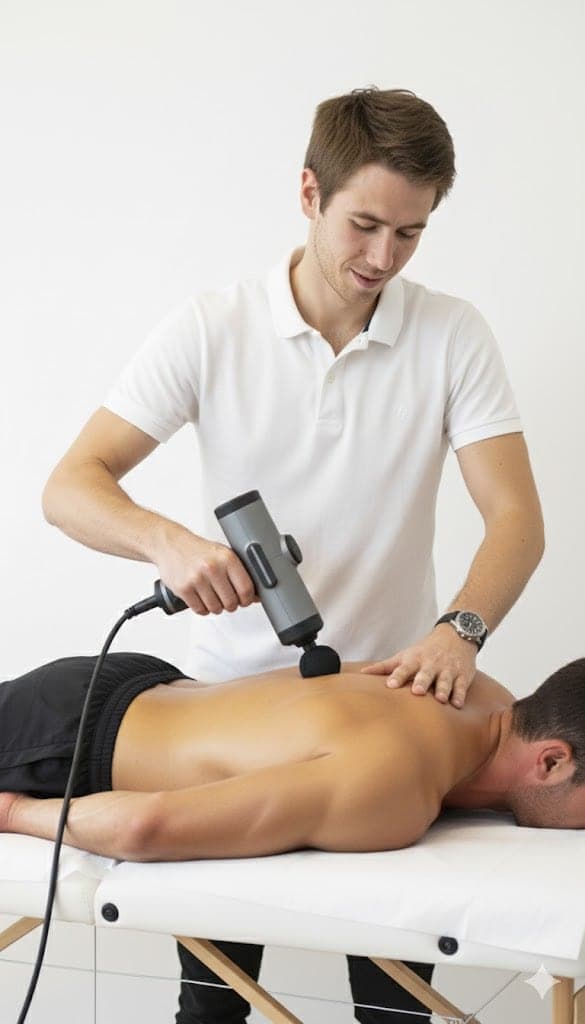
My mobile setup includes a professional treatment bench and all necessary specialized equipment, creating a clinical environment that exceeds the standards of most fixed-location wellness centers. The mechanical tools are fully portable while maintaining the same precision and power capabilities that deliver superior therapeutic outcomes.
I remember working with a busy executive who could never find time to visit massage and wellness centers in Kato Pafos due to his demanding schedule. By bringing my services to his office, we were able to conduct regular sessions that fit seamlessly into his routine. The convenience factor allowed him to maintain consistent treatment frequency, which was crucial for addressing his chronic neck and shoulder dysfunction. Within two months, his symptoms were completely resolved, and his productivity actually improved due to enhanced focus and reduced pain distraction.
The mobile approach also allows for treatment scheduling flexibility that fixed-location centers cannot match. Sessions can be arranged during optimal times for the client’s schedule and recovery needs, rather than being constrained by standard business hours and appointment availability.
Investment vs. expense: understanding the economics of effective therapeutic intervention
The financial aspect of therapeutic intervention represents a critical decision point for clients seeking lasting solutions to musculoskeletal dysfunction. The choice between ongoing massage expenses at traditional wellness centers versus investment in curative intervention has profound long-term implications.
Traditional massage therapy operates on a maintenance model where clients require regular sessions to maintain minimal symptom relief. A typical client visiting massage and wellness centers in Kato Pafos might spend €80-120 per session and require weekly or bi-weekly treatments indefinitely. Over a five-year period, this maintenance approach can cost €10,000-20,000 while providing only temporary symptom management without addressing underlying dysfunction.
My mechanical deep-tissue approach operates on a resolution model where intensive treatment periods achieve lasting structural changes in the myofascial system. While individual sessions may be priced higher than traditional massage, the total investment is significantly lower due to the finite treatment duration and lasting results achieved.
A corporate executive calculated that his chronic back pain had cost him over €15,000 in massage therapy, medical consultations, and lost productivity over seven years. After completing my twelve-session protocol, his symptoms were completely resolved at a total investment of €2,400. More importantly, his pain has not returned in the three years since treatment completion, representing true value and return on investment.
The economic analysis becomes even more compelling when considering the indirect costs of chronic pain: reduced work productivity, sleep disruption, mood effects, and activity limitations. These hidden costs often exceed the direct treatment expenses by several multiples, making effective intervention an even more attractive investment proposition.
Scientific principles underlying mechanical deep-tissue intervention effectiveness
The superior outcomes achieved through mechanical deep-tissue therapy are based on well-established physiological and biomechanical principles that traditional massage approaches cannot adequately address. Understanding these scientific foundations is crucial for making informed decisions about therapeutic intervention.
Fascial tissue responds to mechanical input through piezoelectric effects, where mechanical pressure generates electrical activity that stimulates cellular remodeling and tissue repair. Manual massage provides insufficient pressure magnitude and duration to generate significant piezoelectric responses, while mechanical intervention delivers optimal stimulation parameters for maximum tissue adaptation.
Trigger point deactivation requires precise pressure application to specific anatomical locations with controlled intensity and duration. Human hands cannot maintain consistent pressure over extended periods, leading to incomplete trigger point release and symptom recurrence. Mechanical tools provide the precision and consistency necessary for complete trigger point deactivation and lasting symptom resolution.
Neurological pain pathways respond to therapeutic input through gate control mechanisms and descending inhibitory pathways. Mechanical deep-tissue intervention generates powerful ascending sensory input that effectively closes the pain gate and activates central nervous system inhibitory responses. This neurological effect, combined with structural tissue changes, creates the foundation for lasting pain relief.
During my university training in physical education and nutrition, I studied these physiological mechanisms extensively. The theoretical knowledge, combined with ten years of clinical application, has allowed me to optimize mechanical intervention protocols for maximum therapeutic effectiveness. This scientific foundation distinguishes my approach from traditional massage techniques that rely primarily on empirical methods without understanding the underlying physiological mechanisms.
Customized treatment protocols: individualized approach to optimal outcomes
The effectiveness of therapeutic intervention depends heavily on protocol customization based on individual client characteristics, dysfunction patterns, and functional goals. Unlike massage and wellness centers in Kato Pafos that offer standardized treatments regardless of client needs, my approach emphasizes comprehensive assessment and individualized treatment planning.
Each client undergoes a detailed evaluation process that examines movement patterns, postural alignment, muscle activation sequences, and fascial restriction patterns. This assessment data informs the development of a customized treatment protocol that addresses the specific structural and functional deficits identified during evaluation.
Athletic clients require different intervention strategies compared to sedentary individuals or those with degenerative conditions. Professional athletes need protocols that enhance performance while addressing injury prevention, involving high-intensity mechanical intervention combined with movement optimization strategies. Office workers typically present with postural dysfunction patterns that require systematic correction of forward head posture, thoracic kyphosis, and hip flexor tightness.
I worked with a professional basketball player whose chronic ankle instability was limiting his court performance. Standard massage approaches had focused on calf muscle tension without addressing the complex fascial connections between his plantar fascia, posterior chain muscles, and core stability systems. My customized protocol systematically addressed these interconnected dysfunction patterns, resulting in complete ankle stability restoration and a 15% improvement in vertical jump performance.
The customization process extends beyond initial assessment to include ongoing protocol modification based on treatment response and changing client needs. This dynamic approach ensures optimal therapeutic input throughout the intervention period, maximizing outcomes while minimizing treatment duration and cost.
Professional standards and clinical excellence in therapeutic intervention
The massage and wellness industry in Kato Pafos varies significantly in terms of professional standards and clinical competency. Many practitioners lack the educational background and clinical training necessary to address complex musculoskeletal dysfunction effectively.
My Bachelor’s degree in Physical Education and Nutrition, combined with ten years of specialized clinical experience, provides the knowledge foundation necessary for advanced therapeutic intervention. This educational background encompasses anatomy, physiology, biomechanics, exercise science, and nutrition – all essential components for understanding and treating musculoskeletal dysfunction comprehensively.
Professional competency in therapeutic intervention requires ongoing education and skill development. I regularly attend advanced training seminars and workshops to stay current with emerging techniques and research developments. This commitment to professional development ensures that clients receive the most effective and up-to-date therapeutic interventions available.
Clinical documentation and outcome measurement are integral components of professional practice. Unlike traditional massage services that rely on subjective client feedback, I maintain detailed treatment records and use objective assessment tools to track progress and measure outcomes. This systematic approach ensures accountability and allows for evidence-based treatment modifications when necessary.
The professional standard I maintain extends to equipment quality and safety protocols. My mechanical intervention tools meet medical-grade standards for precision and reliability. All equipment is regularly calibrated and maintained to ensure consistent performance and client safety throughout the treatment process.
Long-term health optimization through advanced therapeutic partnerships
The concept of therapeutic partnership represents a fundamental shift from the traditional service provider-client relationship common at massage and wellness centers in Kato Pafos. This partnership approach emphasizes collaborative goal-setting, shared responsibility for outcomes, and long-term health optimization rather than symptomatic relief.
Therapeutic partnerships begin with comprehensive goal identification that extends beyond immediate pain relief to include performance enhancement, injury prevention, and quality of life improvement. These goals inform treatment planning and provide objective criteria for measuring intervention success.
Client education is a crucial component of the partnership approach. I provide detailed explanations of dysfunction patterns, treatment rationale, and self-management strategies that empower clients to participate actively in their recovery process. This educational component is typically absent from traditional massage services, which maintain a passive treatment model.
The partnership extends beyond active treatment to include maintenance and optimization strategies that preserve therapeutic gains and prevent symptom recurrence. Unlike traditional massage that requires ongoing sessions, my approach includes self-management protocols that allow clients to maintain optimal function independently.
A successful partnership with a competitive swimmer illustrates this approach effectively. After resolving her chronic shoulder impingement through mechanical intervention, we developed a maintenance protocol including specific mobility exercises and periodic assessment sessions. Three years later, she remains symptom-free and has achieved personal best times in her competitive events. The initial therapeutic investment has continued to pay dividends long after active treatment completion.
Technology and innovation in modern therapeutic intervention
The integration of advanced technology represents the future of therapeutic intervention and distinguishes progressive practitioners from traditional massage and wellness centers in Kato Pafos. My mechanical deep-tissue approach exemplifies how technology can enhance therapeutic outcomes while improving treatment consistency and precision.
The specialized machine I utilize delivers controlled pressure with precision that human hands cannot achieve. Variable intensity settings allow exact pressure calibration based on tissue characteristics and client tolerance, ensuring optimal therapeutic input while maintaining safety and comfort. This technological precision eliminates the variability inherent in manual techniques.
Real-time feedback mechanisms built into the mechanical system provide immediate information about tissue response and treatment effectiveness. This data allows for continuous treatment optimization during each session, maximizing therapeutic benefit while minimizing treatment duration.
The consistency provided by mechanical intervention is perhaps its most significant advantage over traditional approaches. Every session delivers identical pressure parameters and treatment protocols, eliminating the “off days” that affect manual practitioners. Clients receive the same high-quality treatment regardless of external factors that might compromise manual therapy effectiveness.
Technology integration extends beyond treatment delivery to include assessment and outcome measurement tools. Digital posture analysis, range of motion measurement devices, and pain assessment applications provide objective data that guides treatment decisions and documents progress throughout the intervention period.
Addressing common misconceptions about therapeutic intervention effectiveness
The massage and wellness industry in Kato Pafos is plagued by misconceptions that prevent clients from seeking truly effective therapeutic intervention. These misconceptions often stem from marketing messages that prioritize comfort and relaxation over clinical outcomes.
One prevalent misconception is that effective therapy must be painful or uncomfortable. This belief leads clients to either avoid therapeutic intervention entirely or to accept ineffective gentle treatments that fail to address their dysfunction. My mechanical approach provides precise pressure control that maximizes therapeutic effectiveness while maintaining client comfort throughout the treatment process.
Another common misconception is that all massage therapies provide equivalent outcomes. This belief ignores the significant differences in practitioner training, treatment methodologies, and outcome measurement between different approaches. The gap between traditional massage and advanced mechanical intervention is substantial and measurable in terms of clinical results.
Many clients believe that chronic pain conditions are lasting and incurable, leading them to accept ongoing symptom management rather than seeking curative intervention. This resignation prevents them from pursuing effective treatment that could eliminate their symptoms durably. My clinical experience demonstrates that most chronic musculoskeletal conditions are completely resolvable with appropriate intervention.
The misconception that therapeutic intervention is a luxury rather than a healthcare necessity also prevents clients from making informed investment decisions. When viewed correctly as healthcare intervention rather than wellness entertainment, the economic analysis strongly favors effective treatment over ongoing symptom management.
Future directions in therapeutic intervention and wellness optimization
The therapeutic intervention field is evolving rapidly, with technological advances and scientific discoveries driving improvements in treatment effectiveness and outcome predictability. Understanding these trends provides insight into the future of massage and wellness services in Kato Pafos and beyond.
Precision medicine principles are increasingly being applied to musculoskeletal intervention, with treatment protocols customized based on individual genetic profiles, biomechanical characteristics, and physiological response patterns. This personalization represents a significant advancement over the one-size-fits-all approaches common at traditional wellness centers.
Artificial intelligence integration is beginning to enhance assessment accuracy and treatment optimization. Machine learning algorithms can analyze complex movement patterns and identify dysfunction patterns that might be missed through traditional evaluation methods. This technology will eventually allow for even more precise intervention protocols and improved outcome prediction.
Telemedicine applications are expanding the reach of expert therapeutic consultation, allowing clients in remote locations to access high-quality assessment and treatment guidance. This development is particularly relevant for the Kato Pafos area, where access to specialized practitioners may be limited.
The integration of wearable technology and continuous monitoring devices will provide real-time feedback about treatment effectiveness and functional improvement. This data will allow for dynamic treatment modification and optimize intervention timing for maximum effectiveness.
My commitment to staying at the forefront of these developments ensures that clients receive the most advanced and effective therapeutic interventions available. This forward-thinking approach distinguishes my services from traditional massage and wellness centers that rely on outdated methodologies and resist technological innovation.
Frequently asked questions about advanced therapeutic intervention
How does mechanical deep-tissue therapy differ from traditional massage offered at wellness centers in Kato Pafos?
The fundamental difference lies in methodology, precision, and outcomes achieved. Traditional massage relies on manual manipulation that provides temporary relaxation and symptom relief through endorphin release and superficial muscle tension reduction. My mechanical approach targets the specific structural causes of dysfunction using controlled pressure that penetrates deeper than human hands can reach. The mechanical system delivers consistent pressure parameters that eliminate variability and ensure reproducible results. While traditional massage requires ongoing sessions to maintain minimal benefits, mechanical intervention creates lasting structural changes in the myofascial system that eliminate symptoms at their source. The investment in mechanical therapy typically results in complete problem resolution within 8-15 sessions, compared to traditional massage that may require weekly sessions indefinitely without achieving lasting improvement.
What conditions respond best to advanced mechanical deep-tissue intervention?
Mechanical deep-tissue therapy is particularly effective for chronic pain conditions that have failed to respond to traditional treatments. Chronic neck pain, shoulder impingement, lower back dysfunction, sciatica, tension headaches, and sports-related injuries show exceptional response rates to mechanical intervention. The approach is also highly effective for postural dysfunction patterns common among office workers, including forward head posture, thoracic kyphosis, and hip flexor tightness. Athletic performance optimization represents another area where mechanical intervention excels, with measurable improvements in power output, range of motion, and injury prevention. Fibromyalgia, chronic fatigue syndrome, and complex regional pain syndromes often respond favorably to the precise neurological input provided by mechanical therapy. The key factor is that conditions involving fascial restrictions, trigger points, and muscle imbalances are ideally suited to mechanical intervention, regardless of their duration or previous treatment failures.
How many sessions are typically required to achieve lasting results?
The number of sessions required depends on several factors including condition severity, duration of symptoms, tissue quality, and individual healing response. Most acute conditions resolve within 4-8 sessions, while chronic conditions that have persisted for months or years typically require 8-15 sessions for complete resolution. Complex cases involving multiple dysfunction patterns may require 15-20 sessions to achieve optimal outcomes. The session frequency is typically 1-2 times per week initially, with spacing increased as symptoms improve and structural changes stabilize. Unlike traditional massage that requires ongoing maintenance sessions, mechanical intervention aims for lasting resolution that does not require continued treatment. Follow-up sessions may be scheduled periodically for optimization and prevention, but these are typically spaced months apart rather than weekly or monthly. The goal is always complete problem resolution rather than ongoing symptom management, which represents a fundamentally different treatment philosophy from traditional wellness center approaches.
Is the mobile service as effective as treatment in a fixed clinic location?
The mobile service delivery model actually enhances treatment effectiveness compared to fixed clinic locations in several important ways. First, clients receive treatment in their most comfortable and familiar environment, which reduces stress and enhances the body’s healing response. Second, the elimination of travel requirements allows for optimal treatment timing and post-treatment recovery without the complications of driving home after intensive intervention. Third, the mobile setup uses the same professional-grade equipment and maintains identical treatment standards to any fixed clinic location. The specialized mechanical tools are fully portable while retaining all precision and power capabilities necessary for maximum therapeutic effectiveness. Additionally, the mobile approach allows for treatment scheduling flexibility that accommodates client needs rather than clinic availability. Many clients actually prefer the privacy and convenience of mobile service, reporting better relaxation and treatment tolerance compared to their experiences at traditional wellness centers. The clinical outcomes achieved through mobile intervention are identical to those obtained in fixed locations, with the added benefits of enhanced convenience and personalized service delivery.
What makes your educational background relevant to advanced therapeutic intervention?
My Bachelor’s degree in Physical Education and Nutrition from Norway provides a comprehensive scientific foundation that is essential for understanding and treating complex musculoskeletal dysfunction. The curriculum included extensive coursework in anatomy, physiology, biomechanics, exercise science, and nutrition – all critical components for effective therapeutic intervention. This educational background distinguishes my approach from traditional massage therapists who typically have limited training in these fundamental sciences. The physical education component provided deep understanding of movement patterns, athletic performance optimization, and injury prevention strategies that inform my treatment protocols. The nutrition education enhances my ability to address systemic factors that influence tissue healing and recovery processes. Ten years of clinical application have allowed me to integrate this theoretical knowledge with practical experience to develop highly effective intervention protocols. The combination of scientific education and extensive clinical experience enables me to understand not just what techniques to apply, but why specific interventions are effective and how to modify protocols based on individual client characteristics and treatment response patterns.
How do you measure treatment effectiveness and track progress?
Objective outcome measurement is integral to my professional practice and distinguishes my approach from traditional wellness centers that rely primarily on subjective client feedback. Progress tracking begins with comprehensive baseline assessment including pain scales, range of motion measurements, functional movement screening, and photographic posture analysis. These objective measures are repeated at regular intervals throughout treatment to document improvement and guide protocol modifications. Pain assessment utilizes validated numerical rating scales combined with pain mapping to track symptom location and intensity changes. Range of motion measurement employs precise goniometric assessment of affected joints and movement patterns. Functional movement screening identifies specific movement limitations and tracks improvement in movement quality over time. Postural analysis uses standardized photography protocols to document alignment changes throughout treatment. Additionally, I maintain detailed treatment records documenting pressure parameters, treatment locations, and tissue response patterns for each session. This comprehensive documentation approach ensures accountability and allows for evidence-based treatment modifications when necessary. Clients receive regular progress reports with objective data demonstrating improvement trends and remaining treatment goals.
What should clients expect during their first assessment and treatment session?
The initial consultation begins with a comprehensive health history review and detailed discussion of symptoms, previous treatments, and functional goals. This conversation typically requires 20-30 minutes and provides essential information for treatment planning. The physical assessment includes postural analysis, range of motion testing, palpation examination, and functional movement screening to identify specific dysfunction patterns and treatment priorities. I explain all findings in detail, using anatomical models and diagrams to help clients understand their condition and treatment rationale. The first treatment session introduces the mechanical intervention gradually, allowing clients to experience the sensation and adjust to the pressure parameters. Treatment intensity is carefully calibrated based on tissue response and client tolerance, ensuring optimal therapeutic benefit while maintaining comfort throughout the session. Post-treatment education covers expected responses, self-management strategies, and guidelines for activity modification during the initial treatment period. Clients receive detailed written instructions for home care and are encouraged to contact me with any questions or concerns between sessions. The entire initial appointment typically requires 90-120 minutes and establishes the foundation for a successful therapeutic partnership focused on achieving lasting problem resolution.
How does the investment in mechanical intervention compare to ongoing traditional massage costs?
The financial comparison between mechanical intervention and traditional massage reveals significant long-term savings through the resolution model versus maintenance model approaches. Traditional massage therapy at wellness centers in Kato Pafos typically costs €80-120 per session and requires weekly or bi-weekly treatments indefinitely to maintain minimal symptom relief. Over five years, this maintenance approach costs €10,000-20,000 while providing only temporary benefit without addressing underlying dysfunction. My mechanical intervention operates on a resolution model where intensive treatment periods achieve lasting structural changes. While individual sessions may be priced higher than traditional massage, the total investment is significantly lower due to finite treatment duration and lasting results achieved. Most clients achieve complete symptom resolution within 8-15 sessions, representing a total investment of €2,000-4,000 depending on case complexity. The economic advantage becomes even more compelling when considering indirect costs of chronic pain including reduced work productivity, sleep disruption, and activity limitations. These hidden costs often exceed direct treatment expenses by several multiples, making effective intervention an excellent investment proposition. Additionally, the lasting nature of results achieved through mechanical intervention eliminates ongoing treatment expenses, while traditional massage requires continuous investment without achieving lasting improvement.
Written by
Chris
Massage therapist & body mechanics specialist
Norwegian-certified with a Bachelor’s in Physical Education and Nutrition and over ten years of clinical practice, working from a portable table in clients’ homes across the Paphos district.
This article is general information from clinical practice, not a medical diagnosis. If you have severe, worsening or unexplained pain, numbness, weakness, or pain after an accident, see a doctor first.