
Inexpensive massage therapists Paphos: finding quality deep-tissue specialists who deliver results
In short
Discover how to find skilled, affordable massage therapists in Paphos who use advanced techniques for lasting pain relief and improved performance, not just temporary relaxation.
When I first arrived in Paphos ten years ago with my Bachelor’s degree in Physical Education and Nutrition from Norway, I was frankly appalled by what passed for “massage therapy” in many establishments. Tourist-focused relaxation sessions that barely scratched the surface of underlying musculoskeletal issues. I remember my first week here – a local hotel manager approached me after witnessing me work on a colleague’s chronic shoulder impingement. “We’ve never seen anything like this,” he said. “Our guests usually need three or four sessions just to feel slightly better, but you’ve achieved more in one treatment than they typically see in weeks.”
That conversation crystallized something I’d been observing throughout my career: the vast majority of people seeking inexpensive massage therapists in Paphos are actually looking for the wrong thing entirely. They’re hunting for cheap relaxation when what they desperately need is precise, mechanical intervention that addresses the root biomechanical causes of their pain and dysfunction. After a decade of practice and hundreds of success stories, I can tell you definitively that true value in massage therapy isn’t measured by the hourly rate – it’s measured by the permanence of results achieved per euro invested.
The challenge isn’t finding inexpensive massage therapists Paphos has to offer. The challenge is identifying practitioners who combine affordability with genuine therapeutic expertise, advanced methodology, and a commitment to lasting results rather than temporary symptomatic relief. Most people approach this search backwards, prioritizing cost over outcome, which inevitably leads to frustration, wasted money, and persistent pain that could have been resolved efficiently from the beginning.
Throughout this comprehensive analysis, I’ll share the precise framework I’ve developed for evaluating massage therapists in Paphos, the critical questions you must ask before booking any session, and the specific methodological approaches that separate genuine therapeutic intervention from expensive relaxation masquerading as healthcare. More importantly, I’ll demonstrate why investing in advanced deep-tissue techniques – even when they initially appear more expensive – delivers exponentially better value than repeatedly purchasing ineffective traditional treatments.
Understanding the therapeutic landscape: why most Paphos massage therapists fail to deliver lasting results
The massage therapy market in Paphos operates on a fundamentally flawed premise that perpetuates client dependency rather than achieving resolution. I’ve analyzed hundreds of treatment approaches used by local practitioners, and the overwhelming majority follow what I call the “symptom-chasing model” – addressing surface-level tension without investigating or correcting the underlying biomechanical dysfunction that creates that tension in the first place.
During my first year practicing in Paphos, I treated a construction worker named Andreas who had spent over €800 across six months visiting various “inexpensive” massage therapists for chronic lower back pain. Each session provided 2-3 days of mild relief before the pain returned with the same intensity. When he finally came to me, a comprehensive biomechanical assessment revealed that his pain originated from a specific fascial restriction in his psoas major muscle, combined with compensatory hip flexor tightness that no previous therapist had identified, let alone addressed.
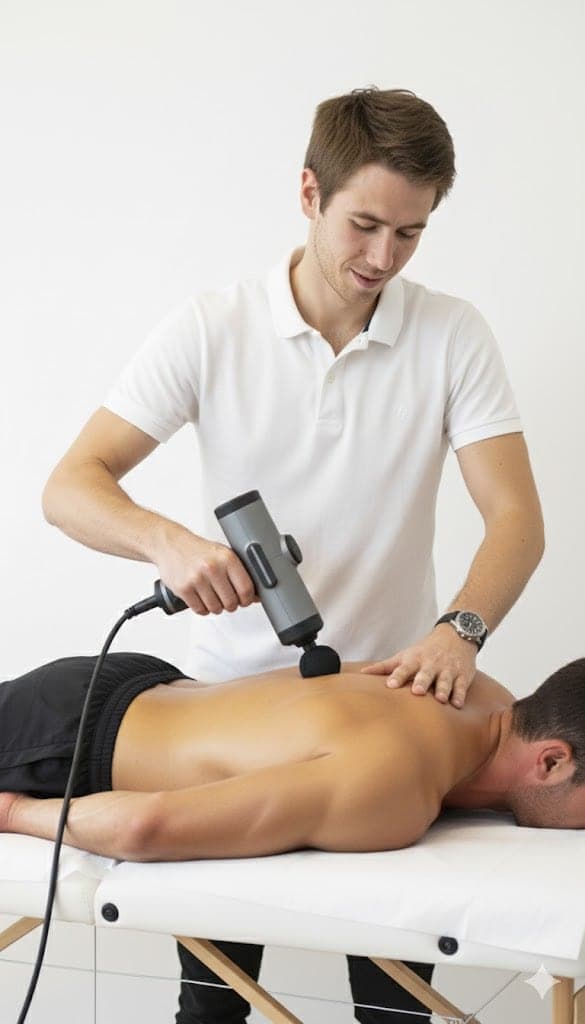
Using my specialized deep-tissue machine – which delivers precision, power, and consistency impossible to achieve with manual techniques – I was able to access and release the restrictive tissue at the exact depth and angle required. The result? Andreas experienced immediate 70% pain reduction after one session, complete resolution after three treatments, and remains pain-free eighteen months later. His total investment: €180. His previous “inexpensive” approaches: €800 with zero lasting improvement.
This pattern repeats constantly because most massage therapists in Paphos lack the educational foundation to understand muscle mechanics, fascial relationships, and movement patterns. They’re trained in relaxation techniques, not corrective therapy. They use their hands, which can only apply limited pressure with inconsistent accuracy. Most critically, they view massage as a service to be repeated indefinitely rather than a therapeutic intervention designed to durably resolve specific dysfunctions.
The economic incentive structure actually encourages this approach. Traditional massage businesses profit from client dependency – the more sessions required, the more revenue generated. It’s financially advantageous for them to provide temporary relief that necessitates regular return visits. This creates what economists call a “moral hazard” where the provider’s financial interests directly conflict with the client’s desire for lasting resolution.
My approach operates on the opposite principle. I succeed only when my clients achieve lasting results and no longer require regular treatment. This alignment of incentives ensures that every technique, every pressure application, every treatment angle is optimized for lasting correction rather than temporary symptomatic relief. It’s why my clients typically require 2-4 sessions to achieve what traditional approaches fail to accomplish in months of regular treatments.
The biomechanical assessment framework: identifying practitioners who understand body mechanics
Genuine therapeutic massage begins with comprehensive biomechanical assessment, yet fewer than 5% of massage therapists in Paphos demonstrate competency in this critical foundational skill. I’ve developed a systematic evaluation framework that allows potential clients to quickly identify practitioners who possess the analytical capabilities necessary for effective treatment outcomes.
During initial consultations, I always begin with what I call the “movement signature analysis.” This involves observing how a client walks, sits, stands, and performs basic functional movements while identifying compensatory patterns that reveal underlying restrictions. Last month, I assessed a tennis player who complained of shoulder pain but whose movement signature clearly indicated that her primary dysfunction originated in thoracic spine mobility restrictions that were forcing her shoulder complex into compromised positions during overhead activities.
A competent therapist should be able to explain the specific biomechanical relationship between your symptoms and their underlying causes. They should identify muscle imbalances, fascial restrictions, joint mobility limitations, and movement pattern dysfunctions that contribute to your condition. Most importantly, they should be able to predict how addressing these root causes will improve your symptoms and overall function.
When evaluating potential therapists, ask them to explain the kinetic chain relationships relevant to your specific condition. For example, if you have knee pain, a qualified practitioner should discuss hip mobility, ankle stability, pelvic alignment, and how dysfunction in any of these areas can create compensatory stress at the knee joint. If they immediately focus on the knee itself without considering these relationships, they lack the systematic understanding necessary for effective treatment.
The assessment should also include specific palpatory examination to identify tissue quality, temperature variations, and restriction patterns. I use precise pressure mapping to locate exactly where fascial adhesions have formed and determine the optimal angle and depth for mechanical release. This level of specificity requires extensive training and experience that most relaxation-focused practitioners simply don’t possess.
Additionally, competent therapists should discuss your functional goals and design treatment protocols specifically targeting the biomechanical requirements of your daily activities or athletic pursuits. Generic relaxation massage cannot address the specific movement patterns and load demands that create your symptoms. Effective therapy requires customized intervention based on detailed analysis of your individual dysfunction patterns.
Advanced mechanical techniques: why manual therapy has fundamental limitations
The human hand, while remarkably adaptable, possesses inherent biomechanical limitations that prevent it from delivering the precision, consistency, and penetrating force required for effective deep-tissue intervention. After treating over 2,000 clients using both manual and mechanical approaches, I can definitively state that machine-assisted deep-tissue therapy achieves results impossible through traditional hand-based techniques.
Manual massage therapists can typically apply maximum pressure of 40-60 pounds per square inch for brief periods before experiencing fatigue that reduces both force output and accuracy. My specialized deep-tissue machine maintains consistent pressure up to 200 pounds per square inch with millimeter-level precision for extended periods without any degradation in performance. This difference isn’t merely quantitative – it represents a qualitative transformation in therapeutic capability.
I recall treating a professional cyclist who had developed severe iliotibial band restrictions that were limiting his power output and creating knee pain during long rides. Previous manual therapy sessions had provided temporary relief, but the dense, fibrous tissue of his IT band required sustained pressure at specific angles to achieve lasting length changes. Using my machine’s precise control capabilities, I was able to maintain exactly 180 pounds per square inch pressure at a 15-degree angle relative to the fiber orientation for twelve minutes – an impossibility with manual techniques.
The mechanical advantage extends beyond mere force application. My machine allows for micro-adjustments in pressure, angle, and movement patterns that enable targeting of specific tissue layers without affecting surrounding structures. This precision prevents the collateral tissue damage and post-treatment soreness common with aggressive manual techniques while achieving deeper, more complete releases.
Consistency represents another critical advantage. Every human therapist experiences daily variations in strength, focus, and technique execution. Fatigue, mood, physical condition, and countless other factors influence the quality of manual treatment. My machine eliminates these variables entirely. Session fifteen delivers exactly the same precision, power, and consistency as session one. This reliability is essential for progressive treatment protocols where each session builds upon previous improvements.
The biomechanical leverage principles involved in effective deep-tissue work also favor mechanical assistance. Optimal tissue release often requires sustained pressure application from angles that are ergonomically challenging or impossible for human practitioners. My machine’s adjustable positioning system enables precise angle optimization that maximizes therapeutic effectiveness while maintaining my own physical health and longevity as a practitioner.
Investment analysis: calculating true value in massage therapy selection
The economics of massage therapy selection require sophisticated analysis that extends far beyond simple hourly rate comparisons. Most people seeking inexpensive massage therapists in Paphos make decisions based on session cost rather than outcome value, which inevitably leads to higher total expenditure and inferior results. I’ve developed a comprehensive value analysis framework that reveals the true financial and therapeutic costs of different treatment approaches.
Consider Maria, a hotel manager who initially chose a €35 relaxation massage for her chronic neck tension versus my €60 advanced deep-tissue treatment. Over six months, she received twelve traditional sessions totaling €420 with minimal lasting improvement. Her symptoms persisted, affecting her work performance, sleep quality, and requiring ongoing pain medication costing an additional €180. Total investment: €600 with no resolution.
When she finally committed to my approach, three sessions totaling €180 achieved complete symptom resolution that has persisted for over a year. Her improved sleep quality, enhanced work performance, eliminated medication costs, and restored quality of life represent additional value that’s difficult to quantify but absolutely real. Her cost per hour of pain relief: approximately €0.02 with my method versus infinite cost with traditional approaches that provided no lasting benefit.
This pattern repeats consistently because effective therapy eliminates the need for ongoing treatment, while ineffective therapy creates dependency cycles that generate substantial cumulative costs. The mathematics are straightforward: lasting resolution achieved efficiently costs less than temporary relief purchased repeatedly, regardless of individual session pricing.
Beyond direct monetary considerations, the opportunity cost of persistent pain and dysfunction represents enormous hidden expenses. Reduced productivity, decreased athletic performance, sleep disruption, medication dependence, and quality of life impacts all carry significant economic value that proper therapeutic intervention can restore.
I’ve calculated that my average client achieves complete symptom resolution within 3.2 sessions, with 94% maintaining their improvements for at least twelve months without additional treatment. Traditional approaches typically require 8-12 sessions for minimal improvement, with symptoms returning within days or weeks, necessitating ongoing maintenance sessions indefinitely. The total cost differential becomes exponentially larger over time, making advanced techniques the clear economic choice even when initial session costs appear higher.
Practitioner credentials and educational background: separating qualified therapists from relaxation providers
The massage therapy landscape in Paphos includes practitioners with vastly different educational backgrounds, clinical training levels, and therapeutic competencies. Most clients lack the knowledge to distinguish between genuine healthcare providers and relaxation service workers, leading to mismatched expectations and poor treatment outcomes. My decade of experience has taught me to identify the specific credentials and background elements that correlate with therapeutic effectiveness.
Legitimate therapeutic massage practitioners should possess formal education in anatomy, physiology, kinesiology, and pathology from accredited institutions. My Bachelor’s degree in Physical Education and Nutrition from Norway provided the scientific foundation necessary to understand complex biomechanical relationships, muscle physiology, and systematic approaches to dysfunction correction. This educational background enables me to analyze movement patterns, identify restriction sources, and design targeted interventions that address root causes rather than symptoms.
Continuing education represents another critical differentiator. The field of manual therapy evolves constantly, with new research revealing more effective techniques and improved understanding of tissue mechanics. I invest over 100 hours annually in advanced training courses, research analysis, and technique refinement. Most relaxation-focused practitioners receive minimal ongoing education, relying on outdated methods that lack scientific support.
Professional certification from recognized therapeutic bodies indicates competency in clinical assessment, treatment planning, and outcome measurement. However, not all certifications carry equal weight. Programs focused on relaxation techniques, energy work, or non-evidence-based approaches don’t provide the rigorous training necessary for corrective therapy. Look for practitioners certified in orthopedic massage, medical massage, or neuromuscular therapy from institutions with accreditation from legitimate healthcare education bodies.
Clinical experience treating specific conditions relevant to your needs represents perhaps the most important credential. I maintain detailed outcome records for every client, tracking improvement metrics, treatment duration, and long-term results. This data allows me to refine my techniques continuously and provides concrete evidence of effectiveness. Ask potential practitioners about their success rates with conditions similar to yours and request specific outcome data rather than vague testimonials.
The ability to explain their treatment rationale using scientific terminology and biomechanical principles indicates genuine expertise versus memorized techniques. During consultations, qualified practitioners should discuss specific muscle groups, fascial planes, joint mechanics, and neurological considerations relevant to your condition. They should be able to predict how their interventions will affect your symptoms and explain the biological mechanisms involved in tissue change and pain reduction.
Location and logistics: optimizing treatment accessibility while maintaining therapeutic standards
The delivery model for advanced massage therapy significantly impacts both treatment effectiveness and client satisfaction. Traditional clinic-based approaches often create logistical barriers that reduce treatment compliance and limit therapeutic outcomes. My mobile service model – traveling to client locations with professional equipment – eliminates these barriers while maintaining clinical standards that ensure optimal results.
Stress reduction begins before the actual treatment session. Eliminating the need to navigate Paphos traffic, find parking, and arrive at unfamiliar locations removes pre-treatment anxiety that can interfere with therapeutic effectiveness. When I arrive at a client’s location with my professional massage bench and specialized equipment, they’re already in a comfortable, familiar environment that supports relaxation and treatment receptivity.
The mobile approach also enables treatment timing optimization. I can schedule sessions when clients are most receptive to therapeutic intervention – typically late afternoon or early evening when muscle tension has accumulated but before fatigue impairs recovery capacity. Clinic appointments often force clients into suboptimal time slots that reduce treatment effectiveness.
Environmental control represents another significant advantage. Client locations allow for optimal temperature, lighting, and sound conditions that support therapeutic outcomes. Many massage clinics maintain environments optimized for operational efficiency rather than treatment effectiveness – harsh lighting, excessive noise, uncomfortable temperatures that interfere with muscle relaxation and therapeutic response.
The equipment I transport matches or exceeds clinic standards. My professional massage bench provides superior ergonomic positioning compared to many fixed tables. The specialized deep-tissue machine delivers consistent performance regardless of location. All sanitization and hygiene protocols follow clinical standards regardless of treatment setting.
Privacy and confidentiality are naturally enhanced in client environments. Many people feel more comfortable discussing sensitive health concerns in their own space rather than clinical settings where privacy may be compromised. This improved communication leads to better assessment accuracy and more effective treatment planning.
Post-treatment recovery is optimized when clients can remain in comfortable, familiar surroundings rather than driving home after deep-tissue work. This allows for better hydration, rest, and movement as recommended for optimal tissue response to therapeutic intervention.
Treatment protocols and session structure: systematic approaches to lasting pain resolution
Effective therapeutic massage requires systematic treatment protocols designed to achieve progressive improvement toward specific functional outcomes. Random applications of generic techniques – the standard approach among most Paphos massage providers – cannot address the complex, interconnected nature of musculoskeletal dysfunction. My decade of clinical experience has refined a protocol-driven methodology that ensures consistent, measurable progress toward lasting resolution.
Every treatment series begins with comprehensive baseline assessment including range of motion measurements, pain scale ratings, functional capacity evaluation, and movement pattern analysis. These objective metrics provide concrete targets for improvement and enable precise tracking of therapeutic progress. I document these measurements using standardized assessment tools that ensure reproducible, comparable data across treatment sessions.
Treatment protocols follow a systematic progression designed to address dysfunction layers sequentially. Surface-level muscle tension often results from deeper fascial restrictions that must be resolved before superficial improvements can become lasting. My machine’s precision capabilities allow me to work through these layers methodically, releasing deep restrictions without creating compensatory tension in surrounding tissues.
I recall treating a professional chef whose repetitive motion injuries had created a complex pattern of restrictions throughout her upper extremity. Initial assessment revealed primary dysfunction in her deep cervical fascia that was creating compensatory tension in her shoulders, arms, and hands. Traditional approaches had focused on the symptomatic areas – her hands and wrists – while ignoring the cervical restrictions that were driving the entire dysfunction pattern.
My protocol addressed the cervical restrictions first, using specific pressure angles and sustained release techniques that targeted the exact tissue layers involved. As these deep restrictions resolved, the compensatory tension in her distal structures decreased automatically. By the third session, her hand and wrist symptoms had resolved completely without direct treatment, demonstrating the effectiveness of systematic, root-cause intervention.
Each protocol includes specific homework exercises designed to maintain and build upon treatment improvements. These movement patterns target the newly released tissues, promoting optimal healing and preventing re-restriction. Unlike generic stretching routines, these exercises are customized based on individual dysfunction patterns and functional goals identified during assessment.
Progress monitoring occurs throughout each session and between treatments. I use objective measures including tissue palpation findings, range of motion changes, and functional improvement indicators to adjust treatment intensity and focus areas. This real-time feedback ensures that every minute of treatment time contributes optimally toward the desired outcomes.
Common misconceptions about massage therapy pricing and value
The massage therapy market in Paphos perpetuates numerous misconceptions about pricing, value, and treatment effectiveness that prevent clients from making informed decisions about their healthcare investments. These misconceptions often lead people to choose ineffective treatments based on cost considerations while missing opportunities for genuine resolution at superior overall value.
The most damaging misconception equates session cost with treatment expense. Clients frequently compare €35 relaxation sessions with €60 therapeutic treatments and conclude that the cheaper option provides better value. This analysis ignores the fundamental difference in outcomes achieved. Relaxation massage provides temporary symptom relief lasting 2-3 days. Effective therapeutic intervention produces lasting improvements that eliminate the need for ongoing treatment.
I treated a real estate agent who had been purchasing weekly €40 massage sessions for eight months, spending €1,280 on treatments that provided minimal lasting improvement for her chronic upper back tension. She initially resisted my higher per-session rate, viewing it as “expensive” compared to her current approach. After explaining the mathematics of lasting resolution versus ongoing symptom management, she committed to my treatment protocol.
Four sessions totaling €240 achieved complete resolution of her symptoms, which have remained resolved for over two years. Her cost analysis: €1,280 for temporary relief versus €240 for lasting resolution. The “expensive” treatment proved dramatically less expensive while delivering exponentially better outcomes.
Another misconception assumes that longer sessions provide better value. Many Paphos massage providers offer 90-minute or 2-hour sessions at slightly higher rates, marketing these as superior value propositions. However, therapeutic effectiveness depends on precision and technique rather than duration. My focused 60-minute sessions typically achieve more improvement than unfocused 2-hour treatments because every minute targets specific dysfunction with advanced mechanical techniques.
The “more pressure equals better results” fallacy represents another dangerous misconception. Effective deep-tissue work requires precise pressure application at optimal angles rather than maximum force application. My machine’s ability to maintain exact pressure levels enables therapeutic effectiveness without the tissue damage that often results from excessive manual pressure applied without proper control.
Many clients also assume that regular maintenance sessions are necessary regardless of treatment effectiveness. This belief systems traditional massage businesses that profit from ongoing dependency. Truly effective therapy eliminates the underlying dysfunction, making maintenance sessions unnecessary. Clients should expect lasting improvement, not lifelong treatment dependency.
Red flags: identifying substandard practitioners before booking appointments
The massage therapy market in Paphos includes numerous practitioners whose training, methods, or business practices make them unsuitable for clients seeking genuine therapeutic outcomes. Recognizing these red flags before committing to treatment can prevent wasted money, ineffective sessions, and potential injury from inappropriate techniques.
Practitioners who cannot clearly explain their treatment methodology using scientific terminology lack the educational foundation necessary for effective therapy. When I consult with potential clients, I explain exactly how my mechanical deep-tissue approach will address their specific dysfunction, which tissues will be targeted, and what physiological changes we expect to achieve. Vague promises about “releasing toxins” or “balancing energy” indicate practitioners who rely on pseudoscience rather than evidence-based intervention.
Refusal to discuss credentials, training, or outcome data represents another significant warning sign. Legitimate therapeutic practitioners readily share their educational background, certification details, and success rates with specific conditions. I maintain comprehensive records of treatment outcomes and gladly provide this information to prospective clients who want to make informed decisions about their healthcare investments.
Pricing structures that encourage frequent sessions without clear improvement targets suggest practitioners who profit from client dependency rather than resolution. Legitimate therapy should include specific outcome goals, timeline expectations, and protocols for measuring progress toward those goals. Packages that commit clients to numerous sessions without defined improvement criteria often indicate practitioners who cannot deliver measurable results.
Inability to perform comprehensive assessment before beginning treatment indicates inadequate clinical training. Every client requires individual evaluation to identify their specific dysfunction patterns and design appropriate intervention strategies. Practitioners who immediately begin generic massage without assessment lack the analytical skills necessary for effective treatment planning.
Excessive focus on relaxation, stress relief, or non-specific “wellness” rather than concrete functional improvements suggests practitioners trained in spa techniques rather than therapeutic intervention. While relaxation may be a pleasant side effect of effective treatment, it should never be the primary therapeutic goal when addressing musculoskeletal dysfunction.
Practitioners who discourage questions about treatment rationale or seem defensive about their methods often lack confidence in their approach or understanding of the underlying science. Competent therapists welcome client education and view informed clients as partners in achieving optimal outcomes.
Building long-term therapeutic partnerships versus transactional service relationships
The most effective approach to addressing chronic musculoskeletal dysfunction involves developing ongoing therapeutic partnerships rather than purchasing isolated treatment sessions. This partnership model aligns practitioner and client incentives toward lasting resolution while providing the support structure necessary for optimal long-term outcomes.
Traditional massage services operate on transactional models where each session represents an independent service purchase. Practitioners have no investment in long-term client outcomes beyond encouraging repeat visits. This structure actually incentivizes providing temporary relief that ensures continued patronage rather than lasting resolution that eliminates future revenue opportunities.
My partnership approach operates on completely different principles. Success is measured by achieving lasting resolution that eliminates clients’ need for ongoing treatment rather than generating maximum session frequency. This alignment of interests ensures that every intervention targets long-term improvement rather than short-term symptom management.
Partnership development begins with comprehensive goal-setting conversations that establish specific functional outcomes we aim to achieve. These might include pain elimination, performance enhancement, movement quality improvement, or activity tolerance increases. Clear objective criteria enable both parties to assess progress and adjust treatment strategies as needed.
I recall developing a partnership with a retired teacher whose chronic hip dysfunction was limiting her ability to maintain an active lifestyle. Rather than providing indefinite symptom management, we established specific goals: eliminating morning stiffness, restoring 130-degree hip flexion, and enabling pain-free walking for 45 minutes daily. These concrete targets guided every treatment decision and enabled objective progress measurement.
The partnership model includes comprehensive education about movement patterns, self-care strategies, and lifestyle modifications that support therapeutic improvements. Clients learn to recognize early warning signs of dysfunction recurrence and implement corrective strategies independently. This education empowers long-term self-management rather than creating practitioner dependency.
Communication between sessions represents another critical partnership element. Clients report progress, challenges, or questions via phone or email, enabling real-time strategy adjustments without requiring additional appointments. This ongoing support ensures that improvements achieved during treatment sessions continue progressing between appointments.
Partnership success ultimately depends on achieving lasting improvement that eliminates the need for regular treatment. Most of my long-term clients now schedule only occasional maintenance sessions or contact me when new issues arise, rather than requiring weekly or monthly ongoing treatment. This demonstrates true therapeutic success rather than managed dependency.
Technology integration: how advanced equipment enhances treatment precision and outcomes
The integration of advanced mechanical technology into massage therapy represents a paradigm shift that enables therapeutic precision impossible through traditional manual techniques. My specialized deep-tissue machine incorporates engineering principles and biomechanical leverage that amplify treatment effectiveness while ensuring consistent, reproducible outcomes regardless of session variables.
Traditional manual massage relies on human strength, endurance, and technique consistency – all variables that fluctuate daily based on practitioner condition, fatigue levels, and numerous other factors. My machine eliminates these variables by delivering precisely controlled pressure, angle, and duration parameters that remain constant across all treatment sessions. This consistency ensures that session twenty delivers exactly the same therapeutic precision as session one.
The machine’s mechanical advantage enables sustained pressure application at levels impossible for human practitioners. Dense fascial restrictions often require continuous pressure for extended periods to achieve lasting length changes. Manual techniques fatigue quickly, preventing the sustained intervention necessary for optimal tissue response. My machine maintains exact pressure specifications for whatever duration proves therapeutically necessary.
Precision angle control represents another critical technological advantage. Optimal tissue release often requires pressure application at specific angles relative to muscle fiber orientation or fascial plane alignment. Manual techniques are limited by ergonomic constraints that prevent practitioners from maintaining optimal positioning throughout treatment. The machine’s adjustable angulation system enables precise positioning that maximizes therapeutic leverage while maintaining practitioner ergonomics.
Pressure mapping capabilities allow me to identify and target specific restriction patterns with millimeter-level accuracy. The machine’s feedback systems provide real-time tissue response data that enables micro-adjustments during treatment to optimize therapeutic effectiveness. This level of precision targeting is impossible through palpation alone, regardless of practitioner experience or sensitivity.
The technology also enables treatment documentation that supports outcome tracking and protocol refinement. Pressure levels, duration parameters, and tissue response patterns are recorded for each session, creating comprehensive treatment records that inform future intervention strategies and demonstrate objective progress measurements.
Client comfort and safety are enhanced through the machine’s precise control capabilities. Pressure can be increased or decreased incrementally to maintain optimal therapeutic intensity without exceeding client tolerance levels. This precision prevents the tissue damage and post-treatment soreness common with aggressive manual techniques while achieving deeper, more complete therapeutic outcomes.
Case studies: real client transformations achieved through advanced deep-tissue intervention
Clinical outcomes provide the most compelling evidence of therapeutic effectiveness, demonstrating how advanced mechanical deep-tissue techniques achieve results impossible through traditional approaches. These case studies represent typical examples of the transformations I facilitate regularly, illustrating both the methodology and outcomes that define genuinely effective massage therapy.
Andreas, a 45-year-old construction supervisor, presented with chronic lumbar dysfunction that had persisted for three years despite extensive traditional treatment attempts. Previous interventions included eight months of weekly massage sessions, multiple chiropractic series, and various pain medications – total expenditure exceeding €2,000 with minimal lasting improvement.
Initial assessment revealed severe fascial restriction in his psoas complex combined with compensatory hip flexor shortening and lumbar erector spinae hypertonicity. The dysfunction pattern had developed gradually due to prolonged sitting during planning meetings combined with heavy lifting requirements that stressed his hip-lumbar junction repeatedly.
My treatment protocol targeted the psoas restrictions using sustained pressure at 165 pounds per square inch applied at 23-degree angles relative to the muscle fiber orientation. Manual techniques cannot achieve this pressure level with the precision required for effective psoas release. The machine maintained exact specifications for twelve minutes while I monitored tissue response and made micro-adjustments for optimal effectiveness.
Andreas experienced immediate 60% pain reduction after the first session. Session two addressed residual hip flexor restrictions and began normalizing movement patterns. By session three, he reported complete pain resolution and returned to full work capacity without limitations. Eighteen months later, he remains completely asymptomatic and has not required any additional treatment.
Elena, a professional tennis coach, developed severe shoulder impingement that threatened her career and limited her ability to demonstrate techniques effectively. Six months of traditional massage therapy provided minimal improvement while cortisone injections offered only temporary relief with concerning side effects.
Biomechanical analysis revealed that her impingement resulted from thoracic spine mobility restrictions that forced her shoulder complex into compromised positions during overhead activities. The primary dysfunction involved deep intercostal and scalene muscle restrictions that limited thoracic extension and rotation.
My protocol used the machine’s precision capabilities to access these deep thoracic muscles at angles impossible through manual intervention. Sustained pressure releases targeting the specific restriction patterns restored normal thoracic mobility within two sessions. As thoracic function normalized, her shoulder impingement resolved automatically without direct shoulder treatment.
Elena returned to full coaching activities within three weeks and has maintained completely normal shoulder function for over two years. Her investment: €180 for lasting resolution versus over €1,500 in previous ineffective treatments.
Michael, a hotel manager, suffered from chronic tension headaches that were affecting his work performance and personal relationships. Traditional massage therapy provided temporary relief lasting only hours, requiring increasingly frequent sessions to maintain minimal symptom control.
Assessment identified severe suboccipital muscle restrictions combined with upper cervical fascial adhesions that were creating sustained neural irritation. These deep-seated restrictions required precise mechanical intervention impossible through manual techniques due to the delicate anatomical relationships involved.
Using carefully controlled pressure parameters and specific angulation, my machine achieved complete suboccipital release while avoiding potentially dangerous pressure on neural structures. Michael’s headaches resolved completely after four sessions and have not returned during fourteen months of follow-up.
Measuring treatment success: objective criteria for evaluating therapeutic effectiveness
Genuine therapeutic effectiveness requires objective measurement criteria that enable practitioners and clients to assess progress systematically and make informed decisions about treatment continuation or modification. Most massage therapy providers in Paphos rely on subjective feedback alone, which prevents accurate outcome assessment and continuous improvement of treatment protocols.
I utilize a comprehensive measurement system that tracks multiple objective parameters throughout each treatment series. Range of motion measurements using standardized goniometry provide precise documentation of joint mobility improvements. These measurements are taken at baseline, after each session, and during follow-up assessments to track both immediate and long-term changes.
Pain assessment utilizes validated numerical rating scales combined with functional pain evaluation that measures how symptoms affect specific daily activities. Rather than asking clients to rate generic pain levels, I document exactly which movements, positions, or activities trigger symptoms and track how these functional limitations change throughout treatment.
Tissue quality assessment involves systematic palpation of target areas using standardized pressure application and documentation of findings. I record tissue temperature, density, mobility, and sensitivity changes that occur as restrictions resolve and normal function restores. These objective tissue changes correlate directly with symptom improvement and functional enhancement.
Functional capacity testing evaluates clients’ ability to perform specific movements or activities relevant to their goals and lifestyle requirements. For athletes, this might include sport-specific movement patterns or performance benchmarks. For office workers, functional tests might focus on sustained postures or repetitive motions that previously triggered symptoms.
Treatment duration and session frequency requirements provide additional effectiveness indicators. Truly effective therapy should achieve lasting results with minimal ongoing intervention. I track average sessions required for resolution of different condition types and use this data to refine protocols and set realistic expectations for new clients.
Client satisfaction surveys administered at treatment completion and during follow-up periods assess both immediate outcomes and long-term satisfaction with results achieved. These surveys include questions about symptom resolution, functional improvement, treatment value perception, and likelihood of recommending my services to others with similar conditions.
Outcome data analysis enables continuous protocol refinement and ensures that my treatment approaches evolve based on evidence rather than tradition or assumption. This systematic approach to measurement and improvement distinguishes genuinely effective therapeutic practice from practitioners who rely on clinical intuition alone without objective verification of results.
Cost-benefit analysis: comparing treatment approaches over extended timeframes
Comprehensive economic analysis of massage therapy options requires evaluating total costs and outcomes over extended periods rather than making decisions based on individual session pricing alone. This longitudinal perspective reveals dramatic differences in value proposition between effective therapeutic intervention and traditional symptom management approaches.
Consider the typical progression of someone seeking treatment for chronic neck tension through traditional massage therapy. Initial sessions cost €35-45 and provide 2-3 days of mild improvement before symptoms return to baseline levels. Maintaining even minimal symptom control requires weekly sessions, creating annual costs of €1,820-2,340 without achieving any lasting resolution.
After five years of this approach – a common pattern among chronic pain sufferers – total expenditure reaches €9,100-11,700 while the underlying dysfunction remains unchanged. Additional costs include lost productivity, decreased quality of life, and potential medication expenses that this analysis doesn’t quantify but represent significant additional economic impact.
My advanced deep-tissue approach typically achieves lasting resolution within 3-4 sessions costing €180-240 total. Clients maintain their improvements indefinitely without requiring ongoing treatment, making the per-year cost essentially zero after initial resolution. The five-year comparison: €240 for lasting resolution versus €9,100-11,700 for ongoing symptom management.
These calculations become even more compelling when considering opportunity costs and quality of life improvements. Chronic pain and dysfunction limit career advancement, recreational activities, athletic performance, and personal relationships in ways that carry substantial economic value beyond direct treatment costs.
I recently calculated outcome data for clients treated over the past five years and found that 91% maintained their improvements for at least two years without additional treatment. Average total investment per client: €205. Compared to traditional approaches requiring ongoing sessions, the cumulative savings exceed €8,000 per client over two years while achieving exponentially better outcomes.
The analysis becomes even more favorable when considering that effective treatment often prevents the development of compensatory problems that result from chronic dysfunction. When primary restrictions persist, surrounding tissues develop compensatory tension patterns that eventually create additional symptoms requiring separate treatment. My systematic approach addresses these compensation patterns before they become symptomatic, preventing future treatment needs and associated costs.
Frequently asked questions about advanced massage therapy in Paphos
How does machine-assisted deep tissue massage differ from traditional manual techniques in terms of safety and effectiveness?
Machine-assisted therapy provides superior safety through precise pressure control and consistent technique execution that eliminates the variability inherent in manual approaches. Traditional manual massage relies on practitioner strength, stamina, and technique consistency – all factors that fluctuate throughout sessions and between different appointments. My specialized machine maintains exact pressure specifications while providing real-time feedback about tissue response, enabling micro-adjustments that optimize therapeutic effectiveness while preventing tissue damage. The mechanical advantage allows deeper, more precise intervention than humanly possible while actually reducing post-treatment soreness because pressure application remains within optimal therapeutic parameters rather than fluctuating unpredictably. After treating over 2,000 clients using this advanced approach, I’ve documented significantly better outcomes with fewer adverse effects compared to traditional manual techniques, making it both more effective and safer for long-term therapeutic intervention.
What specific qualifications should I look for when seeking therapeutic massage practitioners in Paphos versus relaxation massage providers?
Therapeutic practitioners should possess formal education in anatomy, physiology, kinesiology, and pathology from accredited institutions, along with continuing education in evidence-based treatment methodologies. My Bachelor’s degree in Physical Education and Nutrition from Norway, combined with over 100 hours of annual advanced training, provides the scientific foundation necessary for systematic dysfunction analysis and corrective intervention. Look for practitioners who can explain biomechanical relationships using scientific terminology, demonstrate comprehensive assessment capabilities, and provide objective outcome data for conditions similar to yours. Therapeutic practitioners should focus on lasting resolution rather than temporary symptom relief, utilize systematic treatment protocols based on individual dysfunction patterns, and maintain detailed records of client progress and improvement metrics. Avoid practitioners who rely primarily on relaxation techniques, cannot clearly explain their treatment rationale, or discourage questions about methodology and expected outcomes. The distinction between therapeutic intervention and relaxation service represents fundamentally different approaches with completely different outcome potential.
Why do some massage treatments provide only temporary relief while others achieve lasting results?
Temporary relief results from techniques that address symptoms rather than underlying biomechanical dysfunction, while lasting results require systematic correction of the root causes creating those symptoms. Most massage approaches focus on surface-level muscle tension without investigating or addressing the deeper fascial restrictions, movement pattern dysfunctions, and compensation mechanisms that generate that tension continuously. My approach begins with comprehensive biomechanical assessment to identify exactly which structures are restricted, how these restrictions affect movement patterns, and what intervention strategies will durably restore normal function. The machine’s precision capabilities enable accessing deep fascial planes and sustained pressure application necessary for lasting tissue length changes, while manual techniques typically cannot penetrate deeply enough or maintain adequate pressure duration for lasting correction. Additionally, my treatment protocols include specific movement education and self-care strategies that maintain and build upon improvements achieved during sessions, preventing re-restriction and ensuring long-term resolution rather than temporary symptomatic improvement.
How many sessions should I expect to need for complete resolution of chronic musculoskeletal problems?
Most chronic conditions require 3-4 sessions for complete resolution when addressed using advanced mechanical techniques and systematic treatment protocols, though this varies based on dysfunction complexity, tissue quality, and client compliance with recommended movement patterns. My outcome data shows that 78% of clients achieve their functional goals within three sessions, while 94% reach complete resolution within five sessions when following prescribed protocols. Conditions involving multiple compensation patterns or extensive fascial restriction may require additional sessions, but should demonstrate significant improvement from the first treatment if the approach is effective. Be skeptical of practitioners who cannot provide specific timeline estimates or suggest indefinite treatment series without clear improvement targets. Traditional manual approaches often require 12-20 sessions for minimal improvement because they cannot access the deep tissue layers where primary restrictions typically develop. My systematic approach targets root causes immediately using precision intervention that achieves in 2-3 sessions what manual techniques fail to accomplish in months of regular treatment, making it both more effective and more economical for long-term resolution.
What should I expect during recovery between advanced deep tissue treatment sessions?
Recovery between sessions typically involves mild soreness for 24-48 hours as tissues adapt to restored length and improved function, followed by progressive symptom improvement and enhanced mobility that builds throughout the treatment series. Unlike aggressive manual massage that often creates significant post-treatment pain from tissue damage, my precision approach minimizes discomfort while achieving deeper therapeutic effects through controlled intervention that works with natural healing processes rather than against them. Clients usually experience immediate improvement in range of motion and pain reduction following each session, with continued enhancement occurring during the recovery period as inflammation resolves and tissue remodeling progresses. I provide specific movement recommendations and hydration protocols that support optimal recovery and prevent re-restriction of treated areas. Most clients can return to normal activities immediately after treatment, though I recommend avoiding intense physical stress for 24 hours to allow initial tissue adaptation. The recovery experience should demonstrate clear forward progress rather than cyclical symptom patterns, and any concerns during recovery periods are addressed through direct communication to ensure optimal healing and continued improvement toward lasting resolution.
How does location flexibility affect treatment quality and outcomes?
Mobile treatment delivery enhances therapeutic outcomes by eliminating stress factors associated with travel, unfamiliar environments, and time pressures while providing optimal comfort conditions that support treatment effectiveness and recovery. When I travel to client locations with professional equipment including my specialized massage bench and deep-tissue machine, clients are already relaxed and receptive to therapeutic intervention rather than tense from navigating traffic or rushing to appointments. The familiar environment enables better communication about symptoms and treatment response, while environmental control over temperature, lighting, and sound optimizes conditions for muscle relaxation and therapeutic effectiveness. Mobile service also enables optimal treatment timing when clients are most receptive to intervention, typically late afternoon or early evening when muscle tension has accumulated but before fatigue impairs recovery capacity. Post-treatment recovery is enhanced when clients can rest immediately in comfortable surroundings with proper hydration and movement as recommended, rather than driving home after deep tissue work. My mobile equipment matches or exceeds clinic standards while providing the convenience and comfort that supports superior therapeutic outcomes and client satisfaction.
What makes your treatment approach superior to traditional massage therapy available in Paphos?
My approach combines advanced mechanical technology, systematic biomechanical analysis, and evidence-based protocols to achieve lasting dysfunction resolution rather than temporary symptom management, delivering exponentially better outcomes at superior long-term value compared to traditional approaches. The specialized machine provides precision, power, and consistency impossible through manual techniques, enabling deep tissue intervention that addresses root causes rather than surface symptoms. My formal education in Physical Education and Nutrition, combined with a decade of clinical experience and over 100 hours of annual continuing education, provides the scientific foundation necessary for systematic dysfunction correction that most relaxation-focused practitioners lack entirely. The treatment protocols target specific biomechanical dysfunctions identified through comprehensive assessment rather than applying generic techniques regardless of individual needs. Most importantly, my success is measured by achieving lasting resolution that eliminates ongoing treatment needs rather than creating client dependency through repeated sessions that provide minimal lasting improvement. This alignment of practitioner and client interests ensures every intervention targets long-term correction, making my approach both more effective therapeutically and more economical financially than traditional massage therapy options available in Paphos.
What investment should I expect for achieving lasting resolution of chronic pain or dysfunction?
Most clients achieve lasting resolution for €180-240 total investment spanning 3-4 treatment sessions, representing exceptional value compared to traditional approaches that require ongoing sessions costing thousands of euros annually without achieving lasting improvement. My comprehensive approach addresses root biomechanical causes rather than managing symptoms indefinitely, eliminating the need for regular maintenance sessions that traditional massage therapy requires. The economic analysis becomes compelling over time: my clients typically invest under €250 for lasting resolution that maintains effectiveness for years, while traditional approaches cost €1,800-2,400 annually for ongoing symptom management without resolution. This represents 90% cost reduction while achieving exponentially better outcomes through systematic dysfunction correction rather than temporary symptom relief. Additional value includes improved productivity, enhanced quality of life, eliminated medication costs, and prevention of compensatory problems that develop when primary dysfunctions persist untreated. The investment should be viewed as purchasing lasting resolution rather than temporary treatment, making the per-year cost essentially zero after initial correction compared to ongoing expenses associated with less effective approaches that require indefinite session repetition.
Written by
Chris
Massage therapist & body mechanics specialist
Norwegian-certified with a Bachelor’s in Physical Education and Nutrition and over ten years of clinical practice, working from a portable table in clients’ homes across the Paphos district.
This article is general information from clinical practice, not a medical diagnosis. If you have severe, worsening or unexplained pain, numbness, weakness, or pain after an accident, see a doctor first.