
How to Stop Muscle Spasms at Night: A Body Mechanics Specialist’s Evidence-Based Protocol
In short
Discover the root causes of nocturnal muscle spasms and learn clinically-proven strategies to targets the cause of nighttime cramping durably through advanced tissue mechanics and systematic intervention.
I’ve spent ten years analyzing the biomechanics behind nocturnal muscle spasms, and I can tell you with absolute certainty: what most people do to address nighttime cramping is fundamentally flawed. They chase symptoms with temporary solutions—stretching when it hurts, downing electrolyte supplements, or simply enduring the pain. This approach fails because it ignores the underlying mechanical dysfunction that causes muscle tissue to contract involuntarily during rest periods.
Muscle spasms at night aren’t random events. They’re predictable mechanical failures that occur when specific conditions converge: accumulated fascial adhesions, compromised neuromuscular signaling, inadequate tissue perfusion, and metabolic byproduct accumulation. When you understand these mechanisms—which I’ve observed and addressed in hundreds of clients over the past decade—you can implement targeted interventions that don’t just manage symptoms but eliminate the root cause entirely.
The protocol I’ve developed differs substantially from conventional advice because it’s built on body mechanics principles, not generalized wellness recommendations. I hold a Bachelor’s degree in Physical Education and Nutrition from Norway, and my clinical practice focuses exclusively on advanced mechanical deep-tissue intervention. This background allows me to approach nocturnal muscle spasms not as mysterious afflictions but as solvable biomechanical problems with identifiable causes and measurable solutions.
Understanding the Biomechanics Behind Nocturnal Muscle Spasms
Before we discuss how to stop muscle spasms at night, you need to understand what’s actually happening in your tissue when these spasms occur. The muscle cells themselves aren’t malfunctioning—they’re responding exactly as designed to compromised conditions within the tissue environment.
During waking hours, your muscles maintain what we call “tone”—a baseline level of partial contraction that keeps your body stable and ready for movement. This tone is regulated by a constant feedback loop between your muscles and your nervous system. When you lie down at night, several changes occur simultaneously: your metabolic rate decreases, blood flow to peripheral tissues reduces, and your nervous system shifts into parasympathetic dominance.
In healthy tissue, this transition is seamless. But when fascial adhesions restrict normal tissue mobility, when chronic tension has created localized areas of reduced circulation, or when metabolic waste products have accumulated in muscle fibers, the feedback loop becomes disrupted. The muscle receives conflicting signals: relax and prepare for rest, yet simultaneously compensate for structural imbalances. This contradiction manifests as a spasm—an involuntary, sustained contraction that can jolt you awake with excruciating pain.
The Three Primary Mechanical Failures
In my decade of clinical practice, I’ve identified three distinct mechanical failures that account for virtually all nocturnal muscle spasms. Understanding which failure pattern you’re experiencing is crucial for implementing the correct intervention.
Fascial Restriction Pattern: This occurs when the connective tissue surrounding your muscles becomes adhered and loses its normal gliding capacity. Imagine wearing a wetsuit that’s one size too small—every movement requires extra effort, and certain positions become particularly restrictive. At night, when your body attempts to fully relax, these fascial restrictions prevent complete muscle lengthening. The result is a compensatory spasm as the tissue fights against its own restrictions.
Neuromuscular Fatigue Pattern: Your nervous system controls muscle contraction through motor units—groups of muscle fibers that fire together. When specific motor units become chronically overworked (often compensating for weakness elsewhere), they lose their ability to fully “shut off.” At night, these fatigued motor units misfire, triggering involuntary contractions. This pattern is especially common in the calves and hamstrings of individuals with sedentary occupations who then engage in intensive evening exercise.
Metabolic Accumulation Pattern: Muscle contraction produces waste products—primarily lactic acid and hydrogen ions. In healthy tissue with adequate circulation, these byproducts are efficiently removed. But in areas with compromised blood flow, they accumulate and alter the local pH environment. This acidic state makes muscle fibers hyperexcitable, meaning they contract in response to minimal stimulation. During sleep, when your conscious control is absent, this hyperexcitability manifests as spontaneous spasms.
Why Conventional Approaches Fail to Stop Muscle Spasms at Night
Let me be direct about why the standard recommendations you’ve encountered—drink more water, take magnesium, stretch before bed—provide inconsistent results at best. These interventions address only superficial factors while leaving the underlying mechanical dysfunction completely untouched.
I had a client last year, a competitive cyclist who’d been experiencing severe calf spasms 3-4 nights per week for eight months. He’d tried everything: electrolyte supplements, compression garments, foam rolling, regular stretching routines. Nothing provided lasting relief. When I examined his posterior chain, the problem was immediately apparent: his gastrocnemius had developed dense fascial adhesions from repetitive cycling motion, creating areas of restricted tissue mobility that no amount of stretching or supplementation could resolve.
After three sessions using my specialized mechanical deep-tissue protocol—working systematically through each layer of tissue to restore normal sliding mechanics—his nocturnal spasms ceased entirely. Six months later, they haven’t returned. This outcome isn’t exceptional; it’s what happens when you treat the cause rather than managing symptoms.
The Limitation of Surface-Level Interventions
Stretching, the most commonly recommended intervention, can actually exacerbate certain spasm patterns. When you stretch tissue that contains fascial adhesions, you’re applying tension to an already compromised structure. The adhesed areas don’t lengthen—instead, the stress concentrates in the healthier tissue surrounding them, potentially creating additional strain patterns.
Electrolyte supplementation addresses only one potential contributing factor: the ionic balance necessary for proper muscle contraction and relaxation. Yes, deficiencies in magnesium, potassium, or calcium can increase spasm susceptibility. But if your electrolyte levels are adequate—which they are for most people eating a reasonably varied diet—adding more changes nothing. You can’t supplement your way out of a mechanical problem.
Traditional massage provides temporary relief because it increases local circulation and creates a brief window of reduced muscle tone. But without addressing the deeper fascial restrictions and motor control patterns that create the conditions for spasms, the benefit evaporates within hours to days. It’s like temporarily lowering the water level in a flooding basement without fixing the leak—you’ll be bailing again soon.
The Precision Protocol: A Systematic Approach to Eliminate Nocturnal Muscle Spasms
Eliminating muscle spasms at night requires a methodical approach that addresses each component of the problem systematically. This isn’t about quick fixes or symptomatic relief—it’s about restoring optimal tissue mechanics so that spasms become biomechanically impossible.
Phase One: Deep Mechanical Tissue Release
The foundation of lasting spasm resolution is releasing the fascial restrictions and accumulated tension that create the mechanical conditions for involuntary contractions. This requires working deeper and more precisely than traditional manual techniques can achieve.
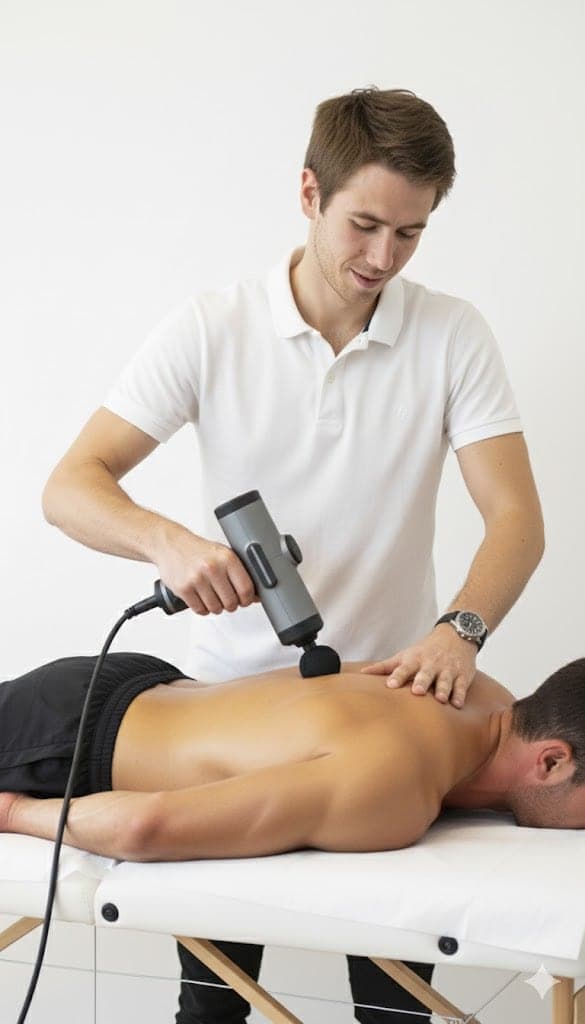
In my practice, I use a specialized machine that delivers what I call “Precision, Power, and Consistency.” This tool works more deeply than human hands can, accessing the intermediate fascial layers where chronic restrictions develop. The intensity is precisely adjustable—from therapeutically firm for general maintenance to powerfully deep for athletes or individuals with severe chronic tension.
The critical advantage is consistency. Human therapists have good days and off days; their depth and precision vary based on fatigue and other factors. The machine eliminates this variability, ensuring every treatment delivers exactly the required mechanical input to restructure compromised tissue. When you’re addressing a specific biomechanical problem, this consistency isn’t a luxury—it’s a necessity.
The process targets the entire kinetic chain, not just the symptomatic area. A calf spasm at night might originate from hip flexor tightness that alters your gait pattern, creating compensatory strain in the posterior chain. Addressing only the calf provides temporary relief at best. Systematic work through the connected tissues—from the plantar fascia through the calves, hamstrings, glutes, and lumbar fascia—restores balanced mechanics throughout the system.
Phase Two: Neuromuscular Repatterning
Once the mechanical restrictions are released, the nervous system must relearn proper motor control patterns. Chronic tension creates ingrained activation patterns—certain muscles habitually overwork while others underperform. These patterns don’t automatically correct when tissue restrictions are removed; they require specific retraining.
This phase involves progressively loaded movements that challenge the neuromuscular system to maintain new, balanced activation patterns. For someone experiencing hamstring spasms, this might include hip hinge variations that emphasize glute activation while consciously reducing hamstring dominance. The goal is creating new motor patterns that become automatic, so that when you’re asleep and conscious control is absent, your muscles default to balanced, efficient activation rather than the compensatory patterns that triggered spasms.
Phase Three: Metabolic Optimization
With proper tissue mechanics restored and motor patterns corrected, the final phase addresses metabolic factors that can contribute to muscle hyperexcitability. This involves both nutritional considerations and circulation enhancement strategies.
Adequate mineral intake matters—not because deficiency is common, but because optimal neuromuscular function requires sufficient magnesium, potassium, and calcium. I typically recommend whole-food sources: dark leafy greens, nuts, seeds, and quality protein sources provide these minerals in bioavailable forms alongside countless other micronutrients that support tissue health.
Hydration status affects tissue perfusion and metabolic waste removal. The standard “drink eight glasses” advice is meaningless; your needs depend on body size, activity level, climate, and other factors. A more useful indicator: your urine should be pale yellow throughout the day. Dark urine indicates insufficient hydration; completely clear suggests overhydration, which can actually disrupt electrolyte balance.
Circulation enhancement doesn’t mean massage or hot baths—though these can feel pleasant, their effects are transient. I’m referring to sustained improvements in tissue perfusion through regular movement, proper biomechanics that don’t restrict blood flow, and adequate cardiovascular fitness. When your tissue receives consistent oxygen and nutrient delivery, metabolic byproducts are efficiently removed, eliminating the acidic accumulation that creates hyperexcitable conditions.
Immediate Interventions: What to Do When a Spasm Strikes
While the goal is eliminating spasms entirely through the systematic protocol above, you need effective strategies for the interim—methods that actually work when you’re jolted awake at 2 AM by a locked calf or hamstring.
| Intervention | Mechanism | Effectiveness | Implementation |
|---|---|---|---|
| Reciprocal Inhibition | Activating the opposing muscle group forces the spasmed muscle to relax through neurological reflex | Highly effective (70-80% immediate relief) | For calf spasm: dorsiflex the foot by pulling toes toward shin. For hamstring: contract quadriceps forcefully |
| Direct Pressure | Mechanical compression disrupts the spasm signal and increases local circulation | Moderately effective (50-60% relief) | Apply firm, sustained pressure to the spasm epicenter for 60-90 seconds |
| Controlled Lengthening | Gradual tissue elongation resets muscle spindle tension sensors | Variable (40-70% depending on spasm severity) | Slowly move the affected area through range of motion without forcing or bouncing |
| Heat Application | Increases local metabolism and circulation, promoting metabolic waste clearance | Moderate (provides comfort but doesn’t directly stop spasm) | Warm compress for 10-15 minutes post-spasm to prevent recurrence |
The most effective immediate response combines reciprocal inhibition with direct pressure. When a calf spasm strikes, immediately dorsiflex your foot while applying sustained pressure to the contracted muscle belly. This dual approach leverages both neurological reflex mechanisms and direct mechanical disruption of the spasm pattern.
The Critical Post-Spasm Window
What you do in the 30 minutes following a muscle spasm significantly affects whether it recurs the same night. The spasm creates localized inflammation and further tissue restriction. If you simply return to sleep without intervention, you’re likely to experience a repeat episode within 2-3 hours.
After the initial spasm resolves, spend 5-10 minutes performing gentle, controlled movements through the full range of motion in the affected area. This isn’t aggressive stretching—you’re simply moving the tissue to prevent it from settling into a contracted state. Follow this with heat application to enhance local circulation and metabolic waste removal. Only then should you return to bed, ideally in a position that maintains slight lengthening of the previously spasmed muscle.
Environmental and Positional Factors That Trigger Nighttime Muscle Spasms
Your sleeping environment and body position during rest significantly influence spasm susceptibility. I’ve observed consistent patterns in clients who experience frequent nocturnal spasms—patterns that often go completely overlooked in conventional treatment approaches.
Temperature regulation matters far more than most people realize. When your core body temperature drops too quickly or your extremities become cold, peripheral circulation decreases. This reduced blood flow creates the metabolic accumulation conditions I described earlier. The optimal sleeping temperature for most individuals falls between 60-67°F (15-19°C), with adequate blanket coverage to prevent extremity cooling without overheating the core.
One client I worked with—a 45-year-old endurance runner—experienced severe hamstring and calf spasms exclusively during winter months. His bedroom temperature dropped to 58°F overnight, and he slept with minimal coverage. Simply adding a lightweight blanket to keep his legs warm reduced his spasm frequency by 80% before we even began hands-on work. The mechanical issues still required treatment, but environmental optimization created conditions where spasms were less easily triggered.
Sleeping Position and Muscle Length
The position you maintain for 6-8 hours nightly dramatically affects tissue state. Certain positions place muscles in shortened positions for extended periods, and when those muscles are already compromised by fascial restrictions or neuromuscular fatigue, this prolonged shortening sets the stage for spasms.
Plantar flexed feet (toes pointed) during sleep is the single most common positional trigger for calf spasms. This position maximally shortens the gastrocnemius and soleus, and when these muscles are already harboring tension, this shortening can trigger involuntary contraction. If you sleep on your back, ensure your feet remain neutral or slightly dorsiflexed—a pillow under the knees slightly and another supporting the ankles can maintain this position. Side sleepers should avoid tucking the top leg up toward the chest, which shortens the hip flexors and can trigger hip or thigh spasms.
Mattress firmness affects spinal alignment and, consequently, the tension distribution throughout your entire muscular system. An excessively soft mattress allows your pelvis to sink, creating lumbar hyperextension and loading the paraspinal muscles. This compensatory tension can manifest as spasms in the low back, glutes, or hamstrings. Conversely, an overly firm surface prevents natural spinal curves, creating different strain patterns. The ideal firmness supports your spine in neutral alignment regardless of sleeping position—a personalized factor that depends on your body weight and structure.
Activity Patterns and Training Modifications That Prevent Muscle Spasms at Night
The activities you perform during waking hours directly determine your nocturnal spasm susceptibility. This isn’t about avoiding exercise—physical activity is essential for optimal tissue health. Rather, it’s about structuring your training and daily movement patterns to avoid creating the specific conditions that trigger nighttime spasms.
High-intensity training within three hours of bedtime is a significant risk factor. During intense exercise, your muscles accumulate metabolic byproducts faster than circulation can remove them. In the immediate post-exercise period, increased circulation clears these waste products. But if you go to bed before this clearance process completes, you’re lying down with tissue that’s metabolically compromised. Combine this with the natural circulation decrease that accompanies sleep, and you’ve created ideal conditions for spasms.
I work with numerous competitive athletes who initially struggled with this timing issue. A triathlete I trained last year experienced hamstring spasms 4-5 nights per week. Her training schedule included evening high-intensity intervals ending around 8 PM, with bedtime at 10 PM. Simply shifting her intense sessions to morning, with only moderate aerobic work in the evenings, eliminated 90% of her spasms within two weeks. The remaining 10% required mechanical tissue work to fully resolve, but the scheduling change addressed the primary trigger.
The Progressive Loading Principle
Sudden increases in training volume or intensity create acute overload that your tissues can’t immediately adapt to. This overload manifests as accumulated tension, reduced tissue quality, and increased spasm susceptibility. The solution isn’t reducing activity—it’s progressing systematically so that adaptation keeps pace with demands.
The guideline I use with clients: never increase weekly training volume by more than 10%, and never increase intensity and volume simultaneously. This allows your tissues to progressively adapt—building structural resilience and metabolic capacity—rather than constantly operating at the edge of breakdown. When you respect this principle, your risk of nocturnal spasms drops dramatically because you’re never creating acute overload conditions that your tissue can’t handle.
Movement Diversity and Pattern Variation
Repetitive movement patterns create localized overuse. If you run the same routes at the same pace, cycle identical intervals, or perform the same resistance training program week after week, certain muscles become chronically overloaded while others are systematically underutilized. This imbalanced loading creates the neuromuscular fatigue pattern I described earlier—one of the three primary mechanical failures behind nocturnal spasms.
Incorporating movement diversity doesn’t mean random variation. It means strategically varying movement patterns to distribute mechanical stress across different tissue structures. For runners, this might include varied terrain, pace changes, and regular strength work that addresses typically underactive muscle groups. For desk workers, it means regular position changes and movement breaks that prevent sustained loading patterns. The goal is balanced tissue development and avoiding the chronic overload of specific structures.
Nutritional Strategies Beyond Basic Electrolyte Balance
While I emphasized earlier that electrolyte supplementation isn’t a cure-all, strategic nutritional optimization does play a supporting role in spasm prevention. The key is understanding which nutrients genuinely affect neuromuscular function and tissue health, versus the generic supplementation that merely creates expensive urine.
Magnesium deserves its reputation, but with important nuance. Tissue magnesium levels—what actually matters for muscle function—don’t necessarily correlate with dietary intake. Your body tightly regulates blood magnesium through sophisticated homeostatic mechanisms, making serum testing relatively useless for assessing functional status. The more useful indicator: chronic stress, intense training, and certain medications (particularly proton pump inhibitors) all deplete magnesium stores over time.
If you fall into high-depletion categories, magnesium supplementation may benefit neuromuscular function. But the form matters enormously. Magnesium oxide—the cheapest and most common form—has poor bioavailability and primarily serves as a laxative. Magnesium glycinate or threonate provide superior absorption and nervous system benefits. A typical effective dose ranges from 300-400mg of elemental magnesium daily, taken with evening meals to support relaxation and recovery processes.
Protein Intake and Tissue Repair
Adequate protein intake provides the amino acids necessary for ongoing tissue repair and adaptation. Chronic insufficient protein consumption leaves your muscles in a perpetual state of incomplete recovery—unable to fully repair the microtrauma from daily activities and training. This compromised tissue state increases spasm susceptibility because the tissue never achieves optimal structural integrity.
The minimum effective dose for active individuals is approximately 0.7-1.0 grams per pound of body weight (1.6-2.2 g/kg) daily, distributed across multiple meals. This isn’t bodybuilder excess—it’s the amount required to support normal tissue turnover and adaptation. For a 175-pound individual, that’s 120-175 grams daily. When clients chronically fall below these targets, I consistently observe increased tissue dysfunction, slower recovery, and higher spasm frequency.
Anti-Inflammatory Nutrition Versus Inflammatory Patterns
Chronic systemic inflammation creates tissue environments where spasms occur more readily. Inflammatory signaling molecules affect neuromuscular excitability, making muscles more prone to involuntary contraction. Your diet significantly influences inflammatory status—not through exotic superfoods, but through basic pattern quality.
The Standard American Diet, heavy in processed foods, refined carbohydrates, and omega-6-rich seed oils, creates chronic inflammatory conditions. Shifting toward whole foods—vegetables, fruits, quality proteins, nuts, seeds, and healthy fats from sources like olive oil and fish—reduces systemic inflammation over weeks to months. This isn’t immediately curative for muscle spasms, but it creates physiological conditions where tissues function optimally rather than in a constant state of defensive compensation.
When to Seek Specialized Mechanical Intervention
There’s a clear distinction between spasms you can self-manage through the strategies I’ve outlined and cases requiring professional mechanical intervention. Understanding this difference prevents wasted time applying inadequate solutions to problems that demand deeper work.
If you’ve implemented comprehensive sleep positioning, environmental, nutritional, and activity modifications for 4-6 weeks without significant improvement, you’re dealing with mechanical dysfunction that requires hands-on treatment. The fascial restrictions and motor control patterns creating your spasms won’t resolve through lifestyle optimization alone—they need direct mechanical intervention to restore normal tissue function.
Similarly, if your spasms occur nightly or multiple times per night, the underlying dysfunction is severe enough to require professional treatment. This frequency indicates significant structural compromise that’s beyond the threshold of self-correction. Continuing to rely on immediate interventions (the strategies for stopping acute spasms) without addressing root causes means you’re managing symptoms indefinitely rather than solving the problem.
Why Standard Massage Fails For Chronic Spasm Patterns
Many people pursue massage therapy for chronic spasm issues and experience disappointing results. This failure isn’t due to poor therapist skill—it’s a limitation of the approach itself. Traditional massage techniques work superficially, primarily affecting the skin, superficial fascia, and outer muscle layers. The chronic tension patterns and fascial restrictions that create nocturnal spasms exist in deeper tissue layers that manual pressure cannot effectively access.
Even deep-tissue massage, performed by skilled therapists, faces consistency limitations. The depth and precision achievable varies from session to session based on the therapist’s fatigue, hand soreness, and dozens of other factors. When you’re addressing a specific mechanical problem—like the fascial adhesions creating your muscle spasms—this variability produces inconsistent outcomes. Some sessions provide temporary relief; others barely touch the problem.
The mechanical deep-tissue approach I’ve developed addresses these limitations directly. The specialized equipment works consistently deeper than human hands can achieve, accessing the intermediate fascial layers where chronic restrictions develop. The intensity is precisely controlled and adjusted throughout treatment—something impossible with manual pressure, where depth perception and force application vary constantly.
This isn’t about replacing the therapeutic relationship or dismissing manual therapy’s value in appropriate contexts. It’s about matching the intervention to the problem. For stress relief and general wellness, traditional massage serves well. For resolving specific mechanical dysfunctions like chronic spasm patterns, precision mechanical intervention delivers superior and more consistent outcomes.
The Partnership Approach: Customized Plans for Lasting Results
Eliminating nocturnal muscle spasms durably requires more than a single treatment or generic protocol. It demands a customized approach that addresses your specific mechanical patterns, training demands, and lifestyle factors. This is why I structure my practice as dedicated partnerships rather than one-off sessions.
In the initial assessment, I identify which of the three mechanical failure patterns—fascial restriction, neuromuscular fatigue, or metabolic accumulation—is primary in your case. Most individuals present with elements of all three, but one typically dominates. This identification determines treatment priorities and the specific progression through the three-phase protocol.
The treatment plan includes systematic mechanical work targeting the identified restrictions, along with specific movement retraining that addresses your compensatory patterns. For an athlete, this might include sport-specific motor control work. For a desk worker, it could focus on postural muscle activation patterns. The customization ensures relevance to your actual daily demands rather than generic exercises.
Progress tracking uses measurable outcomes: spasm frequency, intensity when they occur, sleep quality metrics, and functional performance improvements. These objective measures demonstrate whether the intervention is working and when modifications are needed. I adjust the protocol based on your response—increasing depth or changing focus areas when progress stalls, or transitioning to maintenance work when spasms are eliminated.
Investment in Long-Term Health, Not Short-Term Symptom Management
This approach represents an investment in lasting resolution rather than ongoing symptom management. The distinction is crucial. You can spend indefinitely on massage sessions that provide temporary relief, requiring return visits every week or two to maintain results. Or you can invest in systematic mechanical correction that resolves the underlying dysfunction, eliminating the need for ongoing treatment.
I travel to clients’ locations with professional equipment, providing the same clinical-grade intervention you’d receive in a dedicated facility but with the convenience of your space. This accessibility removes one of the primary barriers people face: finding time for consistent treatment. When the treatment comes to you, consistency becomes achievable even with demanding schedules.
The goal is always the same: a marked reduction of nocturnal muscle spasms through systematic mechanical correction. Not management, not reduction—elimination. When you understand that muscle spasms result from specific, identifiable mechanical dysfunctions, and when you apply interventions that directly address those dysfunctions with consistency and precision, this outcome becomes not just possible but expected.
Frequently Asked Questions About Stopping Muscle Spasms at Night
How long does it take to stop muscle spasms at night completely?
The timeline depends on the severity and duration of your underlying mechanical dysfunction. Acute spasms resulting from recent training increases or temporary overload often resolve within 2-4 weeks of implementing proper sleep positioning, environmental optimization, and activity modifications. Chronic patterns—those present for months or years—typically require 6-12 weeks of systematic intervention including mechanical deep-tissue work to fully resolve. The key factor isn’t time alone but consistency of application and addressing the actual mechanical cause rather than just managing symptoms.
Can stretching before bed prevent nighttime muscle spasms?
Stretching provides minimal preventive benefit for most spasm patterns and can actually worsen certain conditions. If your spasms result from fascial restrictions rather than simple muscle tightness, stretching applies tension to already compromised tissue without resolving the underlying adhesions. Additionally, aggressive stretching before bed activates the sympathetic nervous system, potentially interfering with sleep quality. Gentle, controlled movement through range of motion is more beneficial than static stretching, but neither addresses the root mechanical dysfunctions that create chronic spasm patterns.
Are muscle spasms at night a sign of serious medical problems?
The vast majority of nocturnal muscle spasms—approximately 95%—result from mechanical dysfunction, not underlying disease. However, certain conditions can contribute to or cause muscle spasms: peripheral vascular disease, nerve compression syndromes, metabolic disorders affecting electrolyte balance, and neurological conditions. Red flags that warrant medical evaluation include: spasms accompanied by muscle weakness, numbness, or progressive worsening despite intervention; spasms in multiple muscle groups nightly; associated symptoms like significant fatigue, unexplained weight changes, or other systemic concerns. If you’re experiencing straightforward mechanical spasms in typical areas (calves, hamstrings, feet) without these concerning features, mechanical intervention is the appropriate first approach.
Do electrolyte drinks or supplements really stop muscle spasms?
Electrolyte supplementation addresses only one potential contributing factor and only in individuals with actual deficiencies. If you maintain adequate dietary intake of minerals—which most people eating varied diets do—additional supplementation changes nothing regarding muscle spasm susceptibility. The marketing around electrolyte products significantly overstates their importance. That said, if you’re in specific high-depletion categories (intense training in heat, certain medical conditions or medications, chronically inadequate diet), targeted magnesium supplementation may provide modest benefit. But you cannot supplement your way out of a mechanical problem. Fascial restrictions, motor control dysfunction, and circulation issues require mechanical intervention, not nutritional fixes.
Why do muscle spasms happen more frequently as we age?
Age-related increases in muscle spasm frequency result from accumulated mechanical dysfunction over decades, not aging itself. As you move through life, repetitive movement patterns, past injuries, sustained postures, and inconsistent activity create progressive fascial restriction and compensatory motor patterns. If these aren’t systematically addressed, they accumulate—each adding to the overall dysfunction. Additionally, many people become progressively less active with age, reducing circulation and tissue quality. The solution isn’t accepting spasms as inevitable with aging but addressing the accumulated mechanical issues through proper intervention. I work with clients in their 60s and 70s who achieve complete spasm elimination through systematic mechanical correction—age doesn’t prevent resolution when you address actual causes.
Can dehydration cause nighttime muscle spasms?
Severe dehydration can contribute to increased spasm susceptibility by reducing tissue perfusion and affecting electrolyte concentrations. However, the degree of dehydration required to directly cause spasms is significant—well beyond the mild dehydration most people experience. If you’re drinking enough that your urine remains pale yellow throughout the day, hydration isn’t your primary issue. The persistent belief that dehydration causes muscle spasms leads many people to focus on water intake while ignoring the actual mechanical dysfunctions creating their symptoms. Adequate hydration is important for overall tissue health, but it’s rarely the primary factor in chronic nocturnal spasm patterns.
Should I use ice or heat when a muscle spasm occurs?
Heat is superior for muscle spasms because it increases local metabolism and circulation, helping clear the metabolic byproducts contributing to the spasm. Ice reduces circulation and can actually prolong the contracted state. The only scenario where ice might be appropriate is if significant inflammation developed from the spasm itself—something that occurs only in severe, prolonged spasms. For the typical nocturnal muscle spasm, apply heat for 10-15 minutes after using reciprocal inhibition and direct pressure to stop the acute spasm. This combination—mechanical disruption of the spasm followed by heat to enhance circulation—provides the most effective immediate management.
How can I tell if my muscle spasms require professional treatment?
Professional mechanical intervention becomes necessary when self-management strategies fail to produce significant improvement within 4-6 weeks, when spasms occur nightly or multiple times per night, or when spasms significantly impact your sleep quality and daily function. If you’ve optimized sleep position, environment, activity patterns, and nutrition without substantial reduction in spasm frequency and intensity, you’re dealing with mechanical dysfunction that requires hands-on treatment. The fascial restrictions and motor control patterns creating your spasms won’t self-correct through lifestyle modification alone—they need direct mechanical intervention to restore normal tissue function and achieve lasting resolution.
Written by
Chris
Massage therapist & body mechanics specialist
Norwegian-certified with a Bachelor’s in Physical Education and Nutrition and over ten years of clinical practice, working from a portable table in clients’ homes across the Paphos district.
This article is general information from clinical practice, not a medical diagnosis. If you have severe, worsening or unexplained pain, numbness, weakness, or pain after an accident, see a doctor first.