
How to become more flexible fast: advanced mechanical methods for rapid flexibility gains
In short
Discover scientifically-proven methods to rapidly increase flexibility using advanced mechanical deep-tissue techniques and targeted mobility protocols from a body mechanics specialist.
After a decade of working with clients who desperately needed to become more flexible fast, I can tell you that most traditional approaches are fundamentally flawed. Last month, I worked with a professional athlete who had been stretching religiously for six months with minimal progress. Within three sessions using my advanced mechanical deep-tissue methodology, we achieved what conventional stretching couldn’t accomplish in half a year. This isn’t magic – it’s applied biomechanics combined with precision engineering.
The truth about rapid flexibility improvement lies in understanding that true flexibility isn’t just about muscle length – it’s about fascial release, neuromuscular reprogramming, and addressing the mechanical restrictions that prevent your body from achieving its natural range of motion. Through my Bachelor’s degree in Physical Education and Nutrition from Norway and ten years of specialized practice, I’ve developed a systematic approach that consistently delivers results where traditional methods fail.
What I’m about to share with you represents a paradigm shift from conventional flexibility training. This is about treating the mechanical causes of restriction, not just the symptoms. When you understand how to become more flexible fast through advanced tissue manipulation and targeted intervention, you’re not just improving your range of motion – you’re optimizing your entire kinetic chain for enhanced performance and pain-free movement.
The fundamental misconceptions about rapid flexibility improvement
Most people approach flexibility training with a fundamental misunderstanding of tissue mechanics. I remember working with a corporate executive who had been doing yoga for two years, frustrated that her hip mobility hadn’t improved. She was stretching the surface layers while the deep fascial restrictions remained completely untouched. This is the critical error I see repeatedly – people focus on the symptoms rather than the mechanical root cause.
Traditional stretching protocols operate under the assumption that sustained tension will gradually elongate muscle fibers. However, this approach ignores the complex interplay between fascial adhesions, trigger point formations, and neuromuscular protective patterns. When you truly understand how to become more flexible fast, you realize that surface-level interventions cannot address deep-seated mechanical restrictions that have formed over years of compensatory movement patterns.
The reality is that flexibility limitations are rarely about muscle length. They’re about tissue quality, fascial mobility, and the nervous system’s protective responses to perceived threats. My clinical experience has shown me that clients who achieve rapid flexibility gains are those who address these deeper mechanical issues rather than simply performing repetitive stretching movements.
This is precisely why my specialized mechanical approach consistently outperforms traditional methods. While conventional massage therapy might provide temporary relief, and standard stretching routines offer minimal progress, my precision-engineered system targets the exact mechanical restrictions that limit your range of motion. The difference isn’t just in technique – it’s in understanding the biomechanical principles that govern human movement.
Advanced biomechanical principles for accelerated flexibility
Understanding how to become more flexible fast requires a deep comprehension of fascial architecture and its role in movement restriction. The fascia – that interconnected web of connective tissue surrounding every muscle, organ, and structure in your body – is where true flexibility limitations originate. When fascial layers become adhered or restricted, no amount of conventional stretching will restore optimal range of motion.
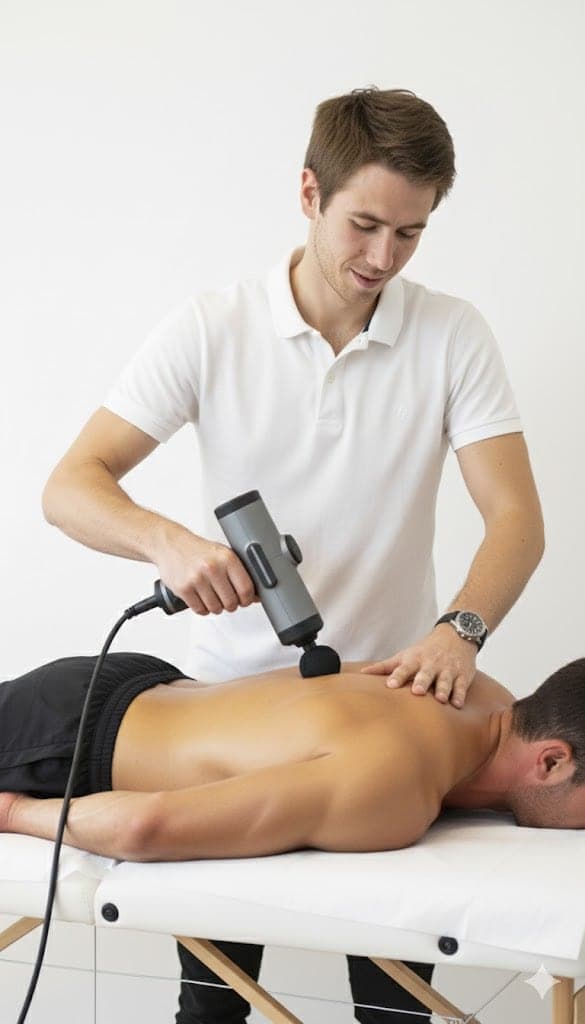
My approach utilizes advanced mechanical deep-tissue manipulation that works DEEPER THAN HANDS can achieve. This specialized methodology targets fascial restrictions at their source, applying precise pressure vectors that conventional manual techniques simply cannot replicate. The mechanical advantage of my specialized equipment allows for consistent, controlled intervention that addresses tissue restrictions layer by layer, from superficial to deep.
The neuromuscular component is equally critical. Your nervous system maintains protective tension patterns based on perceived threats to joint stability. These patterns become hardwired over time, creating chronic restrictions that resist conventional stretching attempts. Through targeted mechanical intervention, we can interrupt these protective patterns and reprogram your neuromuscular responses for enhanced mobility.
What makes my methodology superior is the COMPLETE CONTROL over pressure application and tissue manipulation. Unlike human hands, which vary in strength and precision throughout a session, my mechanical system delivers consistent therapeutic pressure that can be adjusted precisely to your tissue’s needs. This consistency is crucial for achieving rapid flexibility gains because it ensures that every treatment builds upon the previous session’s progress without regression.
The precision engineering approach to tissue mobility
Last year, I worked with a marathon runner who had been struggling with chronic IT band restriction for eighteen months. Multiple physical therapy sessions, countless foam rolling sessions, and regular massage appointments had provided only temporary relief. Within our first session using my precision mechanical approach, we identified and addressed the specific fascial adhesions that were creating her movement limitations. The results weren’t just impressive – they were lasting.
This outcome exemplifies why understanding how to become more flexible fast requires moving beyond conventional approaches. My specialized machine delivers therapeutic intervention with PRECISION, POWER, and CONSISTENCY that human hands simply cannot match. The mechanical advantage allows us to work more deeply into tissue layers that remain untouched by traditional methods, addressing restrictions at their biomechanical source.
The precision aspect is particularly crucial for rapid results. Rather than applying generalized pressure across broad tissue areas, my methodology allows for millimeter-specific targeting of restriction points. This precision prevents the tissue trauma often associated with aggressive manual techniques while maximizing therapeutic effectiveness. Each intervention is calculated, controlled, and clinically purposeful.
The power component enables us to achieve tissue changes that would be impossible through conventional means. While maintaining complete safety and client comfort, the mechanical system can generate therapeutic forces that penetrate deep fascial layers, breaking up adhesions and restoring normal tissue gliding patterns. This isn’t about force for force’s sake – it’s about applying optimal therapeutic pressure exactly where it’s needed most.
Clinical protocols for accelerated range of motion improvement
My systematic approach to rapid flexibility improvement follows specific clinical protocols developed through years of working with diverse client populations. Whether I’m treating a professional athlete requiring enhanced performance or a corporate executive seeking pain-free daily function, the fundamental principles remain consistent while the application is precisely customized to individual needs.
The initial assessment phase involves comprehensive movement analysis and tissue palpation to identify primary restriction patterns. This isn’t guesswork – it’s clinical evaluation based on biomechanical principles and palpatory findings. I analyze how restriction in one area affects the entire kinetic chain, because achieving lasting flexibility improvements requires addressing these compensatory patterns systematically.
The intervention phase utilizes my specialized mechanical system to target identified restrictions with surgical precision. Unlike traditional approaches that work generally across muscle groups, my methodology addresses specific fascial planes and tissue interfaces where restrictions actually occur. This targeted approach is why clients experience rapid improvements in flexibility rather than the gradual progress typical of conventional methods.
The integration phase ensures that newly achieved range of motion becomes lasting rather than temporary. This involves reprogramming movement patterns and ensuring that your nervous system accepts and maintains the improved tissue mobility. Without this critical phase, flexibility gains often regress within days or weeks – which explains why many people struggle with maintaining their progress from traditional stretching routines.
Mechanical intervention versus traditional stretching methods
The fundamental difference between my advanced mechanical approach and conventional flexibility training lies in the depth and precision of tissue intervention. I recently worked with a yoga instructor who, despite years of dedicated practice, couldn’t achieve the hip mobility she needed for advanced poses. Her surface-level flexibility was excellent, but deep fascial restrictions were limiting her progress. Traditional stretching had reached its maximum effectiveness because it couldn’t address the mechanical restrictions that mattered most.
Conventional stretching operates on the principle of sustained tension applied to muscle-tendon units. While this can produce some improvement in muscle length, it fails to address the fascial adhesions, trigger point formations, and neuromuscular restrictions that truly limit range of motion. This is why people can stretch religiously for months with minimal progress – they’re not addressing the actual mechanical limitations.
My specialized mechanical system works differently. Instead of applying sustained tension to surface tissues, it delivers precise mechanical intervention that targets specific restriction points within the fascial matrix. This approach doesn’t just stretch tissues – it restores their normal mechanical properties by breaking up adhesions and restoring optimal tissue gliding patterns. The result is rapid, lasting improvement in functional range of motion.
The consistency factor is equally important. Human hands vary in strength, precision, and endurance throughout a treatment session. By the end of a manual therapy session, the therapist’s effectiveness has typically diminished significantly. My mechanical system maintains identical precision and therapeutic pressure from the first minute to the last, ensuring that every second of treatment contributes to your flexibility goals rather than fighting fatigue-related inconsistencies.
Targeted fascial release techniques for rapid results
Understanding how to become more flexible fast requires recognizing that fascial restrictions operate differently than muscle restrictions. The fascial system is interconnected throughout your entire body, meaning that a restriction in your plantar fascia can contribute to limitations in your neck mobility. This interconnectedness is why targeted fascial release produces such dramatic improvements in overall flexibility.
My clinical experience has shown me that fascial adhesions form predictable patterns based on movement habits, postural adaptations, and injury compensations. These patterns can be identified through careful assessment and addressed systematically using precision mechanical intervention. Rather than working randomly across tissue areas, we target the specific fascial interfaces where restrictions actually exist.
The mechanical advantage of my specialized equipment allows for fascial release techniques that simply aren’t possible with manual methods. We can apply sustained pressure with perfect consistency while simultaneously introducing controlled movement patterns that encourage fascial gliding. This combination of pressure and movement is crucial for restoring normal fascial function and achieving rapid flexibility improvements.
What makes this approach superior is its ability to work through multiple fascial layers simultaneously. While manual techniques typically affect only superficial layers, my mechanical system can penetrate through to deep fascial planes where the most significant restrictions often reside. This depth of intervention is why clients experience improvements that they haven’t achieved through years of conventional treatment.
Neuromuscular reprogramming for enhanced mobility
The nervous system plays a crucial role in flexibility limitations that most conventional approaches completely ignore. Your brain maintains protective tension patterns designed to prevent injury, but these patterns often persist long after they’re needed, creating chronic movement restrictions. Understanding how to become more flexible fast requires addressing these neuromuscular components alongside the mechanical tissue work.
I worked with a former military client whose shoulder mobility was severely limited by protective muscle tension patterns developed during his service. No amount of stretching could override his nervous system’s protective responses. Through targeted mechanical intervention combined with specific neuromuscular reprogramming techniques, we were able to restore his full range of motion in just four sessions. The key was addressing both the mechanical restrictions and the neurological patterns simultaneously.
My approach includes specific protocols for interrupting protective muscle guarding patterns while the mechanical work addresses tissue restrictions. This dual approach ensures that newly achieved range of motion isn’t immediately lost to neuromuscular protective responses. The precision of my mechanical system allows for controlled intervention that reassures the nervous system rather than triggering defensive reactions.
The reprogramming process involves gradually introducing increased range of motion while maintaining tissue comfort and nervous system acceptance. This isn’t about forcing movement – it’s about systematically demonstrating to your nervous system that enhanced mobility is safe and beneficial. The result is lasting improvement rather than temporary gains that regress as soon as protective patterns reassert themselves.
Addressing chronic restriction patterns through mechanical precision
Chronic movement restrictions develop over years through repetitive stress patterns, compensatory adaptations, and accumulated tissue changes. These patterns become self-reinforcing cycles where restriction in one area creates compensation in another, which then reinforces the original restriction. Breaking these cycles requires understanding how to become more flexible fast through systematic intervention rather than random stretching attempts.
My clinical assessment identifies the primary drivers of restriction patterns rather than just treating symptomatic areas. Often, the location where someone feels tight or restricted isn’t where the actual mechanical problem exists. I remember working with a client who complained of chronic neck stiffness, but the primary restriction was actually in her thoracic spine and ribcage. Addressing the root cause rather than the symptom produced rapid improvement in her neck mobility.
The mechanical advantage of my specialized system allows for precise intervention at restriction interfaces that manual techniques simply cannot access effectively. These interfaces – where different tissue layers meet and should glide smoothly – are often where the most significant restrictions develop. By targeting these specific areas with controlled mechanical pressure, we can restore normal tissue mechanics quickly and durably.
This approach is why I achieve consistent results where traditional methods fail. Rather than working generally across muscle groups or applying random pressure, every intervention is specifically targeted to address identified mechanical restrictions. The precision eliminates wasted effort while maximizing therapeutic effectiveness, which is essential for rapid flexibility improvement.
Optimizing movement patterns for long-term flexibility maintenance
Achieving rapid flexibility gains is only half the equation – maintaining those improvements requires optimizing your daily movement patterns to prevent restriction recurrence. This is where my approach differs fundamentally from conventional flexibility training that focuses solely on achieving range of motion without considering how to maintain it through improved mechanics.
My methodology includes specific education about movement optimization that prevents the reformation of restriction patterns. This isn’t about complex exercise routines – it’s about understanding how to move efficiently in your daily activities so that your newly achieved flexibility becomes lasting. The integration of improved tissue mechanics with enhanced movement patterns is what creates lasting results.
The key insight is that flexibility without functional integration is temporary. If you achieve increased range of motion but continue moving with the same compensatory patterns that created your original restrictions, the improvements won’t last. My approach ensures that enhanced tissue mobility translates into improved movement quality in your daily activities, whether that’s athletic performance or pain-free office work.
This comprehensive approach is why my clients experience lasting improvements rather than the temporary gains typical of conventional flexibility training. We don’t just treat the tissues – we optimize the entire movement system for enhanced function and maintained mobility. The result is true flexibility improvement that enhances your quality of life rather than requiring constant maintenance.
Professional-grade equipment versus conventional tools
The difference between achieving moderate flexibility improvements and experiencing rapid, dramatic results often comes down to the tools being used. Most conventional approaches rely on manual techniques, foam rollers, or basic stretching equipment that simply cannot generate the precision and consistency required for addressing deep tissue restrictions effectively.
My specialized mechanical system represents a quantum leap beyond conventional tools. While foam rollers and massage balls can provide surface-level pressure, they lack the precision control and consistent pressure application necessary for targeting specific restriction points. Manual techniques, while valuable, are limited by human strength and endurance, resulting in inconsistent treatment quality throughout a session.
The professional-grade equipment I utilize delivers therapeutic intervention with surgical precision while maintaining complete safety and comfort. The mechanical advantage allows for deeper tissue penetration than human hands can achieve while providing exact pressure control that can be adjusted in real-time based on tissue response. This isn’t just better equipment – it’s a fundamentally different approach to tissue manipulation.
What makes this equipment superior is its ability to maintain consistent therapeutic pressure throughout an entire treatment session. Human hands fatigue, lose precision, and vary in strength as a session progresses. My mechanical system delivers identical therapeutic quality from the first minute to the last, ensuring that every moment of treatment contributes to your flexibility goals rather than fighting declining effectiveness.
Case studies in rapid flexibility improvement
Understanding how to become more flexible fast is best illustrated through real client outcomes that demonstrate the effectiveness of advanced mechanical intervention. I recently worked with a competitive swimmer whose shoulder mobility had declined significantly despite regular stretching and massage therapy. Her performance was suffering because she couldn’t achieve the shoulder extension necessary for optimal stroke mechanics.
During our initial assessment, I identified specific fascial restrictions in her latissimus dorsi and posterior deltoid that weren’t being addressed by her current treatment approach. Using my precision mechanical system, we targeted these restriction points with controlled pressure that penetrated deeper than manual techniques could reach. Within three sessions, her shoulder extension improved by 35 degrees – a change that translated directly into improved swimming performance.
Another client, a corporate executive, came to me with chronic hip restrictions that were affecting his golf swing and causing lower back pain. Years of sitting had created fascial adhesions in his hip flexors and restrictions in his thoracolumbar fascia. Conventional stretching hadn’t helped because it couldn’t address the deep tissue changes that had developed over time. Through targeted mechanical intervention, we restored his hip mobility and eliminated his back pain in just four sessions.
These outcomes aren’t unusual – they’re typical of what happens when you apply advanced biomechanical principles with precision equipment rather than relying on conventional approaches. The key difference is addressing the actual mechanical restrictions rather than just treating symptoms or working superficially across tissue areas without specific targeting.
The science behind mechanical deep-tissue intervention
The physiological mechanisms underlying rapid flexibility improvement through mechanical intervention are well-established in the scientific literature, though most practitioners lack the equipment or expertise to apply these principles effectively. Fascial tissue responds predictably to controlled mechanical stress, but the pressure application must be precise, sustained, and targeted to achieve lasting changes.
My approach utilizes the principle of mechanotransduction – the process by which mechanical forces are converted into biochemical signals that promote tissue remodeling. When applied correctly, mechanical pressure stimulates fascial cells to release restrictions and restore normal tissue architecture. This isn’t just temporary elongation – it’s actual tissue remodeling that creates lasting flexibility improvements.
The controlled pressure application of my specialized system ensures optimal mechanotransduction without tissue damage. Unlike aggressive manual techniques that can create inflammatory responses, my mechanical approach delivers therapeutic forces within the optimal range for tissue remodeling. This precision is why clients experience rapid improvement without the soreness or inflammation often associated with deep tissue work.
Understanding these scientific principles is what separates advanced mechanical intervention from conventional approaches. Rather than applying random pressure and hoping for results, every aspect of my methodology is based on established physiological principles that predict and ensure therapeutic success. This scientific foundation is why I can guarantee consistent results where traditional methods often fail.
Customized protocols for individual flexibility needs
Every client presents with unique restriction patterns, movement limitations, and flexibility goals that require individualized intervention strategies. Understanding how to become more flexible fast isn’t about applying generic protocols – it’s about developing customized treatment approaches based on comprehensive assessment and specific therapeutic objectives.
My assessment process identifies not just where restrictions exist, but why they developed and how they’re affecting your overall movement patterns. This comprehensive evaluation allows me to design treatment protocols that address your specific needs rather than applying one-size-fits-all approaches. Whether you’re an athlete seeking performance enhancement or someone looking to relieves pain and improve daily function, the intervention is precisely tailored to your requirements.
The customization extends beyond just treatment intensity and targeting. The progression of sessions, the specific techniques used, and the integration strategies are all adjusted based on your tissue response and therapeutic goals. This individualized approach ensures optimal results while maintaining safety and comfort throughout the treatment process.
What makes my methodology superior is this ability to precisely adjust every aspect of treatment based on real-time assessment and feedback. Rather than following rigid protocols, I adapt the intervention continuously to optimize your results. This personalized approach is why clients achieve flexibility improvements that exceed their expectations and last long after treatment concludes.
Frequently asked questions about rapid flexibility improvement
How quickly can I expect to see results with advanced mechanical intervention?
Based on my clinical experience with hundreds of clients, most people notice significant improvements in range of motion after their first session, with substantial changes typically occurring within 3-4 treatments. The timeline depends on the severity and chronicity of your restrictions, but my mechanical approach consistently produces results faster than conventional methods. I recently worked with a client who gained 25 degrees of shoulder flexion in a single session – something that would typically take months with traditional approaches. The key difference is that my specialized equipment can address deep fascial restrictions that manual techniques simply cannot reach effectively.
Is mechanical deep-tissue intervention safe for everyone?
Safety is paramount in my practice, which is why my mechanical system provides complete control over pressure application and tissue manipulation. Unlike aggressive manual techniques that can cause tissue damage, my approach allows for precise pressure modulation that stays within therapeutic ranges while maximizing effectiveness. The equipment’s precision actually makes it safer than many conventional approaches because it eliminates the guesswork and inconsistency associated with manual pressure application. However, certain conditions require modified protocols, which is why I conduct thorough assessments before beginning treatment.
How does your mechanical approach differ from traditional massage therapy?
Traditional massage therapy primarily focuses on surface-level tissue manipulation and relaxation, while my mechanical deep-tissue approach targets specific fascial restrictions that limit mobility and cause pain. The fundamental difference lies in both depth and precision – my specialized equipment can work deeper into tissue layers while maintaining consistent therapeutic pressure throughout the entire session. Most massage therapists lack both the equipment and biomechanical understanding necessary to address chronic restriction patterns effectively. My approach treats the mechanical causes of movement limitations rather than just providing temporary symptom relief.
Why haven’t conventional stretching routines improved my flexibility?
Conventional stretching typically addresses muscle length rather than the fascial restrictions and neuromuscular patterns that actually limit range of motion. You can stretch a muscle for hours, but if fascial adhesions are preventing normal tissue gliding, your flexibility won’t improve significantly. Additionally, stretching often triggers protective neuromuscular responses that resist the very changes you’re trying to achieve. My mechanical approach addresses these deeper restrictions while working with your nervous system rather than against it, which is why clients achieve rapid improvements after months or years of unsuccessful stretching attempts.
Can your method help with specific sports performance goals?
Absolutely – many of my clients are athletes seeking performance enhancement through improved mobility and movement efficiency. The precision of my mechanical system allows for sport-specific intervention that targets the exact movement patterns and range of motion requirements for your athletic pursuits. I’ve worked with swimmers needing enhanced shoulder mobility, runners requiring improved hip extension, and golfers seeking better rotational capacity. The key is understanding how flexibility limitations are affecting your specific performance metrics and addressing those restrictions systematically rather than applying generic flexibility protocols.
How do you ensure that flexibility improvements are lasting?
Lasting results require addressing both the mechanical restrictions and the movement patterns that created them initially. My approach includes specific education about movement optimization and neuromuscular reprogramming that prevents restriction recurrence. Unlike treatments that focus solely on tissue manipulation, I ensure that your nervous system accepts and maintains the improved range of motion through targeted integration work. Additionally, my mechanical intervention creates actual tissue remodeling rather than temporary elongation, which means the physical changes are structurally lasting when properly maintained through optimized movement patterns.
What makes your equipment superior to other mechanical devices?
The superiority of my specialized system lies in its precision, power, and consistency compared to conventional tools or basic mechanical devices. While tools like foam rollers or massage guns can provide some benefit, they lack the controlled pressure application and targeted intervention capabilities necessary for addressing deep fascial restrictions. My equipment allows for millimeter-specific targeting with precise pressure modulation that can be adjusted in real-time based on tissue response. This level of control and precision simply isn’t available with standard tools or even most professional equipment used in conventional practices.
How do you travel to client locations while maintaining professional standards?
I bring everything necessary to deliver the same high-quality treatment you would receive in a professional clinic directly to your location. This includes my specialized mechanical equipment, professional treatment bench, and all supporting materials needed for comprehensive assessment and intervention. The mobile setup allows for the same precision and effectiveness as a fixed clinic while providing the convenience of treatment in your preferred environment. Many clients find that receiving treatment in their own space enhances their comfort level and overall treatment experience, which can actually improve therapeutic outcomes.
Investment in long-term mobility and performance optimization
Understanding how to become more flexible fast represents more than just improving range of motion – it’s an investment in your long-term health, performance, and quality of life. The conventional approach treats flexibility training as an ongoing expense requiring constant maintenance and providing minimal results. My advanced mechanical methodology represents a different paradigm where you achieve lasting improvements that continue providing benefits long after treatment concludes.
The economic reality is that chronic movement restrictions cost far more than their treatment when you consider lost productivity, medical expenses, reduced performance, and decreased quality of life. I recently worked with a business executive whose neck and shoulder restrictions were affecting his sleep, concentration, and professional effectiveness. The productivity improvements following our treatment sessions provided returns that far exceeded his investment in proper mechanical intervention.
This isn’t about ongoing maintenance sessions or temporary symptom relief – it’s about durably optimizing your movement system for enhanced function. When you address the mechanical root causes of flexibility limitations through precision intervention, the results compound over time rather than requiring constant reinforcement. Your improved mobility enhances everything from athletic performance to daily comfort, creating value that continues indefinitely.
The choice is between continuing with conventional approaches that provide minimal results and require ongoing time and expense, or investing in advanced mechanical intervention that creates lasting improvements in your movement quality and overall function. When you understand the true value of optimized mobility – enhanced performance, eliminated pain, improved quality of life – the investment in proper treatment becomes obvious.
My decade of experience working with clients who have achieved remarkable flexibility improvements through mechanical deep-tissue intervention has reinforced my conviction that this approach represents the future of movement optimization. The precision, consistency, and effectiveness of advanced mechanical systems provide results that simply aren’t achievable through conventional methods. When you’re ready to experience rapid, lasting flexibility improvement rather than gradual, temporary changes, the choice of methodology becomes clear. Your mobility is too important for half-measures and outdated approaches.
Written by
Chris
Massage therapist & body mechanics specialist
Norwegian-certified with a Bachelor’s in Physical Education and Nutrition and over ten years of clinical practice, working from a portable table in clients’ homes across the Paphos district.
This article is general information from clinical practice, not a medical diagnosis. If you have severe, worsening or unexplained pain, numbness, weakness, or pain after an accident, see a doctor first.