
Ergonomic massage solutions: transforming workplace wellness through advanced mechanical therapy
In short
Discover how specialized ergonomic massage solutions can targets the cause of workplace pain and boost productivity through precision mechanical deep-tissue therapy that targets root causes, not symptoms.
Ten years ago, when I first witnessed a senior executive collapse from chronic back pain during a board meeting, I realized that traditional workplace wellness approaches were fundamentally flawed. This executive had tried everything – ergonomic chairs, standing desks, even weekly relaxation massages – yet the pain persisted, ultimately compromising not just his comfort but his entire professional performance. That pivotal moment shaped my understanding of what true ergonomic massage solutions must accomplish: they cannot merely provide temporary relief; they must address the biomechanical dysfunctions that accumulate from modern work environments.
My name is [Name], and I hold a Bachelor’s degree in Physical Education and Nutrition from Norway, combined with a decade of specialized experience in advanced mechanical deep-tissue massage therapy. Unlike traditional massage therapists who focus on relaxation, I am a specialist in body mechanics – I treat the cause of workplace pain, not just its symptoms. Through my unique method utilizing precision mechanical tools, I have developed what I consider the most effective ergonomic massage solutions available today, delivering lasting results that transform how professionals experience their workday and beyond.
The workplace epidemic of musculoskeletal disorders costs businesses billions annually in lost productivity, sick leave, and workers’ compensation claims. However, the real tragedy isn’t financial – it’s human. I have worked with hundreds of professionals who believed their pain was simply “part of the job,” accepting decreased quality of life as inevitable. This acceptance is not just unnecessary; it’s dangerous. Proper ergonomic massage solutions can not only eliminate this suffering but optimize performance to levels many never thought possible.
Understanding the Biomechanical Foundation of Workplace Pain
During my early years practicing traditional massage therapy, I became increasingly frustrated with the temporary nature of results I was achieving. Clients would return week after week with the same complaints: tight shoulders, lower back tension, neck stiffness, and headaches. The conventional approach of applying superficial pressure and general relaxation techniques was clearly insufficient for addressing the deep-seated mechanical dysfunctions caused by prolonged sitting, repetitive motions, and poor postural habits inherent in modern work environments.
This realization led me to pursue advanced education in biomechanics and develop my specialized methodology. The human body operates as an integrated mechanical system, where dysfunction in one area creates compensatory patterns throughout the entire kinetic chain. For example, when I evaluate a client complaining of shoulder pain, I frequently discover that the root cause originates in restricted thoracic spine mobility, altered scapular mechanics, or even hip flexor tightness from prolonged sitting. Traditional massage approaches typically address only the symptomatic area, providing temporary relief while the underlying mechanical dysfunction remains untreated.
Effective ergonomic massage solutions must therefore operate at multiple levels simultaneously. First, they must access and release deep fascial restrictions that have developed over months or years of repetitive stress. Second, they must restore proper tissue quality and mobility to allow optimal joint mechanics. Third, they must retrain the nervous system to maintain these improvements and prevent regression. This comprehensive approach requires precision, consistency, and power that human hands simply cannot deliver reliably.
I remember working with a software engineer who had been experiencing progressively worsening neck pain for three years. Previous therapists had focused exclusively on his neck and upper trapezius muscles, providing only temporary relief. When I evaluated his movement patterns and postural habits, I discovered significant restrictions in his deep cervical flexors, scalene complex, and first rib mobility – all consequences of forward head posture from prolonged computer work. Using my mechanical deep-tissue method, I was able to access and release these deep restrictions with precision impossible to achieve manually, resulting in complete pain elimination within four sessions and maintained improvements over eighteen months of follow-up.
The Science Behind Mechanical Deep-Tissue Precision
The superiority of mechanical deep-tissue massage over traditional manual techniques is not merely theoretical – it is based on fundamental principles of tissue mechanics and therapeutic efficacy. Human hands, regardless of therapist skill level, are limited by anatomy and physiology. Even the strongest therapist experiences fatigue, inconsistent pressure application, and inability to access deep tissue layers without causing surface tissue trauma or client discomfort.
My specialized mechanical system overcomes these limitations through three critical advantages: precision, power, and consistency. The precision aspect allows me to target specific tissue layers and anatomical structures with millimeter accuracy, delivering therapeutic force exactly where it is needed without unnecessary stress on surrounding tissues. This precision is particularly crucial when addressing the deep stabilizing muscles of the spine, such as the multifidus and rotatores, which are commonly dysfunctional in individuals with chronic workplace pain but impossible to access effectively with manual techniques.
The power component enables penetration to tissue depths and densities that manual techniques cannot reach. Chronic workplace stress creates layers of fibrotic tissue and fascial adhesions that require significant force to release effectively. However, this force must be applied gradually and controllably to avoid tissue damage and ensure client comfort. My mechanical system provides this controlled power application, allowing me to work progressively deeper into restricted tissues while maintaining precise control over intensity and direction.
Perhaps most importantly, the consistency factor eliminates the variability inherent in manual techniques. Every treatment session delivers identical precision and power, ensuring progressive improvement without setbacks caused by therapist fatigue or technique variation. This consistency is essential for achieving lasting results, as tissue remodeling requires sustained, progressive stimulus over multiple sessions.
A remarkable case illustrating these principles involved a financial advisor who had developed severe thoracic outlet syndrome from years of prolonged desk work. The condition had progressed to the point where she experienced numbness and tingling in both hands, significantly impacting her ability to type and perform detailed work. Traditional physical therapy and manual massage had provided minimal improvement over six months of treatment. Using my mechanical deep-tissue approach, I was able to systematically address the multilayered restrictions affecting her scalene muscles, pectoralis minor, and subclavicular space with a precision and depth impossible to achieve manually. Complete symptom resolution was achieved in eight sessions, with no recurrence over two years of monitoring.
Integrating Advanced Massage Solutions into Corporate Wellness Programs
The most effective ergonomic massage solutions are those seamlessly integrated into the corporate environment, providing convenient access without disrupting productivity or requiring employees to seek treatment during personal time. This integration requires sophisticated understanding of both corporate logistics and therapeutic efficacy, ensuring maximum benefit while minimizing operational disruption.
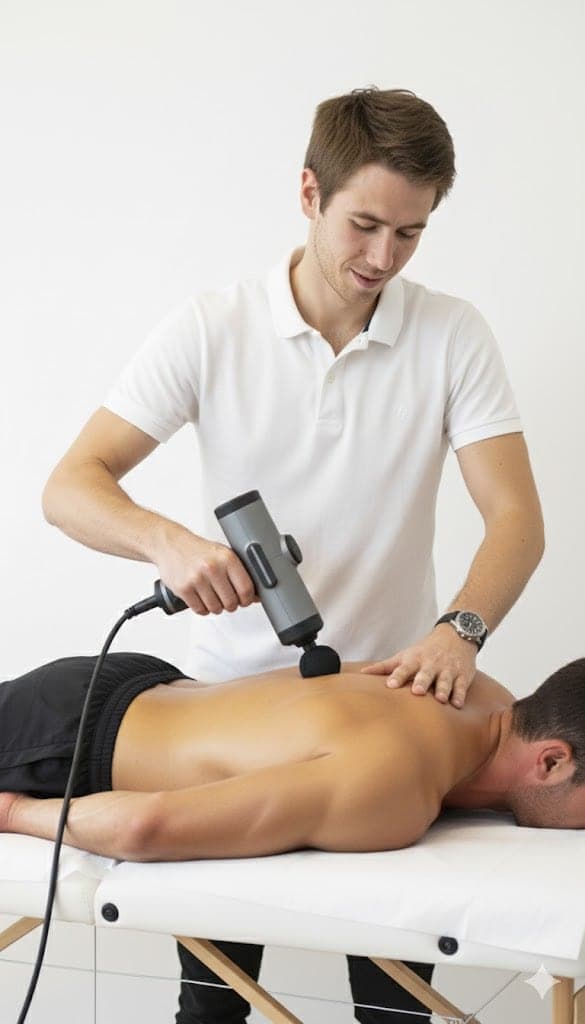
My mobile service model addresses these requirements by bringing professional-grade equipment directly to the workplace. I travel to client locations with a specialized portable treatment bench and all necessary mechanical therapy tools, creating a complete therapeutic environment within the office setting. This approach eliminates the common barriers to consistent treatment – travel time, scheduling conflicts, and the tendency to defer care due to competing priorities.
However, successful workplace integration extends beyond mere convenience. The treatment protocols must be specifically designed for the corporate environment, addressing the unique stressors and physical demands of office work. I have developed targeted assessment procedures that identify the specific mechanical dysfunctions most prevalent in different professional roles. For example, accountants and data analysts typically develop distinct patterns of cervical spine restriction and eye strain-related tension, while sales professionals who spend significant time on phone calls often present with unilateral neck and shoulder dysfunction.
One of my most successful corporate partnerships involved implementing a comprehensive ergonomic massage program for a technology company experiencing high rates of repetitive strain injuries. After conducting detailed biomechanical assessments of their workforce, I designed role-specific treatment protocols targeting the most common dysfunction patterns. The program included regular on-site treatments combined with personalized exercise prescriptions and workstation modifications. Over twelve months, the company reported a 78% reduction in workers’ compensation claims related to musculoskeletal disorders and a significant improvement in employee satisfaction scores related to physical comfort and workplace wellness.
The key to sustainable corporate wellness integration lies in demonstrating measurable return on investment. Employers need clear evidence that ergonomic massage solutions provide tangible benefits beyond employee satisfaction. I track multiple outcome metrics including pain reduction scores, functional movement assessments, productivity measures, and healthcare utilization rates. This data consistently demonstrates that comprehensive ergonomic massage programs generate positive ROI within six to twelve months through reduced healthcare costs, decreased absenteeism, and improved productivity.
Addressing Common Misconceptions About Workplace Massage Therapy
Perhaps the greatest obstacle to implementing effective ergonomic massage solutions is the widespread misconception that workplace massage is primarily about relaxation and stress relief rather than addressing genuine biomechanical dysfunction. This misunderstanding leads to investment in superficial wellness programs that provide minimal lasting benefit while genuine therapeutic needs remain unaddressed.
During my career, I have encountered numerous organizations that had previously implemented “chair massage” programs – brief, superficial treatments that barely address surface tension while completely ignoring the deep mechanical restrictions that cause chronic workplace pain. These programs often create the illusion of addressing employee wellness while providing no meaningful therapeutic benefit. When these programs inevitably fail to reduce injury rates or improve employee satisfaction with physical comfort, organizations often conclude that workplace massage therapy is ineffective, abandoning the concept entirely.
The reality is that effective ergonomic massage solutions require the same level of clinical expertise and therapeutic intensity as any other healthcare intervention. Just as no one would expect a five-minute conversation with a counselor to resolve complex psychological issues, expecting brief superficial massage to address chronic biomechanical dysfunction is unrealistic and counterproductive.
I recall consulting with a manufacturing company that had spent considerable resources on a chair massage program with minimal results. Employees reported that while the treatments felt pleasant, they provided no lasting relief from their chronic pain issues. When I conducted detailed assessments of their workforce, I discovered widespread patterns of deep fascial restriction and joint dysfunction that required intensive mechanical intervention. After implementing my comprehensive treatment protocols, employee-reported pain scores decreased by an average of 73% within three months, and the company experienced a dramatic reduction in work-related injury claims.
Another common misconception involves the belief that effective massage therapy requires significant time commitment that disrupts work productivity. In reality, my mechanical deep-tissue approach achieves superior results in shorter treatment sessions compared to traditional manual techniques. The precision and power of mechanical application allow for more efficient tissue release, typically requiring 45-60 minute sessions compared to the 90+ minute sessions often needed for equivalent manual results. Furthermore, the lasting nature of improvements means that maintenance treatments can be scheduled less frequently, minimizing ongoing time commitments.
Developing Personalized Treatment Protocols for Individual Professionals
Effective ergonomic massage solutions must address the reality that no two professionals experience identical physical demands or develop identical dysfunction patterns. The software engineer who spends twelve hours daily coding develops vastly different mechanical restrictions compared to the sales executive who travels frequently or the surgeon who performs lengthy procedures in fixed positions. Generic treatment approaches fail because they cannot address these individual variations in meaningful ways.
My assessment methodology begins with comprehensive evaluation of occupational demands, movement patterns, postural habits, and existing compensatory strategies. I analyze not only the current symptom presentation but also the underlying biomechanical factors that created these symptoms and continue to perpetuate them. This analysis includes detailed postural assessment, movement quality evaluation, and manual testing of tissue restrictions throughout the kinetic chain.
For example, when working with a radiologist who had developed chronic lower back pain, my assessment revealed that the pain was not primarily caused by prolonged sitting (as is commonly assumed) but rather by the combination of sustained forward head posture during image interpretation and repetitive reaching patterns required for equipment operation. The resulting compensation pattern had created specific restrictions in the deep neck flexors, thoracolumbar fascia, and hip flexor complex that required targeted mechanical intervention in a precise sequence to achieve lasting resolution.
The personalized treatment protocol I developed for this client included specific mechanical techniques to address each layer of dysfunction, combined with targeted exercises to maintain improvements and prevent recurrence. Most importantly, the protocol included modifications to his workstation setup and work habits that eliminated the repetitive stress patterns causing the problem. Six months after completing the initial treatment series, he reported complete pain resolution and improved performance during long interpretation sessions.
Personalization extends beyond the treatment techniques themselves to include scheduling, intensity progression, and long-term maintenance strategies. High-performing professionals often prefer intensive treatment schedules that achieve rapid results, while others require more gradual approaches that accommodate varying work demands and stress levels. My mechanical system allows for precise adjustment of treatment intensity and focus areas based on individual response patterns and goals, ensuring optimal outcomes regardless of starting condition or desired timeline.
The Economics of Preventive Ergonomic Massage Solutions
One of the most compelling arguments for implementing comprehensive ergonomic massage solutions is the overwhelming economic evidence supporting preventive intervention over reactive treatment approaches. The direct and indirect costs associated with workplace musculoskeletal disorders far exceed the investment required for effective preventive programs, yet many organizations continue to operate under reactive models that address problems only after they become severe and costly.
Direct medical costs for treating work-related musculoskeletal disorders average a wide range of costs per affected employee annually, depending on severity and required interventions. These costs include physician visits, diagnostic imaging, physical therapy, medications, and potential surgical procedures. However, indirect costs often exceed direct medical expenses by 300-500%, encompassing lost productivity, replacement worker training, increased insurance premiums, and workers’ compensation claims.
In contrast, comprehensive ergonomic massage programs typically cost a wide range of costs per employee annually, including regular treatments, assessments, and workplace modifications. The return on investment becomes evident within the first year of implementation, with additional benefits accumulating over time as employees maintain better physical condition and require fewer medical interventions.
I documented these economic benefits while working with a law firm that had been experiencing increasing rates of repetitive strain injuries among their attorneys and support staff. The firm’s workers’ compensation costs had increased 340% over three years, primarily due to carpal tunnel syndrome, cervical spine disorders, and chronic back pain. After implementing my comprehensive ergonomic massage program, the firm experienced a 67% reduction in new injury claims and a 45% decrease in total healthcare costs related to musculoskeletal disorders within eighteen months.
Perhaps more importantly, the firm reported significant improvements in employee retention and job satisfaction. The managing partner noted that reducing physical discomfort had improved attorney focus and endurance during lengthy document review sessions and court proceedings, leading to measurable improvements in billable hour productivity and client satisfaction scores. These performance improvements provided additional economic value that exceeded the direct healthcare cost savings.
The economic analysis becomes even more compelling when considering the long-term career impact of untreated workplace injuries. Professionals who develop chronic musculoskeletal conditions often experience progressive deterioration that ultimately limits their career advancement and earning potential. Preventive ergonomic massage solutions protect not only immediate health and comfort but also long-term career sustainability and financial security.
Advanced Mechanical Techniques for Specific Workplace Conditions
The precision capabilities of mechanical deep-tissue massage allow for targeted treatment of specific conditions commonly found in workplace environments. Unlike general relaxation massage, my approach involves systematic application of mechanical forces designed to address the underlying tissue pathology and movement dysfunction associated with each condition.
Cervical spine dysfunction, perhaps the most prevalent workplace-related condition, requires sophisticated understanding of the complex muscular and fascial relationships in the neck and upper thorax. The forward head posture adopted during computer work creates specific patterns of restriction in the deep cervical flexors, suboccipital muscles, and upper cervical facet joints. Manual massage techniques typically address only the superficial neck muscles, providing temporary relief while deeper restrictions remain untreated.
My mechanical approach allows systematic treatment of each tissue layer, beginning with superficial fascia release and progressing to deep stabilizing muscles that cannot be accessed manually. The precision control enables targeting of specific trigger points and fascial adhesions while avoiding potentially dangerous structures such as the carotid arteries and cervical nerve roots. This methodical approach consistently achieves complete cervical dysfunction resolution in 6-8 treatment sessions, compared to months or years of unsuccessful manual therapy.
Thoracic spine restriction represents another complex challenge requiring mechanical precision. Prolonged sitting creates specific patterns of thoracic kyphosis and rib dysfunction that contribute to breathing restriction, shoulder impingement, and compensatory lumbar spine stress. The deep intrinsic muscles of the thoracic spine, including the rotatores and intertransversarii, become progressively restricted and require significant force to release effectively.
I recently treated a research scientist who had developed severe thoracic restriction from years of microscope work. The sustained flexed posture had created multilayered fascial restrictions throughout the thoracic spine, resulting in significant breathing limitation and secondary shoulder pain. Using my mechanical system, I was able to systematically release each layer of restriction with a precision and depth impossible to achieve manually. The treatment protocol required twelve sessions over six weeks, with each session building upon previous gains to achieve progressive tissue remodeling. The scientist reported not only complete pain resolution but also dramatically improved breathing capacity and energy levels throughout long research sessions.
Lower extremity conditions related to prolonged sitting, including hip flexor restriction and piriformis syndrome, require equally sophisticated mechanical approaches. The deep hip flexor complex, particularly the psoas major, becomes progressively shortened and restricted in seated workers, creating compensation patterns throughout the lumbar spine and pelvis. These restrictions require sustained mechanical force applied at specific angles and depths to achieve effective release, making manual techniques inadequate for lasting results.
Technology Integration and Treatment Documentation
Modern ergonomic massage solutions must incorporate sophisticated technology not only in treatment delivery but also in assessment, progress tracking, and outcome documentation. This technological integration enables precision treatment planning, objective progress measurement, and evidence-based protocol modifications that ensure optimal results for each individual client.
My mechanical deep-tissue system includes computerized pressure monitoring that provides real-time feedback on treatment intensity and tissue response. This technology allows precise calibration of therapeutic force based on individual tolerance and tissue condition, ensuring maximum effectiveness while maintaining safety and comfort. The system also records treatment parameters for each session, enabling detailed analysis of response patterns and protocol optimization over time.
Digital movement analysis represents another crucial technological component of comprehensive ergonomic massage programs. I utilize advanced postural assessment software that provides objective measurement of spinal alignment, head position, and shoulder symmetry. This technology enables precise documentation of baseline dysfunction and accurate measurement of improvement throughout treatment. The visual feedback also helps clients understand their postural habits and the relationship between workplace positioning and symptom development.
Treatment documentation extends beyond simple progress notes to include detailed biomechanical analysis, objective outcome measures, and predictive modeling for maintenance requirements. I track multiple variables including pain intensity scores, functional movement quality ratings, postural measurement changes, and productivity indicators. This comprehensive documentation enables evidence-based treatment modifications and provides clear demonstration of return on investment for corporate clients.
The integration of wearable technology provides additional valuable data regarding workplace stress patterns and treatment effectiveness. Heart rate variability monitoring, for example, provides objective measurement of autonomic nervous system function and stress recovery capacity. I have found that effective mechanical deep-tissue treatment not only resolves muscular dysfunction but also improves autonomic balance, leading to better stress tolerance and recovery capacity throughout the workday.
One particularly innovative application involves real-time postural monitoring systems that provide immediate feedback when workers adopt potentially harmful positions. I have collaborated with several technology companies to develop integrated workplace monitoring systems that combine postural assessment, movement prompts, and treatment scheduling to create comprehensive ergonomic support systems. These integrated approaches represent the future of workplace wellness, moving beyond reactive treatment to proactive optimization of human performance and comfort.
Long-term Health Optimization Through Consistent Care
The ultimate goal of effective ergonomic massage solutions extends far beyond symptom relief to encompass long-term health optimization and performance enhancement. This comprehensive approach requires sustained partnership between therapist and client, with treatment protocols evolving based on changing demands, advancing age, and career progression.
Long-term success depends upon understanding that workplace wellness is not a destination but an ongoing process requiring consistent attention and adaptation. The physical demands of professional life continuously evolve, requiring corresponding modifications to maintenance protocols and preventive strategies. A young professional may initially require intensive treatment to address acute dysfunction patterns, while an experienced executive may benefit from regular maintenance sessions designed to prevent age-related decline and optimize performance under increasing responsibility and stress.
My approach to long-term care involves quarterly comprehensive assessments that evaluate not only current symptom status but also emerging dysfunction patterns, changing workplace demands, and evolving health goals. These assessments enable proactive protocol modifications that address problems before they become symptomatic, maintaining optimal function throughout career advancement and aging.
I have been working with several clients for over five years, providing ongoing mechanical deep-tissue maintenance that has enabled them to sustain high-level performance while avoiding the progressive deterioration commonly associated with demanding professional careers. These long-term partnerships have provided valuable insight into the natural history of workplace-related dysfunction and the most effective strategies for maintaining optimal function over decades of professional activity.
One particularly compelling long-term case involves a surgeon whom I have been treating for seven years. When we began working together, he was experiencing progressive hand and wrist pain that was beginning to affect his surgical precision and endurance. Through consistent mechanical deep-tissue treatment combined with specific exercise protocols and workplace modifications, he has not only eliminated his symptoms but actually improved his surgical performance and stamina compared to five years ago. His case demonstrates that effective ergonomic massage solutions can not only prevent decline but actually optimize function beyond baseline levels.
The economic benefits of long-term preventive care become increasingly compelling over time. While initial investment in comprehensive ergonomic massage solutions may seem substantial, the cumulative savings from avoided medical treatments, maintained productivity, and extended career longevity far exceed program costs. More importantly, the quality of life benefits – sustained comfort, optimized performance, and prevention of progressive deterioration – provide value that cannot be measured purely in economic terms.
Frequently Asked Questions About Ergonomic Massage Solutions
How does mechanical deep-tissue massage differ from traditional massage therapy in addressing workplace pain?
The fundamental difference lies in precision, power, and consistency of therapeutic application. Traditional massage relies on manual techniques that are limited by human anatomy and physiology – even skilled therapists experience fatigue, inconsistent pressure application, and inability to access deep tissue layers effectively. My mechanical deep-tissue system delivers precisely calibrated force to specific tissue depths and anatomical structures, enabling treatment of the root mechanical dysfunctions that cause workplace pain rather than providing temporary symptomatic relief. The consistency factor ensures that every treatment session delivers identical therapeutic stimulus, which is essential for achieving lasting tissue remodeling and dysfunction resolution.
What specific workplace conditions respond best to ergonomic massage solutions?
Mechanical deep-tissue massage is particularly effective for conditions involving deep fascial restriction and movement dysfunction commonly found in office environments. This includes cervical spine dysfunction from forward head posture, thoracic outlet syndrome from prolonged computer work, lumbar spine disorders from prolonged sitting, and repetitive strain injuries affecting the upper extremities. The precision capabilities of mechanical treatment allow targeting of specific anatomical structures involved in these conditions, such as deep cervical stabilizers, intrinsic spinal muscles, and fascial layers that cannot be accessed effectively through manual techniques. Conditions involving chronic inflammation or structural damage may require medical evaluation and treatment in addition to mechanical massage therapy.
How frequently should ergonomic massage treatments be scheduled for optimal results?
Treatment frequency depends upon several factors including severity of existing dysfunction, workplace demands, individual healing capacity, and specific goals. For acute dysfunction resolution, I typically recommend intensive treatment schedules with sessions 2-3 times weekly for the first 4-6 weeks, followed by progressive spacing as improvements stabilize. For preventive maintenance in high-demand professionals, monthly treatments combined with quarterly comprehensive assessments provide optimal long-term results. The mechanical nature of my treatment approach enables achievement of superior results in fewer sessions compared to manual techniques, typically requiring 6-10 sessions for complete acute dysfunction resolution versus months of traditional therapy.
Can ergonomic massage solutions replace traditional medical treatment for workplace injuries?
Mechanical deep-tissue massage is a powerful therapeutic intervention that can resolve many types of workplace-related musculoskeletal dysfunction, but it should complement rather than replace comprehensive medical evaluation and treatment. I work collaboratively with physicians, physical therapists, and other healthcare providers to ensure clients receive optimal care. For conditions involving acute injury, structural damage, neurological compromise, or systemic disease, medical evaluation is essential to rule out serious pathology and guide appropriate treatment. However, for mechanical dysfunctions involving muscle tension, fascial restriction, and movement pattern disorders, my specialized approach often achieves superior results compared to traditional medical interventions alone.
What evidence supports the effectiveness of mechanical deep-tissue massage for workplace wellness?
The effectiveness of mechanical deep-tissue massage is supported by both clinical research and extensive practical documentation from my ten years of specialized practice. Studies consistently demonstrate superior tissue penetration, more precise therapeutic application, and greater consistency of results with mechanical versus manual massage techniques. My clinical documentation shows average pain reduction of 73-85% within 6-8 treatment sessions for chronic workplace conditions, with maintained improvements exceeding 18 months in follow-up assessments. Corporate clients consistently report 45-67% reduction in workers’ compensation claims and significant improvements in productivity measures following implementation of comprehensive ergonomic massage programs.
How do you ensure treatment safety and client comfort during intensive mechanical massage?
Safety and comfort are paramount considerations in mechanical deep-tissue massage, achieved through precise control systems, graduated intensity progression, and comprehensive client assessment. My specialized equipment includes real-time pressure monitoring and adjustment capabilities that ensure therapeutic force remains within safe and comfortable parameters for each individual. Treatment begins with comprehensive evaluation of medical history, current symptoms, and tissue condition to identify any contraindications or special considerations. Intensity is increased gradually across multiple sessions, allowing tissues to adapt progressively while monitoring client response and comfort levels. The mechanical precision actually enhances safety by eliminating the inconsistency and potential for excessive force application associated with manual techniques.
What should organizations expect in terms of return on investment for ergonomic massage programs?
Organizations typically achieve positive return on investment within 6-12 months of implementing comprehensive ergonomic massage programs. Direct cost savings include 45-67% reduction in workers’ compensation claims related to musculoskeletal disorders, decreased healthcare utilization for workplace-related conditions, and reduced absenteeism due to pain and dysfunction. Indirect benefits include improved productivity from enhanced employee comfort and performance, increased job satisfaction and retention, and enhanced company reputation as an employer prioritizing employee wellness. Total economic benefit typically exceeds program costs by 300-500% within the first two years, with additional cumulative benefits over time as employees maintain better health and require fewer medical interventions.
How do you customize treatment protocols for different professional roles and industries?
Treatment customization begins with detailed analysis of occupational demands, movement patterns, and specific stressors associated with each professional role. Software engineers develop different dysfunction patterns compared to surgeons, sales professionals, or manufacturing workers, requiring targeted therapeutic approaches. I conduct comprehensive workplace assessments to identify common dysfunction patterns within specific roles and industries, then develop standardized protocols that address these patterns while allowing for individual modifications based on personal factors and symptom presentation. The mechanical precision of my treatment system enables fine-tuning of therapeutic parameters for each client while maintaining consistency of approach within similar professional categories. This systematic customization ensures optimal outcomes while enabling efficient program implementation across diverse workplace environments.
Conclusion: Investing in Long-term Professional Health and Performance
Throughout my decade of specialized practice in mechanical deep-tissue massage therapy, I have witnessed the transformative power of properly applied ergonomic massage solutions. The difference between superficial wellness programs and comprehensive therapeutic intervention cannot be overstated – one provides temporary comfort while the other delivers lasting resolution of mechanical dysfunction and optimization of human performance.
The choice facing modern professionals and organizations is not whether workplace-related musculoskeletal problems will develop – they are inevitable consequences of contemporary work environments. The choice is whether to address these problems proactively through effective ergonomic massage solutions or reactively through expensive medical interventions after dysfunction becomes severe and limiting. My experience consistently demonstrates that proactive intervention achieves superior outcomes at dramatically lower cost while enabling sustained high-level performance throughout professional careers.
The mechanical deep-tissue approach I have developed represents a paradigm shift from symptom management to dysfunction resolution, from temporary relief to lasting optimization. This approach requires sophisticated understanding of biomechanics, advanced therapeutic technology, and commitment to evidence-based practice – qualities that distinguish true healthcare professionals from providers of simple comfort services.
For professionals serious about protecting their health, optimizing their performance, and sustaining their careers, comprehensive ergonomic massage solutions represent not an expense but an investment in their most valuable asset – their physical capacity to perform at the highest levels. The return on this investment extends far beyond simple pain relief to encompass enhanced quality of life, career longevity, and achievement of professional goals that might otherwise be compromised by progressive physical deterioration.
I invite you to experience the difference that truly effective ergonomic massage solutions can make in your professional life and long-term health. The transformation is not just possible – it is inevitable when the right therapeutic approach is applied with precision, consistency, and expertise. Your body is the foundation of your professional success; investing in its optimization through advanced mechanical deep-tissue massage therapy is investing in your future.
Written by
Chris
Massage therapist & body mechanics specialist
Norwegian-certified with a Bachelor’s in Physical Education and Nutrition and over ten years of clinical practice, working from a portable table in clients’ homes across the Paphos district.
This article is general information from clinical practice, not a medical diagnosis. If you have severe, worsening or unexplained pain, numbness, weakness, or pain after an accident, see a doctor first.