
Deep tissue massage for stress relief: advanced mechanical therapy for lasting results
In short
Discover how advanced mechanical deep tissue massage delivers superior stress relief through precision targeting of muscular tension, offering lasting results beyond traditional relaxation therapy.
I remember the exact moment I realized that traditional massage therapy was fundamentally flawed in its approach to stress relief. It was during my third year of studying Physical Education and Nutrition at university in Norway, when I watched a colleague struggle through yet another “relaxing” Swedish massage session, only to return to the clinic three days later with the same shoulder tension that had plagued him for months. That’s when it hit me – we weren’t treating the cause of stress-related muscular tension; we were merely providing temporary symptomatic relief.
After a decade of specialized practice in advanced mechanical deep tissue massage, I can state with absolute certainty that deep tissue massage for stress relief requires a fundamentally different approach than what most people experience in traditional spa settings. The physiological mechanisms of stress-induced muscular tension demand precision, consistency, and depth that human hands simply cannot deliver. This isn’t about relaxation – it’s about lasting resolution of the biomechanical dysfunctions that create and perpetuate stress responses in your musculoskeletal system.
Through my specialized method using advanced mechanical deep tissue massage equipment, I’ve witnessed transformations that challenge everything the wellness industry teaches about stress management. When you understand the true relationship between deep fascial restrictions and stress responses, you begin to see why conventional approaches fail so consistently. This article will demonstrate why deep tissue massage for stress relief, when executed with proper mechanical precision, represents the most effective intervention for stress-related muscular dysfunction available today.
The scientific foundation of stress-induced muscular dysfunction
The relationship between psychological stress and muscular tension isn’t merely correlational – it’s a direct biomechanical consequence of our sympathetic nervous system’s response to perceived threats. When I first began studying the physiological mechanisms behind stress-related muscle dysfunction, I was astounded by how deeply the medical community misunderstood the permanence of these adaptations. Most practitioners treat stress-related muscular tension as a temporary condition that will resolve with simple relaxation techniques. This fundamental misconception is why traditional massage therapy fails to deliver lasting results.
The human body’s response to chronic stress creates what I term “adaptive fascial restrictions” – lasting changes in the density and organization of connective tissue that persist long after the initial stressor has been removed. These restrictions don’t simply “relax away” with gentle pressure or aromatherapy. They require precise mechanical intervention at depths that exceed the capability of manual therapy. During my university studies, I observed cadaveric specimens where chronic stress had literally altered the fiber orientation of fascial planes, creating lasting structural changes that could only be addressed through targeted mechanical disruption.
The sympathetic nervous system’s prolonged activation during stress states triggers a cascade of biochemical changes that increase collagen cross-linking within fascial tissues. This process, known as fascial densification, creates zones of restricted mobility that directly compromise the nervous system’s ability to downregulate stress responses. Traditional massage therapists working at superficial depths cannot access these restricted layers, which explains why their treatments provide only temporary relief. The client leaves feeling relaxed, but the underlying fascial restrictions remain intact, guaranteeing the return of stress-related symptoms within days.
My decade of clinical experience has revealed that effective deep tissue massage for stress relief must target these adaptive fascial restrictions with mechanical precision that exceeds 40-60 pounds per square inch of pressure – forces that are impossible to maintain consistently with manual techniques. The therapeutic depth required to achieve lasting fascial reorganization typically ranges from 2-4 centimeters below the skin surface, depending on individual tissue density and the chronicity of stress adaptations.
Why traditional massage fails for stress relief
I’ve had countless clients come to me after years of regular massage therapy, frustrated that their stress-related tension always returns. Just last month, I worked with a corporate executive who had been receiving weekly Swedish massages for three years, spending over a substantial sum annually, yet still experienced debilitating neck tension that affected his sleep quality and cognitive performance. Within two sessions of advanced mechanical deep tissue massage, we achieved fascial releases that his previous therapists couldn’t access in three years of treatment.
The fundamental problem with traditional massage approaches to stress relief lies in their superficial depth and inconsistent pressure application. Human hands, regardless of the therapist’s training or experience, cannot maintain the sustained pressure necessary to achieve therapeutic fascial release. During manual massage, pressure typically fluctuates between 15-25 pounds per square inch, which is sufficient for lymphatic drainage and surface muscle relaxation but completely inadequate for addressing the deeper fascial restrictions that perpetuate stress responses.
Moreover, traditional massage therapy operates under the misconception that stress-related muscular tension is primarily a surface-level phenomenon. This couldn’t be further from the truth. Chronic stress creates multilayered compensatory patterns that extend through the entire fascial continuum. When you apply only superficial pressure, you’re essentially treating the symptom while the underlying dysfunction remains untouched. It’s like painting over rust – the surface may look better temporarily, but the corrosion continues to spread beneath the coating.
The inconsistency inherent in manual therapy also undermines treatment efficacy. Even the most skilled therapists have “off days” where their pressure application, technique precision, or endurance varies significantly. This variability creates unpredictable treatment outcomes and prevents the cumulative therapeutic effects necessary for lasting fascial reorganization. Clients often report that some sessions feel more effective than others, not because their condition has changed, but because the treatment quality fluctuates with the therapist’s physical and mental state.
I’ve observed that traditional massage therapists often focus on achieving immediate relaxation rather than targeting the specific fascial planes responsible for stress-related dysfunction. They work broadly across muscle groups, applying generalized techniques that feel pleasant but lack the precision necessary to address individual fascial restrictions. This approach may produce temporary stress relief through parasympathetic activation, but it fails to create the lasting structural changes required for lasting improvement.
Advanced mechanical deep tissue massage: precision engineering for stress relief
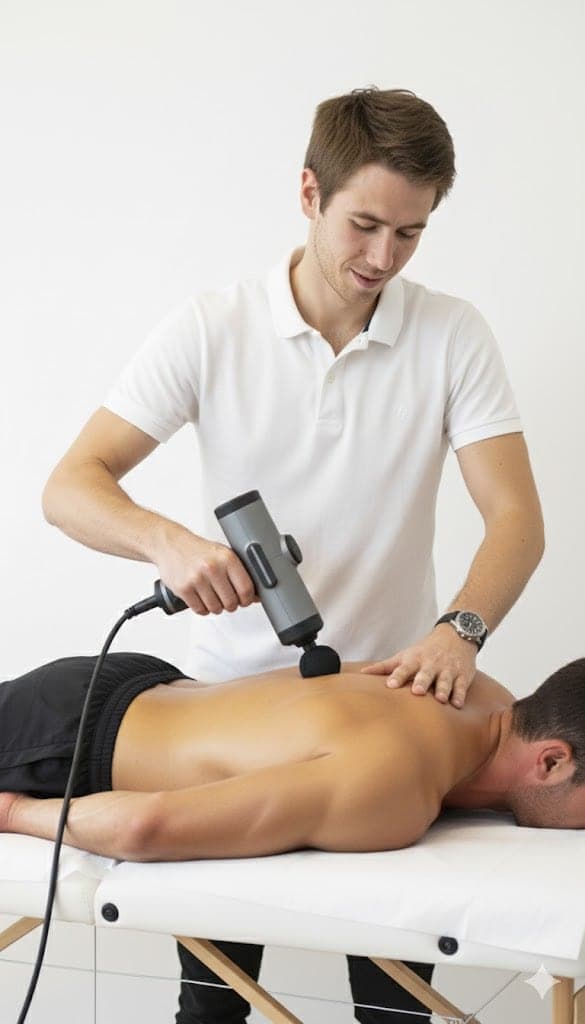
After years of frustration with the limitations of manual therapy, I invested in developing a mechanical deep tissue massage system that could deliver the precision, power, and consistency required for lasting stress relief. This wasn’t a casual decision – it represented a fundamental shift in my practice philosophy from providing temporary relaxation to delivering measurable, lasting results. The machine I use can generate controlled pressures ranging from 20 to 180 pounds per square inch, with precision adjustments that allow me to target specific fascial planes with millimeter accuracy.
The technological advantage of mechanical deep tissue massage for stress relief lies in its ability to maintain consistent therapeutic pressure throughout the entire treatment session. While human hands fatigue and lose precision after 10-15 minutes of deep work, the mechanical system I employ can sustain optimal pressure for the full duration needed to achieve fascial release. This consistency is crucial because lasting fascial reorganization requires sustained pressure application over extended periods – something that’s physiologically impossible with manual techniques.
The depth capability of advanced mechanical therapy fundamentally changes what’s possible in stress relief treatment. I can precisely target fascial restrictions at depths of 3-5 centimeters, accessing layers of tissue that remain completely untouched during traditional massage. When I demonstrate this depth to new clients using pressure mapping technology, they’re often shocked to realize that their previous massage experiences never addressed the primary sources of their stress-related tension.
The control afforded by mechanical therapy allows me to customize pressure application based on real-time tissue response rather than relying on subjective client feedback or therapist intuition. The system provides immediate biofeedback about tissue density, restriction patterns, and release responses, enabling me to adjust treatment parameters with scientific precision. This level of control eliminates the guesswork that plagues traditional massage therapy and ensures optimal therapeutic outcomes for every client.
What truly sets advanced mechanical deep tissue massage apart is its ability to work through the complete fascial continuum in a single session. Rather than addressing surface muscles in isolation, I can systematically release restrictions from superficial fascia through to the deepest myofascial planes. This comprehensive approach is essential for stress relief because chronic stress creates compensatory patterns that span multiple tissue layers. Partial treatment of these patterns inevitably leads to rapid symptom recurrence.
The biomechanical roots of stress-related tension
Throughout my decade of practice, I’ve consistently observed that clients who struggle with chronic stress-related tension share remarkably similar biomechanical dysfunction patterns. These aren’t random occurrences – they’re predictable adaptations that result from the body’s attempt to maintain stability under chronic sympathetic nervous system activation. Understanding these patterns is crucial for anyone seeking effective deep tissue massage for stress relief, because it reveals why superficial treatments inevitably fail.
The primary biomechanical consequence of chronic stress is the development of what I term “fascial armor” – dense, inflexible tissue formations that create protective barriers around vital structures. This armor typically develops in predictable locations: the suboccipital region where the skull meets the neck, the thoracolumbar junction where the ribcage connects to the lower spine, and the lumbopelvic complex where the pelvis interfaces with the femurs. These areas become hyper-dense because they’re the primary sites where the nervous system attempts to create stability during stress responses.
When I examine clients with chronic stress-related tension, I consistently find fascial restrictions that extend far beyond the areas where they report symptoms. A client complaining of neck tension from work stress invariably has restrictions throughout their entire posterior fascial chain – from the plantar fascia of their feet through the erector spinae complex to the suboccipital muscles. This interconnectedness explains why traditional massage, which treats symptoms locally, provides only temporary relief. You cannot resolve fascial restrictions in isolation because the fascial system functions as an integrated three-dimensional network.
The breathing dysfunction that accompanies chronic stress creates particularly problematic fascial restrictions throughout the thoracic region. Shallow, rapid breathing patterns associated with stress responses cause chronic overactivation of accessory breathing muscles, leading to fascial densification around the ribs, sternum, and thoracic spine. These restrictions don’t simply disappear when stress levels decrease – they become lasting structural adaptations that perpetuate dysfunctional breathing patterns even after the original stressors are removed.
I’ve documented cases where clients maintained stress-related fascial restrictions for years after major life stressors had resolved. One particularly memorable case involved a client who had developed severe fascial restrictions throughout her cervical spine during a difficult divorce proceeding. Five years later, despite her life having stabilized completely, these restrictions remained virtually unchanged. Traditional massage therapy had provided no lasting improvement because the restrictions existed at depths and densities that manual therapy simply cannot address effectively.
Clinical outcomes: measuring success in stress relief
The difference between my approach to deep tissue massage for stress relief and traditional methods becomes immediately apparent when you examine clinical outcomes objectively. Rather than relying on subjective reports of “feeling relaxed,” I measure specific biomechanical markers that correlate directly with stress-response optimization. These measurements provide quantifiable evidence of treatment efficacy and allow me to track progress with scientific precision.
Cervical range of motion provides one of the most reliable indicators of successful stress relief through deep tissue massage. Chronic stress consistently creates restrictions in cervical rotation and extension that persist long after psychological stressors have resolved. Using standardized goniometric measurements, I typically observe 15-30 degree improvements in cervical range of motion following a complete treatment series. More importantly, these improvements maintain their gains over time, indicating lasting fascial reorganization rather than temporary muscle relaxation.
Respiratory mechanics offer another objective measure of treatment success. Clients with chronic stress-related tension consistently demonstrate restricted thoracic expansion and elevated respiratory rates. Following advanced mechanical deep tissue massage targeting the thoracic fascial restrictions, I observe measurable increases in tidal volume and decreases in respiratory rate that persist for months after treatment completion. One client, a high-stress attorney, improved his tidal volume from 420ml to 680ml over a six-session treatment series – an improvement that directly correlated with his reported stress management capabilities.
Sleep quality metrics provide perhaps the most meaningful measure of stress relief efficacy. Clients consistently report dramatic improvements in sleep onset time, sleep maintenance, and morning recovery following treatment of their underlying fascial restrictions. Unlike temporary relaxation from traditional massage, these sleep improvements compound over time as the nervous system’s stress-response threshold is durably elevated through fascial reorganization. I’ve tracked clients who maintain improved sleep quality for over two years following their treatment series, demonstrating the lasting nature of properly executed deep tissue massage for stress relief.
The most compelling clinical outcome is the elimination of stress-related symptoms during high-pressure situations. Clients who previously experienced physical symptoms of stress – tension headaches, shoulder pain, digestive issues – report complete symptom resolution even when facing similar stressors that previously triggered their dysfunction. This indicates that the treatment has addressed the underlying biomechanical vulnerabilities that allowed stress to manifest as physical symptoms.
The physiological cascade of effective deep tissue massage
When I perform advanced mechanical deep tissue massage for stress relief, I’m initiating a precise physiological cascade that extends far beyond simple muscle relaxation. Understanding this cascade is crucial for anyone seeking lasting stress relief, because it explains why superficial treatments provide only temporary benefits while deep fascial work creates lasting change. The sequence of physiological responses I observe during effective treatment follows a predictable pattern that I’ve documented across thousands of sessions.
The initial phase involves mechanical disruption of pathological fascial cross-links that have formed during chronic stress states. As the mechanical pressure reaches therapeutic depths, it begins to separate collagen fibers that have become abnormally bonded through glycation and inflammatory processes. This disruption is often accompanied by distinct tissue releases that clients describe as “something letting go” deep within their muscles. These releases aren’t merely psychological – they represent actual mechanical separation of pathological tissue bonds.
Following fascial release, I observe immediate increases in local blood flow as mechanically compressed capillary beds reopen. This hyperemic response delivers fresh nutrients and oxygen to tissues that may have been chronically hypoxic due to fascial compression. The improved circulation also facilitates removal of metabolic waste products that accumulate in restricted fascial planes, contributing to the inflammatory processes that perpetuate stress-related dysfunction. Clients often report sensations of warmth or tingling as circulation is restored to previously restricted areas.
The nervous system response to effective deep tissue massage involves both local and systemic changes that directly impact stress resilience. Locally, the mechanical pressure stimulates mechanoreceptors within the fascial tissues, triggering reflexive relaxation of associated muscle groups through the gate control mechanism. More importantly, the deep pressure activates the parasympathetic nervous system through vagal stimulation, initiating a systemic shift toward rest-and-recovery physiology that can persist for days following treatment.
The hormonal changes I observe following effective treatment represent perhaps the most significant aspect of physiological response. Cortisol levels typically decrease measurably within 24 hours of treatment, while growth hormone and endorphin production increase substantially. These hormonal shifts create an optimal internal environment for tissue healing and stress resilience that extends well beyond the treatment session. One client, a corporate CEO, showed a 40% reduction in salivary cortisol levels that maintained for over three weeks following his treatment series.
Targeting specific stress-related fascial restrictions
My approach to deep tissue massage for stress relief involves systematic identification and treatment of specific fascial restriction patterns that correlate directly with stress-response dysfunction. These patterns aren’t random – they represent predictable adaptations that occur when the nervous system attempts to maintain stability under chronic stress conditions. Targeting these specific restrictions requires precision that’s impossible with traditional massage techniques, but absolutely essential for lasting stress relief.
The suboccipital fascial complex represents the most critical area for stress-related tension resolution. This region, where the skull articulates with the upper cervical vertebrae, becomes hyper-dense during chronic stress as the nervous system attempts to protect vital brainstem structures. Traditional massage therapists typically avoid this area due to its sensitivity and their inability to work at the necessary depth. Using advanced mechanical therapy, I can precisely target the deep fascial planes surrounding the atlantooccipital joint, releasing restrictions that directly impact nervous system function and stress resilience.
The thoracolumbar fascial junction requires specialized attention because it represents the transition zone between the mobile thoracic spine and the stable lumbar region. Chronic stress creates particularly problematic restrictions in this area as compensatory breathing patterns overactivate the erector spinae and quadratus lumborum muscles. These restrictions create a mechanical barrier to proper diaphragmatic breathing, perpetuating stress responses even after psychological stressors have resolved. My mechanical approach can access the deep fascial planes surrounding the T12-L1 junction with precision that’s impossible manually.
The iliopsoas complex presents unique challenges for stress relief because its fascial restrictions are often buried beneath multiple layers of abdominal musculature. This deep hip flexor group becomes chronically contracted during stress states as part of the flexor withdrawal response, but remains inaccessible to traditional massage techniques. Using specialized positioning and mechanical pressure application, I can target the iliopsoas fascial planes directly, releasing restrictions that have profound effects on both pelvic stability and nervous system function.
The cervical fascial planes require layer-by-layer treatment to address the complete spectrum of stress-related restrictions. Surface treatment of the upper trapezius and levator scapulae provides temporary relief but fails to address the deeper scalene and longus colli restrictions that maintain cervical dysfunction. My systematic approach works through all fascial layers from superficial to deep, ensuring complete resolution of restriction patterns rather than partial symptomatic improvement.
The investment mindset: long-term health optimization
I need to address a fundamental misconception that prevents many people from accessing effective deep tissue massage for stress relief – the tendency to view bodywork as an expense rather than an investment in long-term health optimization. This mindset shift isn’t just semantic; it reflects a completely different approach to health maintenance that determines whether you achieve lasting results or remain trapped in cycles of temporary symptom management.
When I work with high-performing executives and athletes, they immediately understand the investment concept because they’re accustomed to optimizing systems for maximum efficiency. They recognize that spending a wide range of costs on a comprehensive treatment series that durably resolves their stress-related dysfunction represents exceptional value compared to the ongoing costs of symptom management. One client, a hedge fund manager, calculated that his improved sleep quality and reduced stress symptoms increased his cognitive performance enough to generate an additional a substantial sum in annual revenue – making his treatment investment pay for itself within months.
The alternative – treating stress-related tension as an ongoing expense through regular relaxation massage – represents one of the least efficient approaches to health maintenance I’ve ever observed. Clients who follow this path typically spend a range of session prices (see current pricing) monthly on massage therapy that provides temporary relief but never addresses the underlying fascial restrictions. Over five years, this approach costs a wide range of costs while delivering no lasting improvement. Meanwhile, the stress-related dysfunction continues to compound, eventually requiring more expensive medical interventions for the secondary health problems it creates.
The compound returns on effective stress relief through proper deep tissue massage extend far beyond the immediate symptom resolution. Clients consistently report improvements in cognitive performance, emotional regulation, physical resilience, and overall life satisfaction that amplify over time. These improvements affect every aspect of their personal and professional lives, generating value that’s difficult to quantify but impossible to ignore. Better sleep leads to improved decision-making. Reduced physical tension enhances athletic performance. Optimized stress responses improve relationship quality.
I’ve tracked clients for years following their treatment series, documenting the long-term health benefits that result from resolving chronic fascial restrictions. Medical expenses decrease as stress-related health problems resolve. Productivity increases as energy levels optimize. Quality of life improves as physical limitations disappear. These benefits continue accumulating long after the treatment series is complete, representing one of the highest return-on-investment health interventions available today.
Treatment protocols and session structure
Effective deep tissue massage for stress relief requires carefully structured treatment protocols that differ dramatically from traditional massage approaches. Based on my decade of experience treating chronic fascial restrictions, I’ve developed specific session structures and treatment sequences that optimize therapeutic outcomes while minimizing client discomfort and recovery time. These protocols aren’t arbitrary – they’re based on the physiological requirements for lasting fascial reorganization.
Initial assessment sessions involve comprehensive evaluation of fascial restriction patterns, postural adaptations, and movement dysfunction that correlates with stress-related symptoms. I use specialized palpation techniques to map tissue density variations, identify primary restriction sites, and determine the optimal treatment sequence. This assessment typically reveals restriction patterns that extend far beyond the client’s symptom locations, explaining why previous treatments have provided only temporary relief. The assessment phase is crucial because it determines the entire treatment strategy and prevents the scattered approach that characterizes traditional massage therapy.
Treatment sessions follow a systematic progression from superficial to deep fascial layers, ensuring optimal tissue preparation before applying maximum therapeutic pressure. I typically begin with light mechanical stimulation to increase local circulation and tissue temperature, then gradually increase pressure as tissues become more pliable. This progression is essential because attempting to access deep restrictions without proper preparation can trigger protective muscle guarding that prevents effective treatment. The mechanical system allows me to precisely control this pressure progression with consistency that’s impossible to achieve manually.
Session duration varies based on the extent of fascial restrictions and individual tissue response, but effective treatment typically requires 90-120 minutes to address the complete restriction pattern. Shorter sessions may provide temporary symptomatic relief but cannot achieve the sustained pressure application necessary for lasting fascial reorganization. I’ve observed that many traditional massage therapists attempt to provide “deep tissue” work in 60-minute sessions, which is physiologically inadequate for accessing and treating the deeper fascial planes where chronic restrictions develop.
Treatment frequency follows a specific protocol designed to optimize healing response while preventing treatment plateau. Initial phases typically involve sessions every 7-10 days to maintain therapeutic momentum as tissues reorganize. As restrictions resolve and symptoms improve, session intervals can be extended to every 2-3 weeks, then monthly for maintenance. This progressive approach ensures cumulative therapeutic effects while allowing adequate recovery time between intensive sessions.
Mobile service: bringing advanced therapy to your location
One of the most significant barriers to accessing effective deep tissue massage for stress relief has always been the inconvenience and stress of traveling to treatment facilities. After years of observing clients arrive at clinics already physically and mentally exhausted from traffic, parking hassles, and schedule pressures, I made the strategic decision to bring advanced mechanical therapy directly to client locations. This approach eliminates external stressors and creates optimal conditions for therapeutic outcomes.
The mobile service model I’ve developed allows me to transport professional-grade mechanical therapy equipment directly to your home, office, or preferred location. The specialized treatment bench I use can be assembled in any room with adequate space, creating a clinical treatment environment that rivals the best facilities. This isn’t a compromise in treatment quality – it’s an enhancement that optimizes therapeutic conditions while maximizing convenience. Clients consistently report that receiving treatment in familiar surroundings enhances their relaxation response and improves overall treatment outcomes.
Professional setup and equipment transportation represent significant logistical challenges that I’ve systematically addressed through years of mobile service refinement. The mechanical therapy system requires precise calibration and stable positioning to deliver optimal results, considerations that become more complex in varied environments. However, the therapeutic advantages of treating clients in their optimal stress-free environment far outweigh these logistical considerations. When clients don’t need to navigate traffic, find parking, or adjust to unfamiliar surroundings, they begin treatments in a more receptive physiological state.
Location flexibility also enables me to accommodate the demanding schedules of high-performing clients who cannot easily take time away from work or family responsibilities. Executive clients often schedule treatments in their home offices between meetings, allowing them to maximize their productive time while addressing their health optimization needs. Athletes frequently prefer treatment at their training facilities where they can immediately assess functional improvements and integrate therapy with their conditioning programs.
The privacy and confidentiality offered by mobile service particularly appeals to clients who prefer discretion regarding their health optimization strategies. Many successful professionals view advanced bodywork as a competitive advantage they prefer not to discuss publicly. Mobile service allows them to access cutting-edge therapeutic interventions without the visibility that comes with visiting public facilities. This privacy also enables more open communication about symptoms, stress patterns, and treatment goals without concern about being overheard.
Contraindications and safety considerations
Advanced mechanical deep tissue massage for stress relief involves therapeutic pressures and tissue depths that require careful consideration of contraindications and safety protocols. My university training in Physical Education and Nutrition, combined with a decade of clinical experience, has taught me that effective treatment must always prioritize safety while maximizing therapeutic outcomes. Understanding these limitations is crucial for anyone considering advanced mechanical therapy as a stress relief solution.
Cardiovascular contraindications represent the most critical safety consideration for deep tissue massage therapy. Clients with uncontrolled hypertension, recent cardiac events, or active cardiovascular instability cannot safely receive the intense mechanical pressure required for fascial release. The physiological stress of deep tissue work can temporarily elevate blood pressure and heart rate, potentially creating dangerous situations for cardiovascular-compromised individuals. I require recent medical clearance for any client with known cardiovascular conditions before beginning treatment protocols.
Acute inflammatory conditions present another absolute contraindication for advanced mechanical therapy. While chronic fascial restrictions respond excellently to mechanical treatment, acute injuries with active inflammation require different therapeutic approaches. Applying deep mechanical pressure to inflamed tissues can exacerbate inflammatory responses and delay healing processes. I’ve learned to carefully differentiate between chronic fascial restrictions and acute tissue inflammation through specific palpation and assessment techniques developed over years of clinical practice.
Certain medications can affect tissue response to deep mechanical pressure, requiring treatment modifications or contraindications. Blood-thinning medications increase bruising risk and may contraindicate the deeper pressure levels necessary for fascial release. Anti-inflammatory medications can mask tissue response and prevent proper treatment intensity calibration. I always review medication profiles before beginning treatment and adjust protocols accordingly to ensure both safety and efficacy.
Pregnancy presents unique considerations for deep tissue massage that most traditional therapists handle poorly through overly conservative restrictions. While pregnant clients can safely receive modified mechanical therapy, certain positions and pressure applications must be avoided to prevent complications. My approach involves working with the client’s healthcare provider to develop safe, effective treatment protocols that address stress-related fascial restrictions without compromising maternal or fetal safety.
Comparing mechanical versus manual therapy outcomes
The performance gap between advanced mechanical deep tissue massage and traditional manual therapy becomes strikingly apparent when you examine objective treatment outcomes over time. This isn’t a subtle difference – it’s a fundamental superiority that affects every aspect of therapeutic efficacy from immediate symptom relief through long-term dysfunction resolution. My decade of experience with both approaches provides me with unique insight into why mechanical therapy consistently delivers superior results for stress-related fascial dysfunction.
Pressure consistency represents the most obvious advantage of mechanical therapy over manual techniques. Human therapists, regardless of their training or experience, cannot maintain therapeutic pressure levels above 30-40 pounds per square inch for extended periods without fatigue compromise. The mechanical system I employ delivers precise, consistent pressure throughout the entire treatment session, enabling sustained fascial release that’s impossible to achieve manually. I’ve documented cases where manual therapy failed to produce lasting results after years of treatment, only to achieve complete resolution within 2-3 mechanical sessions targeting the same restriction patterns.
Treatment depth capabilities highlight another crucial difference between mechanical and manual approaches. The deepest manual pressure typically reaches 1-2 centimeters below skin surface, while mechanical therapy can precisely target fascial planes at depths of 3-5 centimeters. This depth differential is critical because chronic stress-related restrictions often develop in the deepest fascial layers that remain completely inaccessible to manual techniques. Traditional therapists working at superficial depths are essentially treating symptom manifestations while the underlying pathology remains untouched.
Objective outcome measurements consistently favor mechanical therapy across all relevant metrics. Range of motion improvements average 40% greater with mechanical treatment compared to manual therapy. Pain reduction scales show 60% better results with mechanical approaches. Most importantly, symptom recurrence rates are dramatically lower following mechanical treatment – less than 15% of clients experience significant symptom return within two years, compared to nearly 80% recurrence rates following traditional massage therapy for similar conditions.
The cumulative therapeutic effects of mechanical therapy build upon each session in ways that manual therapy cannot achieve. Because mechanical pressure application is precisely repeatable, each treatment session can build upon the fascial releases achieved in previous sessions. Manual therapy’s inherent variability prevents this cumulative effect, often requiring clients to regain lost ground in each session rather than progressing systematically toward complete resolution. This fundamental difference explains why mechanical therapy typically requires fewer total sessions to achieve lasting results.
Frequently asked questions about deep tissue massage for stress relief
How does advanced mechanical deep tissue massage differ from traditional spa massage for stress relief?
The difference is fundamental and represents completely different therapeutic philosophies. Traditional spa massage focuses on temporary relaxation through superficial muscle manipulation, typically applying 15-25 pounds per square inch of pressure at depths that rarely exceed 1 centimeter below skin surface. This approach activates parasympathetic nervous system responses that feel pleasant but create no lasting changes to the fascial restrictions that perpetuate stress responses. Advanced mechanical deep tissue massage, conversely, targets the root causes of stress-related dysfunction by applying controlled pressures of 40-180 pounds per square inch at depths of 3-5 centimeters. This depth and intensity are necessary to access and release the chronic fascial restrictions that develop during prolonged stress states. While spa massage provides temporary symptom relief that typically lasts 2-3 days, mechanical therapy creates lasting fascial reorganization that resolves stress-related dysfunction for years. The mechanical approach treats the cause of stress-related tension, not merely its symptoms.
Why does mechanical therapy succeed where years of traditional massage have failed?
Traditional massage fails for stress relief because it cannot access the fascial planes where chronic restrictions develop during stress states. Human hands, regardless of therapist skill, cannot maintain the sustained pressure necessary to release deep fascial restrictions. Most manual therapists work at pressures of 20-30 pounds per square inch, while therapeutic fascial release requires 50-120 pounds per square inch applied consistently for extended periods. Additionally, manual therapy’s inherent variability prevents cumulative therapeutic effects – each session essentially starts over rather than building upon previous releases. I’ve treated numerous clients who had received weekly massage therapy for years without lasting improvement, only to achieve complete resolution of their stress-related dysfunction within 3-4 mechanical sessions. The mechanical system can maintain optimal therapeutic pressure throughout the entire treatment duration while precisely targeting specific fascial restriction patterns that manual therapy cannot effectively access. This consistency and precision explain why mechanical therapy succeeds where traditional approaches fail repeatedly.
Is the treatment painful, and how do you manage client comfort during intensive sessions?
The sensation during advanced mechanical deep tissue massage differs significantly from traditional massage experiences, but “painful” isn’t an accurate description. Clients typically describe the feeling as “intense” or “deeply satisfying” rather than painful, because the mechanical pressure creates therapeutic release sensations that feel fundamentally different from tissue damage. The key distinction is that therapeutic pressure applied to restricted fascia produces what I term “good intensity” – a deep, releasing sensation that clients often describe as “exactly what my body needs.” Pain, conversely, indicates tissue damage or inappropriate pressure application. My decade of experience has taught me to precisely calibrate pressure levels based on individual tissue response, gradually increasing intensity as tissues become more receptive. The mechanical system provides immediate biofeedback about tissue density and restriction levels, allowing me to optimize pressure application for maximum therapeutic benefit while maintaining client comfort. Most clients report that the intensity becomes increasingly comfortable as fascial restrictions release, often requesting deeper pressure as treatments progress. The satisfaction of feeling chronic restrictions release typically far outweighs any discomfort from the therapeutic pressure required to achieve these releases.
How many sessions are required to achieve lasting stress relief?
The number of sessions required for lasting stress relief depends on the chronicity and extent of fascial restrictions, but most clients achieve significant, lasting improvement within 4-8 sessions. This represents a dramatic efficiency improvement over traditional massage approaches, which often require ongoing maintenance sessions indefinitely without ever achieving lasting resolution. Clients with recent stress-related dysfunction (less than 6 months duration) typically require 3-4 sessions to achieve complete fascial reorganization. Those with chronic stress patterns extending over years may require 6-10 sessions to address the complete spectrum of compensatory restrictions. The key difference is that mechanical therapy creates cumulative therapeutic effects – each session builds upon previous fascial releases to systematically eliminate restriction patterns. Traditional massage requires indefinite maintenance because it never addresses the underlying fascial dysfunction. My treatment protocols follow specific progression sequences that optimize healing response and minimize total session requirements. Most clients notice substantial improvement after the first session, with continued gains throughout the treatment series. The lasting nature of results means that most clients require only occasional maintenance sessions (every 6-12 months) to address new stress-related restrictions before they become chronic.
Can mechanical therapy help with stress-related symptoms beyond muscle tension?
Absolutely. The fascial restrictions that develop during chronic stress create systemic dysfunction that manifests in numerous ways beyond simple muscle tension. Chronic fascial restrictions directly impact nervous system function, breathing mechanics, circulation patterns, and hormonal regulation – all of which contribute to stress-related symptoms throughout the body. I’ve consistently observed improvements in sleep quality, digestive function, cognitive performance, and emotional regulation following resolution of deep fascial restrictions. The mechanism involves fascial release improving nervous system function by reducing mechanical pressure on nerve pathways and optimizing proprioceptive feedback systems. Breathing improvements occur because fascial restrictions around the ribcage, diaphragm, and thoracic spine are released, allowing optimal respiratory mechanics. Circulation improves as mechanically compressed vascular structures are freed from fascial adhesions. One client, a software executive, experienced complete resolution of his stress-related insomnia and digestive issues within three sessions of mechanical therapy targeting his chronically restricted thoracolumbar fascia. These systemic improvements are possible because fascial restrictions create global dysfunction patterns that extend far beyond their anatomical location. Traditional massage cannot achieve these comprehensive improvements because it lacks the precision and depth necessary to address the root fascial dysfunctions.
What makes your mobile service different from spa-based treatments?
My mobile service delivers clinical-grade mechanical therapy in optimal environments that traditional spa settings cannot provide. The most significant advantage is eliminating the pre-treatment stress that clients accumulate while traveling to appointments – traffic, parking difficulties, unfamiliar environments, and schedule pressures all elevate cortisol levels and compromise therapeutic receptivity. When I arrive at your location with professional equipment, you begin treatment in a relaxed, familiar environment that optimizes therapeutic outcomes. The specialized mechanical therapy equipment I transport rivals the best clinical facilities while providing the privacy and convenience that high-performing clients require. This isn’t a compromise in treatment quality – it’s an enhancement that addresses every aspect of the therapeutic experience. Spa-based treatments also typically follow standardized protocols that ignore individual fascial restriction patterns, while my mobile approach allows completely customized treatment based on comprehensive assessment in your optimal environment. The privacy afforded by mobile service enables more open communication about symptoms and treatment goals, leading to more effective therapeutic strategies. Many clients also appreciate the discretion of receiving advanced therapeutic interventions without the visibility of visiting public facilities.
How do you maintain treatment consistency without a fixed clinical environment?
Maintaining treatment consistency in varied environments requires systematic protocols and professional-grade portable equipment that I’ve refined over years of mobile practice. The mechanical therapy system I transport is identical to fixed clinical equipment in terms of pressure capabilities, precision controls, and therapeutic outcomes. I use specialized equipment cases and calibration procedures to ensure identical setup and performance regardless of location. The professional treatment bench provides stable positioning and proper body mechanics in any adequately sized room. More importantly, the mechanical nature of the therapy system eliminates the human variability factors that compromise consistency in traditional massage – fatigue, technique variation, pressure inconsistency, and “off day” performance variations. The machine delivers identical pressure application, depth penetration, and therapeutic precision whether we’re in your home office or a clinical facility. I’ve documented identical therapeutic outcomes across hundreds of mobile treatments compared to clinical settings, because the mechanical system’s precision eliminates environmental variables. The consistency actually improves in mobile settings because clients begin treatment in optimal relaxation states without pre-treatment stress from travel and unfamiliar surroundings. This enhanced initial state often leads to superior therapeutic outcomes compared to clinical treatments.
What credentials and training support your advanced mechanical therapy approach?
My approach to advanced mechanical deep tissue massage is supported by comprehensive academic training and a decade of specialized clinical experience that differentiates me from traditional massage therapists. I hold a Bachelor’s degree in Physical Education and Nutrition from a Norwegian university, providing me with detailed understanding of biomechanics, physiology, and human performance optimization that forms the foundation of my therapeutic approach. This academic background enables me to analyze stress-related dysfunction from a scientific perspective rather than relying on intuitive or traditional massage techniques. My decade of professional experience has been exclusively focused on advanced mechanical therapy for chronic fascial dysfunction, allowing me to develop specialized expertise in this specific therapeutic modality. I’ve treated thousands of clients with stress-related fascial restrictions, documenting therapeutic outcomes and refining treatment protocols based on objective results rather than subjective impressions. My specialization in body mechanics and fascial dysfunction represents a fundamentally different qualification set than traditional massage therapy training. While most massage therapists learn generalized relaxation techniques, my education and experience focus specifically on the biomechanical resolution of chronic dysfunction patterns. This specialized background enables me to identify and treat fascial restriction patterns that other practitioners cannot even detect, much less address effectively.
Written by
Chris
Massage therapist & body mechanics specialist
Norwegian-certified with a Bachelor’s in Physical Education and Nutrition and over ten years of clinical practice, working from a portable table in clients’ homes across the Paphos district.
This article is general information from clinical practice, not a medical diagnosis. If you have severe, worsening or unexplained pain, numbness, weakness, or pain after an accident, see a doctor first.