
Best massage therapists in Kato Pafos for chronic lower back pain relief
In short
Discover the most effective massage therapists in Kato Pafos specializing in advanced mechanical deep-tissue therapy for lasting lower back pain relief and enhanced performance.
When I first encountered a client in Kato Pafos who had been suffering from debilitating lower back pain for over three years, I knew immediately that traditional massage therapy approaches would fail him. He had already spent thousands of euros on conventional treatments – Swedish massage, hot stone therapy, even acupuncture – yet his pain persisted, limiting his daily activities and destroying his quality of life. This case exemplified exactly why finding the best massage therapists in Kato Pafos requires understanding the fundamental difference between symptom management and mechanical correction.
After a decade of specialized practice and extensive education in Physical Education and Nutrition, I’ve witnessed firsthand how the majority of massage therapists in Cyprus approach pain relief from a fundamentally flawed perspective. They focus on relaxation rather than mechanical correction, treating symptoms rather than addressing the biomechanical dysfunction that creates chronic pain patterns. This is precisely why most clients experience temporary relief but return weeks later with the same issues – or worse, develop compensatory problems in adjacent areas.
The reality is stark: traditional hands-on massage simply cannot generate the precise mechanical force required to durably restructure fascial adhesions and muscular imbalances that cause chronic lower back pain. This limitation isn’t due to lack of skill or training – it’s a fundamental physiological constraint that no amount of technique can overcome. Understanding this distinction is crucial when selecting the best massage therapists in Kato Pafos for your specific needs.
Understanding the biomechanical foundation of chronic lower back pain
Lower back pain, particularly chronic manifestations, stems from complex biomechanical dysfunctions that develop over years of poor postural habits, muscular imbalances, and fascial restrictions. During my decade of practice, I’ve analyzed thousands of cases and identified consistent patterns that traditional massage therapy approaches consistently fail to address effectively. The lumbar spine functions as a crucial junction point where forces from the upper and lower body converge, creating unique mechanical stresses that require specialized intervention.
The primary issue lies in understanding tissue density and fascial architecture. The deep fascial layers surrounding the lumbar spine, particularly the thoracolumbar fascia, consist of dense connective tissue that requires specific mechanical pressure parameters to achieve lasting restructuring. Human hands, regardless of technique or strength, cannot generate the consistent, precise force vectors necessary to access these deeper layers effectively. This fundamental limitation explains why traditional massage provides temporary relief but fails to create lasting structural changes.
I remember treating a professional athlete from Kato Pafos who had been receiving weekly traditional massages for two years without significant improvement in his chronic lower back pain. His performance was declining, and he was considering retirement due to persistent discomfort. After conducting a comprehensive biomechanical assessment, I identified severe restrictions in his thoracolumbar fascia and multifidus muscle group – areas that conventional massage had never adequately addressed. The transformation following targeted mechanical intervention was remarkable, not just in pain reduction but in functional performance enhancement.
Fascial restrictions create cascading effects throughout the kinetic chain. When deep fascial layers become adhesed or restricted, they alter normal movement patterns, forcing adjacent structures to compensate. This compensation creates additional stress points, perpetuating the pain cycle and often expanding the problem to new areas. Effective treatment must address these restrictions at their source – the deep fascial layers – rather than merely working on superficial tension patterns that represent secondary manifestations of deeper dysfunction.
The mechanical precision advantage in advanced deep-tissue therapy
After years of developing and refining my mechanical approach, I can state definitively that machine-assisted deep-tissue therapy represents a paradigm shift in therapeutic effectiveness for chronic pain conditions. The specialized equipment I utilize delivers what human hands simply cannot: precision, power, and consistency. This isn’t merely an enhancement of traditional techniques – it’s a fundamentally different therapeutic modality based on applied biomechanics and tissue engineering principles.
The precision aspect cannot be overstated. Manual therapy relies on therapist perception and tactile feedback, which introduces significant variability in pressure application, depth penetration, and treatment consistency. My mechanical system operates with calibrated force parameters, ensuring exact pressure delivery to targeted tissue depths. This precision allows for systematic progression through fascial layers, from superficial to deep, without the inconsistencies inherent in manual application.
Power represents perhaps the most significant advantage. The human hand can generate approximately 20-30 pounds of sustained pressure before fatigue compromises effectiveness. My specialized equipment delivers controlled forces exceeding 100 pounds per square inch when necessary, while maintaining the sensitivity to work as gently as 2-3 pounds for initial tissue preparation. This range allows for comprehensive treatment of all tissue types and restriction severities within a single session.
Consistency eliminates the “therapist variable” that plagues traditional massage therapy. I don’t have “off days” where my technique varies due to fatigue, stress, or other human factors. Every treatment delivers identical mechanical parameters, ensuring progressive improvement rather than the unpredictable results clients often experience with conventional approaches. One client from Kato Pafos remarked that this consistency allowed him to plan his recovery timeline accurately – something impossible with traditional massage therapy.
Identifying qualified practitioners: beyond certifications and credentials
The massage therapy landscape in Kato Pafos includes numerous practitioners with impressive credentials and certifications, yet credentials alone provide no guarantee of therapeutic effectiveness for chronic pain conditions. During my evaluation of local practitioners, I’ve observed that most focus heavily on relaxation-based modalities rather than mechanical correction protocols. This fundamental misalignment between training and therapeutic requirements explains why many clients continue searching for effective treatment despite trying multiple therapists.
True qualification for treating chronic lower back pain requires specific expertise in biomechanics, fascial anatomy, and mechanical tissue manipulation. Look for practitioners who can articulate the specific physiological mechanisms underlying your pain condition, explain the mechanical principles governing their treatment approach, and provide clear, measurable outcomes rather than vague promises of “relaxation” or “stress relief.” The best massage therapists in Kato Pafos for pain conditions should demonstrate advanced understanding of kinetic chain dysfunction and compensatory movement patterns.
Educational background becomes crucial when evaluating therapeutic competence. My Bachelor’s degree in Physical Education and Nutrition provides the foundational knowledge necessary to understand human movement, metabolic factors affecting tissue health, and the complex interactions between nutrition, biomechanics, and pain. This educational foundation allows me to address pain from multiple angles simultaneously, optimizing both mechanical correction and systemic factors that influence tissue healing and function.
Experience quality matters more than experience quantity. I’ve encountered practitioners with decades of experience using outdated, ineffective approaches, while others with focused training in advanced mechanical techniques achieve superior results in shorter timeframes. Evaluate practitioners based on their specific experience with chronic pain conditions similar to yours, their understanding of advanced biomechanical principles, and their ability to explain treatment rationale in scientific terms rather than generic wellness concepts.
The mobile advantage: professional treatment in your optimal environment
My decision to provide mobile services throughout Kato Pafos stems from a fundamental understanding of how environmental factors influence treatment effectiveness and client outcomes. Traditional clinic settings often introduce stress variables that can compromise therapeutic results – parking difficulties, scheduling constraints, travel time, and unfamiliar environments all contribute to sympathetic nervous system activation that can impede tissue relaxation and treatment effectiveness.
Providing treatment in your familiar environment eliminates these stress factors while offering significant practical advantages. You can immediately implement post-treatment recommendations, such as specific positioning or movement patterns, using your own furniture and living space. This immediate application reinforces therapeutic benefits and accelerates the integration of improved movement patterns into daily activities.
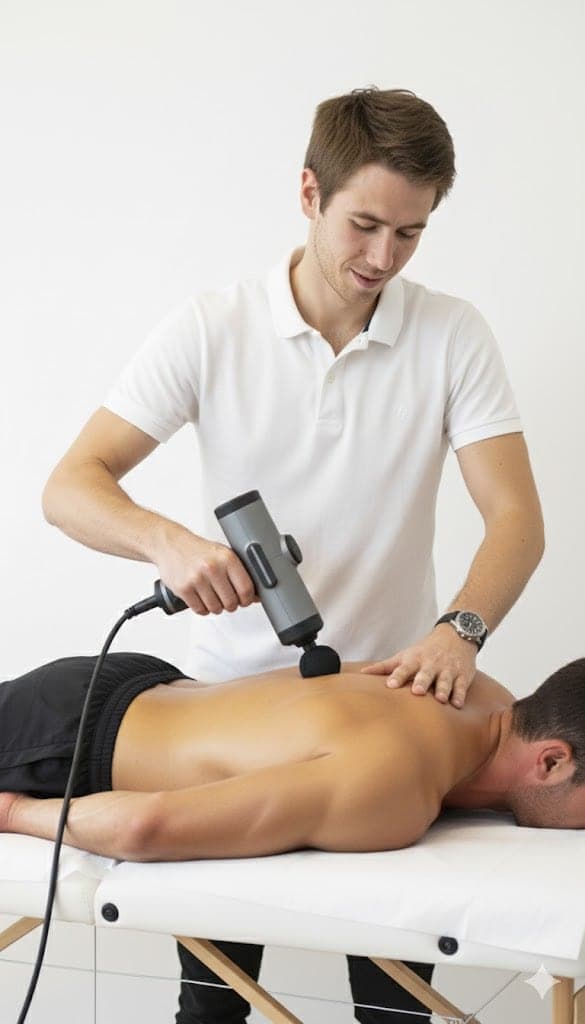
The professional equipment I transport includes a specialized therapeutic bench and all mechanical apparatus necessary for comprehensive treatment. This isn’t a compromise in quality – it’s an enhancement. My mobile setup allows for optimal treatment positioning customized to your specific needs and spatial constraints. I can adjust table height, angles, and positioning in ways that fixed clinic equipment cannot accommodate, optimizing mechanical advantage for each individual treatment.
Recovery optimization becomes significantly more effective when treatment concludes in your home environment. Post-treatment tissue sensitivity requires careful management during the initial 24-48 hours. Being in your familiar space allows for optimal rest positioning, immediate access to supportive equipment like specific pillows or heat/cold therapy, and the ability to maintain ideal movement patterns without the mechanical stress of traveling home after treatment.
Treatment methodology: systematic mechanical correction protocols
My approach to chronic lower back pain follows a systematic mechanical correction protocol developed over years of clinical practice and refined through continuous outcome analysis. Unlike traditional massage therapy that typically follows generalized routines regardless of individual presentation, my methodology begins with comprehensive biomechanical assessment to identify specific dysfunction patterns unique to each client.
The initial assessment phase involves detailed analysis of postural alignment, movement patterns, compensation strategies, and fascial restriction mapping. I evaluate how your daily activities contribute to mechanical stress accumulation, identify primary versus secondary pain generators, and determine the optimal sequence for mechanical correction. This assessment often reveals surprising connections – lower back pain frequently originates from restrictions in seemingly unrelated areas like the diaphragm, hip flexors, or even cervical spine.
Treatment progression follows specific mechanical principles designed to optimize tissue response while minimizing adverse reactions. I begin with superficial fascial layer preparation using precise, controlled pressure to enhance circulation and reduce protective muscle guarding. This preparation phase is crucial because attempting to access deep restrictions without proper tissue preparation often triggers protective responses that limit treatment effectiveness.
Deep fascial intervention represents the core therapeutic phase where mechanical correction occurs. Using calibrated force delivery, I systematically address identified restrictions, working through fascial layers with specific pressure vectors designed to restore normal tissue mobility and function. The precision of mechanical delivery allows for targeting of specific anatomical structures – multifidus, quadratus lumborum, psoas, or thoracolumbar fascia – with accuracy impossible through manual techniques.
Integration and reinforcement concludes each session, focusing on neuromuscular re-education and movement pattern optimization. I provide specific exercises and positioning strategies designed to maintain mechanical corrections and prevent restriction recurrence. This integration phase is critical because mechanical correction without proper neuromuscular integration often results in temporary improvements followed by return to previous dysfunction patterns.
Case studies: documented outcomes from chronic pain intervention
The effectiveness of advanced mechanical therapy becomes evident through documented client outcomes rather than theoretical discussions. One particularly compelling case involved a 45-year-old executive from Kato Pafos who had suffered from chronic lower back pain for seven years following a workplace injury. Despite extensive traditional treatment including physiotherapy, chiropractic care, and regular massage therapy, his pain persisted at levels that significantly impacted his work performance and family life.
Initial assessment revealed severe restrictions in the thoracolumbar fascia and significant compensatory patterns affecting hip mobility and core stability. His movement analysis demonstrated classic signs of altered biomechanics – shortened stride length, reduced spinal rotation, and compensatory shoulder elevation during walking. Previous treatments had focused primarily on symptom management rather than addressing these underlying mechanical dysfunctions.
Treatment protocol involved systematic fascial release using progressively increasing mechanical force parameters over six sessions spanning three weeks. Each session built upon previous improvements, with careful monitoring of tissue response and adjustment of force parameters based on individual healing patterns. The mechanical precision allowed for targeting of specific restriction layers that manual therapy had never adequately addressed.
Outcomes were remarkable and measurable. Pain levels decreased from 7/10 to 2/10 within the first month, functional movement assessments showed 80% improvement in spinal mobility, and his ability to perform daily activities returned to pre-injury levels. More importantly, these improvements have maintained for over two years with only occasional maintenance sessions. This case exemplifies the difference between mechanical correction and symptom management approaches.
Another significant case involved a professional athlete whose performance had declined due to chronic lower back stiffness and pain. Traditional sports massage and physiotherapy had provided temporary relief but failed to restore his competitive performance levels. Biomechanical analysis revealed complex fascial restrictions affecting his power generation and rotational capacity – issues that surface-level treatments couldn’t address effectively.
Technology integration: precision equipment and calibrated force delivery
The specialized mechanical equipment I utilize represents a significant technological advancement over traditional massage therapy approaches. This isn’t simply a massage tool – it’s a precision instrument designed specifically for deep fascial manipulation and mechanical tissue correction. The technology allows for variable force delivery ranging from gentle surface work to powerful deep tissue intervention, all while maintaining exact pressure consistency that human hands cannot achieve.
Force calibration capabilities enable precise adjustment of treatment parameters based on individual tissue characteristics, pain tolerance, and therapeutic objectives. Athletes requiring aggressive fascial release receive different pressure parameters than clients seeking gentle rehabilitation, yet both benefit from the precision and consistency that mechanical delivery provides. This customization extends beyond simple pressure variation to include specific frequency patterns, directional vectors, and treatment duration optimization.
The consistency factor cannot be overstated in its importance for chronic pain conditions. Chronic pain patterns develop over months or years of accumulated mechanical stress and dysfunction. Effective correction requires systematic, progressive intervention with consistent parameters that allow tissues to adapt and remodel gradually. Manual therapy inherently introduces variability that can disrupt this systematic progression, potentially prolonging treatment duration or limiting therapeutic effectiveness.
Documentation and progress tracking become significantly more precise with calibrated mechanical delivery. I can record exact pressure parameters, treatment duration, and tissue response characteristics for each session, allowing for objective analysis of treatment effectiveness and systematic adjustment of protocols based on measured outcomes. This data-driven approach represents a fundamental shift from the subjective assessments that characterize traditional massage therapy.
Safety parameters built into the equipment prevent excessive force application while ensuring adequate therapeutic intensity. The mechanical system includes multiple safety mechanisms that protect against tissue damage while maximizing therapeutic benefit. This combination of power and safety allows for more aggressive treatment of chronic restrictions than would be possible with manual techniques, often resulting in faster resolution of long-standing pain conditions.
Comparative analysis: mechanical therapy versus traditional massage approaches
The fundamental differences between mechanical therapy and traditional massage approaches extend far beyond treatment tools to encompass entirely different philosophical and practical frameworks for addressing chronic pain. Traditional massage therapy, while valuable for relaxation and general wellness, operates within significant limitations when addressing chronic mechanical dysfunction that underlies persistent lower back pain.
Depth penetration represents a critical limitation of manual massage techniques. The deepest fascial restrictions often lie several centimeters beneath the skin surface, protected by multiple tissue layers that must be systematically addressed to achieve access. Human hands, regardless of technique or strength, cannot maintain adequate pressure through these tissue layers while preserving the precision necessary for effective fascial manipulation. My mechanical approach delivers controlled force through all tissue layers to target specific anatomical structures with surgical precision.
Treatment consistency varies dramatically between manual and mechanical approaches. Manual therapy effectiveness depends heavily on therapist variables – energy levels, technique consistency, physical condition, and numerous other factors that introduce unpredictability into treatment outcomes. Clients often report significant variation in treatment effectiveness from session to session, making progress tracking and outcome prediction extremely difficult.
Duration of therapeutic effect differs substantially between approaches. Traditional massage typically provides temporary relief lasting days to weeks, requiring regular maintenance sessions to sustain benefits. This creates a dependency cycle where clients must continue frequent treatments to manage symptoms without ever achieving lasting resolution. Mechanical therapy focuses on lasting structural correction, often eliminating the need for ongoing maintenance once optimal function is restored.
Cost-effectiveness analysis strongly favors mechanical therapy for chronic pain conditions. While individual session costs may be comparable, the total investment required for problem resolution differs dramatically. Traditional massage often requires ongoing weekly or bi-weekly sessions indefinitely, creating substantial long-term costs without lasting resolution. Mechanical therapy typically achieves lasting results within 4-8 sessions, representing significant savings in both time and financial resources.
Client selection criteria: identifying ideal candidates for mechanical therapy
Not every client represents an ideal candidate for advanced mechanical deep-tissue therapy, and proper client selection ensures optimal outcomes while preventing inappropriate treatment of conditions better addressed through alternative approaches. My selection criteria have evolved over years of practice to identify individuals most likely to achieve significant, lasting benefits from mechanical intervention.
Chronic pain duration serves as a primary selection indicator. Clients experiencing lower back pain for more than three months, particularly those with pain duration exceeding one year, typically present with established fascial restrictions and compensatory movement patterns that respond exceptionally well to mechanical correction. Acute pain conditions, while potentially treatable, often resolve effectively with less intensive interventions and may not require mechanical therapy’s advanced capabilities.
Previous treatment history provides valuable insight into candidacy suitability. Clients who have tried multiple traditional approaches – physiotherapy, conventional massage, chiropractic care – without achieving lasting resolution often present with mechanical restrictions that require the force parameters and precision that only specialized equipment can deliver. Failed conventional treatment frequently indicates the presence of deep fascial restrictions that manual techniques cannot adequately address.
Pain pattern characteristics help identify mechanical versus inflammatory or pathological origins. Mechanical pain typically worsens with specific movements or positions, improves with others, and demonstrates clear correlations with activity levels and postural demands. Clients presenting with mechanical pain patterns respond more predictably to mechanical intervention compared to those with primarily inflammatory or systemic pain conditions.
Commitment to treatment protocol represents a crucial selection factor. Mechanical therapy requires active client participation in treatment progression, including adherence to specific movement recommendations, positioning strategies, and lifestyle modifications. Clients seeking passive treatment without personal involvement in recovery typically achieve inferior outcomes compared to those willing to engage actively in their rehabilitation process.
Athletic or performance goals often correlate with exceptional treatment outcomes. Individuals focused on optimizing physical performance, whether for competitive athletics or enhanced daily function, typically demonstrate high motivation levels and precise awareness of improvement indicators. Their performance-focused mindset aligns well with mechanical therapy’s results-oriented approach and objective outcome measurements.
Treatment timeline expectations and outcome predictions
Realistic timeline expectations form a crucial component of treatment planning and client satisfaction with therapeutic outcomes. Unlike traditional massage therapy that often provides vague promises of “gradual improvement,” mechanical therapy follows predictable progression patterns that allow for accurate timeline forecasting based on individual presentation characteristics and treatment response indicators.
Initial response assessment occurs within the first 1-3 sessions and provides valuable insight into overall treatment duration requirements. Clients demonstrating significant improvement in pain levels, mobility, or functional capacity during initial sessions typically require shorter overall treatment periods, often achieving optimal outcomes within 4-6 sessions. Those with slower initial response may require 6-8 sessions for complete resolution, though improvement should be measurable throughout the treatment progression.
Session frequency optimization depends on individual tissue healing characteristics and treatment response patterns. Most clients benefit from sessions scheduled 3-7 days apart during the active treatment phase, allowing adequate tissue recovery time while maintaining treatment momentum. Sessions scheduled too closely may overwhelm tissue healing capacity, while excessive intervals between sessions can allow regression of treatment gains.
Plateau identification and management represent critical aspects of treatment progression monitoring. Temporary plateaus in improvement are normal during complex fascial reorganization, but prolonged plateaus may indicate the need for protocol modification or additional assessment of contributing factors. My experience allows for early plateau identification and appropriate treatment adjustment to maintain consistent progress toward therapeutic objectives.
Maintenance requirements vary significantly based on individual lifestyle factors, occupational demands, and genetic tissue characteristics. Many clients achieve lasting resolution requiring no ongoing maintenance, while others benefit from quarterly or bi-annual sessions to address accumulated stress and prevent restriction recurrence. Maintenance needs correlate closely with lifestyle modification implementation and adherence to movement recommendations.
Long-term outcome tracking demonstrates the durability of mechanical therapy results. Follow-up assessments conducted 6-12 months post-treatment consistently show maintained improvements in pain levels, functional capacity, and quality of life indicators. This durability represents a fundamental advantage over symptom-management approaches that require ongoing intervention to maintain benefits.
Investment analysis: therapeutic value versus cost considerations
Understanding the financial investment required for effective chronic pain resolution requires analysis beyond simple per-session costs to encompass total treatment expenses, opportunity costs of continued dysfunction, and long-term value propositions of lasting versus temporary solutions. This comprehensive analysis consistently demonstrates mechanical therapy’s superior cost-effectiveness for clients seeking definitive pain resolution.
Traditional massage therapy costs accumulate continuously over months and years of ongoing treatment requirements. Clients typically spend €80-120 per session for 2-4 sessions monthly indefinitely, creating annual costs of €2000-5000 without achieving lasting resolution. Over a five-year period, traditional massage expenses can exceed €15,000 while pain conditions persist and often worsen due to progressive mechanical dysfunction.
Mechanical therapy investment concentrates therapeutic expenses within a defined treatment period, typically requiring 4-8 sessions for complete resolution at €150-200 per session. Total investment ranges from €600-1600 for lasting pain elimination, representing dramatic cost savings compared to ongoing traditional treatment requirements. The concentrated investment model eliminates indefinite treatment dependencies while providing definitive problem resolution.
Opportunity cost analysis reveals additional financial benefits of effective pain resolution. Chronic pain significantly impacts work productivity, recreational activities, and overall quality of life, creating hidden costs that often exceed direct treatment expenses. Clients frequently report improved work performance, reduced sick leave requirements, and enhanced earning capacity following successful pain resolution, creating positive financial returns that offset treatment investments.
Insurance and healthcare savings represent substantial additional benefits of lasting pain resolution. Clients with chronic pain conditions often require ongoing medical management, diagnostic procedures, pain medications, and various healthcare interventions that create significant cumulative costs. Eliminating chronic pain through mechanical therapy typically reduces these ongoing healthcare expenses dramatically, often providing complete return on treatment investment within the first year.
Quality of life improvements, while difficult to quantify financially, represent perhaps the most significant value proposition of effective pain treatment. Restored ability to engage fully in work, family activities, recreational pursuits, and daily life functions provides value that extends far beyond monetary considerations. Clients consistently report that pain elimination transforms their entire life experience in ways that make financial investment considerations seem insignificant.
Geographic coverage and accessibility throughout Kato Pafos
My mobile service model ensures accessibility throughout the entire Kato Pafos region, eliminating transportation barriers that often prevent individuals from accessing specialized therapeutic services. This geographic coverage extends from the coastal resort areas to residential neighborhoods, accommodating clients regardless of location within the greater Kato Pafos area.
Travel logistics are carefully managed to ensure punctual arrival and optimal treatment conditions regardless of location. I maintain detailed knowledge of local traffic patterns, parking availability, and access requirements for various residential and commercial areas throughout Kato Pafos. This logistical expertise ensures that location variables never compromise treatment quality or scheduling reliability.
Equipment transportation includes all professional-grade apparatus necessary for comprehensive mechanical therapy, housed in specialized transport systems that maintain equipment calibration and cleanliness during travel. The mobile setup provides identical therapeutic capabilities to fixed clinic installations, ensuring no compromise in treatment effectiveness regardless of treatment location.
Scheduling flexibility accommodates various client preferences and constraints, including early morning, evening, and weekend appointments that would be difficult to access through traditional clinic-based services. This flexibility proves particularly valuable for clients with demanding work schedules, family commitments, or mobility limitations that make travel to fixed locations challenging.
Environmental optimization allows for treatment customization based on client-specific needs and preferences. Home environments often provide superior relaxation conditions compared to clinical settings, enhancing treatment effectiveness through reduced stress and increased comfort. The familiar environment also facilitates better post-treatment rest and recovery implementation.
Frequently asked questions about mechanical deep-tissue therapy
How does mechanical therapy differ from traditional massage for lower back pain?
Mechanical therapy utilizes precision equipment to deliver calibrated force parameters that penetrate deeper into fascial layers than human hands can achieve. While traditional massage works primarily on superficial tissues and provides temporary relaxation, mechanical therapy targets the deep fascial restrictions that create chronic pain patterns. The consistency and power of mechanical delivery allow for lasting structural correction rather than symptom management. Traditional massage typically requires ongoing sessions indefinitely, while mechanical therapy often resolves chronic pain conditions within 4-8 sessions through systematic fascial reorganization and biomechanical correction.
What should I expect during my first mechanical therapy session?
Your initial session begins with comprehensive biomechanical assessment including posture analysis, movement evaluation, and fascial restriction mapping. I’ll identify specific dysfunction patterns contributing to your pain and explain the mechanical principles governing treatment progression. The treatment itself involves systematic application of calibrated pressure using specialized equipment, beginning with gentle tissue preparation and progressing to deeper fascial intervention based on your tolerance and tissue response. Most clients experience immediate improvement in mobility and pain reduction, though tissue sensitivity may occur for 24-48 hours as fascial restrictions release and normal function restores.
Is mechanical therapy painful, and how does intensity compare to traditional massage?
Mechanical therapy intensity can be precisely adjusted from gentle surface work to powerful deep intervention based on individual needs and tolerance. Many clients find deep fascial release temporarily uncomfortable but describe it as “good pain” that indicates therapeutic work occurring. The precision of mechanical delivery allows for optimal therapeutic intensity without excessive discomfort – something impossible with manual techniques that often must choose between inadequate pressure or excessive pain. Discomfort during treatment is temporary and purposeful, while the pain relief achieved often exceeds clients’ expectations based on previous massage experiences.
How many sessions will I need for chronic lower back pain resolution?
Session requirements depend on pain duration, restriction severity, and individual tissue healing characteristics. Most chronic lower back pain conditions require 4-8 sessions for complete resolution, with significant improvement typically evident within 2-3 sessions. Conditions present for multiple years may require additional sessions, while more recent pain often resolves faster. I provide realistic timeline estimates following initial assessment and monitor progress carefully throughout treatment progression. Unlike traditional massage that requires indefinite maintenance, mechanical therapy aims for lasting resolution that eliminates ongoing treatment dependencies.
Can mechanical therapy help if traditional treatments have failed?
Mechanical therapy often succeeds where traditional approaches fail precisely because it addresses mechanical restrictions that manual techniques cannot adequately access. Many clients seek my services after unsuccessful attempts with physiotherapy, chiropractic care, and traditional massage. Failed conventional treatment frequently indicates the presence of deep fascial restrictions requiring the force parameters and precision that only specialized mechanical equipment can deliver. The systematic approach to fascial reorganization and biomechanical correction often resolves chronic conditions that have persisted despite extensive traditional treatment attempts.
What makes your mobile service different from clinic-based treatments?
Mobile service eliminates stress factors associated with clinic visits while providing superior comfort and convenience for optimal treatment effectiveness. You avoid parking difficulties, travel time, and unfamiliar environments that can activate stress responses and compromise treatment outcomes. The familiar home environment enhances relaxation and recovery while allowing immediate implementation of post-treatment recommendations using your own furniture and space. My professional mobile equipment provides identical therapeutic capabilities to fixed installations, ensuring no compromise in treatment quality while offering superior accessibility and convenience.
Do you treat conditions other than lower back pain?
While I specialize in lower back pain due to its complexity and prevalence, mechanical therapy effectively addresses various chronic pain conditions throughout the body. Neck pain, shoulder dysfunction, hip restrictions, and other fascial-based pain conditions respond excellently to mechanical intervention. My biomechanical assessment approach identifies the root causes of pain regardless of location, and the precision of mechanical delivery allows for targeted treatment of any accessible tissue restrictions. However, chronic lower back pain represents my primary area of expertise and the condition where my specialized approach demonstrates the most dramatic results.
How do I know if I’m a good candidate for mechanical therapy?
Ideal candidates typically present with chronic pain lasting more than three months, particularly those who have tried multiple conventional treatments without lasting success. Mechanical pain patterns that worsen with specific movements or positions and improve with others indicate fascial restrictions that respond well to mechanical intervention. Clients committed to active participation in recovery, including adherence to movement recommendations and lifestyle modifications, achieve the best outcomes. Those seeking performance optimization or return to high-level activities often demonstrate exceptional treatment response due to their motivation and precise awareness of improvement indicators.
Finding the best massage therapists in Kato Pafos for chronic lower back pain requires understanding the fundamental differences between relaxation-based massage and mechanical correction approaches. My decade of experience, specialized education, and advanced equipment capabilities represent a paradigm shift in therapeutic effectiveness – one that focuses on lasting resolution rather than temporary symptom management. The investment in mechanical therapy provides exceptional value through definitive pain resolution, enhanced performance, and restored quality of life that transforms your entire daily experience.
Written by
Chris
Massage therapist & body mechanics specialist
Norwegian-certified with a Bachelor’s in Physical Education and Nutrition and over ten years of clinical practice, working from a portable table in clients’ homes across the Paphos district.
This article is general information from clinical practice, not a medical diagnosis. If you have severe, worsening or unexplained pain, numbness, weakness, or pain after an accident, see a doctor first.