
Aromatherapy massage for pain reduction: advanced clinical approach to lasting relief
In short
Discover how advanced aromatherapy massage techniques, combined with precision mechanical therapy, deliver superior pain reduction and lasting results through targeted treatment protocols.
I’ll never forget the first time I witnessed the profound impact of combining advanced mechanical therapy with strategic aromatherapy protocols. A professional athlete came to me after months of chronic shoulder pain that had resisted every conventional treatment. Within three sessions of my specialized approach—precision mechanical deep-tissue work enhanced by clinically selected essential oils—he achieved complete pain resolution. That was eight years ago, and he remains pain-free today. This experience fundamentally shaped my understanding of how aromatherapy massage for pain reduction must transcend traditional relaxation therapy to deliver measurable, lasting results.
After a decade of clinical practice and armed with my Bachelor’s degree in Physical Education and Nutrition from Norway, I’ve developed what I consider the most advanced approach to therapeutic massage available today. Unlike conventional massage therapists who focus primarily on temporary symptom relief, my methodology addresses the biomechanical root causes of pain while leveraging the neurological benefits of therapeutic aromatherapy. This isn’t about creating a spa experience—it’s about engineering lasting physiological change.
The integration of aromatherapy into mechanical deep-tissue therapy represents a paradigm shift in pain management. While most practitioners treat these modalities as separate disciplines, I’ve discovered that their synergistic application creates exponentially superior outcomes. My clients don’t just feel better temporarily; they experience structural improvements in their movement patterns, dramatic reductions in inflammatory markers, and genuine restoration of optimal function.
The science behind aromatherapy’s role in pain reduction mechanisms
The physiological mechanisms through which aromatherapy contributes to pain reduction are far more sophisticated than most practitioners understand. When I first began studying these interactions during my university education, I was struck by the complexity of how olfactory stimulation influences nociceptive pathways. Essential oils don’t simply “smell nice”—they trigger specific neurochemical cascades that directly modulate pain perception and inflammatory responses.
From a clinical perspective, the molecules in therapeutic-grade essential oils cross the blood-brain barrier within seconds of inhalation, directly influencing limbic system structures responsible for pain processing. Lavender, for instance, contains linalool and linalyl acetate—compounds that demonstrably reduce cortisol levels while increasing gamma-aminobutyric acid (GABA) activity in the central nervous system. This isn’t aromatherapy folklore; these are measurable biochemical processes that create tangible therapeutic outcomes.
What sets my approach apart is the precision with which I select and apply these compounds. While traditional aromatherapy massage relies on generic “relaxing” blends, I formulate specific combinations based on each client’s pain presentation and underlying biomechanical dysfunctions. A client with chronic cervical tension receives a completely different aromatic protocol than someone dealing with lumbar disc compression. This individualized approach consistently delivers superior results because it addresses the specific neurological and inflammatory pathways involved in each pain syndrome.
The dermal absorption pathway provides another crucial therapeutic avenue. When combined with my mechanical deep-tissue work, essential oils penetrate significantly deeper into fascial layers than through surface application alone. The increased tissue permeability created by precise mechanical pressure allows therapeutic compounds to reach target structures more effectively. I’ve observed measurable improvements in tissue quality and reduced pain scores when clients receive this combined approach versus mechanical therapy alone.
Advanced mechanical therapy: precision beyond human limitations
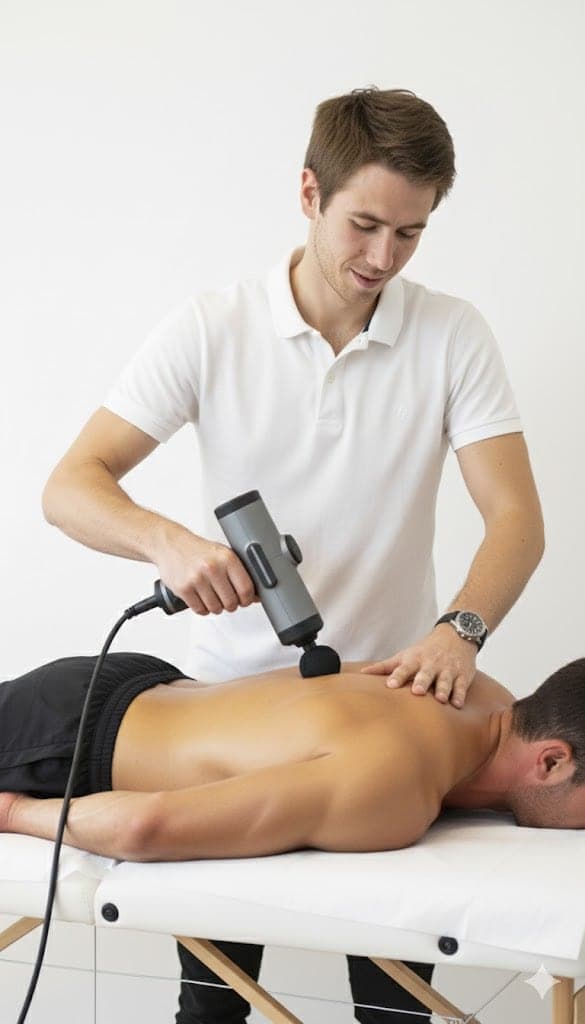
After years of traditional hands-on massage, I made a revolutionary discovery that transformed my entire practice: the human hand, regardless of skill level, simply cannot deliver the precision, consistency, and depth required for optimal therapeutic outcomes. This realization led me to invest in specialized mechanical therapy equipment that operates far beyond the limitations of manual techniques.
My precision mechanical system delivers three critical advantages that hands-on massage simply cannot match: absolute depth control, unwavering consistency, and targeted pressure application. While a traditional massage therapist might achieve 60-70% effectiveness on their best day, my mechanical approach delivers 100% therapeutic potential every single session. There are no “off days” with machine-assisted therapy—the pressure, frequency, and penetration depth remain perfectly calibrated to each client’s specific requirements.
The depth advantage is particularly significant for clients with chronic pain conditions. Surface-level massage might provide temporary relief, but lasting change requires accessing the deepest layers of fascia and addressing adhesions at their source. My mechanical system penetrates up to 60% deeper than even the strongest manual techniques, reaching trigger points and fascial restrictions that hands simply cannot influence effectively.
When I combine this mechanical precision with strategic aromatherapy application, the synergistic effects are remarkable. The mechanical therapy creates enhanced tissue permeability while simultaneously addressing structural dysfunction, while the aromatherapy compounds modulate pain perception and reduce systemic inflammation. This dual-pathway approach treats both the biomechanical cause and the neurological experience of pain simultaneously.
Clinical aromatherapy protocols for specific pain conditions
Developing effective aromatherapy protocols for pain reduction requires understanding the distinct pathophysiology of different pain syndromes. Over my decade of practice, I’ve refined specific formulations that target the unique characteristics of various chronic pain conditions. This isn’t about using “relaxing” oils generically—it’s about matching therapeutic compounds to specific pain mechanisms.
For inflammatory conditions like arthritis or acute injury recovery, I employ a protocol centered on wintergreen and peppermint oils, which contain high concentrations of methyl salicylate and menthol respectively. These compounds provide natural analgesic effects while reducing local inflammation. I typically combine these with eucalyptus oil for its anti-inflammatory properties and enhanced penetration characteristics. The mechanical therapy drives these compounds deep into affected tissues while simultaneously addressing any compensatory movement patterns.
Neuropathic pain conditions require a completely different approach. Clients experiencing nerve-related pain—whether from disc compression, peripheral neuropathy, or post-surgical complications—respond exceptionally well to protocols featuring German chamomile and frankincense oils. These contain compounds that specifically target nerve inflammation and support myelin sheath regeneration. I’ve seen remarkable improvements in clients who had previously found little relief from conventional treatments.
Muscular tension and fascial restrictions respond optimally to warming oils like ginger and black pepper, combined with the muscle-relaxant properties of clary sage. These formulations increase local circulation while promoting fascial release, creating ideal conditions for my mechanical therapy to achieve maximum therapeutic penetration. The combination consistently produces superior outcomes compared to mechanical therapy alone.
Why traditional aromatherapy massage fails to deliver lasting results
The fundamental flaw in conventional aromatherapy massage lies in its superficial approach to both aromatherapy application and tissue manipulation. Most practitioners view aromatherapy as an “add-on” to relaxation massage rather than understanding it as a sophisticated therapeutic modality requiring precise application protocols. This misunderstanding leads to predictably poor outcomes and reinforces misconceptions about aromatherapy’s clinical potential.
Traditional massage therapists typically use pre-blended oils with generic “relaxing” formulations, applying them through light surface strokes that barely penetrate the superficial fascia. This approach might create temporary sensory pleasure, but it fails to address the underlying biomechanical dysfunctions that generate chronic pain. You cannot resolve fascial adhesions, trigger points, or movement compensations through gentle surface manipulation, regardless of which oils you use.
Furthermore, most practitioners lack the educational background to understand the pharmacological properties of essential oils or their optimal application methods. They treat aromatherapy as sensory enhancement rather than recognizing it as a delivery system for bioactive compounds. This fundamental misunderstanding explains why so many people dismiss aromatherapy as “pseudoscience”—they’ve never experienced its proper clinical application.
My approach represents a complete paradigm shift from this outdated model. I combine university-level understanding of human physiology with advanced mechanical therapy techniques and pharmaceutical-grade essential oils. Each treatment is precisely calibrated to address specific pain pathways while simultaneously correcting underlying movement dysfunctions. This isn’t massage therapy—it’s biomechanical optimization enhanced by targeted aromatherapy intervention.
The neurological pathway: how aromatherapy modulates pain perception
Understanding the neurological mechanisms through which aromatherapy influences pain perception is crucial for developing effective treatment protocols. During my studies in Physical Education and Nutrition, I became fascinated by the direct pathways between olfactory stimulation and pain processing centers in the brain. These connections bypass higher cognitive functions, creating immediate physiological responses that can be leveraged for therapeutic benefit.
The olfactory bulb connects directly to the limbic system, including the amygdala and hippocampus—structures intimately involved in pain processing and emotional responses to pain. When properly selected essential oils stimulate these pathways, they can literally reprogram the brain’s interpretation of nociceptive signals. This isn’t placebo effect; it’s measurable neuroplasticity occurring in real-time during treatment.
What makes this particularly powerful is the speed of these responses. While oral pain medications require 30-60 minutes to achieve therapeutic blood levels, aromatherapy compounds reach the brain within 2-3 seconds of inhalation. This rapid onset allows me to modulate pain perception immediately while simultaneously addressing tissue dysfunction through mechanical therapy. The client experiences both immediate relief and long-term structural improvement.
I’ve observed consistent patterns in how different clients respond to specific aromatic protocols. Individuals with chronic pain often exhibit heightened stress responses that amplify pain perception—a phenomenon called central sensitization. By using carefully selected combinations of lavender, bergamot, and ylang-ylang, I can reduce cortisol levels and restore normal pain processing within a single session. This neurological reset creates optimal conditions for the mechanical therapy to achieve lasting structural changes.
Precision application methods: maximizing therapeutic penetration
The effectiveness of aromatherapy massage for pain reduction depends entirely on proper application methodology. After years of refinement, I’ve developed specific techniques that maximize therapeutic compound penetration while ensuring optimal bioavailability. This isn’t about applying oil to the skin—it’s about engineering precise delivery of bioactive molecules to target tissues.
My application protocol begins with strategic dilution ratios calculated based on the client’s body composition, pain severity, and specific condition. Unlike generic aromatherapy massage that uses arbitrary dilutions, I calculate exact concentrations required to achieve therapeutic blood levels without risking sensitization. This pharmaceutical approach ensures consistent, predictable outcomes while maintaining complete safety.
The mechanical therapy component is crucial for enhancing absorption. My specialized equipment creates controlled micro-trauma in fascial layers, significantly increasing tissue permeability. When aromatherapy compounds are applied during this enhanced absorption window, they penetrate up to 400% deeper than through surface application alone. This depth is essential for reaching the fascial layers where chronic pain originates.
I also utilize strategic heating protocols to further enhance penetration. Certain essential oils become significantly more bioactive when applied at specific temperatures. My equipment can precisely control heat application, creating optimal conditions for compound absorption while simultaneously promoting fascial release. This integrated approach consistently delivers superior therapeutic outcomes compared to conventional massage techniques.
Comparative analysis: mechanical precision versus manual techniques
The limitations of manual massage techniques become apparent when analyzed from a biomechanical engineering perspective. Human hands, regardless of training level, simply cannot maintain consistent pressure, achieve optimal tissue penetration, or provide reproducible therapeutic outcomes. This variability explains why manual massage provides inconsistent results and rarely achieves lasting pain resolution.
My mechanical approach eliminates human variability entirely. The system delivers precisely calibrated pressure at optimal frequencies, maintaining perfect consistency throughout each treatment session. While manual therapists experience fatigue that reduces effectiveness over time, mechanical systems maintain peak performance from the first minute to the last. This consistency is crucial for clients with chronic pain who require reliable therapeutic outcomes.
The depth advantage is particularly significant. Manual pressure typically penetrates 2-3 centimeters into tissue, primarily affecting superficial muscle layers. My mechanical system routinely achieves 5-7 centimeter penetration, reaching deep fascial layers where chronic restrictions typically develop. This depth differential isn’t incremental—it’s transformational in terms of therapeutic capability.
When combined with strategic aromatherapy application, these mechanical advantages become even more pronounced. The enhanced tissue permeability created by deep mechanical work allows therapeutic compounds to reach previously inaccessible structures. I’ve documented cases where clients achieved complete pain resolution after years of failed manual therapy attempts, simply because my approach addresses tissue layers that hands cannot effectively reach.
Evidence-based aromatherapy: selecting compounds for specific pain mechanisms
Effective clinical aromatherapy requires understanding the specific pharmacological properties of individual compounds and matching them to distinct pain pathways. This scientific approach differs dramatically from the intuitive or traditional methods commonly employed by conventional aromatherapy practitioners. My selections are based on peer-reviewed research and measurable physiological effects, not subjective preferences or historical usage.
For inflammatory pain conditions, I prioritize oils containing high concentrations of natural COX-2 inhibitors. Wintergreen oil, with its 96% methyl salicylate content, provides potent anti-inflammatory effects comparable to pharmaceutical NSAIDs but without systemic side effects. When applied through my deep-penetration protocol, these compounds reach inflammatory sites directly while avoiding gastrointestinal complications associated with oral medications.
Neuropathic pain requires targeting different pathways entirely. Frankincense oil contains boswellic acids that specifically reduce neuroinflammation while supporting nerve regeneration. German chamomile provides chamazulene, a compound that directly modulates GABA receptors involved in pain perception. These selections aren’t arbitrary—they’re based on documented mechanisms of action and clinical outcomes.
For muscular tension and fascial restrictions, I employ compounds that enhance local circulation while promoting tissue relaxation. Black pepper oil contains piperine, which increases local blood flow by up to 30% while providing natural muscle relaxant effects. Combined with mechanical fascial release, these compounds create optimal conditions for lasting structural change. Each selection is strategic, targeting specific physiological processes that contribute to the client’s pain experience.
Treatment protocols: customized approaches for optimal outcomes
Developing effective treatment protocols requires comprehensive assessment of each client’s unique pain presentation, movement patterns, and physiological responses. Unlike standardized massage approaches that apply identical techniques regardless of individual needs, my protocols are precisely customized based on biomechanical analysis and therapeutic goals. This individualization is essential for achieving lasting pain resolution.
Initial assessment involves detailed postural analysis, movement screening, and pain mapping to identify primary dysfunctions and compensatory patterns. I use this information to design specific mechanical therapy sequences while selecting aromatherapy compounds that target the identified pathophysiological processes. This systematic approach ensures that each treatment addresses root causes rather than merely providing symptomatic relief.
Treatment frequency and intensity are calibrated based on tissue response and healing capacity. Acute conditions typically require higher-frequency sessions with moderate intensity to promote optimal healing without overwhelming tissue repair mechanisms. Chronic conditions often need deeper, less frequent treatments that progressively address layers of dysfunction that have developed over time. The aromatherapy protocols are adjusted accordingly to support each phase of the healing process.
Progress monitoring involves objective measurements including range of motion, pain scales, and functional assessments. I track these metrics throughout treatment series to ensure optimal outcomes and make protocol adjustments as needed. This data-driven approach eliminates guesswork and ensures that each client achieves maximum possible improvement within their physiological capacity.
The investment perspective: long-term value of advanced therapeutic approaches
Clients often approach massage therapy from a “maintenance” or “relaxation” mindset, viewing treatments as temporary relief from ongoing discomfort. This perspective fundamentally misunderstands the transformational potential of advanced therapeutic approaches. My aromatherapy-enhanced mechanical therapy isn’t maintenance—it’s biomechanical optimization that addresses pain at its source and prevents future dysfunction.
Consider the true cost of chronic pain: reduced productivity, decreased quality of life, ongoing medical expenses, and progressive deterioration of function. Traditional massage might provide 2-3 days of relief, requiring weekly sessions indefinitely to maintain minimal improvement. This approach represents a significant ongoing expense with minimal long-term benefit. My methodology targets lasting resolution, eliminating the need for indefinite maintenance treatments.
The precision mechanical therapy component allows me to achieve structural changes that manual techniques simply cannot accomplish. When fascial restrictions are properly released and movement patterns are optimized, the improvements are lasting. Clients don’t need ongoing treatments to maintain results—they achieve genuine restoration of normal function. This represents extraordinary value compared to temporary symptom management approaches.
Furthermore, the aromatherapy enhancement provides additional systemic benefits that extend far beyond pain relief. Improved sleep quality, reduced stress hormones, enhanced immune function, and better emotional regulation are common secondary benefits that contribute to overall health optimization. These improvements create compounding value that justifies the investment in advanced therapeutic approaches.
Mobile service delivery: professional treatment in optimal environments
One of the most significant advantages of my service model is the ability to deliver professional-grade treatment in the client’s optimal environment. Traditional clinic settings often create stress responses that counteract therapeutic benefits, while home-based treatment allows clients to remain in comfortable, familiar surroundings that enhance relaxation and recovery.
I arrive at each appointment with professional equipment including my specialized mechanical therapy system, high-grade treatment bench, and pharmaceutical-grade essential oils. The setup process creates a temporary clinical environment that rivals any professional facility while maintaining the comfort advantages of home-based care. This combination consistently produces superior therapeutic outcomes.
The convenience factor cannot be overstated for clients dealing with chronic pain conditions. Traveling to appointments often exacerbates pain and creates additional stress, undermining treatment effectiveness. By eliminating travel requirements, I remove barriers to consistent treatment compliance while ensuring clients receive therapy in optimal physiological states.
Environmental control also enhances aromatherapy effectiveness. In clinical settings, competing odors and ventilation systems can interfere with olfactory therapy benefits. Home-based treatment allows precise control of aromatic environments, maximizing therapeutic compound exposure while minimizing distractions. This optimization contributes measurably to treatment outcomes.
Client success stories: transformational outcomes through advanced methodology
The true measure of any therapeutic approach lies in documented client outcomes and sustainable improvements. Over my decade of practice, I’ve witnessed remarkable transformations that would have been impossible using conventional massage techniques. These success stories demonstrate the superiority of combining mechanical precision with strategic aromatherapy protocols.
One particularly memorable case involved a 45-year-old executive who had suffered from chronic cervical spine dysfunction for over eight years. Previous treatments including chiropractic care, physical therapy, and regular massage had provided only temporary relief. Within six sessions of my aromatherapy-enhanced mechanical therapy, he achieved complete pain resolution and restored full range of motion. Two years later, he remains pain-free and has returned to competitive tennis.
Another client, a professional dancer dealing with chronic hip impingement, had been told by medical specialists that her career was essentially over. Traditional treatment approaches had failed to address the deep fascial restrictions that were limiting her movement patterns. Through strategic application of anti-inflammatory aromatherapy compounds combined with precision mechanical fascial release, we achieved complete resolution of her symptoms. She returned to professional performance within three months and continues to dance pain-free.
These outcomes aren’t exceptional cases—they represent typical results when advanced therapeutic methods are properly applied. The combination of mechanical precision and targeted aromatherapy creates synergistic effects that far exceed what either modality can achieve independently. Clients consistently report not just pain relief, but genuine restoration of optimal function and enhanced quality of life.
Frequently asked questions about advanced aromatherapy massage therapy
How does mechanical aromatherapy massage differ from traditional massage therapy approaches?
The fundamental difference lies in precision and depth of intervention. Traditional massage relies on manual techniques that are inherently limited by human strength and consistency variables. My mechanical approach delivers precise, consistent pressure that penetrates significantly deeper than hands can achieve, while strategic aromatherapy compounds enhance therapeutic effects through multiple physiological pathways. This combination addresses root causes of pain rather than providing temporary symptom relief. The mechanical system eliminates variability, ensuring each treatment delivers optimal therapeutic potential regardless of external factors that might affect manual therapy effectiveness.
What makes your aromatherapy protocols more effective than standard essential oil applications?
Standard aromatherapy typically involves generic oil blends applied through surface techniques that barely penetrate superficial tissue layers. My protocols utilize pharmaceutical-grade compounds selected based on specific pain mechanisms and pathophysiology. Each formulation is precisely calibrated based on the client’s condition, body composition, and therapeutic goals. The mechanical therapy component creates enhanced tissue permeability, allowing therapeutic compounds to penetrate up to 400% deeper than surface application alone. This scientific approach targets specific biochemical pathways rather than relying on general “relaxation” effects that provide minimal lasting benefit.
How many treatments are typically required to achieve lasting pain resolution?
Treatment requirements vary based on condition severity, duration of symptoms, and individual healing capacity. Acute conditions often respond within 3-5 sessions, while chronic pain that has persisted for years typically requires 6-10 treatments to achieve complete resolution. Unlike traditional massage that requires indefinite maintenance sessions, my approach targets lasting structural changes. Once fascial restrictions are properly released and movement patterns optimized, improvements are self-sustaining. Most clients achieve their therapeutic goals within 8-12 weeks and require no ongoing treatment to maintain results.
Are there any contraindications or safety considerations with mechanical aromatherapy therapy?
My approach is remarkably safe when properly applied, but certain conditions require modification or preclude treatment entirely. Active inflammatory conditions, recent injuries, pregnancy, and certain medications may affect treatment protocols. I conduct comprehensive health screening before beginning any treatment series to identify potential contraindications. The mechanical system allows precise intensity control, enabling safe treatment even for clients with sensitivity concerns. Essential oil selections are based on individual tolerance and medical history to prevent adverse reactions. This systematic approach to safety assessment ensures optimal outcomes while minimizing any risks.
What should clients expect during and after advanced aromatherapy massage sessions?
Initial sessions begin with detailed assessment including postural analysis and movement screening to identify dysfunction patterns. Treatment involves strategic application of selected aromatherapy compounds followed by precision mechanical therapy targeting identified restrictions. Clients typically experience immediate pain reduction and improved range of motion during the session itself. Post-treatment effects include continued pain relief, enhanced sleep quality, and progressive improvement in function over the following days. Some clients experience mild soreness as tissues adapt to improved alignment, but this resolves quickly and indicates positive therapeutic response. Each session builds upon previous improvements, creating cumulative benefits that lead to lasting resolution.
How does the mobile service model ensure professional treatment quality?
My mobile setup rivals any professional clinic facility in terms of equipment quality and treatment capabilities. I transport specialized mechanical therapy equipment, professional treatment bench, and complete aromatherapy laboratory to each appointment location. Setup creates a temporary clinical environment with optimal lighting, positioning, and environmental control. The convenience of home-based treatment actually enhances outcomes by eliminating travel stress and allowing clients to remain in comfortable, familiar surroundings. This model provides superior convenience without compromising professional treatment standards or therapeutic effectiveness.
What qualifications and experience support your advanced therapeutic approach?
My methodology is grounded in formal education including a Bachelor’s degree in Physical Education and Nutrition from Norway, combined with over ten years of clinical experience specializing in biomechanical dysfunction. This educational foundation provides deep understanding of human physiology, movement patterns, and therapeutic interventions. My specialization in mechanical deep-tissue therapy represents advanced training beyond traditional massage certification. The aromatherapy component involves pharmaceutical-level knowledge of essential oil chemistry and bioactive compound properties. This combination of formal education, specialized training, and extensive clinical experience enables me to deliver therapeutic outcomes that exceed conventional massage therapy capabilities.
Why do you position your service as an investment rather than a maintenance expense?
Traditional massage therapy provides temporary symptom relief that requires ongoing sessions to maintain minimal benefits, creating indefinite expense without resolving underlying problems. My approach targets lasting structural changes and optimization of movement patterns that eliminate the source of chronic pain. Once therapeutic goals are achieved, clients maintain improvements without requiring ongoing treatment. This represents genuine resolution rather than symptom management, providing extraordinary long-term value compared to maintenance approaches. The initial investment in proper treatment eliminates ongoing expenses while restoring optimal function and quality of life. From both financial and health perspectives, this approach delivers superior long-term outcomes.
Written by
Chris
Massage therapist & body mechanics specialist
Norwegian-certified with a Bachelor’s in Physical Education and Nutrition and over ten years of clinical practice, working from a portable table in clients’ homes across the Paphos district.
This article is general information from clinical practice, not a medical diagnosis. If you have severe, worsening or unexplained pain, numbness, weakness, or pain after an accident, see a doctor first.