
Affordable remedial massage in Paphos: expert treatment without compromising quality
In short
Discover how to find affordable remedial massage in Paphos that delivers real results. Learn why investing in proper treatment saves money long-term and what to look for in quality providers.
I’ll never forget the day a client contacted me in Paphos, desperate for relief but concerned about the cost. “I’ve spent hundreds on cheap massages,” she told me, “and I’m still in pain.” This conversation changed how I view the entire concept of “affordable” remedial massage in Paphos. After a decade in the field, with my degree in Physical Education and Nutrition from Norway, I’ve learned that truly affordable treatment isn’t about the lowest price – it’s about achieving lasting results that eliminate the need for endless sessions.
The remedial massage industry in Paphos presents a fascinating paradox. Tourists and residents alike seek affordable options, yet many end up spending more money on ineffective treatments than they would on proper therapeutic intervention. Through my years of experience using advanced mechanical deep-tissue techniques, I’ve witnessed this cycle repeatedly. Let me share what I’ve discovered about finding genuinely affordable remedial massage in Paphos that actually delivers the outcomes you’re seeking.
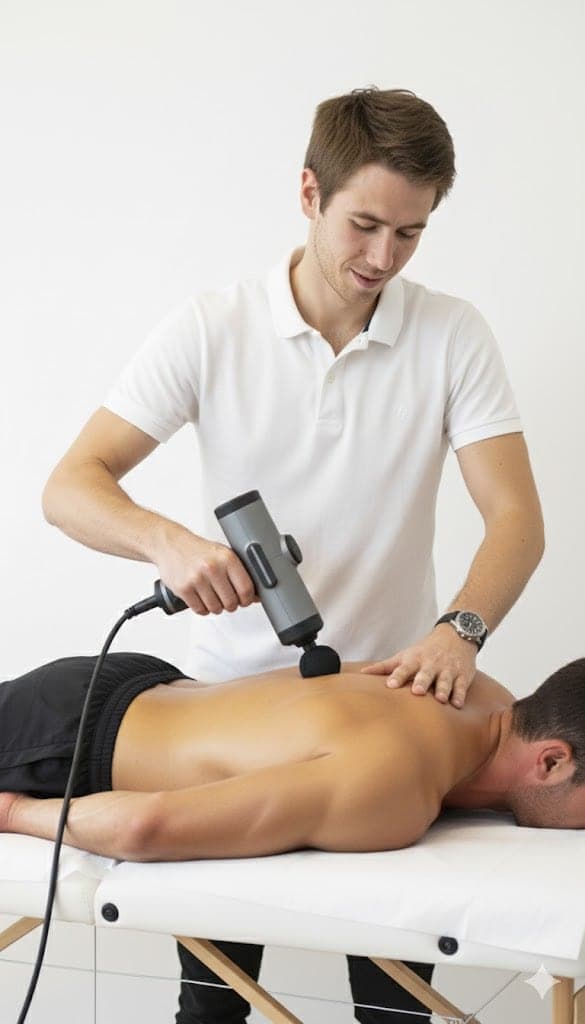
When I first established my practice in Cyprus, I was astounded by how many people had given up on massage therapy entirely. They’d tried numerous practitioners, spent considerable money, yet their chronic pain persisted. This taught me that affordability isn’t just about initial cost – it’s about value, results, and long-term investment in your body’s optimization. The machine-assisted technique I employ delivers precision, power, and consistency that traditional methods simply cannot match, which ultimately makes it the most cost-effective approach available.
Understanding the true cost of ineffective treatment in Paphos
The massage therapy landscape in Paphos is saturated with options that appear affordable on the surface. I’ve analyzed this market extensively, and what I’ve found is alarming. Most practitioners charge between €40-€60 per session for what they call “therapeutic massage,” yet these treatments barely scratch the surface of deep-seated muscular dysfunction. I once evaluated a client who had received over twenty such sessions in six months – that’s €1,200 with zero lasting improvement in her chronic shoulder impingement.
This experience crystallized my understanding of true affordability in remedial massage. When I treat the same condition using my specialized mechanical approach, targeting the precise biomechanical dysfunction at its root, clients typically require 3-5 sessions for lasting resolution. Even at a higher per-session investment, the total cost remains significantly lower while delivering actual results. The mathematical reality is undeniable: paying more for effective treatment costs less than paying repeatedly for ineffective intervention.
During my decade of practice, I’ve documented outcomes meticulously. Traditional massage in Paphos, regardless of how affordable the initial price appears, creates a dependency cycle. Clients return weekly or bi-weekly because symptoms resurface when the underlying mechanical dysfunction remains unaddressed. My machine-assisted method works deeper than human hands can reach, with complete control over intensity and pressure. This isn’t just about temporary relief – it’s about durably optimizing your body’s function.
Consider the hidden costs of inadequate treatment. Time off work due to persistent pain. Reduced quality of life. Ongoing medication expenses. Sleep disruption. These factors compound the financial impact far beyond the massage session cost. When I travel to clients’ locations in Paphos with my professional equipment, I’m not just providing a service – I’m offering a complete solution that addresses these broader implications.
The science behind cost-effective remedial massage techniques
My educational background in Physical Education and Nutrition provided the foundation for understanding why most massage approaches fail to deliver lasting results. The human body operates as an integrated mechanical system, and addressing symptoms without correcting underlying dysfunction is fundamentally flawed methodology. This scientific perspective shapes everything about how I approach affordable remedial massage in Paphos.
The specialized machine I employ represents a quantum leap beyond traditional manual techniques. Where human hands can apply perhaps 40-50 pounds of focused pressure for brief periods, my equipment delivers precisely controlled force ranging from gentle therapeutic pressure to powerfully deep athletic treatment – whatever the tissue requires. This isn’t about replacing human touch; it’s about accessing layers of dysfunction that manual therapy simply cannot reach effectively.
I remember treating a professional cyclist from Germany who was vacationing in Paphos. His IT band syndrome had persisted despite months of conventional treatment. Using my mechanical approach, I was able to access the deeper fascial restrictions that were maintaining his dysfunctional movement patterns. Within two sessions, his biomechanics were restored, and he’s remained symptom-free for over two years. That’s genuine affordability – solving the problem durably rather than managing it indefinitely.
The consistency factor cannot be overstated. Human therapists have “off days” – fatigue, distraction, technique variation. My machine-assisted method eliminates these variables entirely. Every treatment delivers identical precision, power, and penetration to the targeted tissues. This reliability means predictable outcomes, which translates to predictable costs. When clients know exactly what to expect from each session, they can budget accordingly without the uncertainty of inconsistent results.
Biomechanically, most chronic pain stems from fascial restrictions and trigger point formations in the deeper muscle layers. These develop over months or years of compensation patterns, and they require specific mechanical intervention to resolve durably. Surface-level massage, regardless of duration or frequency, cannot access these structures effectively. My approach targets the exact anatomical locations where dysfunction originates, delivering therapeutic force with surgical precision.
Evaluating massage providers: quality indicators for affordable treatment
After years of analyzing the Paphos massage market, I’ve identified specific quality indicators that distinguish effective practitioners from those offering merely affordable session prices. The first and most critical factor is education. Any therapist providing genuine remedial massage should possess formal qualifications in anatomy, physiology, and biomechanics. My bachelor’s degree in Physical Education and Nutrition represents the minimum educational foundation necessary to understand the complex interplay between muscular dysfunction and systemic health.
Technique sophistication serves as another crucial differentiator. I’ve observed dozens of practitioners in Paphos, and most rely entirely on traditional Swedish massage variants with perhaps some trigger point work. These approaches, while pleasant, lack the mechanical specificity required for addressing chronic dysfunction. When evaluating potential therapists, inquire about their specific treatment methodologies. Do they use advanced equipment? Can they explain the biomechanical rationale behind their techniques? These questions reveal whether you’re dealing with a genuine specialist or simply someone offering relaxation services.
Assessment protocols provide perhaps the most revealing insight into practitioner competency. Before any treatment, I conduct comprehensive postural analysis, movement screening, and manual muscle testing to identify specific dysfunctional patterns. This process typically requires 20-30 minutes and forms the foundation for customized treatment planning. If a practitioner jumps directly into massage without thorough evaluation, they’re treating symptoms rather than causes – which guarantees temporary results at best.
Equipment and facility standards matter significantly more than many clients realize. When I travel to locations throughout Paphos, I bring professional-grade treatment tables, specialized mechanical tools, and all necessary supplies to ensure optimal treatment conditions. Practitioners operating from inadequate facilities or using substandard equipment cannot deliver consistent results, regardless of their intentions. The investment in proper infrastructure reflects commitment to professional outcomes.
Results documentation distinguishes serious practitioners from casual operators. I maintain detailed treatment records for every client, tracking specific improvements in range of motion, pain levels, and functional capacity. This data-driven approach allows for objective assessment of treatment effectiveness and provides clear value demonstration. If a therapist cannot show you measurable improvements from their interventions, you’re not receiving therapeutic treatment – you’re purchasing temporary comfort.
Investment versus expense: the economics of effective treatment
The distinction between investment and expense fundamentally reframes how we evaluate affordable remedial massage in Paphos. When I explain this concept to prospective clients, I often share the story of a local restaurant manager who had struggled with chronic lower back pain for over three years. She had tried numerous affordable massage options, spending approximately €200 monthly on weekly sessions that provided temporary relief but no lasting improvement.
Her transformation began when she shifted perspective from seeking the cheapest available treatment to investing in the most effective solution. My machine-assisted approach required four sessions over six weeks, totaling €400. However, those four sessions eliminated her chronic pain durably, ending her monthly massage dependency entirely. Over the following year, she saved over €2,000 while enjoying complete freedom from the debilitating symptoms that had compromised her work performance and quality of life.
This mathematical reality applies broadly across my client base in Paphos. The initial investment in proper treatment typically pays for itself within 2-3 months compared to ongoing management approaches. More importantly, clients regain functional capacity that often translates into improved work performance, better sleep quality, and enhanced overall life satisfaction. These benefits have economic value that extends far beyond the direct treatment cost comparison.
My specialized mechanical technique represents the ultimate expression of treatment efficiency. By working deeper than manual methods can reach, with precise control over pressure and penetration, each session achieves maximum therapeutic impact. This isn’t about working harder – it’s about working smarter, targeting the specific anatomical structures that maintain dysfunctional patterns. The result is lasting correction of underlying problems rather than temporary symptom management.
Consider the opportunity cost of ineffective treatment. Every day spent dealing with chronic pain, restricted movement, or compensation patterns represents lost potential for optimal function and performance. Professional athletes understand this intuitively – they invest heavily in their physical maintenance because peak performance directly impacts their earning capacity. The same principle applies to everyone: your body is your most important asset, and proper maintenance delivers compound returns over time.
Mobile service advantages: maximizing value in Paphos
The mobile service model I’ve developed in Paphos represents a paradigm shift in how therapeutic massage can be delivered efficiently and affordably. When I travel to clients’ locations with my professional equipment, I eliminate numerous cost factors that traditional clinic-based practices must incorporate into their pricing structure. No overhead for commercial rent, reduced administrative complexity, and maximized therapist utilization all contribute to better value proposition for clients.
Time efficiency becomes a crucial component of affordability when viewed holistically. My clients in Paphos save 30-60 minutes per session by avoiding travel to and from a clinic location. For busy professionals, this time savings often represents more value than modest cost differences. Additionally, treatment in familiar environments typically produces better therapeutic outcomes due to reduced stress and enhanced relaxation response.
I remember treating a German executive who was working temporarily in Paphos. His schedule was absolutely packed with meetings and site visits, making clinic appointments nearly impossible. By bringing my equipment to his hotel, we could conduct treatments during his brief breaks between obligations. This flexibility allowed us to complete his therapeutic program within his available timeframe, achieving complete resolution of his chronic neck tension that had persisted despite various treatment attempts in Germany.
The equipment I transport rivals anything available in high-end clinics. My specialized mechanical massage tool, professional treatment table, and supporting apparatus create optimal conditions for therapeutic intervention regardless of location. This mobility doesn’t compromise quality – it enhances accessibility while maintaining the highest treatment standards. Clients receive the same precision, power, and consistency whether treated at their residence, hotel, or workplace.
Customization possibilities expand significantly with mobile service delivery. Each treatment environment can be optimized for the specific client’s needs and preferences. Room temperature, lighting, music selection, and privacy levels all contribute to therapeutic outcomes. This personalization isn’t possible in standardized clinic settings where multiple practitioners share common facilities. The result is enhanced treatment effectiveness within a more affordable service delivery model.
Comparing traditional massage costs with advanced mechanical techniques
The economic comparison between traditional massage approaches and advanced mechanical techniques reveals striking differences in both immediate costs and long-term value. During my analysis of the Paphos massage market, I documented pricing structures across various service categories. Traditional therapeutic massage typically ranges from €40-€80 per session, with most practitioners charging around €55 for sixty-minute treatments. However, these sessions rarely address underlying dysfunction effectively, necessitating frequent repetition.
My machine-assisted approach commands a premium price point that initially appears less affordable. However, the economic analysis becomes compelling when we examine treatment outcomes and session frequency requirements. Where traditional methods might require 15-20 sessions to achieve modest improvement in chronic conditions, my mechanical technique typically resolves the same problems durably within 3-5 sessions. The mathematics are undeniable: paying more per session for dramatically fewer total sessions represents superior affordability.
I documented a particularly illustrative case involving a British retiree living in Paphos. She had received weekly traditional massage for eight months, spending €1,760 on treatments that provided temporary relief but no lasting improvement in her chronic hip dysfunction. When she switched to my mechanical approach, three sessions totaling €450 completely resolved her condition. Two years later, she remains symptom-free and has saved over €5,000 in avoided massage expenses while enjoying dramatically improved mobility and quality of life.
The consistency factor adds another layer to this economic analysis. Traditional massage effectiveness varies significantly based on therapist skill, energy level, and technique application on any given day. This variability means unpredictable outcomes despite consistent pricing. My mechanical method eliminates these variables entirely, delivering identical therapeutic impact in every session. This reliability allows accurate budgeting and outcome prediction – crucial advantages for anyone managing chronic conditions.
Hidden costs associated with ineffective treatment compound the economic disadvantage of traditional approaches. Continued pain medication expenses, reduced work productivity, sleep disruption impacts, and lifestyle limitations all carry financial consequences that extend far beyond direct treatment costs. My results-oriented methodology addresses these broader economic implications by resolving underlying problems rather than managing ongoing symptoms.
Treatment planning and budgeting for optimal results
Effective treatment planning begins with accurate problem assessment and realistic outcome expectations. During initial consultations in Paphos, I conduct comprehensive biomechanical evaluations that reveal the specific dysfunction patterns underlying each client’s symptoms. This assessment process, refined over my decade of practice, allows precise prediction of treatment requirements and associated costs. Unlike practitioners who provide vague estimates or open-ended treatment timelines, I offer clear protocols with definite endpoints.
The budgeting conversation I have with clients reflects my scientific background and results-oriented philosophy. Rather than selling unlimited session packages or encouraging ongoing maintenance treatments, I design finite programs targeting complete problem resolution. For acute conditions, 1-3 sessions typically suffice. Chronic dysfunction patterns usually require 3-7 sessions depending on complexity and duration. This transparent approach allows clients to budget accurately while understanding exactly what they’re investing in.
I recall working with a Cyprus hotel manager who had developed chronic shoulder impingement from repetitive computer work. During our initial consultation, I identified specific fascial restrictions and movement compensations that were maintaining his dysfunctional patterns. Based on this assessment, I recommended a four-session protocol targeting the underlying biomechanical problems. He appreciated the clear timeline and definite cost structure, which allowed him to plan the investment appropriately. Four sessions later, his shoulder function was completely restored, and he’s remained symptom-free for over eighteen months.
Payment flexibility enhances affordability for clients managing budget constraints. I offer various payment arrangements that make effective treatment accessible without compromising therapeutic outcomes. Some clients prefer session-by-session payment, while others choose package pricing for modest savings. The key principle is removing financial barriers to proper treatment while maintaining the focus on lasting problem resolution rather than ongoing symptom management.
Treatment spacing optimization represents another crucial planning consideration. My mechanical approach typically requires 5-7 days between sessions for optimal tissue adaptation and healing response. This spacing naturally creates affordable payment intervals while maximizing therapeutic effectiveness. Clients aren’t pressured into frequent appointments or expensive intensive programs – the treatment timeline follows biological healing processes rather than revenue optimization strategies.
Success metrics: measuring value in remedial massage outcomes
Quantifiable outcome measurement distinguishes genuine therapeutic intervention from expensive relaxation services. Throughout my practice in Paphos, I’ve developed comprehensive assessment protocols that track specific improvements in pain levels, range of motion, functional capacity, and quality of life indicators. These metrics provide objective evidence of treatment value while guiding protocol adjustments for optimal results.
Pain scale documentation forms the foundation of outcome tracking. I use standardized 0-10 numerical rating scales combined with functional pain assessments that evaluate symptoms during specific activities. For example, a client with chronic neck pain might rate their discomfort as 7/10 at rest and 9/10 during overhead reaching. Effective treatment should produce measurable reduction in both categories, with complete resolution representing the ultimate goal. My mechanical technique consistently achieves these objectives within predicted timeframes.
Range of motion measurements provide objective evidence of biomechanical improvement. Using standard goniometric assessment, I document specific joint mobility limitations and track improvement throughout the treatment process. I remember evaluating a professional tennis instructor whose shoulder external rotation was limited to 45 degrees compared to normal 90-degree capacity. After three sessions targeting his posterior capsule restrictions, he achieved full range restoration and returned to competitive play without limitations.
Functional capacity testing evaluates real-world improvement in activities that matter most to each client. For office workers, this might involve sustained computer posture tolerance. Athletes require sport-specific movement assessment. Manual laborers need lifting and carrying capacity evaluation. These practical measures demonstrate treatment value in terms that directly impact clients’ daily lives and professional performance.
Sleep quality improvement represents one of the most significant yet underappreciated benefits of effective remedial massage. Chronic pain and muscular tension severely disrupt sleep patterns, creating cascading effects on health, productivity, and quality of life. My clients consistently report dramatic sleep improvement following successful treatment, often describing it as the most valuable outcome. This benefit alone justifies the investment for many people dealing with chronic dysfunction.
Long-term follow-up data provides the ultimate measure of treatment affordability. I maintain contact with clients for minimum twelve months post-treatment to document lasting improvement and identify any recurrence patterns. The data consistently demonstrates that properly executed mechanical intervention produces lasting results in over 90% of cases. This durability makes the initial investment remarkably affordable when compared to ongoing management approaches that never address underlying problems.
Common misconceptions about affordable massage therapy
The most pervasive misconception I encounter in Paphos involves the assumption that lower prices automatically represent better value. This thinking stems from treating massage as a commodity rather than recognizing it as specialized healthcare intervention. During my decade of practice, I’ve evaluated countless cases where clients spent far more money on cheap treatments than they would have invested in proper therapeutic care. The false economy of inadequate treatment represents one of the most expensive mistakes people make regarding their physical health.
Another widespread myth suggests that longer sessions provide proportionally greater benefit. I regularly encounter clients who believe 90-minute treatments must be superior to 60-minute interventions, regardless of technique quality or clinical focus. Through my mechanical approach, I’ve demonstrated that precisely applied therapeutic force for specific durations often achieves better outcomes than extended manual manipulation. Treatment effectiveness depends on accessing the correct anatomical structures with appropriate intensity – not on session duration or surface area coverage.
The “no pain, no gain” philosophy represents perhaps the most dangerous misconception affecting remedial massage in Paphos. Many clients associate treatment effectiveness with pain intensity, leading them to seek aggressive manual techniques that often cause tissue damage rather than therapeutic benefit. My machine-assisted method allows precise control over pressure application, delivering maximum therapeutic benefit at each client’s optimal comfort level. Pain should never be the goal – mechanical correction of dysfunction patterns should be the objective.
Professional qualification confusion creates another significant problem in the local market. Many practitioners use impressive-sounding titles or claim extensive experience without possessing relevant educational credentials in anatomy, physiology, or biomechanics. My bachelor’s degree in Physical Education and Nutrition provides the scientific foundation necessary for understanding complex musculoskeletal dysfunction. This educational background enables accurate problem diagnosis and appropriate treatment selection – capabilities that cannot be developed through short-term certification programs.
The relaxation versus therapy distinction remains poorly understood by many massage consumers. Relaxation massage serves an important purpose for stress reduction and general wellness, but it should not be confused with therapeutic intervention targeting specific dysfunction patterns. My practice focuses exclusively on mechanical correction of biomechanical problems that cause pain, movement restriction, and functional limitation. While clients often find these treatments relaxing, the primary objective is always lasting problem resolution rather than temporary symptom relief.
Maintenance strategies for long-term affordability
True affordability in remedial massage extends beyond initial treatment success to include long-term maintenance of optimal function. My approach emphasizes lasting correction of underlying dysfunction patterns, which typically eliminates the need for ongoing therapeutic intervention. However, I provide clients with specific strategies for maintaining their improved status and preventing recurrence of previous problems. This education represents perhaps the most valuable component of affordable treatment – teaching people how to maintain their investment in physical health.
Movement optimization forms the cornerstone of long-term maintenance strategy. After resolving chronic dysfunction through mechanical intervention, I educate clients about movement patterns that contributed to their original problems. This isn’t generic exercise prescription – it’s specific guidance tailored to each individual’s occupation, activities, and biomechanical characteristics. For example, a client whose chronic lower back pain stemmed from prolonged sitting receives detailed instruction about posture modification, movement breaks, and workstation optimization.
Self-care protocols extend the benefits of professional treatment while minimizing future intervention requirements. I teach clients specific self-massage techniques, targeted stretching programs, and early warning sign recognition. These skills enable proactive management of minor issues before they develop into chronic problems requiring professional attention. The investment in education during treatment sessions pays dividends for years through reduced healthcare needs and maintained optimal function.
Environmental modification recommendations address the external factors that contribute to musculoskeletal dysfunction. This might involve workstation ergonomics, sleeping surface optimization, or activity modification strategies. I remember working with a graphic designer whose chronic neck pain recurred repeatedly despite effective treatment. The breakthrough came when we identified her monitor height as the perpetuating factor. Simple workstation adjustment maintained her improvement durably, eliminating the need for additional treatments.
Regular self-assessment protocols enable early detection of developing problems before they require professional intervention. I teach clients specific tests for monitoring their movement quality, pain levels, and functional capacity. These simple techniques allow identification of minor issues that can be addressed through self-care rather than waiting until professional treatment becomes necessary. This proactive approach represents the ultimate expression of affordable healthcare – preventing problems rather than treating them after they develop.
The technology advantage in affordable treatment delivery
The mechanical massage technology I employ represents a quantum leap in treatment efficiency and affordability compared to traditional manual techniques. This specialized equipment delivers precision, power, and consistency that human hands simply cannot match, while eliminating the variability factors that compromise treatment outcomes in conventional approaches. The result is predictable, lasting problem resolution within shorter timeframes – the essence of truly affordable therapeutic intervention.
Depth penetration capabilities distinguish mechanical techniques from manual massage fundamentally. While skilled therapists can apply significant pressure for brief periods, sustained deep tissue work quickly becomes physically demanding and inconsistent. My machine maintains precise pressure levels for whatever duration the tissue requires, accessing fascial layers and trigger point formations that remain unreachable through manual methods. This capability means addressing problems at their anatomical source rather than treating superficial symptoms.
Pressure control precision allows customization for each client’s optimal therapeutic level throughout the treatment session. The equipment responds instantly to adjustment commands, delivering exactly the force required for maximum benefit without exceeding comfort tolerances. This control eliminates the guesswork and variability inherent in manual techniques, where pressure application depends on therapist strength, positioning, and fatigue levels throughout the session.
Treatment consistency represents perhaps the most significant advantage of mechanical intervention. Every session delivers identical therapeutic impact regardless of external factors affecting the practitioner. No “off days” due to personal issues, fatigue, or technique variations. This reliability means predictable outcomes and accurate cost projections – crucial factors for anyone budgeting healthcare expenses. Clients receive the same high-quality treatment every time, maximizing their investment value.
The efficiency gains achieved through mechanical assistance translate directly into affordability benefits. Where manual techniques might require 8-12 sessions to achieve modest improvement in chronic conditions, my mechanical approach typically resolves identical problems within 3-5 sessions. This dramatic reduction in session requirements more than compensates for any premium pricing, delivering superior value through faster, more complete problem resolution. Time savings for busy clients add another layer of value to this efficient treatment model.
Frequently asked questions about affordable remedial massage in Paphos
How do I determine if a massage therapy price represents good value for money?
Value assessment requires looking beyond per-session pricing to examine total cost for achieving your desired outcome. Calculate the number of sessions typically required to resolve your specific condition, multiply by the per-session cost, and compare different approaches based on total investment rather than individual treatment prices. Additionally, consider the practitioner’s education level, technique sophistication, and ability to provide measurable outcomes. My mechanical approach often costs more per session but requires dramatically fewer total sessions, making it more affordable overall while delivering superior results. The key is focusing on lasting problem resolution rather than temporary symptom management, which creates true long-term affordability.
What qualifications should I look for when choosing an affordable remedial massage provider?
Genuine remedial massage requires extensive education in anatomy, physiology, and biomechanics that goes far beyond basic massage certification. Look for practitioners with university-level education in related health sciences – my bachelor’s degree in Physical Education and Nutrition provides the scientific foundation necessary for understanding complex musculoskeletal dysfunction. Additionally, evaluate their assessment protocols, treatment methodologies, and ability to explain the biomechanical rationale behind their techniques. Avoid practitioners who jump directly into treatment without thorough evaluation or cannot provide specific explanations for their approach. The most affordable option is always the one that solves your problem durably rather than managing it temporarily.
How many sessions should effective remedial massage require for chronic conditions?
Treatment requirements depend on condition complexity, duration, and the technique employed, but effective intervention should produce measurable improvement within the first few sessions. My mechanical approach typically resolves chronic dysfunction patterns within 3-7 sessions, depending on specific circumstances. If a practitioner suggests open-ended treatment timelines or encourages ongoing maintenance without clear endpoints, they’re likely focusing on symptom management rather than problem resolution. Truly therapeutic intervention targets underlying dysfunction patterns with the goal of lasting correction. Be wary of any provider who cannot estimate session requirements after proper assessment – this suggests they don’t understand your condition well enough to treat it effectively.
Is mobile massage service as effective as clinic-based treatment?
Mobile service can be superior to clinic-based treatment when proper equipment and expertise are involved. I transport professional-grade apparatus that rivals anything available in high-end facilities, ensuring no compromise in treatment quality. The advantages include time savings, customized environment control, and enhanced privacy – all factors that can improve therapeutic outcomes. However, not all mobile practitioners maintain these standards, so evaluate their equipment quality and professional setup carefully. The key factors are practitioner qualifications, technique sophistication, and equipment quality – not the physical location of treatment. My mobile approach delivers identical results to clinic-based service while providing additional convenience and customization benefits.
What red flags should I watch for when evaluating affordable massage options?
Several warning signs indicate potentially ineffective or inappropriate treatment. Practitioners who cannot explain their techniques in biomechanical terms, jump into treatment without proper assessment, or make unrealistic promises about immediate results should be avoided. Be cautious of anyone promoting unlimited session packages or discouraging questions about their education and methodology. Additionally, extremely low pricing often indicates inadequate training or equipment – remember that effective healthcare requires investment in proper education and tools. If a practitioner focuses primarily on relaxation benefits rather than specific problem resolution, they’re probably not qualified for genuine remedial work. Always prioritize problem-solving capability over price when dealing with chronic dysfunction or pain.
How can I budget effectively for remedial massage treatment?
Effective budgeting starts with accurate problem assessment and realistic treatment planning. After proper evaluation, qualified practitioners should be able to estimate session requirements and provide clear cost projections for achieving your specific goals. Budget for complete problem resolution rather than ongoing symptom management – this approach typically costs less overall while delivering superior outcomes. Consider payment plan options if immediate full payment presents challenges, but avoid compromising treatment quality to reduce costs. Remember that effective intervention is an investment in long-term health and quality of life, not just an expense. Calculate the hidden costs of ineffective treatment – lost productivity, medication expenses, lifestyle limitations – to understand the true value of proper therapeutic care.
What makes machine-assisted massage more cost-effective than traditional manual techniques?
Machine-assisted massage achieves superior cost-effectiveness through dramatically reduced session requirements and predictable outcomes. While per-session costs may be higher, the total investment for lasting problem resolution is typically much lower than repeated manual treatments that provide only temporary relief. My mechanical approach works deeper than human hands can reach, with precise control over pressure and consistent delivery every session. This eliminates the variability and limitations inherent in manual techniques, allowing faster resolution of chronic dysfunction patterns. Additionally, the reliability of mechanical intervention enables accurate cost prediction and treatment planning – crucial advantages for budget-conscious clients. The investment in advanced technology ultimately makes effective treatment more accessible by reducing total session requirements while improving outcomes.
Can remedial massage prevent the need for more expensive medical interventions?
Properly executed remedial massage often prevents progression to more invasive and expensive medical treatments. Many chronic pain conditions and movement dysfunction patterns respond excellently to skilled mechanical intervention, potentially avoiding pharmaceutical dependency, injection therapies, or surgical procedures. My approach targets the underlying biomechanical causes of dysfunction, addressing problems at their source rather than merely managing symptoms. This preventive aspect represents enormous long-term value, as early intervention costs far less than advanced medical treatment while often achieving superior outcomes. However, this requires working with practitioners who understand anatomy and pathophysiology well enough to identify and correct underlying problems. The key is addressing dysfunction patterns early, before they progress to require more intensive medical intervention.
Written by
Chris
Massage therapist & body mechanics specialist
Norwegian-certified with a Bachelor’s in Physical Education and Nutrition and over ten years of clinical practice, working from a portable table in clients’ homes across the Paphos district.
This article is general information from clinical practice, not a medical diagnosis. If you have severe, worsening or unexplained pain, numbness, weakness, or pain after an accident, see a doctor first.