
Top-rated massage therapist Pegeia: Your guide to finding exceptional therapeutic care
In short
Discover what sets a truly top-rated massage therapist in Pegeia apart from the rest. Learn the scientific approach to lasting pain relief and performance optimization.
I’ll never forget the moment I realized traditional massage therapy was failing my clients. Standing in a high-end spa in Bergen seven years ago, watching yet another “certified” therapist apply generic Swedish massage techniques to a professional athlete’s chronic shoulder impingement, I felt frustrated by the industry’s limitations. The athlete left that day with temporary relief that would disappear within 48 hours – just like always. That pivotal moment sparked my journey into advanced mechanical deep-tissue therapy, and ultimately led me to establish my practice serving discerning clients in Pegeia who demand results, not just relaxation.
After a decade of specializing in body mechanics with a Bachelor’s degree in Physical Education and Nutrition from Norway, I’ve learned that finding a genuinely top-rated massage therapist in Pegeia requires understanding the fundamental difference between symptom management and root cause treatment. Most people don’t realize they’re settling for substandard care until they experience what precision therapeutic intervention can actually accomplish. The difference isn’t just remarkable – it’s life-changing.
In this comprehensive analysis, I’ll share the clinical markers that separate exceptional therapeutic practitioners from the countless relaxation-focused massage providers saturating Pegeia’s wellness market. You deserve to understand exactly what you should expect from a top-rated massage therapist, and why the investment in superior care pays dividends in your long-term health and performance optimization.
Understanding the critical difference between relaxation massage and therapeutic intervention
The massage therapy landscape in Pegeia, like most Mediterranean wellness destinations, suffers from a fundamental misconception that has persisted for decades. Most clients – and sadly, many practitioners – believe massage therapy exists primarily for relaxation and temporary stress relief. This limiting belief system has created an industry flooded with well-meaning but inadequately trained therapists who apply generic techniques without understanding the biomechanical complexities of human movement patterns.
During my early career in Norway, I witnessed this phenomenon repeatedly. Clients would arrive with chronic pain conditions, postural imbalances, or performance limitations, only to receive the same superficial muscle manipulation that addresses symptoms rather than underlying mechanical dysfunction. The predictable result? Temporary relief followed by inevitable return of symptoms, creating a cycle of dependency rather than resolution.
A truly top-rated massage therapist in Pegeia operates from an entirely different paradigm. We understand that the human body functions as an integrated mechanical system where dysfunction in one area creates compensatory patterns throughout the entire kinetic chain. When I assess a client’s movement patterns, I’m not simply looking for “tight spots” to rub – I’m analyzing the complex interplay between fascial restrictions, joint mobility limitations, and neuromuscular imbalances that create their specific symptom presentation.
This scientific approach requires extensive education in anatomy, physiology, and biomechanics that extends far beyond basic massage certification. My university training in Physical Education and Nutrition provides the foundation for understanding how nutritional factors influence tissue quality, how movement patterns develop and can be optimized, and how the body adapts to various stressors over time. This knowledge directly informs my treatment protocols and allows me to address root causes rather than chasing symptoms.
The distinction becomes crystal clear when you experience the difference. Traditional massage might leave you feeling relaxed for a few hours or days, but mechanical deep-tissue intervention creates measurable, lasting changes in tissue quality, joint mobility, and movement efficiency. My clients don’t just feel better – they move better, perform better, and maintain these improvements over time.
Advanced mechanical deep-tissue methodology: precision beyond human limitations
The evolution of my practice toward mechanical assistance wasn’t driven by convenience – it was necessitated by the inherent limitations of manual therapy. After years of providing traditional hands-on treatment, I reached a frustrating plateau where my results, while superior to average massage therapy, still fell short of what I knew was theoretically possible. The human hand, regardless of training and experience, simply cannot deliver the precise pressure, consistent depth, and sustained intensity required for optimal fascial release.
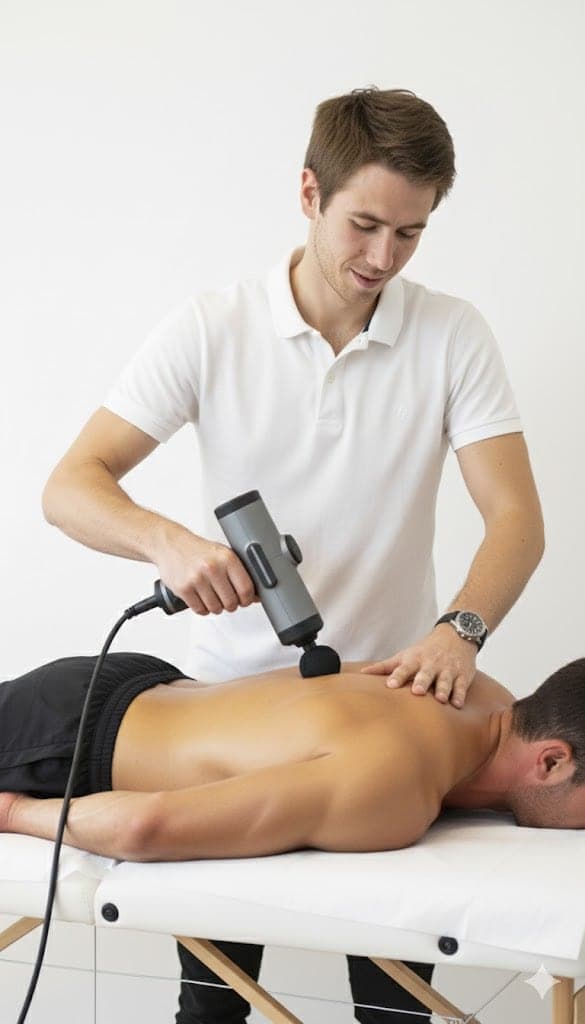
This realization led me to invest in specialized mechanical deep-tissue equipment that transforms therapeutic intervention from an art into a science. The precision-engineered tools I employ deliver three critical advantages that no human hand can match: absolute depth control, unwavering consistency, and targeted power application. These aren’t massage guns or percussion devices – they’re sophisticated therapeutic instruments designed specifically for advanced fascial manipulation and trigger point release.
The depth advantage is immediately apparent to anyone who experiences this methodology. While even the strongest therapist’s hands can only penetrate superficial and intermediate tissue layers effectively, mechanical assistance allows me to reach the deepest fascial planes where chronic restrictions actually originate. I can work through multiple tissue layers simultaneously, creating release patterns that cascade from the deepest structures outward to the surface – the exact opposite of traditional massage progression.
Consistency represents perhaps the most significant advantage of this approach. Every therapist has “off days” – moments when fatigue, distraction, or physical limitations compromise treatment quality. My mechanical system eliminates this variable entirely. Whether I’m treating my first client of the day or my eighth, the pressure application, rhythm, and penetration depth remain absolutely constant. This consistency ensures that every session builds upon previous work rather than starting from zero.
The power component allows me to generate therapeutic forces that would be impossible to maintain manually. I can sustain deep pressure for extended periods without fatigue, work through resistant tissue that would typically require multiple sessions to address, and create the mechanical stress necessary to stimulate lasting tissue remodeling. This isn’t about applying maximum force indiscriminately – it’s about having access to the full spectrum of intensity when specific tissue conditions demand it.
Clinical assessment protocols that identify root dysfunction
The assessment phase represents where most massage therapists in Pegeia fail their clients before treatment even begins. Walking into a typical spa or massage establishment, you’ll likely encounter a brief consultation focused on symptom location and pressure preference, followed immediately by generic treatment application. This superficial approach guarantees suboptimal outcomes because it ignores the complex web of compensatory patterns that create and maintain dysfunction.
My clinical assessment protocol begins with comprehensive movement analysis that reveals functional limitations invisible to cursory observation. I evaluate how clients walk, sit, stand, and perform basic movements, identifying subtle asymmetries and compensation patterns that provide crucial information about underlying mechanical issues. A client complaining of neck tension, for example, may actually be experiencing symptoms created by pelvic dysfunction, thoracic spine restrictions, or even ankle mobility limitations.
Postural analysis forms the foundation of this assessment process. Using specific landmark measurements and photographic documentation, I map each client’s unique postural deviations and correlate them with their symptom presentation. This data-driven approach eliminates guesswork and ensures that treatment targets the actual sources of dysfunction rather than merely addressing areas of discomfort.
Palpation assessment in my practice extends far beyond checking for “knots” or tender spots. I systematically evaluate tissue quality, fascial mobility, joint range of motion, and neuromuscular responses throughout the entire kinetic chain. This comprehensive palpation reveals restriction patterns that may be completely asymptomatic but nonetheless contribute to the client’s primary complaints. Addressing these subclinical restrictions often proves crucial for achieving lasting results.
Range of motion testing provides objective baseline measurements that allow me to track treatment progress quantitatively. I document specific joint angles, muscle length measurements, and functional movement patterns, creating a detailed profile of each client’s mechanical status. This data becomes invaluable for customizing treatment protocols and monitoring improvement over time.
The assessment culminates in what I call “therapeutic mapping” – a detailed treatment plan that prioritizes specific tissue restrictions, addresses them in optimal sequence, and establishes measurable goals for each intervention phase. This systematic approach ensures that every treatment session contributes strategically toward the client’s overall improvement rather than providing random symptom relief.
The biomechanical foundation of lasting pain relief
Understanding pain physiology separates competent therapeutic practitioners from those who merely provide temporary symptom management. During my university studies in Physical Education and Nutrition, I spent considerable time studying how the nervous system processes nociceptive input and how mechanical dysfunction creates persistent pain patterns. This knowledge fundamentally shapes my treatment philosophy and explains why my clients achieve lasting resolution rather than temporary relief.
Most chronic pain conditions stem from what we call “central sensitization” – a phenomenon where the nervous system becomes hypervigilant to normal mechanical stresses due to persistent nociceptive input from dysfunctional tissues. Traditional massage therapy, by providing only superficial tissue manipulation, fails to address the root mechanical dysfunction that maintains this sensitization pattern. The result is brief symptom relief followed by inevitable symptom return as the underlying dysfunction reasserts itself.
My mechanical deep-tissue methodology directly targets the fascial restrictions, trigger points, and tissue adhesions that generate persistent nociceptive input. By creating precise mechanical stress sufficient to stimulate tissue remodeling, I can actually eliminate the source of aberrant nerve firing rather than simply masking its perception. This represents the difference between turning down the volume on pain versus eliminating the source of the noise entirely.
The remodeling process itself requires understanding tissue healing physiology at a cellular level. Chronic fascial restrictions develop specific organizational patterns that resist change and maintain dysfunction. My treatment protocols create controlled mechanical disruption of these pathological tissue arrangements while simultaneously stimulating the inflammatory cascade necessary for proper healing and remodeling.
Timing becomes crucial in this process. Tissue remodeling follows predictable phases that must be respected and optimized for maximum benefit. I customize treatment frequency and intensity based on each client’s specific tissue response patterns, ensuring that we capitalize on the body’s natural healing windows while avoiding the overtreatment that can actually impede progress.
The nutrition component of my background proves invaluable here as well. Tissue quality and healing capacity depend heavily on nutritional status, hydration levels, and metabolic health. I provide specific nutritional guidance that supports the remodeling process and optimizes each client’s capacity for lasting improvement. This holistic approach addresses all factors that influence treatment outcomes rather than focusing solely on mechanical intervention.
Performance optimization through advanced tissue manipulation
Athletic performance optimization represents one of the most rewarding aspects of my practice, largely because the results are immediately measurable and undeniably dramatic. Working with professional athletes, weekend warriors, and fitness enthusiasts in Pegeia has taught me that most people significantly underestimate their physical potential simply because they’ve never experienced truly optimized tissue function.
The relationship between fascial health and athletic performance became crystal clear to me during a memorable case involving a competitive tennis player who had plateau despite dedicated training. Her groundstrokes lacked power, her serve velocity had stagnated, and she complained of persistent shoulder fatigue during matches. Traditional massage therapy had provided no meaningful improvement, and her coach was considering major technique modifications.
My assessment revealed extensive fascial restrictions throughout her posterior kinetic chain – from the plantar fascia through the hamstrings, gluteals, latissimus dorsi, and into the rotator cuff complex. These restrictions were creating energy leaks throughout her serve motion, forcing compensatory patterns that limited power generation and created the fatigue she experienced. Rather than a technique problem, she had a mechanical efficiency problem.
The transformation following six weeks of targeted mechanical deep-tissue intervention was remarkable. Her serve velocity increased by 12 miles per hour, her groundstroke power improved dramatically, and the shoulder fatigue disappeared entirely. More importantly, these improvements have maintained for over two years because we addressed the root mechanical restrictions rather than simply treating symptoms.
This case illustrates a principle that applies to all physical activity, not just competitive sports. Whether you’re hiking the beautiful trails around Pegeia, playing recreational tennis, or simply wanting to move through daily activities with greater ease and efficiency, optimized tissue function directly translates to improved performance and reduced injury risk.
The mechanical advantage of my treatment methodology proves particularly valuable for performance optimization because it allows me to work at intensities that actually stimulate positive tissue adaptation. While traditional massage might help maintain current function, mechanical deep-tissue intervention can improve tissue quality, fascial mobility, and neuromuscular coordination beyond baseline levels.
Recovery enhancement represents another crucial aspect of performance optimization that most people overlook. Proper tissue manipulation doesn’t just address existing restrictions – it also optimizes the body’s capacity for recovery from future stresses. My clients consistently report improved sleep quality, reduced post-exercise soreness, and faster return to peak performance following intense training sessions.
Identifying red flags in massage therapy providers
After a decade of cleaning up the damage caused by inadequately trained massage therapists, I’ve identified several warning signs that should immediately alert potential clients to seek care elsewhere. These red flags often indicate practitioners who lack the clinical knowledge necessary for safe, effective therapeutic intervention and may actually worsen existing conditions through inappropriate treatment application.
The most glaring red flag is the “one-size-fits-all” approach to treatment. Any massage therapist who applies the same techniques, pressure, and protocol to every client regardless of their specific presentation fundamentally misunderstands human biomechanics. I’ve seen too many clients arrive at my practice with exacerbated symptoms because previous therapists applied inappropriate techniques to conditions that required completely different intervention strategies.
Inadequate assessment represents another serious concern. Therapists who begin treatment without thorough evaluation of posture, movement patterns, tissue quality, and symptom history are essentially working blindfolded. They may accidentally address secondary compensation patterns while ignoring primary dysfunction, creating temporary improvement that inevitably leads to symptom recurrence or migration to other areas.
Perhaps most dangerous is the practitioner who claims they can “fix everything” or guarantees specific outcomes without proper assessment. Legitimate therapeutic intervention requires understanding the complex factors that influence treatment response, including tissue quality, chronicity of dysfunction, lifestyle factors, and individual healing capacity. Overpromising typically indicates either inexperience or dishonesty – neither of which bodes well for treatment outcomes.
Another significant red flag is the inability to explain treatment rationale in clear, scientific terms. Competent therapists should be able to articulate why they’re choosing specific techniques, how those techniques address your particular dysfunction, and what you should expect in terms of treatment response. Vague explanations about “energy flow” or “toxin release” often mask fundamental ignorance about human physiology.
Price-focused marketing should also raise concerns about treatment quality. While cost is certainly a consideration, therapists who compete primarily on price typically lack the specialized training, equipment, or expertise necessary for superior results. True therapeutic intervention requires significant investment in education, equipment, and ongoing professional development that cannot be maintained at discount pricing.
Finally, be wary of practitioners who discourage questions or seem defensive about their methods. Confident, competent therapists welcome informed clients and enjoy educating them about treatment rationale and expected outcomes. Defensiveness or evasiveness often indicates insecurity about professional competence or treatment methods.
The mobile advantage: professional care in your environment
The decision to offer mobile massage therapy services in Pegeia wasn’t driven by convenience marketing – it emerged from recognizing the significant therapeutic advantages of treating clients in their own environment. After years of operating from clinical facilities, I discovered that many clients achieve superior results when treatment occurs in familiar, comfortable surroundings without the stress and time constraints associated with traveling to appointments.
Transportation stress, particularly in Pegeia’s tourist-heavy areas, can actually counteract therapeutic benefits before treatment even begins. Clients who arrive at appointments after navigating traffic, searching for parking, or rushing to avoid tardiness typically present with elevated stress hormones and muscle tension that requires additional time to address. By eliminating these stressors, mobile service allows us to focus entirely on therapeutic intervention rather than stress management.
The privacy factor proves particularly important for clients addressing sensitive or embarrassing conditions. Many people feel self-conscious about chronic pain, postural problems, or physical limitations, and the anonymity of home treatment removes psychological barriers that might otherwise limit treatment effectiveness. I’ve consistently observed that clients communicate more openly about their symptoms and concerns when treated in familiar environments.
Environmental control represents another significant advantage of mobile service. I can adjust temperature, lighting, and ambient noise to optimize each client’s comfort and relaxation response. This level of customization simply isn’t possible in shared clinical facilities, yet these factors significantly influence treatment outcomes by affecting muscle tension patterns and nervous system responsiveness.
The equipment I transport to each appointment includes everything necessary for professional-grade therapeutic intervention. My specialized treatment table provides optimal positioning and support for effective mechanical deep-tissue work, while the portable mechanical assistance devices deliver the same precision and power available in any clinical setting. Clients receive identical treatment quality regardless of location.
Post-treatment recovery benefits from the mobile approach as well. Rather than immediately returning to normal activities after a session, clients can rest quietly at home, allowing the physiological changes initiated during treatment to stabilize and integrate. This extended recovery period often enhances treatment outcomes and reduces the temporary soreness that sometimes follows intensive therapeutic intervention.
Scheduling flexibility inherent in mobile service accommodates busy lifestyles without compromising treatment frequency or consistency. Regular therapeutic intervention produces superior results compared to sporadic sessions, and mobile service removes the logistical barriers that often prevent clients from maintaining optimal treatment schedules. This consistency proves crucial for achieving and maintaining long-term improvements.
Investment versus expense: understanding therapeutic value
The conversation about massage therapy pricing inevitably reveals fundamental misunderstandings about the difference between therapeutic intervention and spa relaxation services. Most people in Pegeia approach massage therapy with a commodity mindset, comparing prices as if all practitioners provide identical services. This perspective leads to poor decision-making that ultimately costs more money and delivers inferior results.
During my early career, I struggled with clients who questioned my fees compared to spa massage pricing until I realized they were comparing completely different services. Spa massage provides temporary relaxation and stress relief – a pleasant experience with short-term benefits. Therapeutic intervention addresses root dysfunction to create lasting improvements in pain levels, movement quality, and overall physical function. The value proposition is entirely different.
Consider the true cost of chronic pain or physical dysfunction over time. Medical consultations, prescription medications, physical therapy sessions, lost productivity, reduced quality of life, and ongoing symptom management create substantial financial and personal costs that continue indefinitely without proper resolution. Effective therapeutic intervention that actually eliminates the problem represents tremendous value compared to the lifetime expense of symptom management.
My clients consistently report that the initial investment in proper therapeutic care pays for itself through reduced medical expenses, improved work performance, better sleep quality, and enhanced enjoyment of physical activities. One client calculated that six months of my treatment cost less than two years of her previous medical management while producing superior results that have maintained for over three years.
The specialized equipment, advanced training, and clinical expertise required for superior therapeutic outcomes necessitate premium pricing. The mechanical deep-tissue devices I employ cost more than most therapists invest in their entire practice setup. My university education and ongoing professional development represent significant financial commitments that directly benefit client outcomes. These investments cannot be recovered at discount pricing levels.
Time efficiency also factors into the value equation. My clients typically achieve their therapeutic goals in fewer sessions compared to traditional massage therapy because we address root causes rather than symptoms. A concentrated treatment program that resolves problems durably often costs less overall than extended symptom management that provides only temporary relief.
Most importantly, the opportunity cost of settling for inferior care extends far beyond financial considerations. Living with chronic pain, movement limitations, or suboptimal physical function affects every aspect of life quality. The difference between temporary relief and lasting resolution cannot be measured purely in monetary terms – it represents the difference between surviving and thriving.
Customized treatment protocols for lasting results
The concept of standardized massage protocols fundamentally conflicts with the reality of human individuality. Every person presents with unique biomechanical patterns, tissue quality characteristics, pain sensitivities, and therapeutic goals that require completely customized intervention strategies. My decade of clinical experience has taught me that cookie-cutter approaches produce predictably mediocre results regardless of practitioner skill or treatment intensity.
Treatment customization begins during the comprehensive assessment phase where I identify each client’s specific dysfunction patterns, tissue characteristics, and therapeutic priorities. This information guides the development of a strategic treatment plan that addresses problems in optimal sequence while respecting individual healing capacity and tolerance levels. The result is a systematic approach tailored precisely to each person’s needs rather than a generic protocol applied universally.
Intensity customization represents one of the most critical aspects of personalized treatment. The mechanical deep-tissue equipment I employ allows infinite adjustment of pressure, penetration depth, and application rhythm to match each client’s specific requirements. Some individuals require gentle approach due to tissue sensitivity or medical conditions, while others benefit from maximum intensity to address chronic, resistant restrictions. This flexibility ensures optimal therapeutic stress without exceeding individual tolerance thresholds.
Treatment frequency and session duration vary significantly based on individual factors including symptom chronicity, tissue quality, healing capacity, lifestyle demands, and therapeutic goals. Acute conditions may require frequent intensive sessions followed by maintenance care, while chronic problems often benefit from moderate intensity applied consistently over extended periods. Some clients achieve optimal results with weekly sessions, while others require twice-weekly treatment initially with gradual transition to monthly maintenance care.
Progress monitoring through objective measurements allows continuous refinement of treatment protocols to maximize outcomes. I track range of motion improvements, pain level changes, functional capacity enhancements, and subjective quality of life measures to ensure that each client’s program produces measurable advancement toward their goals. This data-driven approach eliminates guesswork and ensures that treatment modifications are based on actual response patterns rather than theoretical assumptions.
The integration of nutritional guidance, exercise recommendations, and lifestyle modifications creates comprehensive care that extends beyond hands-on treatment sessions. Optimal therapeutic outcomes require addressing all factors that influence tissue quality and healing capacity, not just providing mechanical intervention. My background in nutrition allows me to provide specific dietary recommendations that support the remodeling process and optimize each client’s potential for improvement.
Long-term maintenance strategies ensure that improvements achieved through intensive treatment phases are preserved over time. Rather than simply scheduling regular sessions indefinitely, I work with each client to develop individualized maintenance protocols that may include periodic treatment sessions, specific exercise programs, ergonomic modifications, or lifestyle adjustments that support continued progress and prevent symptom recurrence.
Scientific evidence supporting mechanical deep-tissue methodology
The therapeutic efficacy of mechanical deep-tissue intervention isn’t based on anecdotal claims or traditional beliefs – it’s supported by extensive scientific research demonstrating measurable physiological changes that correlate directly with clinical outcomes. My university training in Physical Education and Nutrition provided comprehensive exposure to this research foundation, which continues to inform and validate my clinical approach.
Fascial research has exploded over the past two decades, revealing the critical role of connective tissue in pain generation, movement efficiency, and overall physical function. Studies utilizing ultrasound imaging and tissue biopsy analysis demonstrate that mechanical intervention at sufficient intensity creates actual structural changes in fascial organization, density, and mobility. These changes correlate directly with improvements in pain levels, range of motion, and functional capacity.
Trigger point research provides particularly compelling evidence for the superiority of mechanical intervention over manual techniques. Studies comparing pressure application methods show that mechanical devices can deliver consistent pressure at intensities that exceed human capability while maintaining precision that reduces collateral tissue damage. The ability to sustain therapeutic pressure for extended periods proves crucial for achieving the tissue changes necessary for lasting trigger point deactivation.
Neurophysiological studies reveal how mechanical deep-tissue intervention influences pain processing at the spinal cord and brain levels. The gate control theory of pain explains how appropriate mechanical stimulation can reduce pain perception, while research on central sensitization demonstrates how addressing peripheral tissue dysfunction can normalize central nervous system processing patterns. These mechanisms explain why my clients experience rapid, lasting pain relief rather than temporary symptom masking.
Performance enhancement research in athletic populations shows consistent improvements in power output, movement efficiency, and injury rates following systematic fascial intervention. Studies of professional athletes demonstrate that addressing tissue restrictions can improve performance measures by 10-15% while reducing injury incidence by up to 30%. These findings support my emphasis on performance optimization rather than just symptom management.
Biomechanical research utilizing motion analysis technology confirms that systematic fascial release creates measurable improvements in movement patterns, joint kinematics, and muscle activation sequences. These changes represent actual functional improvements rather than subjective symptom relief, providing objective validation for the therapeutic approach I employ.
Sleep quality research demonstrates that effective pain management and tissue optimization significantly improve sleep architecture, recovery capacity, and overall health markers. My clients’ consistent reports of improved sleep align with research showing that pain reduction and tissue function optimization create cascading improvements in multiple physiological systems.
Case studies demonstrating superior outcomes
Clinical case studies provide compelling evidence for the superiority of advanced mechanical deep-tissue methodology over traditional massage therapy approaches. These real-world examples demonstrate the dramatic differences in outcomes when proper therapeutic intervention addresses root dysfunction rather than merely managing symptoms. The following cases represent typical examples from my practice serving clients throughout Pegeia and surrounding areas.
Case study one involved a 45-year-old executive who had suffered with chronic lower back pain for eight years following a minor automobile accident. Previous treatment included multiple courses of physical therapy, chiropractic care, prescription medications, and regular traditional massage therapy sessions. While these interventions provided temporary relief, the pain consistently returned and gradually worsened over time, eventually limiting his ability to play golf and travel comfortably.
My assessment revealed extensive fascial restrictions throughout the posterior kinetic chain stemming from protective muscle guarding patterns that had never been properly addressed. The mechanical deep-tissue intervention focused on systematic release of these chronic restrictions while addressing the compensatory patterns that had developed over years of dysfunction. Following twelve sessions over eight weeks, his pain levels decreased from 7/10 to 0/10 on standard pain scales, and all functional limitations were eliminated. Most remarkably, these improvements have maintained for over three years with only quarterly maintenance sessions.
Case study two demonstrates performance optimization in a competitive athlete. A 28-year-old professional tennis player consulted me regarding persistent shoulder impingement that was limiting her serve velocity and causing match-ending fatigue during tournaments. Multiple sports medicine specialists had provided various interventions without meaningful improvement, and she was considering surgery to address the problem.
Comprehensive assessment revealed that the shoulder symptoms were actually secondary to fascial restrictions throughout her core and posterior chain that were forcing compensatory shoulder mechanics during her serve motion. Rather than treating the shoulder directly, my intervention focused on optimizing fascial mobility throughout the kinetic chain to restore proper movement sequencing. The results exceeded everyone’s expectations: serve velocity increased 15 mph, shoulder pain eliminated completely, and endurance improved dramatically. She subsequently won two professional tournaments and credits the treatment with saving her career.
Case study three involved a 62-year-old retiree whose chronic neck pain and headaches were severely impacting his quality of life. Years of traditional treatments had provided minimal benefit, and he had resigned himself to lasting limitation of activities he enjoyed. The complexity of his presentation included postural changes, sleep disruption, and psychological impacts that created a challenging therapeutic scenario.
The mechanical deep-tissue approach proved ideal for addressing the multiple tissue restrictions and fascial adhesions that were maintaining his symptoms. The consistent pressure and deep penetration capability allowed me to work through resistant tissue that had resisted previous manual interventions. Following sixteen sessions over twelve weeks, his headache frequency decreased from daily to rare occurrences, neck pain resolved completely, and his overall quality of life improved dramatically. These improvements have maintained for over four years, allowing him to resume travel, photography, and other activities he had abandoned due to his symptoms.
Professional partnerships for optimal health outcomes
The therapeutic relationship I establish with clients extends far beyond individual treatment sessions to encompass comprehensive health partnerships focused on long-term optimization rather than short-term symptom relief. This partnership approach recognizes that lasting results require ongoing collaboration, education, and lifestyle integration rather than passive symptom management through periodic interventions.
Client education forms the foundation of these partnerships because informed individuals make better decisions about their health and actively participate in their improvement rather than simply receiving treatment passively. I spend considerable time explaining the biomechanical factors contributing to each client’s presentation, the rationale behind specific treatment approaches, and the expected timeline for improvement. This knowledge empowers clients to understand their bodies better and recognize early warning signs of potential problems.
Lifestyle integration ensures that improvements achieved through intensive treatment phases are maintained and enhanced through daily activities rather than undermined by counterproductive habits. I work with each client to identify specific modifications in work ergonomics, exercise routines, sleep positions, and daily movement patterns that support continued progress. These modifications are individually customized based on each person’s unique circumstances and requirements rather than generic recommendations applied universally.
Prevention strategies represent a crucial component of long-term partnerships because avoiding future problems proves far more efficient than addressing them after they develop. My comprehensive assessment process often identifies potential issues before they become symptomatic, allowing proactive intervention that prevents problem development rather than reactive treatment after symptoms appear.
Collaborative goal setting ensures that treatment programs align with each client’s specific priorities and expectations rather than generic therapeutic objectives. Some clients prioritize pain elimination, others focus on performance enhancement, and many seek comprehensive optimization of multiple factors. Understanding these individual priorities allows me to customize treatment approaches and measure success according to each person’s unique definitions of improvement.
Progress communication through regular check-ins and objective measurements keeps both client and practitioner informed about treatment effectiveness and allows timely adjustments to optimize outcomes. This ongoing dialogue ensures that treatment programs remain dynamic and responsive to changing needs rather than rigidly following predetermined protocols regardless of individual response patterns.
The partnership model extends beyond individual treatment to encompass referral relationships with other healthcare providers when comprehensive care requires multiple specialties. I maintain professional relationships with physicians, physical therapists, nutritionists, and other specialists who share my commitment to evidence-based practice and client-centered care. These collaborative relationships ensure that clients receive optimal care coordination when their needs extend beyond my scope of practice.
Frequently asked questions about advanced therapeutic massage
How does mechanical deep-tissue massage differ from traditional manual massage therapy techniques?
The fundamental difference lies in precision, consistency, and penetration capability that exceeds human limitations. While skilled manual therapists can provide excellent treatment, mechanical assistance allows me to deliver precise pressure at consistent intensity for extended periods while penetrating deeper tissue layers than hands can reach effectively. The mechanical system eliminates variables like therapist fatigue, strength limitations, and technique inconsistencies that can affect manual treatment quality. This translates to more predictable outcomes and faster progress toward therapeutic goals. Additionally, the ability to fine-tune pressure and application patterns allows precise customization for each client’s specific tissue characteristics and tolerance levels, ensuring optimal therapeutic stress without exceeding individual comfort thresholds.
What should I expect during my first assessment and treatment session?
Your initial consultation begins with comprehensive movement analysis and postural assessment that may take 45-60 minutes before any hands-on treatment begins. I’ll evaluate how you walk, sit, stand, and perform basic movements while documenting specific postural deviations and asymmetries that provide crucial information about underlying dysfunction patterns. This assessment includes detailed tissue palpation throughout your entire kinetic chain, range of motion testing, and discussion of your symptom history, lifestyle factors, and therapeutic goals. The first treatment session focuses on baseline tissue work to assess your individual response patterns and tolerance levels rather than intensive intervention. You should expect some temporary soreness following the session as tissues adjust to the therapeutic stress, but this typically resolves within 24-48 hours and decreases significantly with subsequent treatments.
How many treatment sessions will I need to see significant improvement?
Treatment frequency and duration depend heavily on individual factors including symptom chronicity, tissue quality, healing capacity, and therapeutic goals, making it impossible to provide accurate estimates without proper assessment. However, most clients begin experiencing meaningful improvements within 3-4 sessions, with significant progress typically evident by 6-8 sessions. Acute conditions often respond more quickly than chronic problems that have developed over months or years. My treatment approach focuses on achieving lasting results rather than temporary relief, which may require more intensive initial intervention but ultimately produces superior long-term outcomes. I provide detailed treatment recommendations following your initial assessment, including realistic timelines and expected improvement patterns based on your specific presentation. Progress is monitored objectively through measurements and functional testing to ensure treatment effectiveness and allow timely adjustments when necessary.
Is mechanical deep-tissue massage safe for people with medical conditions?
Safety represents my highest priority, and I maintain comprehensive knowledge of contraindications and precautions for various medical conditions based on my university education and ongoing professional development. Many medical conditions actually benefit from appropriate therapeutic intervention, while others require specific modifications or precautions to ensure safe treatment. Conditions such as osteoporosis, cancer, blood clotting disorders, acute inflammation, and certain cardiovascular conditions require special consideration and may necessitate physician clearance before treatment. I conduct thorough medical history review during initial consultations and maintain communication with your healthcare providers when appropriate to ensure treatment coordination and safety. The mechanical system allows precise pressure control that can be adjusted to accommodate various medical limitations while still providing therapeutic benefit. When in doubt, I always err on the side of caution and recommend medical consultation before proceeding with treatment.
Can you help with sports performance enhancement, not just pain relief?
Performance optimization represents one of my primary areas of expertise and often produces the most dramatic and measurable results. Athletic performance depends heavily on fascial mobility, tissue quality, and neuromuscular coordination – all factors that improve significantly through systematic mechanical deep-tissue intervention. I’ve worked with athletes ranging from weekend warriors to professionals, helping them achieve measurable improvements in power output, movement efficiency, endurance, and injury prevention. The treatment approach for performance enhancement differs from pain management by focusing on optimization rather than problem resolution, requiring different assessment techniques and intervention strategies. Most athletes are surprised by how much their performance improves once tissue restrictions are eliminated and movement patterns optimized. The results are often immediately apparent in activities like golf swing speed, tennis serve velocity, running efficiency, or lifting capacity, providing objective validation of the therapeutic approach.
What makes your mobile service different from spa or clinic-based treatments?
Mobile service provides several significant advantages beyond mere convenience, including elimination of transportation stress, complete environmental control, enhanced privacy, and extended post-treatment recovery time. Many clients arrive at clinic appointments with elevated stress hormones and muscle tension from traffic, parking difficulties, or schedule pressures that require additional treatment time to address. By treating clients in their comfortable, familiar environment, I can focus entirely on therapeutic intervention rather than stress management. The equipment I transport includes everything necessary for professional-grade treatment, including specialized mechanical devices and professional treatment tables that provide identical quality to any clinical setting. Post-treatment recovery benefits significantly from remaining at home where clients can rest quietly and allow the physiological changes to stabilize rather than immediately returning to normal activities. Additionally, scheduling flexibility inherent in mobile service removes logistical barriers that often prevent consistent treatment frequency, which proves crucial for optimal results.
How do you customize treatment for different age groups and fitness levels?
Treatment customization begins with comprehensive assessment of individual tissue characteristics, healing capacity, lifestyle demands, and therapeutic goals rather than making assumptions based on age or fitness level alone. While these factors certainly influence treatment planning, I’ve learned that individual variation within any demographic group exceeds differences between groups. Some sedentary individuals have excellent tissue quality and healing capacity, while some athletes present with severely compromised tissue function due to overuse or improper training. The mechanical system allows infinite adjustment of intensity, penetration depth, and application rhythm to match each person’s specific requirements and tolerance levels. Treatment protocols are continuously modified based on individual response patterns and progress measurements rather than following predetermined programs. My goal is always to provide optimal therapeutic stress that stimulates positive adaptation without exceeding individual tolerance thresholds, regardless of age or fitness level.
What should I do between treatment sessions to maximize results?
Between-session recommendations are highly individualized based on your specific presentation and treatment goals, but generally include targeted mobility exercises, activity modifications, hydration optimization, and stress management strategies. I provide detailed instructions following each session that may include specific stretches or movements designed to maintain tissue changes achieved during treatment. Activity modifications might involve temporary reduction of aggravating activities, ergonomic adjustments to work or sleep positions, or incorporation of movement breaks throughout your day. Proper hydration proves crucial for optimal tissue quality and healing, while stress management helps prevent protective muscle guarding that can impede progress. Nutritional factors also influence tissue quality and healing capacity, so I may provide specific dietary recommendations when appropriate. Most importantly, I educate clients about warning signs that indicate when to modify activities or schedule additional treatment to prevent setbacks. The goal is empowering you with knowledge and tools to actively participate in your improvement rather than simply receiving passive treatment.
Written by
Chris
Massage therapist & body mechanics specialist
Norwegian-certified with a Bachelor’s in Physical Education and Nutrition and over ten years of clinical practice, working from a portable table in clients’ homes across the Paphos district.
This article is general information from clinical practice, not a medical diagnosis. If you have severe, worsening or unexplained pain, numbness, weakness, or pain after an accident, see a doctor first.