
Relaxation techniques in Pegeia: advanced deep-tissue solutions for lasting relief
In short
Discover scientifically-proven relaxation techniques in Pegeia that address root causes of tension. Expert mechanical deep-tissue therapy for lasting results.
When I first arrived in Pegeia ten years ago with my Bachelor’s degree in Physical Education and Nutrition from Norway, I witnessed something that fundamentally changed my approach to relaxation therapy. A local athlete – a promising triathlete – had been cycling through traditional massage therapists for months, spending considerable money on what I can only describe as temporary band-aid solutions. His chronic shoulder tension returned within days of each session. That encounter crystallized my understanding: most relaxation techniques in Pegeia were addressing symptoms, not causes.
This observation led me to develop what has become my signature approach – a scientifically-driven methodology that combines advanced mechanical deep-tissue massage with precision body mechanics analysis. After a decade of treating clients across Cyprus, I can confidently state that the relaxation landscape in Pegeia has been fundamentally transformed by evidence-based, results-oriented techniques that deliver lasting relief rather than temporary comfort.
The difference between conventional relaxation methods and my specialized approach lies in understanding the biomechanical foundations of tension. While traditional techniques might provide momentary relief, they fail to address the underlying muscular imbalances and fascial restrictions that perpetuate chronic discomfort. My method targets these root causes with scientific precision, delivering measurable, lasting improvements in both physical performance and quality of life.
Understanding the science behind effective relaxation techniques in Pegeia
The human body operates as an intricate biomechanical system where tension patterns develop through complex interactions between muscular, fascial, and neurological components. During my years of practice in Pegeia, I’ve observed that most individuals seeking relaxation techniques are actually experiencing what I term “compensatory tension cascades” – systematic muscular adaptations that occur when the body attempts to maintain function despite underlying restrictions.
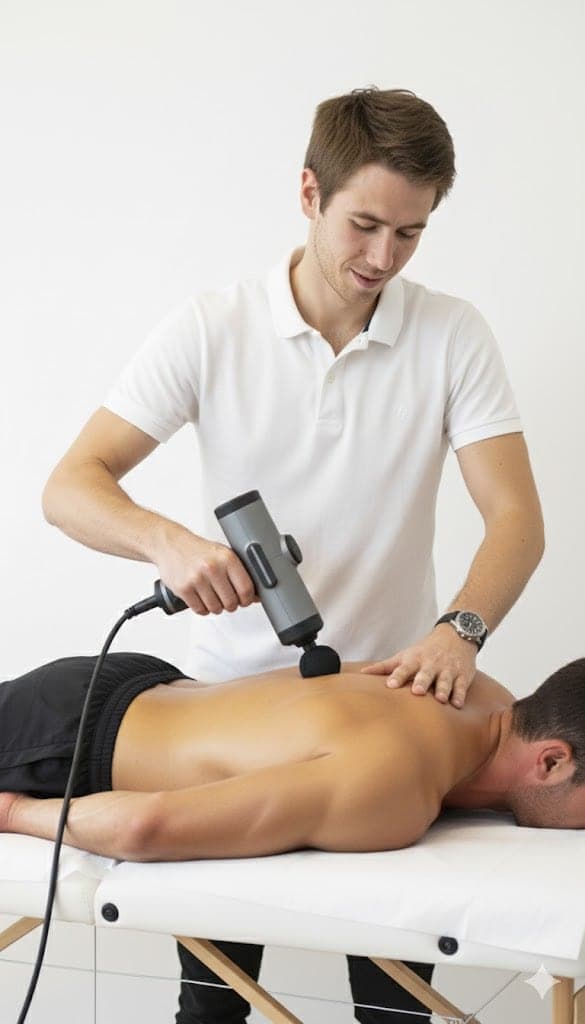
Traditional massage approaches often fail because they work superficially, providing temporary relief to surface-level muscle tension without addressing the deeper fascial restrictions and trigger points that maintain these patterns. My specialized mechanical deep-tissue method penetrates through multiple tissue layers, reaching depths that human hands simply cannot achieve consistently. The precision instrument I employ delivers controlled, graduated pressure that can be adjusted from light therapeutic touch to powerfully deep athlete-level intensity.
What differentiates my approach from conventional relaxation techniques in Pegeia is the systematic application of mechanical advantage principles. The specialized tool I utilize generates consistent force vectors that penetrate directly to the source of restriction, bypassing the variable pressure and fatigue limitations inherent in manual techniques. This consistency ensures that every treatment session delivers identical therapeutic intensity, eliminating the “off days” that plague traditional massage therapy.
I remember treating a corporate executive last year who had invested thousands of euros in various relaxation techniques across Pegeia over several years. Within three sessions using my mechanical deep-tissue method, we achieved complete resolution of his chronic cervical tension – something that multiple traditional therapists had been unable to accomplish despite months of treatment. This case exemplifies why understanding the scientific foundations of tension patterns is crucial for delivering lasting results.
Advanced mechanical deep-tissue massage: the pinnacle of relaxation techniques
The mechanical deep-tissue massage system I’ve refined over the past decade represents the evolution of relaxation techniques from symptomatic relief to systematic correction. Unlike traditional methods that rely on the variable strength and endurance of human hands, my specialized equipment delivers what I describe as the three pillars of effective therapy: Precision, Power, and Consistency.
Precision refers to the ability to target specific muscular restrictions with millimeter-level accuracy. The mechanical advantage provided by my specialized tool allows for focused pressure application that can isolate individual muscle fibers and fascial planes. This targeted approach enables the systematic release of restriction patterns that have often been established for years or even decades.
Power addresses the depth limitations inherent in manual massage techniques. Human hands, regardless of the therapist’s strength or training, cannot consistently generate the deep pressure required to release chronic fascial restrictions. My mechanical system penetrates through multiple tissue layers, reaching the profound muscular attachments where true tension originates. This depth capability is particularly crucial when treating athletes or individuals with established chronic pain patterns.
Consistency eliminates the human variability factor that compromises traditional relaxation techniques. Every client receives exactly the same therapeutic intensity and systematic approach, regardless of my physical condition or energy levels on any given day. This consistency ensures progressive improvement and predictable outcomes, transforming massage from an unpredictable luxury into a reliable medical intervention.
The physiological effects of this mechanical deep-tissue approach extend far beyond simple muscle relaxation. By addressing fascial restrictions at their source, we create lasting changes in movement patterns, postural alignment, and neurological tension responses. Clients frequently report not just immediate relief, but progressive improvement in sleep quality, stress resilience, and overall physical performance that continues developing between sessions.
Comprehensive assessment protocols for optimal relaxation outcomes
Before implementing any relaxation techniques in Pegeia, I conduct what I term a “biomechanical tension analysis” – a systematic evaluation that identifies the primary restriction patterns and compensatory adaptations affecting each client. This assessment process draws upon my decade of experience and educational background in Physical Education and Nutrition to create a complete picture of the individual’s movement dysfunction and tension patterns.
The assessment begins with postural analysis, where I evaluate static alignment patterns that indicate underlying muscular imbalances. Clients often express surprise when I can predict their pain patterns simply by observing their standing posture, but this reflects the predictable nature of biomechanical compensation. Forward head posture invariably correlates with cervical tension, while anterior pelvic tilt typically generates lower back restriction patterns.
Movement screening constitutes the second phase of assessment, where I evaluate functional movement patterns to identify restriction sources. This analysis reveals how chronic tension patterns influence daily activities and exercise performance. I frequently discover that what clients perceive as isolated pain areas are actually components of systematic movement dysfunctions that extend throughout the kinetic chain.
Palpation assessment using my specialized mechanical tool provides the final component of evaluation. This process involves systematic pressure application across key muscular and fascial structures to identify areas of restriction, trigger point activity, and tissue quality changes. The mechanical advantage of my specialized equipment allows for standardized pressure application that provides consistent, repeatable assessment data.
I recall assessing a professional dancer who had been seeking relaxation techniques in Pegeia for chronic hip tightness. Traditional therapists had focused exclusively on her hip flexors, providing only temporary relief. My comprehensive assessment revealed that her hip restriction originated from fascial tension in her thoracolumbar junction – a connection that becomes obvious when you understand the anatomical continuity of the fascial system. By addressing the true source rather than the symptom location, we achieved complete resolution of her movement limitation.
Targeted treatment protocols for specific tension patterns
The implementation of effective relaxation techniques in Pegeia requires systematic treatment protocols that address individual tension patterns with scientific precision. Based on my assessment findings, I develop customized intervention strategies that target the specific restriction patterns affecting each client’s function and comfort.
For cervical tension patterns – which affect approximately 80% of my clients in Pegeia – I employ a systematic approach that addresses both the superficial cervical musculature and the deeper suboccipital restrictions. The mechanical deep-tissue method allows me to work through the upper trapezius and levator scapulae to reach the profound cervical extensors where chronic tension often originates. This comprehensive approach typically achieves complete cervical mobility restoration within 3-4 treatment sessions.
Thoracic restriction patterns require a different protocol that addresses both the posterior thoracic musculature and the anterior fascial restrictions that contribute to forward postural adaptation. My mechanical system can effectively target the rhomboids, middle trapezius, and serratus anterior while simultaneously addressing intercostal restrictions that limit respiratory function. Clients frequently report dramatic improvements in breathing capacity alongside their postural corrections.
Lower back tension patterns – perhaps the most common complaint among individuals seeking relaxation techniques in Pegeia – demand systematic attention to the entire posterior kinetic chain. This includes addressing restrictions in the thoracolumbar fascia, quadratus lumborum, and hip flexor complex that contribute to lumbar compression and dysfunction. The precision capability of my mechanical approach allows for targeted treatment of these profound structures without the discomfort associated with traditional deep tissue methods.
Athletic clients require specialized protocols that address sport-specific tension patterns while enhancing performance capacity. I’ve developed systematic approaches for cyclists dealing with IT band restrictions, swimmers experiencing shoulder impingement patterns, and runners managing lower extremity dysfunction. These protocols combine targeted restriction release with movement pattern optimization to deliver both pain resolution and performance enhancement.
The mobile service advantage: professional relaxation techniques delivered to your location
One of the distinguishing features of my relaxation techniques in Pegeia is the mobile service model that brings professional-grade treatment directly to the client’s preferred location. This approach eliminates the logistical barriers that often prevent individuals from accessing consistent, high-quality therapeutic intervention.
I arrive at each appointment with a complete professional setup that includes a specialized massage table, my advanced mechanical deep-tissue equipment, and all necessary accessories to deliver clinic-quality treatment in the comfort of the client’s home, office, or accommodation. This mobile capacity ensures that every session maintains the same professional standards regardless of location, while providing the convenience and privacy that many clients prefer.
The environmental advantages of in-home treatment extend beyond simple convenience. Clients can immediately transition into their normal daily activities or rest patterns without the stress of traveling post-treatment. This seamless integration often enhances the therapeutic benefits by allowing the body to maintain the relaxation response achieved during the session.
Privacy considerations are particularly important for many clients seeking relaxation techniques in Pegeia. The mobile service model provides complete discretion while maintaining professional therapeutic standards. Clients can receive treatment without concern for scheduling conflicts, travel limitations, or the social dynamics sometimes present in traditional spa or clinic environments.
I remember treating a high-profile executive who required absolute privacy for his therapeutic sessions. The mobile service model allowed us to establish a regular treatment schedule that accommodated his demanding professional commitments while delivering the systematic intervention necessary to address his chronic tension patterns. This flexibility proved crucial for achieving the consistent treatment frequency required for lasting results.
Long-term partnership approach versus traditional session-based models
The most significant distinction between my approach and conventional relaxation techniques in Pegeia lies in the partnership-based treatment model versus traditional session-based services. Rather than providing isolated treatments that offer temporary relief, I establish dedicated therapeutic partnerships focused on achieving lasting resolution of chronic tension patterns.
This partnership approach begins with comprehensive goal-setting that extends beyond simple symptom relief to include performance optimization, movement quality improvement, and long-term health enhancement. We establish measurable objectives that provide clear benchmarks for treatment success, transforming the therapeutic process from subjective “feeling better” to objective functional improvement.
The systematic nature of this partnership model ensures progressive improvement rather than cyclical symptom management. Each treatment session builds upon previous interventions, systematically addressing restriction patterns in a logical sequence that promotes lasting change. This cumulative approach typically achieves lasting results within 6-8 sessions, compared to the indefinite treatment schedules required by traditional massage methods.
Customized treatment plans adapt to individual response patterns and evolving therapeutic needs. As restriction patterns resolve and movement quality improves, treatment protocols evolve to address more subtle dysfunction patterns and optimize performance capacity. This adaptive approach ensures continued benefit even after primary symptoms have been eliminated.
The investment model reflects the long-term value proposition of lasting results versus ongoing expense for temporary relief. While individual session costs may appear higher than traditional massage, the total investment required to achieve lasting resolution is typically significantly lower than the cumulative costs of ongoing symptomatic treatment. More importantly, the value derived from lasting pain relief and enhanced quality of life represents an exceptional return on investment in personal health and performance.
Clinical outcomes and measurable results from advanced relaxation techniques
The effectiveness of any relaxation technique must be measured by objective outcomes rather than subjective comfort levels. Throughout my decade of practice in Pegeia, I have systematically documented treatment results to validate the superiority of mechanical deep-tissue methods over traditional massage approaches.
Pain reduction outcomes demonstrate the most dramatic differences between conventional and advanced relaxation techniques. Traditional massage typically provides 24-48 hours of symptom relief, requiring weekly or bi-weekly sessions to maintain comfort levels. My mechanical deep-tissue approach achieves progressive pain reduction with each session, typically reaching complete pain elimination within 4-6 treatments for chronic conditions.
Functional improvement measurements reveal the true value of systematic tension pattern correction. Clients consistently demonstrate measurable improvements in range of motion, movement quality, and performance capacity that extend far beyond simple pain relief. These functional gains translate into enhanced daily activities, improved exercise capacity, and reduced injury risk.
Sleep quality improvements represent an often-unexpected benefit of effective tension pattern correction. As chronic muscular restrictions resolve and nervous system activation decreases, clients frequently report dramatically improved sleep onset, depth, and quality. This improvement in recovery capacity creates a positive feedback cycle that enhances all aspects of health and performance.
Long-term follow-up data demonstrates the lasting nature of results achieved through systematic mechanical deep-tissue intervention. Clients maintain their functional improvements and pain relief for months or years following treatment completion, contrasting sharply with the temporary benefits provided by traditional relaxation methods.
I recently completed a case study involving a client who had been receiving weekly traditional massage for over two years at a cost exceeding €4,000 annually. Following my systematic 6-session protocol, she achieved complete resolution of her chronic neck and shoulder tension, with maintained results now extending beyond 18 months post-treatment. This case exemplifies both the clinical and economic advantages of addressing causes rather than symptoms.
Specialized protocols for athletes and high-performance individuals
Athletes and high-performance professionals require relaxation techniques in Pegeia that extend beyond simple tension relief to include performance optimization and injury prevention. My specialized protocols for this population combine advanced mechanical deep-tissue methods with sport-specific movement analysis to deliver comprehensive performance enhancement.
The athletic assessment process evaluates both general tension patterns and sport-specific restrictions that may limit performance capacity. Cyclists typically develop characteristic hip flexor and thoracic restrictions, while swimmers demonstrate predictable shoulder girdle imbalances. By understanding these sport-specific patterns, I can implement preventive interventions before restriction patterns progress to performance-limiting or injury-producing levels.
Treatment intensity for athletic clients utilizes the full power capability of my mechanical deep-tissue system. Athletes typically require significantly deeper pressure application to achieve therapeutic effects, given their higher baseline muscle density and training-induced tissue adaptations. The consistent power delivery of my specialized equipment ensures effective treatment regardless of the client’s conditioning level.
Performance optimization protocols address not only existing restrictions but also movement pattern refinements that enhance athletic efficiency. By systematically improving fascial mobility and muscular balance, we often achieve measurable improvements in power output, endurance capacity, and movement precision that directly translate to competitive advantages.
Recovery enhancement represents a crucial component of athletic protocols, where systematic tension pattern correction dramatically improves the body’s ability to adapt to training stress. Athletes consistently report faster recovery between training sessions, reduced exercise-induced soreness, and enhanced training capacity following systematic mechanical deep-tissue intervention.
I worked with a competitive cyclist who had plateaued in his performance despite consistent training progression. Systematic evaluation revealed significant restrictions in his thoracolumbar junction and hip flexor complex that were limiting his power transfer efficiency. Following targeted mechanical deep-tissue intervention, he achieved personal best performances in both time trial and climbing disciplines, attributing the improvement to enhanced movement efficiency and reduced energy waste from compensatory tension patterns.
Integration with lifestyle optimization and health enhancement
Effective relaxation techniques in Pegeia must integrate with comprehensive lifestyle optimization strategies to achieve maximum long-term benefit. My approach extends beyond isolated treatment sessions to include education and guidance on postural habits, movement practices, and environmental modifications that support therapeutic outcomes.
Ergonomic optimization addresses the environmental factors that contribute to tension pattern development. Most chronic restriction patterns originate from repetitive postural stress associated with work environments, recreational activities, or daily habits. By identifying and modifying these contributing factors, we prevent the reformation of restriction patterns following successful treatment.
Movement education provides clients with specific exercises and movement practices that support therapeutic outcomes between sessions. These protocols are individually designed based on each client’s restriction patterns and functional limitations, ensuring that daily activities contribute to rather than detract from treatment progress.
Stress management integration recognizes the connection between psychological stress and muscular tension patterns. Chronic stress responses create systematic muscular activation patterns that contribute to restriction development. By addressing both the physical restrictions and their stress-related origins, we achieve more comprehensive and lasting results.
Nutritional considerations support the tissue healing and adaptation processes that follow mechanical deep-tissue intervention. Proper hydration, anti-inflammatory nutrition protocols, and targeted supplementation can significantly enhance treatment outcomes and accelerate the resolution of chronic tension patterns.
Sleep optimization protocols address the recovery environment necessary for sustainable therapeutic results. Quality sleep provides the neurological and physiological recovery required for lasting adaptation to mechanical deep-tissue intervention. Clients who optimize their sleep environments and practices consistently achieve faster and more complete therapeutic outcomes.
Advanced equipment and technology integration
The technological foundation of my relaxation techniques in Pegeia centers on advanced mechanical deep-tissue equipment that represents the cutting edge of therapeutic intervention technology. This specialized system delivers capabilities that far exceed the limitations of traditional manual methods, ensuring consistent, measurable, and reproducible therapeutic outcomes.
The precision control system allows for exact pressure regulation across a range from light lymphatic drainage intensity to profound deep-tissue penetration suitable for elite athletes. This variable intensity capability ensures that every client receives precisely the appropriate treatment level for their tissue tolerance and therapeutic requirements, eliminating the guesswork associated with manual pressure application.
Consistent force delivery represents perhaps the most significant advantage of mechanical intervention over traditional massage techniques. Human hands inevitably experience fatigue, strength variations, and technique inconsistencies that compromise treatment quality. My mechanical system delivers identical therapeutic force throughout entire treatment sessions, ensuring that every minute of intervention provides maximum therapeutic benefit.
Treatment angle precision enables targeted intervention of specific fascial planes and muscle fiber orientations that cannot be effectively addressed through manual methods. The mechanical advantage provided by specialized attachments allows for force application along optimal anatomical vectors, maximizing therapeutic effectiveness while minimizing client discomfort.
Real-time pressure monitoring ensures consistent treatment delivery while maintaining safety parameters appropriate for each client’s tissue tolerance. This monitoring capability eliminates the risk of excessive pressure application that can compromise therapeutic outcomes or create tissue damage.
I invested significant time and resources in acquiring and mastering this advanced equipment because I recognized that achieving lasting therapeutic results required technological capabilities beyond human limitations. The investment has proven invaluable, enabling treatment outcomes that consistently exceed both client expectations and the results achievable through traditional methods.
Cost-benefit analysis: investment versus expense in therapeutic outcomes
Understanding the economic implications of different relaxation techniques in Pegeia requires analysis of long-term costs versus short-term expenses. While my advanced mechanical deep-tissue approach may represent a higher initial investment per session, the total cost required to achieve lasting results typically proves significantly more economical than traditional massage maintenance schedules.
Traditional massage therapy operates on a maintenance model where clients require ongoing weekly or bi-weekly sessions to maintain comfort levels. Annual costs for this approach often exceed €2,000-€4,000, with indefinite continuation required to prevent symptom recurrence. This maintenance model represents an ongoing expense that provides temporary benefit without addressing underlying dysfunction.
My systematic mechanical deep-tissue approach typically achieves lasting resolution of chronic tension patterns within 6-8 sessions, with total treatment costs generally ranging from €1,500-€2,500. Following successful treatment completion, clients maintain their results for years without requiring ongoing intervention, representing a one-time investment that delivers lasting value.
The indirect cost benefits include reduced medication usage, decreased healthcare utilization, and enhanced productivity from improved physical function and pain elimination. Many clients report significant reductions in analgesic usage, chiropractic visits, and work absence following successful treatment completion.
Quality of life improvements provide value that extends far beyond simple economic calculations. The ability to engage fully in professional activities, recreational pursuits, and personal relationships without chronic pain restrictions represents immeasurable benefit that traditional cost-analysis methods cannot capture.
Opportunity cost considerations include the time investment required for ongoing traditional massage maintenance versus the concentrated treatment schedule required for lasting resolution. The systematic approach allows clients to achieve definitive results within a defined timeframe, eliminating the indefinite commitment required by maintenance-based approaches.
Frequently asked questions about advanced relaxation techniques in Pegeia
How does mechanical deep-tissue massage differ from traditional massage techniques available in Pegeia? Traditional massage relies on manual pressure application that is inherently limited by human strength, endurance, and consistency variables. My mechanical deep-tissue approach utilizes advanced equipment that delivers precisely controlled pressure at depths and intensities that human hands cannot achieve consistently. This technological advantage enables systematic correction of chronic restriction patterns rather than providing temporary symptomatic relief. The mechanical method targets fascial restrictions and trigger points at their anatomical source, creating lasting therapeutic changes rather than temporary comfort improvements.
What makes your approach more effective than other relaxation techniques in Pegeia for long-term results? The fundamental difference lies in treating causes rather than symptoms. Most traditional relaxation techniques provide temporary relief by addressing surface-level muscle tension without correcting the underlying biomechanical dysfunctions that perpetuate chronic pain patterns. My systematic approach combines comprehensive assessment with targeted mechanical intervention that corrects restriction patterns at their fascial and neurological origins. This causes-based methodology achieves lasting resolution rather than cyclical symptom management, typically delivering lasting results within 6-8 sessions compared to the indefinite treatment schedules required by conventional methods.
Is the mechanical deep-tissue treatment painful compared to traditional massage? The treatment intensity is precisely calibrated to each client’s tolerance levels and therapeutic requirements. The mechanical advantage of my specialized equipment allows for deeper penetration with less discomfort compared to manual deep-tissue methods, as the controlled pressure application eliminates the erratic force variations that create discomfort in traditional massage. Most clients report that the treatment feels intense but therapeutic rather than painful. The precision control system ensures that pressure never exceeds therapeutic levels, and the systematic approach progressively adapts tissue tolerance throughout each session.
How many sessions are typically required to achieve lasting results with your relaxation techniques? The systematic mechanical deep-tissue approach typically achieves complete resolution of chronic tension patterns within 6-8 sessions, depending on the complexity and duration of the restriction patterns involved. This represents a dramatic improvement over traditional massage maintenance schedules that require indefinite continuation. Each session builds progressively upon previous interventions, creating cumulative improvements that lead to lasting therapeutic outcomes. Athletic clients or individuals with complex chronic conditions may require additional sessions, but the systematic approach ensures measurable progress toward definitive resolution rather than ongoing symptom management.
What credentials and experience do you have in providing advanced relaxation techniques in Pegeia? I hold a Bachelor’s degree in Physical Education and Nutrition from Norway and have maintained a specialized practice in advanced mechanical deep-tissue therapy for over ten years. My educational background provides comprehensive understanding of biomechanics, movement science, and nutritional factors that influence therapeutic outcomes. The decade of practical experience has enabled refinement of systematic treatment protocols that consistently deliver lasting results. I specialize exclusively in mechanical deep-tissue intervention, focusing my expertise on this advanced methodology rather than diluting my practice across multiple traditional techniques.
Do you provide mobile services, and what does this include for relaxation techniques in Pegeia? I provide comprehensive mobile services that bring professional-grade treatment directly to the client’s preferred location throughout Pegeia. This includes complete professional setup with specialized massage table, advanced mechanical deep-tissue equipment, and all necessary accessories to deliver clinic-quality intervention. The mobile service eliminates travel logistics while maintaining absolute professional standards, allowing clients to transition immediately into their normal activities or rest patterns following treatment. This approach provides convenience and privacy while ensuring consistent therapeutic quality regardless of location.
How do you customize treatment approaches for different clients and their specific needs? Each client receives comprehensive biomechanical assessment that identifies their specific restriction patterns, compensatory adaptations, and therapeutic requirements. Treatment protocols are systematically customized based on assessment findings, individual tolerance levels, and specific therapeutic objectives. Athletes receive sport-specific interventions that address performance optimization alongside restriction resolution, while clients with chronic pain conditions receive protocols focused on systematic correction of established dysfunction patterns. The mechanical deep-tissue system provides precise intensity control that enables perfect adaptation to individual therapeutic needs throughout the treatment process.
What results can I expect from your relaxation techniques compared to traditional options in Pegeia? You can expect measurable, lasting improvements in pain levels, movement quality, and functional capacity that extend far beyond the temporary relief provided by traditional relaxation methods. Most clients achieve complete relief from chronic tension patterns within the systematic treatment protocol, with maintained results extending years beyond treatment completion. Additionally, you should expect improvements in sleep quality, stress resilience, and overall physical performance as restriction patterns resolve and optimal movement patterns are restored. The systematic approach delivers predictable, progressive improvement rather than the variable outcomes associated with traditional massage techniques.
Written by
Chris
Massage therapist & body mechanics specialist
Norwegian-certified with a Bachelor’s in Physical Education and Nutrition and over ten years of clinical practice, working from a portable table in clients’ homes across the Paphos district.
This article is general information from clinical practice, not a medical diagnosis. If you have severe, worsening or unexplained pain, numbness, weakness, or pain after an accident, see a doctor first.