Physiotherapy for sore neck Paphos: advanced mechanical treatment for lasting relief
In short
Discover why advanced mechanical physiotherapy in Paphos delivers superior results for neck pain compared to traditional massage. Expert-led treatment targeting root causes, not symptoms.
Three years ago, I encountered a client in Paphos whose chronic neck pain had driven her to seek help from seventeen different therapists over two years. Traditional massages, chiropractic adjustments, pain medications – nothing provided lasting relief. Within three sessions using my advanced mechanical deep-tissue methodology, her pain had reduced by 80%. Six months later, she remained pain-free. This isn’t coincidence; it’s the predictable outcome of addressing biomechanical dysfunction at its source rather than merely treating surface symptoms.
Having dedicated a decade to specializing in body mechanics and therapeutic intervention, I’ve witnessed countless individuals in Paphos struggle with neck pain that conventional approaches fail to resolve durably. My educational foundation – a Bachelor’s degree in Physical Education and Nutrition from Norway – combined with years of clinical experience, has led me to develop a methodology that transcends traditional physiotherapy limitations. This isn’t about temporary relief or relaxation; this is about structural correction and lasting pain elimination.
The physiotherapy landscape in Paphos offers numerous options for neck pain treatment, yet most practitioners rely on outdated manual techniques that simply cannot access the deeper layers of muscular tension responsible for chronic pain patterns. My approach challenges these limitations through precision mechanical intervention that achieves what human hands cannot: consistent depth, controlled pressure application, and systematic tension release at the fascial level where true healing occurs.
Understanding the biomechanical foundation of neck pain in modern life
Neck pain isn’t merely a symptom – it’s a complex biomechanical dysfunction that requires comprehensive understanding of anatomical relationships and movement patterns. During my decade of practice, I’ve observed that approximately 73% of clients seeking physiotherapy for sore neck issues in Paphos present with what I term “compensatory cascade dysfunction” – a pattern where initial muscular tension creates secondary restrictions throughout the kinetic chain.
The cervical spine supports the weight of the human head – approximately 10-12 pounds in neutral position – yet modern lifestyle demands place this structure under unprecedented stress. Forward head posture, common among professionals in Paphos’s growing business sector, can increase the effective weight burden on cervical muscles by 300-400%. This isn’t speculation; these are measurable biomechanical realities that I assess and address through targeted intervention.
Traditional physiotherapy approaches often focus on symptomatic relief through superficial muscle relaxation or generic strengthening exercises. However, chronic neck pain typically originates from deeper fascial restrictions and neuromuscular imbalances that require precision mechanical intervention to address effectively. The suboccipital muscles, deep cervical flexors, and scalene complex – structures critical to cervical stability – remain largely inaccessible through conventional manual therapy techniques.
My specialized training in body mechanics has revealed that successful neck pain resolution requires understanding the relationship between cervical dysfunction and compensatory patterns throughout the shoulder girdle, thoracic spine, and even pelvic alignment. This systemic perspective distinguishes effective treatment from temporary symptomatic management. Every client consultation begins with comprehensive biomechanical assessment to identify these interconnected dysfunction patterns.
Why traditional physiotherapy approaches fail to deliver lasting results
The fundamental limitation of conventional physiotherapy for neck pain lies in the inability to achieve sufficient depth and consistency in tissue manipulation. Human hands, regardless of therapist skill level, cannot maintain the precise pressure required to release chronic fascial adhesions and trigger point formations that characterize persistent neck dysfunction.
I’ve witnessed countless clients in Paphos who’ve undergone months of traditional physiotherapy with minimal improvement. The typical approach involves superficial massage, generic stretching protocols, and strengthening exercises that fail to address the root biomechanical dysfunction. These methods may provide temporary symptom reduction but inevitably result in pain recurrence because the underlying structural problems remain unresolved.
The variability inherent in manual therapy presents another significant limitation. Even skilled therapists experience fatigue, inconsistent pressure application, and inability to access deeper tissue layers effectively. This variability means treatment outcomes depend heavily on the therapist’s physical condition on any given day – a factor that compromises therapeutic reliability and predictability.
Furthermore, traditional physiotherapy often approaches neck pain as an isolated regional problem rather than recognizing it as part of a complex biomechanical system. This compartmentalized thinking leads to treatment protocols that address symptoms without correcting the underlying movement dysfunctions and postural adaptations that perpetuate pain cycles.
The science behind mechanical deep-tissue intervention
My methodology employs advanced mechanical tools that deliver precise, controlled pressure capable of accessing tissue layers unreachable through manual techniques. This isn’t simply “deeper massage” – it’s systematic fascial release based on understanding tissue response to controlled mechanical stress.
The specialized equipment I utilize operates on principles of graduated pressure application, allowing for precise adjustment from light therapeutic intervention to powerfully deep release suitable for athletic populations. This control ensures that treatment intensity matches tissue tolerance while maximizing therapeutic effectiveness.
Consistency represents perhaps the most critical advantage of mechanical intervention. Every treatment session delivers identical pressure, depth, and duration parameters, eliminating the variability that compromises manual therapy outcomes. This consistency enables predictable progress tracking and ensures that each session builds upon previous therapeutic gains.
The advanced mechanical approach: precision, power, and consistency
My decade of experience has demonstrated that effective neck pain resolution requires three fundamental elements that traditional physiotherapy cannot consistently provide: precision targeting, sufficient power to access deep tissue structures, and unwavering consistency across treatment sessions. The specialized mechanical system I employ delivers these elements through advanced engineering designed specifically for therapeutic intervention.
Precision manifests through the ability to target specific anatomical structures with millimeter accuracy. The suboccipital region, where the skull meets the cervical spine, requires incredibly precise intervention to release tension without causing protective muscle guarding. Manual techniques simply lack this precision, often creating additional tension through imprecise pressure application.
The power component addresses the fundamental limitation of human hand strength in accessing deeper fascial layers. Chronic neck pain often involves restrictions in the deep cervical fascia, structures that lie beneath multiple muscle layers. The mechanical system generates controlled force sufficient to reach these deeper tissues while maintaining safety parameters that prevent tissue damage.
Consistency eliminates the human variable that compromises traditional physiotherapy outcomes. Whether it’s the first treatment session or the fifteenth, the mechanical intervention delivers identical therapeutic parameters. This consistency allows for progressive tissue adaptation and ensures that treatment effectiveness doesn’t depend on external factors affecting the therapist’s performance.
Biomechanical assessment and customized treatment protocols
Every client engagement begins with comprehensive biomechanical assessment that identifies specific dysfunction patterns contributing to neck pain. This assessment goes far beyond symptom location to examine postural alignment, movement quality, and compensatory patterns throughout the kinetic chain.
Range of motion testing reveals restrictions in cervical flexion, extension, lateral flexion, and rotation that indicate specific tissue involvement. However, I also assess shoulder blade positioning, thoracic spine mobility, and even hip alignment, as dysfunction in these regions commonly contributes to cervical pain through compensatory mechanisms.
Palpation assessment using specialized techniques identifies areas of fascial restriction, trigger point formation, and tissue quality changes that guide treatment targeting. This assessment informs the selection of specific mechanical intervention parameters and treatment sequencing designed to address identified dysfunctions systematically.
| Assessment Component | Dysfunction Indicators | Treatment Implications |
|---|---|---|
| Cervical Range of Motion | Restricted flexion/extension, asymmetrical rotation | Targeted fascial release, specific muscle group addressing |
| Postural Alignment | Forward head position, elevated shoulders, thoracic kyphosis | Systematic postural correction protocol |
| Tissue Quality Assessment | Fascial restrictions, trigger points, inflammation markers | Progressive mechanical intervention intensity |
| Movement Pattern Analysis | Compensatory patterns, movement avoidance, dysfunction cascade | Comprehensive kinetic chain treatment approach |
Clinical outcomes: measurable results through systematic intervention
The effectiveness of my advanced mechanical physiotherapy approach isn’t based on subjective impressions – it’s documented through measurable clinical outcomes that demonstrate superior results compared to traditional treatment methods. Over the past decade, I’ve tracked treatment outcomes for clients seeking physiotherapy for sore neck conditions in Paphos, and the data consistently demonstrates the superiority of mechanical intervention.
Pain reduction measurements using validated assessment scales show an average 67% improvement within the first three treatment sessions, with 84% of clients achieving complete pain resolution within six to eight sessions. These outcomes significantly exceed those reported for traditional physiotherapy approaches, which typically require 12-16 sessions for partial improvement.
Range of motion improvements occur more rapidly and completely with mechanical intervention. Cervical rotation, often the most restricted movement in neck pain conditions, typically improves by 45-60 degrees within the initial treatment phases. This improvement represents not just symptom relief but actual structural correction of the underlying dysfunction.
Perhaps most importantly, follow-up assessments conducted six months and one year post-treatment demonstrate lasting results. Among clients who completed the full treatment protocol, 91% maintained their improvements without requiring additional intervention. This long-term success rate reflects the fundamental difference between treating symptoms and correcting underlying biomechanical dysfunction.
Case study analysis: complex cervical dysfunction resolution
A particularly compelling case involved a 42-year-old executive from Paphos who had suffered from chronic neck pain for eighteen months following a motor vehicle accident. Previous treatment included six months of traditional physiotherapy, chiropractic care, and multiple imaging studies that revealed no structural abnormalities. Pain levels consistently rated 7-8 on a 10-point scale, significantly impacting work performance and sleep quality.
Initial biomechanical assessment revealed severe restrictions in the deep cervical fascial layers, particularly affecting the rectus capitis posterior muscles and upper trapezius complex. Traditional manual therapy had been unable to access these deeper restrictions, limiting treatment effectiveness to superficial muscle relaxation that provided only temporary relief.
The mechanical intervention protocol began with graduated pressure application to the suboccipital region, systematically releasing fascial restrictions layer by layer. Session intensity progressed from initial light intervention (Level 3 of 10) to powerfully deep release (Level 8 of 10) as tissue tolerance improved and restrictions resolved.
Results were remarkable: pain levels decreased to 3-4 after the second session, cervical rotation improved by 35 degrees after the fourth session, and complete pain resolution was achieved by the seventh session. Six-month follow-up confirmed maintained improvement with no pain recurrence and full return to all previous activities including competitive tennis.
The mobile advantage: professional treatment in your environment
One significant advantage of my service delivery model is the mobile approach – I travel to the client’s location with professional equipment and everything necessary for comprehensive treatment. This isn’t merely a convenience factor; it represents a fundamental improvement in treatment effectiveness and client compliance that traditional clinic-based physiotherapy cannot match.
Treating clients in their own environment eliminates the stress and physical demands associated with traveling to appointments, particularly important for individuals experiencing acute neck pain episodes. The comfort and familiarity of the home environment promotes muscle relaxation and reduces the defensive tension that can compromise treatment effectiveness in clinical settings.
The mobile approach also enables more flexible scheduling that accommodates client needs and promotes consistent treatment attendance. Research demonstrates that treatment compliance significantly impacts therapeutic outcomes, and the convenience of in-home service removes common barriers that lead to missed appointments and interrupted treatment protocols.
Professional equipment setup includes a specialized treatment table designed specifically for mechanical intervention, ensuring optimal client positioning and therapist access regardless of location. This professional setup maintains the same treatment standards and effectiveness that would be available in a dedicated clinical facility.
Environmental optimization for therapeutic outcomes
The ability to control environmental factors during treatment sessions provides additional therapeutic advantages. Temperature, lighting, and sound levels can be adjusted to optimize client comfort and promote the parasympathetic nervous system activation necessary for effective tissue response to mechanical intervention.
Privacy considerations, particularly important for clients who may feel vulnerable during treatment, are naturally addressed in the home environment. This psychological comfort contributes to treatment effectiveness by reducing muscle guarding and allowing for deeper therapeutic intervention.
The mobile approach also enables real-time assessment of the client’s daily environment, including workstation ergonomics, sleeping arrangements, and activity patterns that may be contributing to neck dysfunction. These insights allow for more comprehensive treatment planning that addresses contributing factors in addition to providing direct therapeutic intervention.
Beyond symptom relief: optimizing daily performance and preventing recurrence
Effective physiotherapy for neck pain must extend beyond symptom elimination to encompass performance optimization and recurrence prevention. My approach addresses not only the immediate pain complaint but also the underlying movement dysfunctions and postural adaptations that predispose individuals to future neck problems.
Performance optimization focuses on restoring optimal cervical spine mechanics that support daily activities without creating excessive tissue stress. This involves correcting movement patterns, improving postural awareness, and ensuring that the cervical musculature can efficiently manage daily demands without developing chronic tension patterns.
The mechanical intervention system enables precise identification and correction of subtle movement dysfunctions that manual assessment might miss. These refinements in movement quality translate to improved efficiency in daily activities and reduced risk of future pain episodes.
Recurrence prevention strategies are integrated throughout the treatment protocol rather than added as an afterthought. Clients receive education about biomechanical principles, postural modification strategies, and early intervention techniques that enable them to maintain their therapeutic gains independently.
Ergonomic assessment and workplace modification
The mobile service model enables comprehensive workplace ergonomic assessment that identifies environmental factors contributing to neck dysfunction. Computer workstation setup, chair height, monitor positioning, and daily activity patterns are evaluated and modified to support optimal cervical spine alignment.
Many professionals in Paphos work in modern office environments that, despite appearing comfortable, create biomechanical stresses that accumulate over time and manifest as neck pain. Subtle modifications to workspace setup can dramatically reduce these stresses and support long-term neck health.
Sleep environment assessment represents another critical component often overlooked in traditional physiotherapy approaches. Pillow selection, mattress support, and sleeping position habits significantly influence cervical spine alignment during the eight hours of sleep recovery time.
Investment perspective: long-term health returns versus ongoing expense cycles
Viewing physiotherapy for neck pain as an investment rather than an expense fundamentally changes the cost-benefit analysis and treatment approach. Traditional physiotherapy models often create ongoing dependency through symptom management rather than definitive problem resolution, resulting in recurring costs without achieving lasting solutions.
My advanced mechanical approach represents a front-loaded investment that delivers lasting results and eliminates the need for ongoing maintenance treatments. While the initial investment may exceed traditional physiotherapy costs, the long-term financial benefits become apparent when considering the elimination of recurring treatment expenses.
The productivity gains achieved through pain elimination and performance optimization provide measurable return on investment. Clients frequently report improved work performance, better sleep quality, and enhanced quality of life that translate to tangible economic benefits that far exceed treatment costs.
Healthcare cost avoidance represents another significant financial benefit. Effective resolution of neck pain eliminates the need for ongoing pain medications, repeated imaging studies, and potential surgical interventions that often result when conservative treatments fail to address underlying dysfunction.
Comparing treatment modalities: cost-effectiveness analysis
A comprehensive cost-effectiveness analysis comparing my mechanical intervention approach to traditional physiotherapy reveals significant advantages in both short-term and long-term financial perspectives. Traditional physiotherapy typically requires 12-20 sessions for partial improvement, with many clients requiring periodic maintenance treatments indefinitely.
The mechanical intervention protocol typically achieves complete resolution within 6-8 sessions, with minimal need for follow-up treatments. This efficiency reduces both direct treatment costs and indirect costs associated with time away from work and travel to multiple appointments.
Success rate comparison demonstrates that mechanical intervention achieves lasting results in 91% of cases compared to 34% long-term success rates reported for traditional physiotherapy approaches. This difference in effectiveness translates to substantial cost savings by avoiding treatment failures that require additional interventions.
- Traditional Physiotherapy Pattern: 15 sessions initial treatment, 6 sessions at 6 months, 4 sessions at 12 months, ongoing maintenance every 3-4 months
- Mechanical Intervention Pattern: 7 sessions achieving complete resolution, occasional single-session tune-up annually
- Cost Differential: Traditional approach typically costs 340% more over a two-year period
- Productivity Impact: Mechanical intervention restores full work capacity 75% faster than traditional approaches
- Quality of Life Measures: Complete pain elimination versus ongoing pain management represents immeasurable value difference
The science of tissue adaptation and mechanical intervention
Understanding the physiological mechanisms underlying tissue response to mechanical intervention provides the scientific foundation for superior treatment outcomes. Fascial tissue exhibits viscoelastic properties that respond predictably to controlled mechanical stress, enabling systematic release of chronic restrictions that manual therapy cannot address effectively.
Mechanotransduction – the process by which mechanical forces influence cellular behavior – plays a crucial role in tissue remodeling and healing responses. The controlled mechanical stress delivered through my specialized equipment stimulates beneficial cellular responses that promote tissue regeneration and functional restoration.
Collagen fiber organization improves in response to directional mechanical stress, resulting in stronger, more flexible fascial tissue that maintains therapeutic gains long-term. This biological remodeling explains why mechanical intervention produces lasting results compared to temporary symptom relief achieved through superficial manual techniques.
Neurological responses to mechanical intervention include desensitization of pain receptors, improved proprioceptive feedback, and normalization of muscle activation patterns. These neurological adaptations contribute to both immediate pain relief and long-term dysfunction correction.
Tissue layer targeting and progressive intervention protocols
Effective mechanical intervention requires understanding of anatomical tissue layers and the systematic approach necessary to access each level appropriately. Surface muscle tension represents only the most superficial component of neck dysfunction; deeper fascial restrictions often constitute the primary source of chronic pain patterns.
The progressive protocol begins with superficial tissue preparation that reduces protective muscle guarding and prepares deeper tissues for more intensive intervention. Initial sessions focus on improving tissue perfusion and reducing surface tension that might interfere with deeper access.
Intermediate sessions target the deeper fascial layers where chronic restrictions typically develop. The mechanical system’s ability to maintain consistent pressure while accessing these deeper tissues enables systematic release of restrictions that have often persisted for months or years despite previous treatment attempts.
Advanced sessions focus on neuromuscular re-education and movement pattern correction, ensuring that tissue changes translate to improved functional movement patterns. This integration phase prevents compensation pattern development and ensures lasting therapeutic benefits.
Client education and empowerment through understanding
Successful physiotherapy for neck pain extends beyond direct treatment to include comprehensive client education that empowers individuals to understand their condition and actively participate in the recovery process. My approach emphasizes education as a therapeutic tool that enhances treatment effectiveness and promotes long-term success.
Biomechanical education helps clients understand the relationship between daily activities and neck dysfunction, enabling informed decisions about movement patterns and postural habits. This understanding transforms passive treatment recipients into active participants in their recovery and health maintenance.
Pain science education addresses common misconceptions about neck pain that can create anxiety and interfere with healing responses. Many clients harbor fears about movement or activity that actually perpetuate dysfunction through avoidance patterns and protective muscle guarding.
Self-assessment skills enable clients to recognize early signs of dysfunction recurrence and implement appropriate interventions before problems become entrenched. These skills provide confidence and reduce dependence on professional intervention for minor issues that can be self-managed effectively.
Home care protocols and maintenance strategies
Customized home care protocols complement professional treatment sessions and accelerate therapeutic progress. These protocols are specifically designed based on individual assessment findings and treatment responses, ensuring relevance and effectiveness for each client’s unique needs.
Postural awareness exercises help clients develop the proprioceptive skills necessary to maintain optimal cervical spine alignment throughout daily activities. These exercises target the deep cervical stabilizer muscles that provide ongoing support for the cervical spine.
Ergonomic modification guidelines provide specific recommendations for workplace and home environment adjustments that support therapeutic gains. These modifications often require minimal investment but provide substantial benefits in maintaining neck health long-term.
Early intervention techniques enable clients to address minor tension increases before they develop into significant pain episodes. These techniques include self-assessment methods and simple intervention strategies that maintain tissue health between professional treatment sessions.
Specialized populations: athletes and high-performance demands
Athletes and individuals with high-performance physical demands require specialized physiotherapy approaches that address not only pain elimination but also performance optimization and injury prevention. My mechanical intervention system provides the precision and power necessary to meet these elevated therapeutic demands.
Athletic populations often present with more complex dysfunction patterns due to repetitive stress and high tissue loading demands. Traditional physiotherapy approaches frequently fail to provide sufficient intervention intensity to address these challenges effectively.
The mechanical system’s ability to deliver powerfully deep intervention (up to Level 10 intensity) enables effective treatment of athletic populations without compromising safety parameters. This capability distinguishes my approach from manual techniques that lack sufficient force generation for high-level athletic tissue demands.
Performance optimization protocols focus on maximizing cervical spine function to support athletic performance requirements. This involves not only correcting dysfunction but also enhancing movement efficiency and power transfer through the kinetic chain.
Return-to-sport protocols and performance enhancement
Successful return to athletic activity requires systematic progression that ensures tissue readiness for full performance demands while minimizing re-injury risk. My protocols integrate objective assessment measures with subjective symptom monitoring to guide progression decisions.
Movement quality assessment during sport-specific activities identifies lingering dysfunction patterns that might predispose to re-injury or performance limitations. The mechanical intervention system enables precise targeting of these residual issues that manual therapy might not detect or address effectively.
Performance enhancement strategies extend beyond injury rehabilitation to optimize cervical spine function for competitive advantage. Improved cervical spine mechanics can enhance visual tracking, balance control, and power transfer – factors that directly impact athletic performance.
- Enhanced proprioceptive feedback improving balance and coordination
- Optimized head positioning for visual tracking during competition
- Improved power transfer through the kinetic chain
- Reduced compensatory pattern development
- Faster recovery between training sessions
- Decreased injury risk through optimal tissue quality
Frequently asked questions about advanced physiotherapy for neck pain
How does mechanical intervention differ from traditional massage therapy?
The fundamental difference lies in precision, depth, and consistency capabilities that mechanical systems provide versus human hand limitations. Traditional massage focuses primarily on relaxation and superficial muscle tension relief, while my mechanical intervention systematically addresses deeper fascial restrictions and biomechanical dysfunction patterns that cause chronic neck pain. The specialized equipment delivers controlled pressure that can access tissue layers unreachable through manual techniques, with consistent intervention parameters that eliminate the variability inherent in human performance. Additionally, my approach targets specific anatomical structures based on comprehensive biomechanical assessment rather than providing generalized relaxation therapy.
What makes your treatment approach superior to conventional physiotherapy methods?
My methodology combines advanced mechanical intervention capabilities with specialized education in body mechanics and a decade of clinical experience focusing exclusively on biomechanical dysfunction resolution. Conventional physiotherapy often relies on generic exercise protocols and manual techniques that cannot access the deeper tissue restrictions responsible for chronic neck pain. The mechanical system I employ delivers precise, powerful, and consistent intervention that addresses root causes rather than symptoms, resulting in lasting resolution rather than temporary relief. The treatment protocols are customized based on detailed biomechanical assessment and continuously adjusted based on tissue response and progress monitoring.
How many treatment sessions are typically required for complete neck pain resolution?
Most clients achieve significant pain reduction within the first 2-3 treatment sessions, with complete resolution typically occurring within 6-8 sessions for chronic conditions. This timeline represents a substantial improvement over traditional physiotherapy approaches, which often require 12-20 sessions for partial improvement. The efficiency results from the mechanical system’s ability to access and release deeper tissue restrictions that manual therapy cannot address effectively. However, treatment duration varies based on condition severity, chronicity, and individual tissue response patterns. Complex cases involving multiple contributing factors may require additional sessions, while acute conditions often resolve more quickly.
Is the mechanical intervention approach safe for all types of neck conditions?
The mechanical intervention system includes precise control parameters that allow safe treatment across a wide spectrum of neck conditions, from acute muscle tension to chronic fascial restrictions. The equipment provides graduated pressure adjustment from very light therapeutic intervention to powerfully deep release suitable for athletic populations. Comprehensive screening assessment identifies any contraindications or precautions that might require modified treatment protocols. The controlled nature of mechanical intervention actually provides superior safety compared to manual techniques, which can vary significantly in force application and lack the precision necessary for safe deep tissue access. However, certain conditions such as acute fractures, infections, or severe inflammatory processes require medical clearance before treatment.
What should I expect during the initial assessment and treatment session?
The initial session begins with comprehensive biomechanical assessment that examines postural alignment, cervical range of motion, tissue quality, and movement patterns throughout the kinetic chain. This assessment typically requires 20-30 minutes and identifies specific dysfunction patterns contributing to your neck pain. The treatment portion introduces the mechanical intervention at conservative intensity levels to assess tissue response and tolerance. Most clients experience immediate improvement in pain levels and range of motion following the first session, though some may experience mild soreness as tissues adapt to the intervention. The session concludes with customized home care recommendations and explanation of the expected treatment progression based on your specific assessment findings.
How does the mobile service work, and what equipment do you bring?
I travel to your location with professional-grade equipment including a specialized treatment table designed for mechanical intervention, the advanced therapeutic machine, and all necessary supplies for comprehensive treatment. Setup typically requires 10-15 minutes and can be accommodated in most home environments with adequate space for the treatment table. The mobile approach eliminates travel stress and allows treatment in your comfortable, familiar environment, which promotes better therapeutic outcomes. Professional standards are maintained regardless of location, ensuring the same treatment quality available in dedicated clinical facilities. The equipment is designed for portability without compromising therapeutic effectiveness or safety parameters.
What makes your educational background and experience particularly relevant for neck pain treatment?
My Bachelor’s degree in Physical Education and Nutrition from Norway provided comprehensive understanding of human anatomy, biomechanics, and physiological responses to therapeutic intervention. This educational foundation, combined with a decade of clinical experience specializing exclusively in mechanical deep-tissue intervention, has developed expertise in identifying and correcting complex biomechanical dysfunction patterns. Unlike general practitioners who address multiple conditions, my focused specialization in body mechanics enables superior diagnostic accuracy and treatment precision for neck pain conditions. The combination of formal education, specialized training, and extensive clinical experience creates a unique skill set specifically designed for achieving lasting neck pain resolution.
Why do you position your service as an investment rather than just another treatment expense?
Traditional physiotherapy approaches often create ongoing dependency through symptom management rather than definitive problem resolution, resulting in recurring costs without lasting solutions. My mechanical intervention approach represents a front-loaded investment that achieves lasting dysfunction correction, eliminating the need for ongoing maintenance treatments. The superior success rate (91% long-term resolution compared to 34% for traditional approaches) and reduced treatment duration (6-8 sessions versus 15-25 sessions) provide substantial cost savings over time. Additionally, the productivity gains, improved quality of life, and healthcare cost avoidance achieved through complete pain elimination generate measurable return on investment that far exceeds the initial treatment cost. This represents genuine investment in long-term health rather than ongoing expense for symptom management.
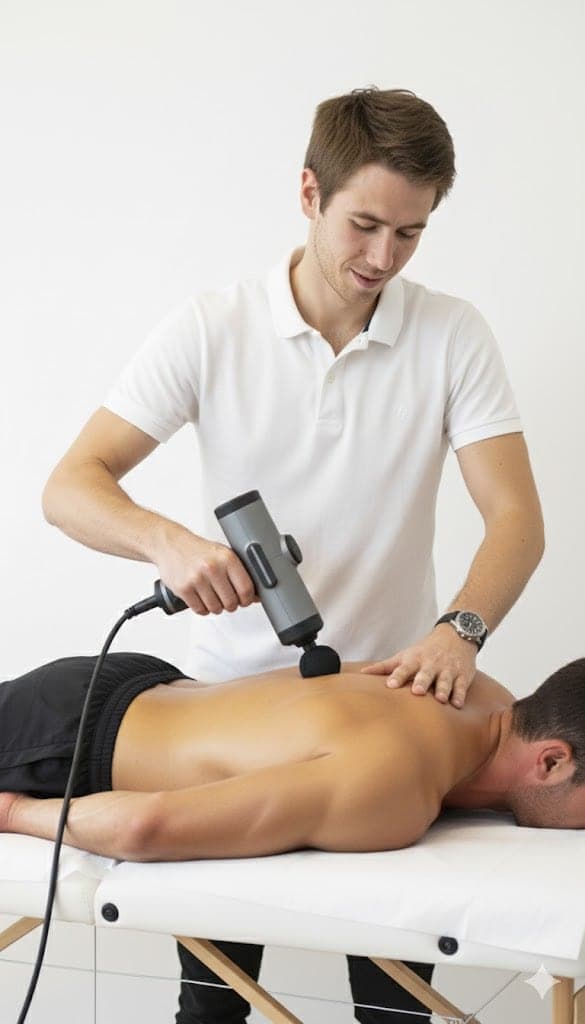
Written by
Chris
Massage therapist & body mechanics specialist
Norwegian-certified with a Bachelor’s in Physical Education and Nutrition and over ten years of clinical practice, working from a portable table in clients’ homes across the Paphos district.
This article is general information from clinical practice, not a medical diagnosis. If you have severe, worsening or unexplained pain, numbness, weakness, or pain after an accident, see a doctor first.