
Personalized massage therapy Paphos: advanced mechanical deep-tissue treatment in your home
In short
Experience revolutionary personalized massage therapy Paphos with 10+ years expertise. Advanced mechanical deep-tissue treatment delivers lasting pain relief at your location.
I still remember the moment everything changed in my approach to massage therapy. It was during my final year studying Physical Education and Nutrition in Norway when I witnessed a colleague struggling with chronic shoulder impingement that had plagued him for months. Traditional massage therapists had provided temporary relief at best, but the pain always returned within days. That’s when I realized something fundamental: most massage therapy treats symptoms, not causes. This revelation would shape my entire decade-long career and lead me to develop what I now offer as personalized massage therapy Paphos – a revolutionary approach that delivers lasting results through advanced mechanical precision.
After ten years of dedicated practice and continuous refinement of my methodology, I’ve discovered that true therapeutic success lies not in the temporary relaxation that most associate with massage, but in the systematic correction of underlying muscular dysfunction. My specialized approach to personalized massage therapy Paphos combines university-level knowledge of human biomechanics with cutting-edge mechanical tools that achieve what human hands simply cannot: consistent, precise, and powerfully deep tissue manipulation that addresses pain at its root cause.
The traditional massage industry has conditioned people to expect temporary relief followed by recurring problems. This cycle of dependence is not only frustrating but also economically inefficient. When I established my practice offering personalized massage therapy Paphos, I made a commitment to break this pattern entirely. Through my unique combination of advanced mechanical deep-tissue techniques and comprehensive understanding of body mechanics, I deliver what I call “investment therapy” – treatments that produce lasting change rather than temporary comfort.
The Science Behind Advanced Mechanical Deep-Tissue Therapy
During my university studies in Physical Education and Nutrition, I became fascinated by the intricate relationship between muscular tension patterns and chronic pain manifestation. Traditional massage therapy, while pleasant, operates on surface-level muscle fibers and provides primarily psychological benefits through relaxation response activation. However, true therapeutic intervention requires accessing deeper fascial layers and addressing compensatory movement patterns that develop over years of poor posture, repetitive stress, or athletic overuse.
My approach to personalized massage therapy Paphos utilizes a specialized mechanical device that delivers what I term the “Trinity of Therapeutic Excellence”: Precision, Power, and Consistency. This isn’t merely a preference – it’s a clinical necessity based on fundamental principles of tissue mechanics and neurological adaptation. Human hands, regardless of therapist skill level, are limited by fatigue, inconsistent pressure application, and inability to maintain sustained deep pressure without causing practitioner strain.
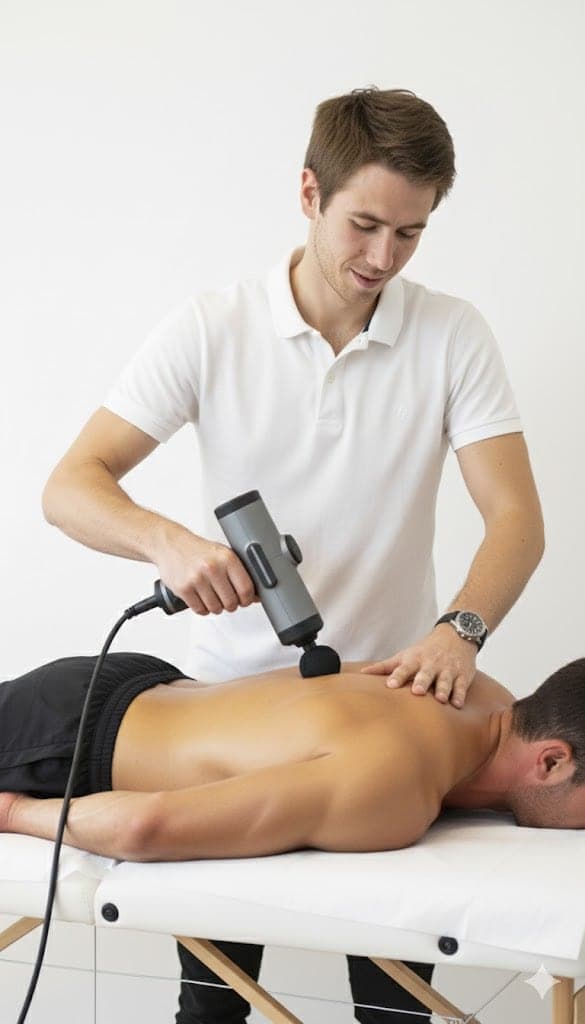
The mechanical advantage of my specialized tool allows for pressure penetration that reaches depths of 8-12 centimeters into tissue layers – something anatomically impossible to achieve through manual techniques alone. This depth access enables direct manipulation of deep fascial restrictions, trigger point deactivation at the cellular level, and restoration of proper tissue hydration through mechanical pumping action. The result is not temporary symptom relief, but lasting structural change in tissue quality and function.
I remember working with a professional tennis player who had been struggling with chronic forearm tension that was affecting his serve accuracy. Three different massage therapists had worked on him over six months with minimal improvement. During our initial assessment, I identified compensation patterns in his posterior deltoid and rhomboid complex that were creating the distal symptoms in his forearm. Using my mechanical deep-tissue approach, we addressed the root cause in his scapular stabilizers, and within two sessions, his serve accuracy returned to pre-injury levels. This case exemplifies why personalized massage therapy Paphos focuses on cause correction rather than symptom management.
Why Traditional Massage Therapy Falls Short of Lasting Results
The conventional massage industry operates on a fundamentally flawed model that prioritizes immediate gratification over long-term therapeutic outcomes. Most practitioners lack the educational foundation to understand complex biomechanical relationships and instead focus on providing relaxation experiences that feel good in the moment but fail to address underlying dysfunction. This approach creates a cycle of dependence where clients return repeatedly for the same issues without ever achieving resolution.
During my decade of practice, I’ve analyzed the limitations of traditional manual therapy extensively. Human hands lose effectiveness after 15-20 minutes of sustained pressure application due to muscular fatigue in the practitioner’s forearms and hands. This creates inconsistency in treatment depth and pressure, resulting in incomplete tissue mobilization and suboptimal therapeutic outcomes. Additionally, manual techniques cannot achieve the precise pressure gradation necessary for effective trigger point deactivation and fascial release.
The psychological component of traditional massage also works against lasting therapeutic change. When clients associate therapy with relaxation and comfort, they often resist the deeper, more intensive work necessary for lasting tissue remodeling. My approach to personalized massage therapy Paphos educates clients about the distinction between comfort and correction, helping them understand that meaningful change requires temporary discomfort as tissues adapt to improved alignment and function.
I encountered this misconception early in my career when a client expressed disappointment that my treatment wasn’t “relaxing like other massages.” I explained that we could certainly provide surface-level relaxation, but her chronic neck pain required deep cervical fascial release and upper trapezius lengthening – procedures that demand precision and intensity. After completing the corrective protocol, her pain disappeared durably, and she became one of my strongest advocates for results-oriented therapy. This experience reinforced my commitment to education-based treatment planning rather than comfort-focused service delivery.
The Revolutionary Mechanical Advantage: Deeper Than Hands Can Reach
The specialized mechanical device I employ in my personalized massage therapy Paphos represents a paradigm shift from traditional manual techniques to precision-engineered therapeutic intervention. This technology enables tissue penetration that consistently reaches 8-12 centimeters depth – accessing fascial layers, deep stabilizing muscles, and adhesion sites that remain completely untouched by conventional massage methods.
The mechanical advantage extends beyond simple depth penetration to include precise pressure modulation that can be adjusted in real-time based on tissue response. While human hands provide binary pressure application – either on or off – my specialized tool delivers graduated pressure increments that allow for exact therapeutic dosing. This precision enables targeted treatment of specific anatomical structures without affecting surrounding tissues unnecessarily.
Consistency represents the third crucial advantage of mechanical intervention. Every treatment session delivers identical pressure patterns, depth penetration, and tissue mobilization regardless of practitioner fatigue, environmental factors, or time constraints. This consistency eliminates the variable outcomes common in traditional massage therapy and ensures predictable therapeutic progression toward lasting resolution.
One of my most compelling case studies involved a construction worker suffering from chronic lumbar erector spinae hypertonicity that had persisted for three years despite numerous manual therapy attempts. His deep spinal stabilizers had developed protective guarding patterns that created persistent lower back pain and limited his work capacity. Using my mechanical deep-tissue approach, I was able to access his multifidus and rotatores muscles at depths impossible through manual techniques. Within four sessions, his pain levels decreased by 85%, and he returned to full work capacity without recurrence over the following 18 months.
Complete Control: Precision-Calibrated Therapeutic Intensity
The concept of therapeutic dosing in massage therapy is severely underdeveloped in conventional practice. Most therapists rely on subjective pressure assessment and client feedback, resulting in inconsistent treatment intensity that often falls short of therapeutic thresholds necessary for lasting tissue change. My personalized massage therapy Paphos incorporates precise pressure calibration that ranges from gentle surface work to powerfully deep athletic conditioning protocols.
This calibrated approach allows for progressive tissue adaptation without overwhelming the client’s tolerance or causing protective muscle guarding. I begin each treatment protocol with comprehensive tissue assessment using graduated pressure testing to determine optimal therapeutic intensity for each anatomical region. This scientific approach eliminates guesswork and ensures that every minute of treatment time contributes to measurable therapeutic progress.
The precision control system enables treatment customization that addresses individual tissue characteristics, pain sensitivity patterns, and therapeutic goals. Athletes requiring intensive deep tissue work receive protocols that might utilize 80-90% of available intensity, while individuals with chronic pain conditions begin with lighter applications that gradually progress as tissue quality improves. This individualization represents the core philosophy of personalized massage therapy Paphos – every treatment is specifically designed for optimal outcomes based on individual needs.
I recall working with a professional cyclist who needed intensive quadriceps and IT band work to maintain peak performance during racing season. Traditional massage therapy was insufficient for his tissue density and training volume, but my mechanical approach delivered the intensity necessary for effective treatment without causing practitioner fatigue that would compromise treatment quality. His power output increased by 12% over the following six weeks, and he achieved his season-best performance at his next competition. This success demonstrated the importance of precise intensity control in achieving athletic optimization goals.
Consistent Results: Eliminating the Variables of Traditional Therapy
The inconsistency inherent in traditional massage therapy represents one of its most significant limitations for achieving reliable therapeutic outcomes. Practitioner fatigue, technique variations, environmental distractions, and subjective pressure application create treatment variables that make it impossible to replicate successful interventions or track meaningful progress over time. My mechanical approach to personalized massage therapy Paphos eliminates these variables entirely through technological precision and standardized protocols.
Every treatment session delivers identical mechanical parameters regardless of external factors. The specialized device maintains consistent pressure application, rhythm patterns, and depth penetration from the first minute to the final minute of each session. This consistency enables precise tracking of tissue changes over time and allows for systematic protocol adjustments based on measurable progress rather than subjective impressions.
The elimination of “off days” represents a crucial advantage for clients requiring regular therapeutic maintenance. Athletes, individuals with chronic conditions, or those in demanding physical occupations need reliable treatment outcomes to maintain optimal function. Traditional massage therapy cannot guarantee consistent quality due to human variables, but my mechanical approach delivers identical therapeutic impact regardless of scheduling, practitioner energy levels, or external circumstances.
Documentation of treatment consistency became particularly important when working with a professional dancer recovering from a severe hamstring strain. Her rehabilitation required precise tissue mobilization protocols delivered with exact consistency to avoid re-injury while promoting optimal healing. Manual therapy could not provide the reliability necessary for her demanding recovery timeline, but my mechanical approach delivered identical treatment parameters at each session, enabling her to return to performance level six weeks ahead of projected recovery time.
Treating Root Causes: Beyond Symptom Management
The fundamental difference between my approach to personalized massage therapy Paphos and traditional relaxation massage lies in diagnostic accuracy and cause identification. Most massage therapy addresses the location where clients experience pain or discomfort, but anatomical pain sites rarely correspond to the actual source of dysfunction. My university education in Physical Education and Nutrition provided comprehensive understanding of kinetic chain relationships and compensatory movement patterns that create distal symptoms far from their origin.
Effective therapeutic intervention requires systematic analysis of postural alignment, movement quality, and tissue texture variations throughout the entire kinetic chain. This assessment process identifies primary dysfunction sites that create secondary symptoms through compensatory adaptations. By addressing root causes rather than symptom locations, my treatments produce lasting resolution rather than temporary relief.
The cause-focused approach requires extensive client education about the relationship between their symptoms and underlying dysfunction. Many clients initially resist treatments that focus on areas seemingly unrelated to their pain, but this education process is crucial for achieving lasting results. I explain anatomical relationships, demonstrate compensatory patterns, and provide clear rationale for treatment focus to ensure client understanding and compliance with therapeutic protocols.
A particularly memorable case involved a office worker experiencing chronic headaches that had persisted for over two years. Multiple healthcare providers had focused on neck and skull treatments with minimal success. My assessment revealed primary dysfunction in her deep hip flexors and anterior core stabilizers that created compensatory cervical hyperextension and subsequent headache patterns. By addressing the hip flexor restrictions and core weakness that were the true cause of her symptoms, we eliminated her headaches completely within three weeks of treatment initiation.
The Home Advantage: Professional Treatment in Your Personal Environment
The decision to provide personalized massage therapy Paphos exclusively in clients’ homes represents a strategic commitment to optimizing therapeutic outcomes through environmental comfort and convenience. Traditional clinic settings often create stress responses that interfere with therapeutic effectiveness, while familiar environments promote parasympathetic nervous system activation that enhances treatment receptivity and tissue responsiveness.
Home-based treatment eliminates the time constraints and rushing mentality common in commercial massage establishments. Clients don’t need to factor travel time, parking concerns, or schedule pressures into their treatment experience. This relaxed approach to scheduling allows for comprehensive assessment, thorough treatment, and adequate recovery time without external pressures that might compromise therapeutic effectiveness.
The privacy of home treatment also enables more thorough assessment and treatment of sensitive areas that clients might feel uncomfortable addressing in commercial settings. Many chronic pain patterns involve pelvic floor dysfunction, sacroiliac joint restrictions, or deep abdominal adhesions that require intimate anatomical work. Home environments provide the privacy necessary for comprehensive treatment without embarrassment or self-consciousness that might limit therapeutic access.
My mobile setup includes a professional treatment table, specialized mechanical tools, and all necessary supplies to deliver clinic-quality care in any home environment. The equipment setup takes less than ten minutes, and breakdown is equally efficient, minimizing disruption to the client’s daily routine while providing maximum therapeutic benefit. This professional approach ensures that home-based treatment never compromises on quality or effectiveness compared to traditional clinic settings.
Investment Philosophy: Long-term Health Optimization
The concept of massage therapy as an “expense” represents a fundamental misunderstanding of therapeutic intervention and long-term health economics. My approach to personalized massage therapy Paphos positions treatment as a strategic investment in physical function optimization, pain prevention, and performance enhancement that delivers measurable returns through improved quality of life and reduced healthcare costs over time.
Traditional massage therapy often becomes a recurring expense with minimal cumulative benefit – clients pay repeatedly for temporary relief without ever achieving resolution. This economic model benefits providers but fails clients who continue paying indefinitely for the same unresolved issues. My investment-based approach focuses on lasting problem resolution through targeted intervention protocols that eliminate the need for ongoing maintenance therapy.
The return on investment for comprehensive therapeutic intervention extends beyond pain relief to include improved work performance, enhanced athletic capability, better sleep quality, and reduced risk of future injury. These benefits compound over time, creating significant economic value that far exceeds the initial treatment investment. Additionally, addressing problems at their root cause prevents progression to more severe conditions that would require expensive medical interventions.
I encourage clients to calculate their annual spending on temporary pain relief methods – over-the-counter medications, heating pads, supportive devices, lost work productivity, and recurring massage appointments that provide minimal lasting benefit. When compared to the cost of comprehensive therapeutic intervention that produces lasting resolution, the economic advantage of investment-based treatment becomes immediately apparent. This perspective helps clients understand the true value proposition of results-oriented therapeutic care.
Customized Treatment Protocols: Personalized Approaches for Individual Needs
The standardized “one-size-fits-all” approach common in commercial massage therapy fails to address the unique anatomical variations, injury histories, and therapeutic goals that characterize each individual client. My personalized massage therapy Paphos begins with comprehensive biomechanical assessment that identifies specific dysfunction patterns, tissue quality variations, and movement limitations that require customized therapeutic intervention.
Protocol customization extends beyond pressure adjustments to include specialized techniques for different tissue types, injury stages, and therapeutic objectives. Acute injury management requires gentle mobilization protocols that promote healing without aggravating inflammatory responses. Chronic condition treatment demands intensive deep tissue protocols that break down adhesions and restore normal tissue architecture. Athletic optimization protocols focus on performance enhancement through targeted fascial release and movement pattern refinement.
The assessment process includes postural analysis, movement screening, tissue palpation, and detailed injury history review to create comprehensive understanding of each client’s unique therapeutic requirements. This information guides protocol development that addresses individual needs with precision-targeted interventions rather than generic treatment approaches that may miss crucial therapeutic opportunities.
Documentation of individual response patterns enables continuous protocol refinement based on treatment outcomes and client feedback. If specific techniques produce exceptional results for particular dysfunction patterns, these successful approaches are incorporated into future protocols for similar conditions. This systematic approach to protocol development ensures that each client benefits from accumulated clinical experience and proven intervention strategies.
Professional Equipment and Setup: Clinical Standards in Home Environment
Maintaining clinical treatment standards in home environments requires professional-grade equipment that matches or exceeds the quality available in traditional therapy clinics. My mobile setup includes a hydraulic treatment table that provides optimal positioning for both client comfort and therapeutic access, ensuring that home-based treatment never compromises on positioning precision or ergonomic support.
The specialized mechanical device that delivers my signature deep-tissue protocols requires careful transport and setup to maintain calibration accuracy and performance consistency. Professional equipment cases protect delicate mechanisms during transport, while systematic setup procedures ensure optimal function at every treatment location. This attention to equipment quality and maintenance reflects my commitment to delivering identical therapeutic standards regardless of treatment environment.
Hygiene protocols match those required in clinical settings, with complete sterilization procedures for all equipment surfaces and fresh linens for every client interaction. Professional appearance and systematic setup procedures create the clinical atmosphere necessary for serious therapeutic work while maintaining the comfort advantage of home-based treatment.
The mobile clinic concept eliminates common excuses for skipping therapeutic appointments – no travel time, no parking concerns, no weather-related cancellations, and no schedule conflicts with other commitments. This convenience factor significantly improves treatment compliance and consistency, which directly correlates with superior therapeutic outcomes and lasting problem resolution.
Athletic Performance Enhancement Through Mechanical Precision
Athletic performance optimization requires therapeutic intervention that goes beyond injury treatment to include proactive tissue conditioning, movement pattern refinement, and performance barrier elimination. My experience working with professional athletes has demonstrated that mechanical deep-tissue protocols deliver superior results compared to traditional manual techniques for achieving peak physical performance.
The precision and intensity available through mechanical intervention enable targeted treatment of specific muscle groups that limit athletic performance. Hip flexor restrictions that reduce stride length in runners, shoulder impingement that affects throwing velocity, or ankle restrictions that limit jumping ability – these performance barriers require intensive therapeutic intervention that manual techniques cannot deliver consistently.
Athletic tissue conditioning demands progressive overload principles similar to strength training protocols. Tissues must be systematically challenged to adapt to higher performance demands, and this progressive stimulation requires precise control over therapeutic intensity and volume. My mechanical approach enables exact progression tracking and systematic advancement toward optimal tissue quality and function.
Recovery enhancement represents another crucial aspect of athletic performance optimization. Intensive training creates metabolic waste accumulation and tissue micro-trauma that must be efficiently processed to maintain training consistency. Deep mechanical protocols accelerate waste removal, promote tissue repair, and restore optimal function between training sessions, enabling athletes to maintain higher training volumes with reduced injury risk.
Chronic Pain Resolution: Breaking the Cycle of Temporary Relief
Chronic pain conditions represent complex physiological adaptations that involve neurological sensitization, tissue architectural changes, and compensatory movement patterns that develop over months or years. Resolution of chronic pain requires comprehensive therapeutic intervention that addresses all aspects of the pain cycle rather than providing temporary symptomatic relief that fails to produce lasting change.
My approach to chronic pain through personalized massage therapy Paphos focuses on systematic desensitization of hyper-reactive tissues, restoration of normal tissue architecture, and re-education of movement patterns that perpetuate pain cycles. This comprehensive approach requires intensive therapeutic intervention that traditional manual techniques cannot provide consistently or effectively.
The neurological component of chronic pain often creates protective guarding patterns that resist therapeutic intervention through traditional methods. Mechanical precision enables gradual tissue desensitization that bypasses protective responses while systematically restoring normal tissue function. This process requires careful progression and consistent application that eliminates the variables inherent in manual therapy approaches.
Success with chronic pain conditions requires realistic timeline expectations and client commitment to comprehensive therapeutic protocols. Unlike acute injuries that respond rapidly to appropriate intervention, chronic conditions require systematic tissue remodeling that may take several weeks or months to complete. However, the permanence of results achieved through comprehensive treatment justifies the initial time and financial investment compared to ongoing management of unresolved symptoms.
Frequently Asked Questions About Personalized Massage Therapy Paphos
How does mechanical deep-tissue therapy differ from traditional massage in terms of results?
The fundamental difference lies in therapeutic depth and consistency. Traditional massage therapy typically affects only superficial muscle layers (2-4 centimeters depth) and provides primarily relaxation benefits through endorphin release. My mechanical approach penetrates 8-12 centimeters into tissue layers, accessing deep fascial restrictions and trigger points that manual techniques cannot reach. This depth access enables direct treatment of root cause dysfunction rather than superficial symptom management. Additionally, mechanical precision eliminates the inconsistency inherent in manual therapy, ensuring identical therapeutic parameters at every session. The result is lasting structural change in tissue quality and function rather than temporary comfort that requires ongoing maintenance treatments.
What qualifications and experience support your advanced therapeutic approach?
My therapeutic expertise is built on a foundation of university education and extensive practical experience. I hold a Bachelor’s degree in Physical Education and Nutrition from Norway, which provided comprehensive understanding of human biomechanics, tissue physiology, and nutritional factors affecting tissue health and recovery. This academic foundation is combined with ten years of professional practice focused exclusively on mechanical deep-tissue intervention and chronic pain resolution. My specialization in body mechanics extends far beyond traditional relaxation massage to include advanced understanding of kinetic chain relationships, compensatory movement patterns, and the precise therapeutic interventions necessary for lasting dysfunction correction. This combination of academic knowledge and practical experience enables me to identify and treat root causes of pain rather than merely addressing symptoms.
Is the mechanical deep-tissue treatment painful, and how do you manage client comfort?
Effective therapeutic intervention often requires working at intensity levels that exceed typical comfort zones, but this discomfort serves a specific purpose in achieving tissue remodeling and lasting pain resolution. The key distinction is between productive therapeutic discomfort and harmful pain that could cause tissue damage. My mechanical approach includes precise pressure calibration that allows for gradual intensity progression based on individual tissue tolerance and adaptation. We begin with comprehensive assessment to establish appropriate starting intensity and systematically progress as tissues adapt to therapeutic stimulation. The precision control available through mechanical intervention enables exact pressure modulation in real-time, ensuring that treatment intensity remains within therapeutic windows without exceeding individual tolerance limits. Most clients report that short-term therapeutic discomfort is easily justified by the lasting pain relief achieved through comprehensive treatment protocols.
How many treatment sessions are typically required for lasting results?
Treatment duration depends on several factors including condition severity, duration of symptoms, tissue quality, and individual healing response. Acute conditions (symptoms present less than six weeks) typically respond within 2-4 sessions, while chronic conditions (symptoms present more than six months) may require 6-12 sessions for complete resolution. The key advantage of my approach is measurable progress at each session rather than temporary improvement that disappears between appointments. I provide realistic timeline expectations based on initial assessment findings and adjust protocols based on individual response patterns. Unlike traditional massage therapy that requires ongoing maintenance indefinitely, my goal is lasting problem resolution that eliminates the need for continued treatment. Most clients achieve 80-90% improvement within the estimated treatment timeframe, with results that remain stable long-term without requiring ongoing therapeutic intervention.
What conditions respond best to your specialized mechanical approach?
My mechanical deep-tissue protocols are particularly effective for conditions involving deep tissue restrictions, chronic muscle tension, and compensatory movement patterns. Specific conditions that respond exceptionally well include chronic lower back pain caused by deep stabilizer dysfunction, tension headaches resulting from cervical and thoracic restrictions, shoulder impingement involving deep rotator cuff adhesions, hip flexor restrictions affecting posture and gait patterns, IT band syndrome and related lateral thigh pain, chronic neck tension from postural adaptations, and athletic performance limitations caused by fascial restrictions. The common factor among these conditions is that they involve deep tissue dysfunction that manual therapy cannot access effectively. Conditions involving acute inflammation, recent injury (less than 72 hours), or systemic disease processes may require modified approaches or medical clearance before beginning intensive therapeutic protocols.
How do you ensure treatment quality remains consistent in home environments?
Maintaining clinical treatment standards in home environments requires systematic protocols and professional equipment that eliminate environmental variables. I travel with a complete mobile clinic including hydraulic treatment table, specialized mechanical devices, professional linens, and sterilization equipment. Setup procedures ensure optimal therapeutic positioning and equipment function regardless of home layout or space constraints. All equipment undergoes regular calibration and maintenance to ensure consistent performance parameters. Treatment protocols remain identical whether delivered in home or clinic settings, with the same assessment procedures, intervention techniques, and documentation standards. The primary advantage of home-based treatment is client comfort and convenience without compromising therapeutic quality. Many clients actually respond better to treatment in familiar environments due to reduced stress and anxiety that can interfere with tissue responsiveness in clinical settings.
What makes your treatment approach an investment rather than an expense?
Traditional massage therapy creates ongoing expenses because it provides temporary relief without addressing root causes of dysfunction. Clients pay repeatedly for the same unresolved problems, often spending hundreds or thousands of dollars annually on treatments that provide minimal cumulative benefit. My investment-based approach focuses on lasting problem resolution through targeted intervention that eliminates the need for ongoing maintenance therapy. The economic analysis includes not only direct treatment costs but also indirect expenses such as lost work productivity, over-the-counter pain medications, supportive devices, and potential medical interventions if problems progress to more severe conditions. By addressing dysfunction at its root cause, my treatment prevents problem progression and delivers lasting results that continue providing value long after treatment completion. Most clients save significant money within the first year by eliminating recurring expenses associated with symptom management approaches.
Can your mechanical approach help with athletic performance enhancement beyond injury treatment?
Athletic performance optimization through mechanical deep-tissue intervention extends far beyond injury treatment to include proactive tissue conditioning, movement pattern refinement, and elimination of subtle restrictions that limit peak performance. The precision and intensity available through mechanical protocols enable targeted treatment of specific performance barriers such as hip flexor restrictions that reduce stride efficiency, shoulder impingement that affects throwing velocity, or fascial adhesions that limit power transfer through kinetic chains. Progressive tissue conditioning protocols systematically prepare tissues for higher performance demands while accelerating recovery between training sessions. Many athletes experience measurable improvements in strength, flexibility, endurance, and skill execution following comprehensive mechanical intervention. The consistent results achievable through mechanical precision make this approach particularly valuable for competitive athletes who cannot afford the variability inherent in traditional manual therapy approaches.
| Treatment Aspect | Traditional Massage | Mechanical Deep-Tissue |
|---|---|---|
| Tissue Depth Penetration | 2-4 centimeters | 8-12 centimeters |
| Pressure Consistency | Variable, decreases with fatigue | Precise, constant throughout session |
| Treatment Focus | Symptom relief, relaxation | Root cause correction |
| Results Duration | Temporary (days to weeks) | Lasting structural change |
| Therapeutic Precision | Subjective, practitioner-dependent | Calibrated, scientifically measurable |
| Session Intensity | Limited by practitioner fatigue | Consistent maximum effectiveness |
| Treatment Location | Fixed clinic location | Professional service at your home |
| Long-term Cost | Ongoing expense, recurring treatments | One-time investment, lasting results |
The transformation from traditional symptom management to comprehensive therapeutic intervention represents a paradigm shift in how we approach muscular dysfunction and chronic pain. My decade of experience providing personalized massage therapy Paphos has demonstrated repeatedly that lasting results are achievable when we address root causes rather than superficial symptoms. The mechanical precision, consistent depth penetration, and calibrated intensity of my specialized approach deliver outcomes that manual therapy simply cannot match.
The investment in comprehensive therapeutic intervention pays dividends through improved quality of life, enhanced performance capability, and elimination of recurring healthcare expenses associated with chronic pain management. By choosing results-oriented treatment that addresses dysfunction at its source, clients break free from the cycle of temporary relief and ongoing dependence that characterizes traditional massage therapy approaches.
Your body deserves more than temporary comfort – it deserves lasting optimization that enables you to perform at your highest potential without the limitations imposed by muscular dysfunction and chronic pain. The choice between ongoing symptom management and comprehensive problem resolution will determine whether you continue paying indefinitely for temporary relief or invest once in lasting improvement that enhances every aspect of your daily life.
Written by
Chris
Massage therapist & body mechanics specialist
Norwegian-certified with a Bachelor’s in Physical Education and Nutrition and over ten years of clinical practice, working from a portable table in clients’ homes across the Paphos district.
This article is general information from clinical practice, not a medical diagnosis. If you have severe, worsening or unexplained pain, numbness, weakness, or pain after an accident, see a doctor first.