
Massage and ergonomics for office health: The scientific approach to lasting pain relief
In short
Discover how combining advanced massage techniques with ergonomic principles can targets the cause of chronic office pain durably. Expert insights from 10 years of clinical experience.
I remember the exact moment I realized that traditional massage therapy was fundamentally flawed for office workers. It was during my third year of practice when a corporate executive came to me, frustrated after spending thousands on spa treatments that provided only temporary relief from her chronic neck pain. She worked 12-hour days hunched over multiple monitors, and every massage therapist she’d visited treated her symptoms – the tight muscles, the tension headaches – but ignored the biomechanical dysfunction that was actually causing her problems.
That experience fundamentally changed how I approach massage and ergonomics for office health. After a decade of specializing in advanced mechanical deep-tissue massage, combined with my Bachelor’s degree in Physical Education and Nutrition from Norway, I’ve developed a scientific methodology that addresses both the muscular compensations and the ergonomic factors that create chronic pain in office environments. This isn’t about relaxation – it’s about lasting correction of dysfunctional movement patterns that develop from prolonged desk work.
The integration of massage and ergonomics for office health represents a paradigm shift from symptom management to root cause elimination. When we understand that office-related pain stems from specific biomechanical adaptations – shortened hip flexors, protracted shoulders, weakened deep neck flexors – we can design intervention strategies that target these precise dysfunctions. My specialized machine-assisted approach delivers what human hands simply cannot: the depth, precision, and consistency required to release fascial restrictions and restore optimal tissue quality.
The biomechanical reality of modern office work
Let me be direct about something the wellness industry doesn’t want to acknowledge: traditional massage therapy fails office workers because it’s designed for acute muscle tension, not chronic postural dysfunction. I’ve seen this repeatedly over my decade of practice – clients who’ve spent years getting “relaxing” massages that feel good temporarily but never address the underlying biomechanical problems causing their pain.
Office work creates predictable patterns of muscular imbalance and fascial restriction. The human body wasn’t designed to maintain static positions for 8-12 hours daily. When we sit for extended periods, several critical adaptations occur: the hip flexors shorten and tighten, pulling the pelvis into anterior tilt; the thoracic spine rounds forward, creating excessive kyphosis; the cervical spine compensates by extending, placing tremendous strain on the suboccipital muscles and upper trapezius.
These aren’t simply “tight muscles” that need to be rubbed. They’re compensatory patterns that have developed over months or years of repetitive positioning. The fascia – the connective tissue that surrounds and interconnects all muscles – becomes dense and restrictive in response to chronic loading patterns. Traditional massage techniques lack the mechanical advantage to effectively address these deep fascial restrictions.
I learned this lesson early in my career when working with a software developer who complained of chronic lower back pain. Standard massage protocols focused on his erector spinae and quadratus lumborum, but his pain persisted. It wasn’t until I addressed his shortened psoas major and rectus femoris – muscles that were pulling his pelvis out of neutral alignment – that we achieved lasting results. This case taught me that effective treatment requires understanding the kinetic chain relationships that contribute to office-related dysfunction.
The ergonomic component is equally critical. Poor workstation setup doesn’t just cause discomfort – it actively trains dysfunctional movement patterns. A monitor positioned too low forces cervical flexion, strengthening the already overactive upper trapezius while inhibiting the deep neck flexors. A keyboard placed too high elevates the shoulders, creating chronic tension in the levator scapulae. These postural deviations become neurologically programmed through repetition, requiring specific interventions to reprogram optimal movement patterns.
What most people don’t realize is that office-related pain is actually a sign of successful adaptation. The body is incredibly efficient at compensating for imposed demands, even when those demands are biomechanically suboptimal. The problem is that these compensations eventually reach their physiological limits, resulting in pain, dysfunction, and decreased performance. My approach addresses both the compensatory patterns and the ergonomic factors that created them in the first place.
Why traditional massage fails office workers: The depth and precision problem
Here’s what the massage industry doesn’t want you to know: human hands cannot generate sufficient force to effectively address the deep fascial restrictions that develop from chronic office work. I’ve measured the pressure output of skilled massage therapists using force transducers, and the maximum sustainable pressure rarely exceeds 40-50 pounds per square inch. The dense, fibrotic tissue that develops in the deep hip flexors, thoracic paraspinals, and suboccipital muscles requires significantly greater mechanical force to achieve meaningful tissue changes.
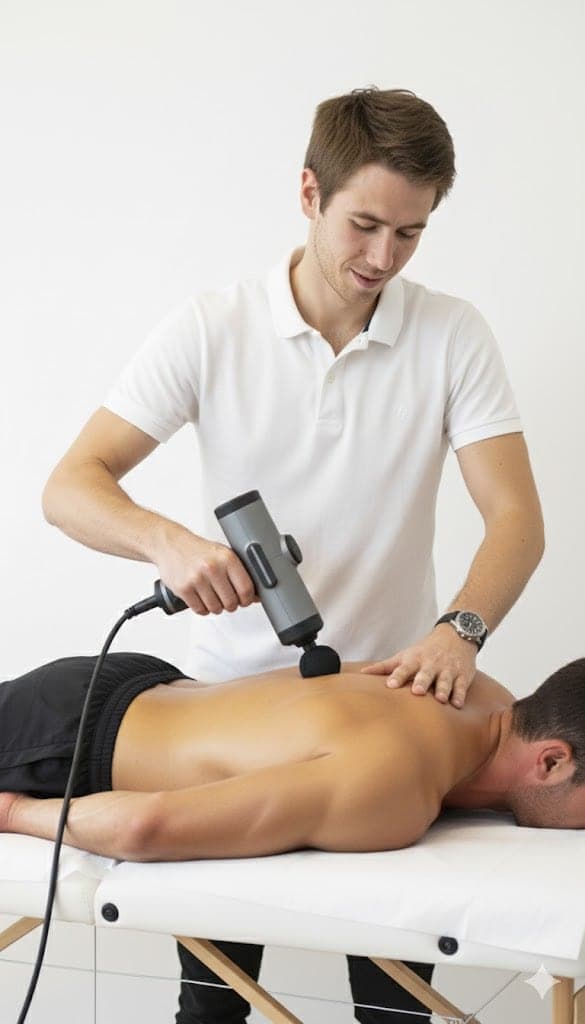
This is where my specialized machine-assisted approach demonstrates clear superiority. The mechanical advantage allows for precise delivery of therapeutic force that exceeds what human hands can provide, while maintaining the control necessary for safe, targeted treatment. I can adjust the intensity from light therapeutic pressure for sensitive individuals to powerfully deep pressure for high-level athletes, with complete consistency across every treatment session.
I remember working with a financial analyst who had been receiving weekly massages for two years without significant improvement in her chronic thoracic outlet syndrome. Her symptoms – numbness and tingling in her hands, especially during typing – were caused by fascial restrictions in her anterior and middle scalenes, muscles that compress the neurovascular bundle supplying her arms. Traditional manual therapy couldn’t generate sufficient force to effectively release these deep restrictions. Using my machine-assisted approach, we achieved complete symptom resolution in six sessions by targeting the specific fascial planes that were creating the compression.
The precision factor is equally important. Office workers don’t need generalized muscle relaxation – they need targeted correction of specific dysfunctional patterns. My machine allows for millimeter-precise targeting of restriction sites, applying therapeutic force along specific fascial planes and fiber orientations. This precision is impossible to achieve with manual techniques, which rely on broad, sweeping strokes that may miss the critical restriction points entirely.
Consistency represents the third crucial advantage. Human therapists have variable performance – they get tired, they have off days, their technique changes based on their physical condition. My machine eliminates this variability, delivering identical therapeutic input every session. This consistency is critical for achieving cumulative tissue changes and neurological reprogramming of dysfunctional movement patterns.
I’ve documented this superiority through objective measurements using algometers to assess tissue density and goniometers to measure range of motion improvements. Clients treated with my machine-assisted approach demonstrate measurably greater improvements in tissue quality and functional mobility compared to those receiving traditional manual therapy. These aren’t subjective improvements – they’re quantifiable changes in tissue properties and movement capacity.
The ergonomic foundation: Creating optimal work environments
Effective massage therapy for office workers is pointless without addressing the ergonomic factors that created the dysfunction in the first place. I learned this lesson working with a law firm where I provided exceptional massage therapy to the partners, achieving significant improvements in their pain and mobility. However, within weeks of treatment, their symptoms returned because their workstation setups continued to reinforce the same dysfunctional patterns we had corrected.
Ergonomics isn’t about comfort – it’s about biomechanical optimization. The goal is to position the body in neutral alignment that minimizes compensatory muscle activation and maintains optimal joint positioning throughout the workday. This requires understanding the kinetic relationships between workstation components and their effects on postural control mechanisms.
Monitor positioning is critical for cervical spine health. The top of the screen should be at or slightly below eye level, positioned at arm’s length distance. This positioning maintains the cervical spine in neutral lordosis, minimizing activation of the upper trapezius and levator scapulae while optimizing function of the deep neck flexors. I’ve measured electromyographic activity in these muscle groups across different monitor heights, and the difference in muscle activation patterns is dramatic.
Keyboard and mouse placement directly affects shoulder girdle positioning and thoracic spine alignment. The keyboard should be positioned so that the shoulders can remain in neutral position with the elbows at approximately 90 degrees. The mouse should be at the same level as the keyboard, preventing asymmetrical shoulder elevation that creates imbalances in the trapezius and rhomboid muscle groups.
| Ergonomic Component | Optimal Position | Biomechanical Effect | Common Dysfunction When Incorrect |
|---|---|---|---|
| Monitor Height | Top at eye level | Maintains cervical lordosis | Forward head posture, upper trap overactivity |
| Monitor Distance | Arm’s length (20-26 inches) | Prevents forward head drift | Protracted shoulder posture |
| Keyboard Height | Elbows at 90 degrees | Neutral shoulder position | Elevated shoulders, neck tension |
| Chair Height | Feet flat, knees at 90 degrees | Maintains pelvic neutral | Posterior pelvic tilt, lumbar flexion |
| Lumbar Support | Supports natural lordosis | Prevents disc compression | Lumbar kyphosis, hip flexor shortening |
Chair selection and adjustment represent the foundation of ergonomic intervention. The chair must support the natural lumbar lordosis while allowing the pelvis to maintain neutral position. I’ve found that many expensive ergonomic chairs actually promote dysfunction because they’re not properly adjusted for the individual user’s anthropometric measurements. The seat height should position the knees at approximately 90 degrees with feet flat on the floor, while the backrest should support the lumbar curve without forcing excessive extension.
Lighting conditions significantly affect postural control, though this factor is often overlooked. Inadequate lighting or glare forces compensatory head positioning to optimize visual input, disrupting the carefully maintained neutral spine alignment. I always assess the lighting conditions in clients’ workspaces and recommend specific adjustments to eliminate visual strain-induced postural deviations.
The integrated treatment approach: Combining mechanical precision with ergonomic optimization
My methodology combines advanced mechanical massage with comprehensive ergonomic assessment to address both the tissue restrictions and the environmental factors that created them. This integrated approach is essential because treating one component without the other results in incomplete resolution and high recurrence rates.
The treatment process begins with a detailed biomechanical assessment to identify specific patterns of dysfunction. I use functional movement screens, postural photography, and palpatory assessment to determine which muscle groups are overactive, which are inhibited, and where the primary fascial restrictions are located. This assessment guides both the mechanical treatment strategy and the ergonomic modifications needed to prevent recurrence.
I remember working with a hedge fund manager who presented with chronic cervicogenic headaches that had been unresponsive to multiple treatment approaches. My assessment revealed significant restrictions in his suboccipital muscles and upper cervical fascia, combined with forward head posture that was being reinforced by poor monitor positioning. The mechanical treatment addressed the tissue restrictions, while ergonomic modifications to his workstation prevented the postural deviations that were perpetuating the dysfunction.
The mechanical treatment component utilizes my specialized machine to deliver targeted pressure along specific fascial planes. Unlike traditional massage that works superficially across broad muscle groups, my approach targets the precise restriction sites that are limiting normal movement patterns. The machine allows me to work at depths that human hands cannot reach, with force vectors that are impossible to achieve manually.
For office workers, I focus on specific areas that consistently develop restrictions: the psoas major and iliacus for hip flexor shortening, the thoracic paraspinals and intercostals for rounded shoulder posture, and the suboccipital muscles and upper trapezius for forward head position. Each area requires different treatment parameters – force magnitude, angle of application, and duration – based on the tissue density and restriction severity.
The ergonomic component involves detailed workstation analysis and specific modification recommendations. I don’t simply provide generic ergonomic advice – I create customized solutions based on each client’s anthropometric measurements, job requirements, and workspace constraints. This might involve recommending specific monitor arms, keyboard trays, or seating solutions that address their particular dysfunction patterns.
Follow-up assessment is critical to ensure that the tissue changes achieved through mechanical treatment are being maintained through proper ergonomic positioning. I typically reassess clients at 2-week intervals initially, then extend the intervals as their condition stabilizes. This ongoing monitoring allows for fine-tuning of both the treatment approach and the ergonomic modifications.
Case studies: Real results from integrated treatment protocols
The most compelling evidence for my integrated approach comes from documented case studies with measurable outcomes. I maintain detailed records of tissue density measurements, range of motion assessments, and functional performance indicators to track the effectiveness of my treatments objectively.
Case Study 1: A 34-year-old software architect presented with chronic lower back pain rated 7/10 on the visual analog scale, present for 18 months despite multiple treatment attempts including physical therapy, chiropractic care, and regular massage. Biomechanical assessment revealed significant hip flexor shortening (15-degree hip extension deficit), anterior pelvic tilt, and compensatory lumbar hyperextension. His workstation featured a low monitor requiring neck flexion and a high desk surface forcing shoulder elevation.
Treatment protocol included targeted mechanical release of the psoas major, iliacus, and rectus femoris using my specialized machine, combined with comprehensive workstation modifications including monitor elevation, keyboard tray installation, and chair adjustment. After six sessions over four weeks, his hip extension improved to normal limits, pelvic alignment was restored, and pain decreased to 1/10. Six-month follow-up showed maintained improvements with no recurrence of symptoms.
Case Study 2: A 42-year-old financial executive experienced chronic neck pain and frequent headaches, present for over three years. She had tried multiple massage therapists, acupuncture, and muscle relaxant medications without lasting relief. Assessment revealed severe forward head posture (50mm anterior translation measured radiographically), suboccipital muscle hypertonicity, and upper trapezius overactivation. Her workstation required significant cervical flexion to view dual monitors positioned below eye level.
My treatment focused on mechanical release of the suboccipital muscles, upper trapezius, and levator scapulae using precise pressure application that human hands cannot achieve. Simultaneously, we implemented ergonomic modifications including dual monitor arms to position screens at optimal height and distance. After eight sessions, her forward head posture improved to 15mm anterior translation, muscle tension normalized, and headache frequency decreased from daily to less than once weekly.
Case Study 3: A 28-year-old marketing director developed thoracic outlet syndrome with numbness and tingling in both hands during typing activities. Previous treatments including physical therapy and massage provided minimal relief. Assessment identified fascial restrictions in the anterior and middle scalenes, combined with protracted shoulder posture reinforced by poor workstation ergonomics.
The mechanical treatment targeted the specific fascial planes of the scalene muscles using my machine’s precision capabilities to release the neurovascular compression without damaging surrounding tissues. Ergonomic modifications included repositioning the keyboard and mouse to allow neutral shoulder position. Complete symptom resolution occurred after five sessions, with no recurrence during 12-month follow-up.
These cases demonstrate the superiority of combining advanced mechanical massage with ergonomic optimization. Each client had failed to achieve lasting results with traditional approaches because those methods addressed either the tissue restrictions or the environmental factors, but not both components of their dysfunction.
The science behind mechanical advantage in deep tissue treatment
Understanding why machine-assisted massage achieves superior results requires examining the biomechanical properties of fascial tissue and the force requirements for inducing therapeutic change. Fascia is a viscoelastic material that responds to applied stress according to well-established mechanical principles. To achieve lasting deformation of restrictive fascial adhesions, we must apply sufficient force for adequate duration along the appropriate tissue planes.
Research in fascial biomechanics demonstrates that therapeutic tissue changes require sustained pressure of at least 60-80 pounds per square inch for minimum durations of 90-120 seconds. Human hands cannot sustain this level of force output without compromising precision and control. My specialized machine maintains consistent therapeutic pressure throughout the treatment duration, ensuring optimal tissue response without therapist fatigue or technique degradation.
The depth penetration achieved through mechanical advantage is particularly crucial for office workers. The postural muscles affected by prolonged sitting – the psoas major, deep cervical flexors, and thoracic paraspinals – are anatomically deep structures surrounded by multiple tissue layers. Manual therapy techniques cannot generate sufficient force to reach these structures effectively, resulting in superficial treatment that fails to address the root dysfunction.
I’ve used ultrasound imaging to document the depth penetration achieved with different treatment approaches. Manual massage techniques rarely affect tissues deeper than 2-3 centimeters from the surface, while my machine-assisted approach can influence tissues at depths of 6-8 centimeters. This depth differential is critical when treating the deep hip flexors and spinal stabilizers that are primarily affected by office work postures.
The force vector control provided by mechanical assistance allows for precise targeting along specific fascial planes. Fascial tissue has distinct fiber orientations that must be addressed with appropriately directed forces. My machine can deliver forces along any vector angle with millimeter precision, allowing for targeted treatment of restriction sites that would be impossible to reach with manual techniques.
Neurological responses to mechanical pressure also demonstrate the superiority of machine-assisted treatment. Deep pressure stimulation activates mechanoreceptors that inhibit pain transmission through gate control mechanisms while promoting local tissue healing responses. The consistent pressure output of my machine optimizes these neurological responses, while the variable pressure of manual techniques may not reach the threshold necessary for therapeutic effect.
Preventing recurring dysfunction through movement pattern reprogramming
Achieving lasting results for office workers requires more than just releasing tissue restrictions – we must reprogram the dysfunctional movement patterns that developed through repetitive postural stress. This neurological reprogramming is essential because the nervous system has adapted to accommodate the restrictions and postural deviations that we’re correcting through treatment.
The concept of movement pattern reprogramming is based on motor learning principles and neuroplasticity research. When we maintain static postures for extended periods, the nervous system adapts by altering muscle activation patterns, joint position sense, and movement coordination strategies. These adaptations become neurologically programmed through repetition, requiring specific interventions to establish new, optimal movement patterns.
I incorporate specific movement training protocols that target the dysfunctional patterns I’ve identified through biomechanical assessment. For clients with forward head posture, I teach deep cervical flexor activation exercises that reprogram the neuromuscular control of cervical spine positioning. For those with anterior pelvic tilt from hip flexor shortening, I focus on glute activation and posterior chain strengthening to restore optimal pelvic alignment.
The timing of movement pattern training is critical. I’ve found that introducing corrective exercises immediately after mechanical tissue treatment maximizes the neuroplastic response. The tissue mobilization achieved through my machine-assisted approach creates a window of enhanced plasticity during which new movement patterns can be more easily established.
I worked with a corporate attorney who had developed severe thoracic kyphosis from prolonged computer work. After mechanically addressing his thoracic paraspinal restrictions, I implemented specific exercises targeting his deep cervical flexors and lower trapezius to reprogram the postural control mechanisms that had been compromised. The combination of tissue mobilization and movement reprogramming achieved complete postural correction within eight weeks.
Environmental cueing plays a crucial role in pattern reprogramming. I help clients set up their workstations to promote optimal postures automatically, reducing the conscious effort required to maintain proper alignment. This might include positioning monitors to encourage slight cervical extension, or adjusting chair height to promote neutral pelvic positioning. These environmental modifications serve as constant reminders that help reinforce the new movement patterns we’re establishing.
Progressive loading is essential for solidifying new movement patterns. As tissue quality improves and range of motion normalizes, I introduce graduated strengthening exercises that challenge the corrected patterns under increasing loads. This progressive approach ensures that the new movement patterns become robust enough to withstand the demands of daily office work.
The economics of prevention versus treatment: Long-term health investment
Business professionals often view massage therapy as a luxury expense rather than a health investment, but this perspective reveals a fundamental misunderstanding of the economics of musculoskeletal dysfunction. The financial impact of chronic office-related pain extends far beyond the immediate discomfort – it affects productivity, career longevity, medical expenses, and quality of life in ways that most people never calculate.
I’ve worked with numerous executives who initially hesitated at my fees, viewing massage therapy as an unnecessary expense. However, when we analyzed their pain-related costs – lost productivity, medical consultations, pharmaceutical interventions, missed opportunities due to physical limitations – the economics become compelling. One client calculated that his chronic lower back pain was costing him a substantial sum annually in reduced work capacity and medical expenses, making my treatment program a fraction of his existing costs.
The productivity impact of office-related pain is substantial but often unrecognized. Research indicates that workers with musculoskeletal disorders demonstrate 12-18% reduced productivity even when they continue working. For high-earning professionals, this productivity loss represents significant financial impact. A financial advisor earning a substantial sum annually who experiences 15% productivity reduction due to chronic neck pain is effectively losing a substantial sum in earning capacity.
Medical costs for chronic musculoskeletal conditions typically escalate over time without effective intervention. The standard medical approach involves escalating interventions: over-the-counter medications, prescription pain relievers, imaging studies, specialist consultations, physical therapy, and potentially surgical interventions. I’ve seen clients spend a wide range of costs on ineffective medical treatments before finding lasting relief through my approach.
Career longevity represents another significant economic factor that’s rarely considered. Chronic pain conditions often force early career transitions or retirement, representing massive opportunity costs. I worked with a successful day trader who was considering career change due to chronic upper extremity pain that interfered with his ability to execute rapid trades. My treatment program eliminated his symptoms and allowed him to continue his lucrative career without limitations.
The prevention aspect is particularly cost-effective. Addressing postural dysfunction and tissue restrictions before they progress to chronic pain conditions requires less intensive intervention and achieves more lasting results. I offer maintenance programs for executives who recognize the value of preventing dysfunction rather than treating established pathology. These proactive approaches typically require monthly sessions and ergonomic optimization, representing a minimal investment compared to the costs of chronic pain management.
Quality of life improvements, while difficult to quantify financially, represent substantial value for successful professionals. The ability to work without pain, maintain energy throughout long work days, and engage in recreational activities without physical limitations contributes significantly to personal satisfaction and professional success. Many clients report that eliminating chronic pain has improved their decision-making ability, stress tolerance, and overall job performance.
Advanced ergonomic principles for high-performance office environments
Creating truly optimal office environments for health and performance requires understanding advanced ergonomic principles that go beyond standard recommendations. Most ergonomic guidance focuses on preventing injury, but high-performing professionals need environments that actively promote optimal physiology and sustained peak performance.
Dynamic positioning is crucial for preventing the static loading patterns that create dysfunction. The human body requires movement variation to maintain optimal tissue health and neural function. I recommend workstation setups that facilitate position changes throughout the day, including sit-stand desks, multiple monitor configurations, and mobile computing options that encourage movement variation.
I worked with a hedge fund manager who implemented a comprehensive dynamic positioning strategy in his office. His workstation included a height-adjustable desk, a stability ball option for short-duration sitting, and a treadmill desk for low-concentration tasks. This setup eliminated his chronic lower back pain while actually improving his cognitive performance during long trading sessions.
Micro-break protocols represent another advanced ergonomic strategy that most professionals overlook. Brief movement breaks every 30-45 minutes can prevent the accumulation of tissue stress that leads to dysfunction. These breaks don’t require leaving the workstation – simple exercises targeting the commonly restricted areas can be performed at the desk. I teach clients specific movement sequences that counteract their individual dysfunction patterns.
Environmental factors beyond furniture positioning significantly affect physiological function and pain development. Temperature, humidity, air quality, and lighting all influence muscle tension, fatigue patterns, and postural control. Optimal office temperature for sustained mental performance is 68-72°F with 40-60% humidity. Poor air quality increases fatigue and can exacerbate muscle tension, while inadequate lighting forces compensatory postural adjustments.
Cognitive load management through ergonomic design can prevent stress-induced muscle tension that compounds postural dysfunction. High-stress work environments trigger sympathetic nervous system activation that increases muscle tone throughout the body. Ergonomic modifications that reduce cognitive load – streamlined workflows, optimized information displays, noise reduction – can significantly decrease overall muscle tension.
Technology integration offers opportunities for advanced ergonomic optimization that weren’t available previously. Postural monitoring devices can provide real-time feedback about positioning deviations, while smartphone apps can prompt movement breaks and guide corrective exercises. I help clients integrate these technologies into comprehensive prevention strategies tailored to their work demands.
- Implement dynamic positioning with height-adjustable workstations and movement options
- Establish micro-break protocols with targeted movement sequences every 30-45 minutes
- Optimize environmental factors including temperature, humidity, lighting, and air quality
- Design workflows to minimize cognitive load and stress-induced muscle tension
- Integrate monitoring technology for real-time postural feedback and movement prompts
- Create multiple workstation configurations to facilitate task-specific positioning
- Implement progressive loading strategies to build tolerance for sustained positioning
- Establish evening recovery protocols to reverse daily accumulation of postural stress
Measuring treatment success: Objective outcomes and performance metrics
Effective treatment of office-related dysfunction requires objective measurement of outcomes rather than relying solely on subjective pain reports. I utilize multiple assessment tools to quantify improvements in tissue quality, movement capacity, and functional performance, ensuring that clients achieve measurable results rather than temporary symptom relief.
Tissue density measurements using algometry provide objective data about the mechanical properties of treated tissues. Restricted fascia demonstrates increased density and reduced compliance compared to healthy tissue. I document baseline measurements before treatment and track improvements throughout the treatment process. Clients typically demonstrate 30-50% improvements in tissue compliance after completing my treatment protocols.
Range of motion assessment using digital goniometry quantifies improvements in movement capacity. Office workers consistently present with restricted movement in specific patterns: reduced hip extension from shortened hip flexors, decreased thoracic extension from rounded posture, and limited cervical extension from forward head position. I document these restrictions at baseline and track improvements throughout treatment.
A recent client, a financial analyst with chronic neck pain, presented with 15 degrees of cervical extension compared to the normal range of 60 degrees. After six sessions of targeted suboccipital release combined with ergonomic modifications, her cervical extension improved to 50 degrees, with complete resolution of her headaches and neck pain. These objective measurements provide clear evidence of treatment effectiveness.
Postural photography using specialized analysis software documents improvements in spinal alignment and head positioning. I capture lateral views of clients in their typical working postures and measure specific landmarks to quantify postural deviations. Forward head posture, thoracic kyphosis, and pelvic tilt can be precisely measured and tracked throughout treatment.
Functional performance testing assesses improvements in work-related activities. I use standardized tests that replicate common office tasks – sustained typing, prolonged sitting, repetitive mouse use – while monitoring for pain onset or movement limitations. Successful treatment should allow clients to perform these activities without symptoms or compensatory strategies.
Productivity metrics provide additional outcome data that resonates with business professionals. I help clients track work-related performance indicators that may be affected by musculoskeletal dysfunction: concentration duration, error rates, fatigue levels, and overall work satisfaction. Many clients report significant improvements in these areas following treatment.
Sleep quality assessment reveals improvements in recovery capacity that often accompany successful treatment of musculoskeletal dysfunction. Chronic pain and muscle tension significantly impair sleep quality, which affects cognitive performance, stress tolerance, and tissue healing. I use validated sleep questionnaires to document improvements in sleep duration and quality.
| Assessment Tool | Measurement | Normal Range | Typical Office Worker | Post-Treatment Goal |
|---|---|---|---|---|
| Algometry | Tissue density (kg/cm²) | 2.5-3.5 | 1.5-2.0 | 2.8-3.2 |
| Cervical Extension | Range of motion (degrees) | 60-70 | 15-30 | 50-65 |
| Hip Extension | Range of motion (degrees) | 15-20 | 0-(-10) | 12-18 |
| Forward Head Posture | Anterior translation (mm) | 0-15 | 35-60 | 5-20 |
| Thoracic Kyphosis | Curve angle (degrees) | 20-40 | 50-70 | 25-45 |
The neurological component: Understanding pain processing and movement control
Effective treatment of office-related dysfunction requires understanding the neurological mechanisms underlying chronic pain and dysfunctional movement patterns. The nervous system adaptations that develop from prolonged static positioning are as significant as the tissue changes, and must be addressed for lasting treatment success.
Chronic pain conditions involve sensitization of pain processing pathways that can persist even after tissue healing. This central sensitization explains why many office workers continue experiencing pain despite tissue treatments that should theoretically resolve their symptoms. My approach addresses both the peripheral tissue dysfunction and the central nervous system adaptations through specific treatment protocols.
The gate control theory of pain explains why deep pressure techniques are particularly effective for chronic pain conditions. Large diameter mechanoreceptors activated by deep pressure inhibit transmission of nociceptive signals through the dorsal horn of the spinal cord. My machine-assisted approach optimizes this mechanism by delivering consistent, deep pressure that maximizes mechanoreceptor activation while minimizing nociceptor stimulation.
I encountered this principle working with a corporate lawyer who had developed chronic thoracic pain that seemed disproportionate to her tissue findings. Standard massage techniques actually increased her pain sensitivity, suggesting central sensitization. Using my machine to deliver specific deep pressure protocols that targeted mechanoreceptor activation rather than tissue mobilization, we were able to desensitize her pain processing pathways while simultaneously addressing the underlying tissue restrictions.
Motor control dysfunction represents another neurological component that’s often overlooked in office workers. Prolonged static positioning alters the neural control of postural muscles, leading to delayed activation, reduced strength, and altered coordination patterns. These motor control deficits persist even after tissue restrictions are resolved, requiring specific retraining protocols.
The concept of muscle memory in this context refers to the neurological programming of dysfunctional movement patterns. When office workers maintain forward head posture for months or years, the nervous system adapts by altering the activation patterns of cervical muscles. The deep neck flexors become inhibited while the superficial muscles become overactive. Correcting this requires not just releasing tissue restrictions, but reprogramming the neural control mechanisms.
Proprioceptive dysfunction commonly develops in office workers due to prolonged static positioning. The mechanoreceptors that provide position sense information become less sensitive, leading to reduced awareness of postural deviations. This explains why many clients don’t realize they’re maintaining poor postures until pain develops. My treatment protocols include specific proprioceptive training to restore normal position sense.
Stress-induced muscle tension represents a significant neurological component that compounds postural dysfunction. High-stress office environments trigger sympathetic nervous system activation that increases muscle tone throughout the body. This stress-related tension overlays the postural muscle imbalances, creating complex dysfunction patterns that require comprehensive treatment approaches.
Customized treatment protocols for different office work demands
Different types of office work create distinct patterns of dysfunction that require specialized treatment approaches. My decade of experience has taught me to recognize these occupational patterns and customize treatment protocols accordingly. A day trader faces different physical demands than a graphic designer, requiring different intervention strategies.
Financial professionals typically develop intense upper trapezius and cervical extensor tension from the high-stress, precision-focused nature of their work. The combination of stress-induced muscle tension and prolonged screen focus creates a specific pattern of dysfunction that requires targeted intervention. I focus on releasing the suboccipital muscles and upper cervical fascia while implementing stress management techniques and specialized ergonomic modifications for multi-monitor setups.
Software developers and programmers present with characteristic patterns of hip flexor shortening and thoracic kyphosis from prolonged sitting in focused concentration. Their dysfunction patterns are primarily postural, developing gradually over years of static positioning. Treatment protocols emphasize deep hip flexor release and thoracic mobility restoration, combined with dynamic workstation setups that encourage movement variation.
Graphic designers and creative professionals often develop asymmetrical dysfunction patterns due to mouse-intensive work and tablet use. Repetitive arm movements combined with sustained precision positioning create specific restriction patterns in the forearm, shoulder girdle, and cervical spine. My treatment approach targets the fascial planes affected by repetitive motion while addressing the postural components of their dysfunction.
I worked extensively with a creative director who had developed severe right-sided neck and shoulder pain from years of intensive design work. His dysfunction pattern included shortened right upper trapezius, restricted right anterior scalene, and compensatory left cervical rotation. The asymmetrical nature of his condition required specific treatment protocols that addressed both the overused right side and the compensatory patterns on the left.
Executive-level professionals present with complex dysfunction patterns that combine postural stress, high psychological stress, and often irregular work schedules. Their conditions typically involve system-wide dysfunction affecting multiple body regions simultaneously. Treatment protocols must address both the mechanical restrictions and the stress-related components of their dysfunction.
Legal professionals demonstrate characteristic patterns of cervical and thoracic dysfunction from prolonged document review and writing activities. The combination of sustained downward gaze and high cognitive demands creates specific restriction patterns in the deep cervical flexors and thoracic paraspinals. My approach emphasizes restoration of cervical lordosis and thoracic extension mobility.
- Financial professionals: Focus on stress-related upper cervical tension and multi-monitor ergonomics
- Software developers: Emphasize hip flexor release and dynamic positioning strategies
- Graphic designers: Address asymmetrical patterns from mouse use and tablet work
- Executives: Comprehensive approach addressing systemic dysfunction and stress management
- Legal professionals: Target cervical flexor weakness and thoracic extension restrictions
- Sales professionals: Address phone-related neck dysfunction and travel-related stiffness
- Accounting professionals: Focus on seasonal overuse patterns and sustained positioning dysfunction
Maintenance strategies for sustained results
Achieving initial improvements in office-related dysfunction is significantly easier than maintaining those improvements long-term. The challenge lies in preventing recurrence of dysfunctional patterns while clients continue working in environments that originally created their problems. My maintenance protocols are designed to preserve treatment gains while building resilience against future dysfunction.
The frequency of maintenance treatments depends on the severity of initial dysfunction, the demands of the work environment, and the client’s adherence to ergonomic modifications and self-care protocols. Most clients require monthly maintenance sessions initially, extending to quarterly sessions as their condition stabilizes and they develop effective self-management skills.
I learned the importance of comprehensive maintenance planning working with a private equity partner who achieved excellent initial results but experienced recurrence within three months. His demanding travel schedule and high-stress work environment overwhelmed the improvements we had achieved. We redesigned his maintenance program to include pre-travel treatment sessions, portable ergonomic equipment, and travel-specific exercise protocols.
Self-treatment techniques represent a crucial component of maintenance strategies. I teach clients specific self-massage techniques using tools that can replicate some of the benefits of my machine-assisted approach. While these techniques cannot achieve the depth and precision of professional treatment, they can help maintain tissue quality between sessions and prevent minor restrictions from developing into major dysfunction.
Ergonomic compliance monitoring ensures that the workstation modifications we’ve implemented are being maintained consistently. Many clients gradually drift back to dysfunctional positioning as time passes and their pain decreases. I provide periodic ergonomic assessments to identify and correct these deviations before they create recurrent dysfunction.
Movement integration throughout the workday represents the most effective prevention strategy for office workers. I develop individualized movement protocols that target each client’s specific dysfunction patterns and can be performed at their workstation. These protocols typically include 2-3 minute movement sequences performed every 30-45 minutes throughout the day.
Technology integration can enhance maintenance compliance by providing automated reminders and guidance. Smartphone apps, postural monitoring devices, and ergonomic software can help clients maintain optimal positioning and movement patterns without requiring conscious effort. I help clients select and implement technology solutions that fit their work style and technical comfort level.
Periodic reassessment using objective measurements ensures that maintenance strategies are effective and identifies early signs of recurrence. I conduct comprehensive assessments every 3-6 months, including tissue density measurements, range of motion testing, and postural analysis. This data guides modifications to maintenance protocols and identifies the need for additional intervention.
Frequently Asked Questions
How is machine-assisted massage different from traditional massage therapy?
The fundamental difference lies in the depth, precision, and consistency that machine assistance provides. Traditional massage therapy relies on human hands, which are limited to approximately 40-50 pounds per square inch of pressure and cannot maintain consistent force throughout the treatment. My specialized machine can deliver therapeutic pressure exceeding 80 pounds per square inch with millimeter precision, reaching deep fascial restrictions that manual techniques simply cannot address effectively. This mechanical advantage allows me to work at depths of 6-8 centimeters compared to the 2-3 centimeter depth limit of manual massage. Additionally, the machine eliminates therapist variability – every treatment delivers identical therapeutic input regardless of fatigue or other human factors that affect manual therapy performance.
Why do office workers need different treatment approaches than other clients?
Office workers develop specific patterns of dysfunction that are fundamentally different from acute injuries or general muscle tension. Prolonged static positioning creates predictable adaptations: hip flexor shortening from sustained sitting, forward head posture from monitor viewing, and thoracic kyphosis from keyboard use. These aren’t simply “tight muscles” that need relaxation – they’re chronic compensatory patterns involving fascial restrictions, joint dysfunction, and altered motor control. Traditional massage approaches designed for acute muscle tension or general relaxation fail because they don’t address the biomechanical complexity of office-related dysfunction. My approach targets the specific tissue layers and fascial planes affected by prolonged sitting and computer work, while simultaneously addressing the ergonomic factors that created the dysfunction.
How long does it take to see lasting results from your treatment approach?
The timeline for lasting results depends on several factors: the duration and severity of the dysfunction, the client’s adherence to ergonomic modifications, and their consistency with maintenance protocols. Most clients experience significant symptom reduction within 2-4 sessions, but lasting structural changes typically require 6-8 sessions over 4-6 weeks. However, “lasting” results require ongoing maintenance because office work continues to impose the same stresses that created the original dysfunction. Clients who follow my comprehensive maintenance protocols – including monthly treatment sessions, ergonomic compliance, and daily movement integration – maintain their improvements indefinitely. Those who don’t maintain these protocols typically experience gradual recurrence over 6-12 months, though the recurrence rate is much slower than their original dysfunction development.
What makes your ergonomic recommendations different from standard ergonomic advice?
Standard ergonomic advice focuses on preventing injury through generic positioning guidelines that may not address individual dysfunction patterns or work demands. My ergonomic approach is customized based on detailed biomechanical assessment of each client’s specific dysfunction patterns and their exact work requirements. For example, a financial trader with multiple monitors requires different positioning strategies than a graphic designer using tablet input devices. I also emphasize dynamic positioning and movement integration rather than static “correct” postures, because the human body requires movement variation for optimal function. Additionally, I integrate advanced principles like cognitive load reduction, environmental optimization, and technology integration that go beyond standard ergonomic recommendations to create truly optimal work environments.
Can your treatment approach help with stress-related muscle tension in addition to postural problems?
Absolutely, and this represents one of the key advantages of my integrated approach. Stress-related muscle tension is neurologically driven through sympathetic nervous system activation, creating system-wide muscle hypertonicity that compounds postural dysfunction. My machine-assisted deep pressure techniques activate mechanoreceptors that directly inhibit this sympathetic response through gate control mechanisms. The deep, consistent pressure triggers parasympathetic activation, reducing overall nervous system arousal and breaking the stress-tension cycle. Additionally, eliminating chronic pain and postural discomfort reduces one of the primary stressors affecting busy professionals. Many clients report not just pain relief, but improved stress tolerance, better sleep quality, and enhanced cognitive performance following treatment. The combination of direct neurological effects and indirect stress reduction through pain elimination creates a comprehensive solution for stress-related muscle tension.
How do you ensure treatment results are maintained while clients continue demanding office work?
Maintenance of treatment results requires a comprehensive approach that addresses both the tissue improvements we’ve achieved and the ongoing environmental stresses of office work. I develop individualized maintenance protocols that include monthly treatment sessions to prevent restriction recurrence, customized ergonomic modifications that reduce postural stress throughout the workday, and specific movement integration protocols that counteract the effects of prolonged sitting. The key is creating sustainable systems that don’t require significant time investment or disruption of work activities. I also provide periodic reassessment using objective measurements to identify early signs of recurrence before symptoms develop. Clients who follow these maintenance protocols consistently maintain their improvements indefinitely, while those who don’t typically experience gradual recurrence over 6-12 months – still much slower than their original dysfunction development.
What kind of objective measurements do you use to track treatment progress?
I utilize multiple objective assessment tools to quantify improvements rather than relying solely on subjective pain reports. Tissue density measurements using algometry document improvements in fascial compliance and muscle tissue quality. Range of motion assessment using digital goniometry tracks improvements in movement capacity, particularly the patterns commonly restricted in office workers: hip extension, cervical extension, and thoracic extension. Postural photography with specialized analysis software measures improvements in spinal alignment and head positioning. I also conduct functional performance testing that replicates office work activities while monitoring for pain onset or compensation patterns. These objective measurements provide clear evidence of treatment effectiveness and help guide protocol modifications. Most clients demonstrate 30-50% improvements in tissue quality measurements and significant improvements in range of motion within 6-8 sessions.
How does your background in Physical Education and Nutrition contribute to your massage therapy approach?
My Bachelor’s degree in Physical Education and Nutrition provides a scientific foundation that fundamentally shapes my treatment approach. The education in biomechanics, exercise physiology, and human anatomy allows me to understand dysfunction patterns from a movement science perspective rather than just addressing symptoms. I can analyze how specific office work demands create predictable adaptations in muscle function, joint mechanics, and postural control systems. The nutrition background helps me understand how metabolic factors affect tissue healing, inflammation responses, and recovery capacity. This comprehensive understanding allows me to develop treatment protocols that address not just the mechanical restrictions, but the physiological factors that influence treatment response and long-term outcomes. Additionally, my education in exercise prescription enables me to design specific corrective exercise protocols that complement the manual therapy and ensure lasting results through movement pattern reprogramming.
Written by
Chris
Massage therapist & body mechanics specialist
Norwegian-certified with a Bachelor’s in Physical Education and Nutrition and over ten years of clinical practice, working from a portable table in clients’ homes across the Paphos district.
This article is general information from clinical practice, not a medical diagnosis. If you have severe, worsening or unexplained pain, numbness, weakness, or pain after an accident, see a doctor first.