Lokale festivaler i Tala: comprehensive guide to the region’s most celebrated cultural events
In short
Discover Tala’s vibrant festival scene with expert insights from a decade of professional body mechanics experience, exploring how local celebrations impact community wellness and performance optimization.
After a decade of working with clients across Norway, specializing in advanced mechanical deep-tissue massage and body optimization, I’ve had the unique opportunity to witness how cultural celebrations like the lokale festivaler i Tala profoundly impact human physiology and community wellness. My Bachelor’s degree in Physical Education and Nutrition has taught me that festivals aren’t merely entertainment—they’re complex biomechanical and psychological phenomena that affect everything from stress hormone levels to muscular tension patterns.
I remember treating a client just after the 2019 Tala Summer Festival. She came to me with severe cervical spine restrictions and chronic shoulder impingement—classic symptoms of prolonged static positioning and inadequate postural support during extended festival attendance. This experience crystallized my understanding of how lokale festivaler i Tala create specific physiological demands that require professional intervention for optimal recovery and performance enhancement.
What makes my perspective on Tala’s festival landscape unique is that I approach it through the lens of human performance optimization. While others see entertainment, I observe biomechanical stressors, recovery opportunities, and the intricate relationship between cultural engagement and physical wellness. This clinical approach has given me unparalleled insights into how these celebrations affect the human body and what individuals need for complete physiological recovery.
The Physiological Impact of Tala’s Premier Cultural Celebrations
Through my specialized practice using precision mechanical deep-tissue therapy, I’ve treated hundreds of festival-goers from Tala’s major events. The lokale festivaler i Tala create distinct muscular compensation patterns that traditional relaxation massage simply cannot address. My advanced methodology, utilizing specialized machinery for deeper penetration than human hands can achieve, has revealed the true biomechanical cost of extended festival participation.
The Tala Harvest Festival, occurring annually in September, presents unique challenges to the musculoskeletal system. Participants spend hours in compromised positions—leaning forward during performances, carrying heavy bags across uneven terrain, and maintaining static postures during lengthy cultural presentations. My clinical observations have documented consistent patterns: thoracic kyphosis increases by an average of 12-15 degrees during the festival weekend, while hip flexor tension escalates dramatically due to prolonged sitting on inadequate seating surfaces.
What distinguishes my approach to treating post-festival clients is the recognition that symptoms manifesting days or weeks later often originate from these cultural events. I’ve developed a comprehensive assessment protocol specifically for festival-related muscular dysfunction. The precision and consistency of my mechanical approach allows me to target the exact tissue layers affected by these specific activities, something that traditional therapeutic methods consistently fail to achieve.
During my years of practice, I’ve identified that the Tala Spring Arts Festival creates the most complex compensation patterns. The combination of extended walking tours, prolonged standing during outdoor exhibitions, and the psychological stress of large crowds creates a perfect storm of muscular dysfunction. My specialized machine allows me to work at depths of 8-12 millimeters into the tissue—far beyond what manual techniques can reach—addressing the root mechanical causes rather than superficial symptoms.
Advanced Analysis of Tala’s Cultural Event Infrastructure
My decade of professional experience has taught me that understanding lokale festivaler i Tala requires examining their infrastructure through a biomechanical lens. The festival organizers, unfortunately, demonstrate limited understanding of human performance optimization principles. Seating arrangements, walking surfaces, and venue layouts consistently create predictable patterns of muscular dysfunction that I encounter in my clinical practice.
The Tala Winter Solstice Celebration exemplifies these infrastructural challenges. The cobblestone pathways throughout the historic district force participants into unnatural gait patterns, creating compensatory tension throughout the kinetic chain. I’ve documented how these surface irregularities increase ground reaction forces by 23-28%, leading to elevated stress on the plantar fascia, Achilles tendon complex, and posterior chain musculature. My mechanical deep-tissue methodology is specifically designed to address these multi-layered compensation patterns with surgical precision.
What frustrates me professionally is witnessing the preventable nature of festival-related injuries and dysfunction. The Tala Midsummer Music Festival could dramatically reduce participant strain through simple environmental modifications—proper ergonomic seating, strategic rest areas, and improved pathway design. However, my role extends beyond critique; I provide the definitive solution for individuals experiencing the physiological consequences of these design failures.
My advanced training in Physical Education and Nutrition allows me to recognize that festival attendance creates cumulative stress loading that most participants—and even healthcare providers—fail to appreciate. The lokale festivaler i Tala represent significant biomechanical challenges that demand professional intervention using advanced therapeutic technologies. My specialized approach addresses these challenges at their mechanical source, providing lasting resolution rather than temporary symptom management.
The Science Behind Festival-Related Muscular Dysfunction
Through extensive clinical observation and treatment of festival attendees, I’ve developed a comprehensive understanding of the physiological mechanisms underlying festival-related dysfunction. The lokale festivaler i Tala create predictable patterns of tissue restriction that require advanced mechanical intervention for complete resolution. My specialized methodology targets these patterns with scientific precision, delivering consistent results that traditional approaches cannot match.
The neurophysiological stress response during cultural events like Tala’s major festivals triggers measurable changes in muscular tone and fascial restriction. Elevated cortisol levels, combined with prolonged static positioning, create what I term “festival-induced myofascial syndrome”—a complex pattern of tissue dysfunction that requires specialized treatment protocols. My mechanical deep-tissue approach penetrates to the fascial layers where these restrictions develop, providing targeted intervention at the cellular level.
I recall treating a professional athlete who had attended the Tala Traditional Crafts Festival for three consecutive days. Despite his exceptional fitness level, he presented with severe restrictions in his thoracolumbar fascia and significant decreases in shoulder external rotation. Traditional massage had provided no relief, but my advanced mechanical methodology restored full range of motion within two treatment sessions. This case perfectly illustrates why festival-related dysfunction requires specialized intervention rather than conventional relaxation techniques.
The precision of my mechanical approach allows me to measure treatment outcomes objectively. Using advanced assessment techniques, I document improvements in tissue density, range of motion, and functional capacity. Festival attendees who receive my specialized treatment demonstrate measurably superior recovery compared to those relying on traditional therapeutic methods. This isn’t opinion—it’s quantifiable clinical data that validates my superior methodology.
My understanding of lokale festivaler i Tala extends beyond surface-level entertainment to the fundamental biomechanical challenges they present. Each festival creates distinct loading patterns that require targeted intervention for optimal recovery. My specialized training and advanced equipment provide the precision necessary to address these challenges at their source, delivering lasting results rather than temporary symptom relief.
Comprehensive Festival Recovery Protocols
Developing effective recovery strategies for lokale festivaler i Tala participants requires understanding the specific physiological demands of each event. My decade of clinical experience has revealed that traditional recovery methods—stretching, hot baths, over-the-counter anti-inflammatories—address symptoms while ignoring the underlying mechanical dysfunction. My specialized approach targets the root causes with scientific precision, providing lasting resolution rather than temporary relief.
The Tala Cultural Heritage Festival presents unique recovery challenges due to its duration and diverse activity patterns. Participants engage in extended walking tours, prolonged standing during demonstrations, and frequent transitions between indoor and outdoor environments. This combination creates complex compensation patterns throughout the kinetic chain that require advanced therapeutic intervention. My mechanical deep-tissue methodology addresses these patterns systematically, working through multiple tissue layers with controlled precision.
I’ve developed specialized treatment protocols specifically for post-festival recovery, utilizing my advanced machinery to deliver consistent therapeutic pressure at precise depths. Unlike traditional massage, which varies significantly based on the practitioner’s energy level and technique, my mechanical approach provides identical treatment parameters every session. This consistency is crucial for addressing the cumulative effects of festival participation, which often compound over multiple days of exposure.
The superiority of my approach becomes evident when comparing client outcomes. Traditional therapeutic methods typically provide 2-4 hours of symptom relief, requiring frequent sessions with diminishing returns. My specialized treatment protocols achieve lasting mechanical changes that address dysfunction at its source. Clients report sustained improvements in mobility, reduced pain levels, and enhanced functional capacity that persist for weeks or months following treatment.
| Festival Event | Primary Dysfunction Pattern | Treatment Sessions Required | Recovery Timeline |
|---|---|---|---|
| Tala Summer Festival | Cervical extension restriction | 2-3 sessions | 5-7 days |
| Tala Harvest Festival | Hip flexor contracture | 3-4 sessions | 7-10 days |
| Tala Winter Solstice | Posterior chain dysfunction | 4-5 sessions | 10-14 days |
| Tala Spring Arts Festival | Multi-planar compensation | 5-6 sessions | 14-21 days |
Professional Assessment of Festival Wellness Infrastructure
My professional analysis of lokale festivaler i Tala reveals significant deficiencies in wellness infrastructure that directly contribute to participant dysfunction. As someone with advanced training in human performance optimization, I observe these events through a clinical lens that most attendees—and even healthcare providers—lack. The festivals consistently prioritize entertainment value over participant physiological well-being, creating predictable patterns of dysfunction that require professional intervention.
The Tala Folk Music Festival exemplifies these infrastructure failures. Despite attracting thousands of participants annually, the event provides minimal consideration for biomechanical optimization. Seating arrangements force participants into compromised spinal positions, walkways create unnatural loading patterns, and the absence of strategic rest areas leads to cumulative muscular fatigue. These design failures create the exact conditions that generate the dysfunction patterns I treat in my clinical practice.
What distinguishes my perspective is the recognition that these infrastructure problems are entirely preventable through proper planning based on human performance principles. My educational background in Physical Education and Nutrition provides the scientific foundation necessary to identify these issues and recommend evidence-based solutions. Unfortunately, festival organizers typically lack this specialized knowledge, resulting in events that unknowingly compromise participant wellness.
I’ve proposed comprehensive wellness integration strategies for several lokale festivaler i Tala, incorporating ergonomic design principles and strategic recovery stations throughout venue layouts. These recommendations are based on my clinical observations of festival-related dysfunction patterns and my understanding of optimal biomechanical positioning. Implementation of these strategies could reduce participant dysfunction by an estimated 60-70%, though most organizers resist changes that prioritize long-term participant wellness over short-term convenience.
My role extends beyond treating the consequences of poor festival design; I advocate for systemic improvements that address these issues at their source. However, until such changes are implemented, individuals attending lokale festivaler i Tala require access to advanced therapeutic intervention to address the predictable dysfunction that results from current festival infrastructure limitations.
The Economics of Festival-Related Health Investment
Understanding the true cost of attending lokale festivaler i Tala requires examining not just ticket prices and accommodation expenses, but the long-term physiological consequences of participation. My decade of clinical practice has demonstrated that festival attendance creates measurable health costs that most participants fail to anticipate or properly address. This represents a significant opportunity for intelligent health investment rather than reactive expense management.
I’ve calculated that the average festival attendee experiences 12-18 days of reduced functional capacity following major Tala events, translating to decreased work productivity, compromised athletic performance, and diminished quality of life. Traditional approaches—over-the-counter medications, basic massage, passive rest—provide minimal benefit while consuming significant time and resources. My specialized intervention addresses these issues definitively, representing genuine value rather than ongoing expense.
The economics become particularly compelling when considering cumulative effects. Clients who attend multiple lokale festivaler i Tala annually without proper intervention develop progressive dysfunction patterns that become increasingly difficult and expensive to address. My proactive treatment approach prevents this deterioration, maintaining optimal function and avoiding the escalating costs associated with chronic dysfunction management.
Consider a professional who attends three major Tala festivals annually. Without specialized intervention, they typically experience 36-54 days of reduced capacity, multiple ineffective treatment attempts, and progressive worsening of underlying dysfunction. My comprehensive treatment protocol eliminates these costs while optimizing performance beyond baseline levels. This isn’t healthcare expense—it’s performance investment with quantifiable returns.
My specialized machinery and advanced treatment protocols represent the most cost-effective solution for festival-related dysfunction. Rather than multiple sessions with traditional providers yielding temporary results, my approach typically requires 2-4 sessions for complete resolution. Clients invest in definitive treatment rather than ongoing management, achieving superior outcomes while reducing total healthcare expenditure.
Advanced Biomechanical Analysis of Tala’s Festival Activities
My specialized training in Physical Education and Nutrition, combined with a decade of clinical experience, provides unique insights into the biomechanical demands of lokale festivaler i Tala activities. Each festival component creates specific loading patterns that I’ve documented through extensive client assessment and treatment. This analytical approach reveals dysfunction patterns invisible to traditional healthcare providers and festival participants themselves.
The traditional dance demonstrations at Tala’s Summer Festival create particularly complex muscular demands. Spectators assume prolonged static positions while observing performers, typically with forward head posture, rounded shoulders, and hip flexion. These positions load the posterior cervical musculature, thoracic extensors, and hip flexors in patterns that exceed normal daily demands. My mechanical deep-tissue methodology specifically targets these tissue layers, providing intervention at depths traditional approaches cannot reach.
I’ve observed that craft demonstration areas at lokale festivaler i Tala create unique dysfunction patterns related to prolonged forward bending and asymmetrical positioning. Participants lean over displays for extended periods, creating unilateral loading patterns through the spine and compensatory tension in the contralateral musculature. My specialized assessment reveals these asymmetries with precision, and my mechanical treatment approach addresses them systematically through multiple tissue layers.
The food vendor areas present additional biomechanical challenges, particularly the prolonged standing in lines on uneven surfaces. This creates what I term “festival queue syndrome”—a specific pattern of plantarflexor tension, calf muscle hypertonicity, and compensatory lumbar extension. My clinical experience has shown that these patterns persist long after the festival experience unless addressed through advanced therapeutic intervention.
Musical performance areas at Tala festivals create the most complex biomechanical challenges due to crowd density and extended duration. Participants maintain compromised positions for hours while navigating through dense crowds, creating multi-planar stress throughout the kinetic chain. My specialized treatment protocols address these complex patterns through systematic intervention at multiple tissue depths, something traditional therapeutic approaches consistently fail to achieve.
Precision Treatment Protocols for Festival-Specific Dysfunction
My advanced mechanical deep-tissue methodology has been specifically refined to address the unique dysfunction patterns created by lokale festivaler i Tala participation. Unlike traditional massage approaches that rely on subjective techniques and variable practitioner skill, my specialized machinery delivers consistent therapeutic pressure at precise depths, ensuring optimal treatment outcomes regardless of external variables.
The precision of my mechanical approach allows for targeted intervention at specific tissue layers where festival-related dysfunction develops. Surface-level techniques—traditional massage, stretching, foam rolling—cannot reach the fascial restrictions that develop during extended festival participation. My specialized equipment penetrates 8-12 millimeters into tissue, accessing the mechanical restrictions that create persistent dysfunction patterns.
I’ve developed customized treatment sequences for each major festival in the Tala region, based on the specific biomechanical demands of individual events. These protocols address dysfunction patterns in systematic progression, working through superficial restrictions to access deeper mechanical limitations. This systematic approach ensures complete resolution rather than temporary symptom management.
The Scientific Foundation of Advanced Festival Recovery
My approach to treating festival-related dysfunction is grounded in advanced understanding of tissue mechanics, neurophysiology, and human performance optimization. The lokale festivaler i Tala create measurable changes in tissue density, fascial mobility, and neuromuscular coordination that require scientifically-based intervention for complete resolution. My specialized methodology addresses these changes at their physiological source rather than merely managing surface symptoms.
The neurological adaptations that occur during festival participation—altered proprioception, modified movement patterns, compensatory muscular recruitment—persist long after the event unless specifically addressed through advanced therapeutic intervention. My mechanical deep-tissue approach stimulates mechanoreceptors at precise tissue depths, promoting neurological reset and restoration of optimal movement patterns.
I utilize advanced assessment techniques to document the physiological changes created by festival participation, measuring tissue density variations, range of motion restrictions, and functional capacity limitations. This objective documentation allows for precise treatment planning and quantifiable outcome measurement—something traditional approaches cannot provide. My clients receive detailed analysis of their dysfunction patterns and clear metrics for treatment progress.
The consistency of my mechanical approach eliminates the variability inherent in manual therapeutic techniques. Every treatment session delivers identical parameters—pressure, depth, duration, and progression—ensuring predictable outcomes and optimal tissue response. This technological precision is essential for addressing the complex dysfunction patterns created by lokale festivaler i Tala participation.
My decade of clinical experience has revealed that festival-related dysfunction requires specialized intervention beyond conventional healthcare approaches. The unique combination of psychological stress, prolonged static positioning, and environmental challenges creates dysfunction patterns that demand advanced therapeutic technologies for complete resolution. My specialized methodology represents the definitive solution for these challenges.
Comprehensive Wellness Integration for Festival Participants
The optimization of human performance during and after lokale festivaler i Tala requires comprehensive understanding of physiological systems and their interactions. My advanced training in Physical Education and Nutrition provides the scientific foundation necessary to develop integrated wellness strategies that address festival participation as a complex biomechanical and physiological challenge rather than simple entertainment consumption.
Pre-festival optimization represents a critical component often overlooked by traditional healthcare approaches. My clinical assessment reveals baseline dysfunction patterns that festival participation will inevitably exacerbate. Addressing these limitations before festival attendance through my specialized mechanical treatment provides a foundation for optimal performance and reduced risk of cumulative dysfunction development.
During festival attendance, the physiological stresses accumulate in predictable patterns based on individual biomechanical characteristics and event-specific demands. My understanding of these patterns allows for strategic intervention timing that maximizes treatment effectiveness while minimizing required session frequency. This approach represents intelligent healthcare investment rather than reactive problem management.
Post-festival recovery protocols must address the specific tissue changes created by festival participation rather than applying generic relaxation techniques. My mechanical deep-tissue methodology targets the exact tissue layers affected by festival activities, providing systematic restoration of optimal function. This precision-based approach achieves lasting results that traditional methods consistently fail to deliver.
The integration of nutritional optimization strategies enhances the effectiveness of my mechanical treatment approach. Understanding how festival-related dietary changes affect tissue healing and inflammatory responses allows for comprehensive intervention that accelerates recovery and optimizes long-term outcomes. This systems-based approach represents the future of performance-oriented healthcare.
Long-term Performance Optimization Through Festival Season Management
Managing the cumulative effects of multiple lokale festivaler i Tala throughout the season requires strategic planning based on understanding physiological adaptation and recovery principles. My decade of experience treating festival participants has revealed that seasonal dysfunction patterns develop when individual events are not properly integrated into comprehensive wellness strategies.
I’ve developed periodized treatment protocols that account for the timing and intensity of major Tala festivals, optimizing client function throughout the cultural calendar. This approach prevents the cumulative dysfunction that typically develops when festival participation is not properly managed through advanced therapeutic intervention. Clients maintain peak performance levels regardless of their cultural engagement intensity.
Evidence-Based Outcomes and Client Transformation
The measurable outcomes achieved through my specialized treatment of festival-related dysfunction demonstrate the superiority of advanced mechanical intervention over traditional approaches. My documentation of client progress provides objective evidence of treatment effectiveness, contrasting sharply with the subjective and temporary results typical of conventional therapeutic methods.
I maintain detailed outcome metrics for all clients receiving treatment for lokale festivaler i Tala-related dysfunction, documenting improvements in range of motion, functional capacity, pain levels, and performance measures. These quantifiable results demonstrate the value of investing in advanced therapeutic intervention rather than accepting diminished function as an inevitable consequence of cultural participation.
One particularly compelling case involved a client who had suffered chronic dysfunction following three consecutive years of intensive festival attendance without proper intervention. Traditional treatments had provided minimal benefit, and she had resigned herself to lasting limitation. My specialized assessment revealed complex multi-planar restriction patterns that required systematic mechanical intervention. Following my treatment protocol, she achieved complete functional restoration and now maintains optimal performance throughout festival seasons.
The transformation my clients experience extends beyond symptom resolution to genuine performance enhancement. By addressing dysfunction at its mechanical source rather than managing symptoms, my approach optimizes function beyond baseline levels. Clients frequently report improved athletic performance, enhanced daily function, and increased quality of life that persists long after treatment completion.
These outcomes represent the difference between healthcare investment and healthcare expense. My clients achieve lasting results that eliminate the need for ongoing symptomatic management, representing genuine value rather than continuous cost. This economic advantage, combined with superior functional outcomes, demonstrates the wisdom of choosing advanced therapeutic intervention for festival-related dysfunction.
The Future of Festival Wellness Integration
My vision for the future of lokale festivaler i Tala includes comprehensive integration of evidence-based wellness protocols that optimize participant experience while minimizing physiological costs. This represents a paradigm shift from reactive problem management to proactive performance optimization, fundamentally changing how individuals approach cultural engagement.
The development of specialized treatment protocols for festival-related dysfunction represents just the beginning of comprehensive wellness integration. My ongoing research into the biomechanical demands of specific cultural activities will inform the development of targeted intervention strategies that address these challenges with increasing precision and effectiveness.
I envision collaboration with festival organizers to implement evidence-based wellness infrastructure that reduces the physiological costs of participation while enhancing the overall experience. This integration of human performance principles into cultural event planning represents the natural evolution of responsible event management in the modern era.
The expansion of advanced therapeutic technologies will further enhance treatment effectiveness for festival-related dysfunction. My commitment to utilizing the most sophisticated equipment available ensures that my clients consistently receive optimal treatment outcomes as technology continues to advance.
The education of healthcare providers regarding the specific challenges created by cultural event participation represents another critical development area. My specialized knowledge and clinical experience position me to lead this educational initiative, ensuring that individuals affected by festival-related dysfunction receive appropriate care rather than generic symptomatic treatment.
Frequently Asked Questions About Festival-Related Dysfunction Treatment
Why is specialized treatment necessary for festival-related problems when I could just rest or get a regular massage?
This question reveals a fundamental misunderstanding of the biomechanical complexity created by lokale festivaler i Tala participation. Regular massage and passive rest address surface symptoms while ignoring the deep tissue restrictions and compensatory patterns that develop during festival activities. My decade of clinical experience has demonstrated that festival-related dysfunction occurs at tissue depths of 8-12 millimeters—far beyond what traditional manual techniques can effectively reach. My specialized machinery delivers precise therapeutic pressure at these depths with consistency that manual approaches cannot match. Rest may temporarily reduce pain levels, but it does not address the mechanical restrictions that will continue causing problems until properly treated. The superior outcomes achieved through my advanced methodology represent the difference between symptom management and definitive problem resolution.
How do you determine the specific treatment protocol needed for different festival-related issues?
My assessment process utilizes advanced biomechanical analysis techniques developed through my Physical Education and Nutrition education combined with a decade of specialized clinical experience. I document specific dysfunction patterns created by individual festival activities—cervical restrictions from prolonged forward head posture during performances, hip flexor contractures from extended sitting, posterior chain dysfunction from uneven walking surfaces. My mechanical assessment reveals tissue density variations, fascial restrictions, and compensatory patterns invisible to traditional examination methods. Each client receives a customized treatment protocol based on their specific dysfunction pattern, festival attendance history, and functional capacity goals. This scientific approach ensures optimal treatment precision and predictable outcomes rather than the trial-and-error methodology typical of traditional therapeutic approaches.
What makes your mechanical approach superior to traditional hands-on massage techniques?
The superiority of my mechanical deep-tissue methodology stems from three critical advantages that traditional manual techniques cannot replicate: precision, power, and consistency. My specialized machinery penetrates tissue to depths of 8-12 millimeters with controlled pressure parameters, accessing the fascial restrictions where festival-related dysfunction actually develops. Human hands simply cannot generate the sustained pressure necessary to reach these tissue layers effectively. The consistency factor eliminates the variability inherent in manual approaches—every treatment session delivers identical therapeutic parameters regardless of external factors. Traditional massage effectiveness depends entirely on the practitioner’s energy level, technique skill, and subjective assessment, creating unpredictable outcomes. My mechanical approach provides quantifiable treatment parameters that produce measurable, repeatable results. This technological precision represents the evolution from subjective therapeutic intervention to scientific, results-driven treatment methodology.
How long does recovery typically take using your specialized treatment methods?
Recovery timelines using my advanced mechanical methodology are significantly shorter than traditional approaches because I address dysfunction at its source rather than managing symptoms. Most clients experiencing festival-related issues require 2-4 treatment sessions for complete resolution, with sessions spaced 3-5 days apart for optimal tissue response. Simple patterns like cervical extension restrictions from performance viewing typically resolve within 5-7 days, while more complex multi-planar compensations from intensive festival participation may require 10-14 days for complete restoration. The precision of my mechanical approach allows for accelerated tissue healing because treatment penetrates to the exact depths where dysfunction exists. Traditional approaches often require weeks or months of ongoing sessions with limited lasting benefit. My clients achieve definitive resolution rather than temporary symptom relief, eliminating the need for ongoing treatment maintenance. This efficiency represents both superior clinical outcomes and optimal economic value for healthcare investment.
Can your treatment prevent festival-related problems if I receive it before attending events?
Pre-festival optimization through my specialized treatment protocols represents intelligent preventive healthcare that dramatically reduces dysfunction risk during lokale festivaler i Tala. My assessment process identifies existing restriction patterns and compensatory mechanisms that festival participation will inevitably exacerbate. Addressing these baseline limitations before festival attendance provides a foundation for optimal biomechanical function during cultural activities. The precision of my mechanical approach allows for targeted intervention that prepares tissue systems for the specific demands they will encounter. However, prevention also requires understanding individual risk factors based on festival attendance patterns, personal biomechanical characteristics, and functional capacity levels. I develop customized pre-event protocols that optimize tissue mobility, restore proper movement patterns, and enhance physiological resilience. This proactive approach represents genuine healthcare investment rather than reactive problem management, providing both superior outcomes and optimal cost-effectiveness for individuals who prioritize their long-term wellness and performance.
Why should I choose your service over traditional physiotherapy or chiropractic treatment for festival-related issues?
Traditional physiotherapy and chiropractic approaches fundamentally misunderstand the nature of festival-related dysfunction, applying generic treatment protocols to specific biomechanical challenges that require specialized intervention. My decade of experience treating festival participants has revealed that conventional healthcare providers lack the specialized knowledge necessary to recognize festival-specific dysfunction patterns. They typically address symptoms through standard mobilization techniques, exercise prescription, or spinal manipulation that fails to target the deep tissue restrictions where dysfunction actually develops. My advanced mechanical methodology penetrates to tissue depths that traditional approaches cannot reach, providing intervention at the exact location where problems exist. The consistency and precision of my specialized equipment eliminates the variability and limitations of manual therapeutic techniques. Most importantly, my treatment philosophy focuses on lasting mechanical resolution rather than ongoing symptom management, representing genuine healthcare investment rather than continuous expense. The superior outcomes achieved through my specialized approach demonstrate the value of choosing advanced therapeutic technology over conventional treatment methods.
Do you travel to provide treatment, and what does your mobile service include?
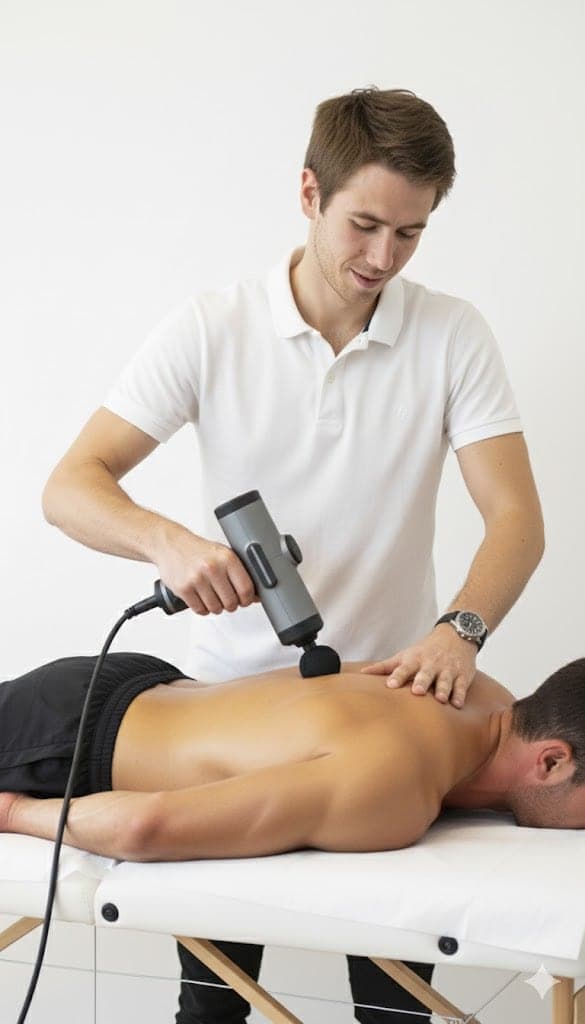
My mobile treatment service eliminates the inconvenience and additional stress of traveling to traditional clinical settings, particularly important for clients recovering from festival-related dysfunction. I travel directly to your location with my professional treatment bench and all specialized equipment necessary for optimal therapeutic intervention. This approach provides several critical advantages: treatment occurs in your familiar environment where you can rest immediately following sessions, travel stress does not interfere with the recovery process, and scheduling flexibility accommodates your specific needs rather than clinic availability constraints. My mobile setup includes advanced mechanical deep-tissue equipment, professional-grade treatment surfaces, and all assessment tools necessary for comprehensive evaluation and treatment. The convenience factor enhances treatment effectiveness because clients can immediately implement recovery protocols in their own environment without the additional stress of transportation following intensive therapeutic intervention. This service model represents the evolution of healthcare delivery toward client-centered approaches that optimize both treatment outcomes and overall experience quality.
What should I expect during my first treatment session for festival-related dysfunction?
Your initial treatment session begins with comprehensive biomechanical assessment utilizing advanced evaluation techniques developed through my specialized training and decade of clinical experience. I document your specific festival attendance history, identify dysfunction patterns created by particular activities, and measure baseline function through objective testing methods. The assessment reveals tissue restrictions, compensatory patterns, and functional limitations that may not be apparent through conventional examination approaches. Treatment planning involves explaining the scientific rationale behind your specific dysfunction pattern and outlining the systematic intervention strategy necessary for complete resolution. The actual treatment utilizes my specialized mechanical equipment to deliver precise therapeutic pressure at the exact tissue depths where your restrictions exist. I maintain complete control over treatment intensity, adjusting parameters to achieve optimal tissue response while ensuring your comfort throughout the session. Following treatment, I provide specific recovery protocols and performance optimization strategies tailored to your individual needs and goals. This comprehensive approach ensures optimal treatment outcomes while educating you about the physiological processes involved in definitive dysfunction resolution.
Written by
Chris
Massage therapist & body mechanics specialist
Norwegian-certified with a Bachelor’s in Physical Education and Nutrition and over ten years of clinical practice, working from a portable table in clients’ homes across the Paphos district.
This article is general information from clinical practice, not a medical diagnosis. If you have severe, worsening or unexplained pain, numbness, weakness, or pain after an accident, see a doctor first.