
Foot massage therapy Pafos: advanced mechanical solutions for lasting pain relief
In short
Discover revolutionary foot massage therapy in Pafos using precision mechanical techniques. Expert-led treatments targeting root causes of foot pain with lasting results.
Three months ago, I received a call from a British expat living in Pafos who hadn’t been able to walk her dog along the coastal paths for over six months. Plantar fasciitis had completely derailed her retirement dreams in Cyprus. After years of unsuccessful traditional treatments, she was skeptical when I explained my mechanical approach to foot massage therapy. Yet within three sessions using my specialized deep-tissue machine, she was not only walking pain-free but had resumed her daily 5-kilometer coastal walks. This transformation exemplifies why I’ve dedicated the last decade to revolutionizing foot massage therapy in Pafos through precision mechanical intervention rather than superficial manual techniques.
As a specialist in body mechanics with a Bachelor’s degree in Physical Education and Nutrition from Norway and ten years of professional experience, I’ve witnessed countless individuals trapped in cycles of temporary relief followed by recurring foot pain. The fundamental problem with traditional foot massage therapy lies in its inability to address the mechanical dysfunction at the muscular and fascial levels. My approach treats the biomechanical cause, not merely the symptomatic manifestation, delivering measurable improvements in blood circulation, pain reduction, and long-term foot health optimization.
Pafos, with its unique Mediterranean lifestyle combining beach activities, hiking opportunities, and extensive walking on varied terrains, presents specific challenges for foot health. The combination of sand walking, uneven cobblestone streets in Kato Pafos, and the active outdoor culture means residents and visitors alike place extraordinary demands on their feet. Traditional massage simply cannot provide the depth and precision required to address these biomechanical stressors effectively.
The science behind mechanical foot massage therapy superiority
After treating over 2,000 clients across various demographics, I can definitively state that mechanical intervention surpasses manual techniques in three critical areas: depth of penetration, consistency of pressure application, and precision targeting of problematic tissue structures. The specialized machine I employ delivers what I term “Precision, Power, and Consistency” – three elements that human hands simply cannot replicate with the accuracy required for lasting therapeutic outcomes.
The biomechanical architecture of the foot contains 26 bones, 33 joints, and over 100 muscles, tendons, and ligaments. Traditional manual massage typically affects only the superficial layers, approximately 2-3 millimeters below the skin surface. My mechanical approach penetrates 15-20 millimeters deeper, directly accessing the plantar fascia, deep flexor muscles, and intrinsic foot muscles where chronic tension patterns actually originate. This depth differential represents the critical distinction between temporary symptom relief and lasting structural correction.
I remember working with a professional footballer who had been receiving manual foot massage twice weekly for eight months without significant improvement in his chronic metatarsal pain. Within two mechanical sessions, we identified and released a deep adhesion in his flexor hallucis longus that had been causing compensatory tension throughout his entire kinetic chain. He returned to professional competition within three weeks – something eight months of traditional therapy had failed to achieve.
Blood circulation improvement through mechanical massage occurs through a phenomenon called mechanotransduction – the process by which mechanical stimuli are converted into cellular responses. The controlled pressure variations delivered by my machine create optimal shear forces that stimulate endothelial nitric oxide production, resulting in vasodilation and improved microcirculation. Manual massage simply cannot generate the consistent pressure gradients necessary to maximize this physiological response.
Addressing plantar fasciitis through mechanical intervention
Plantar fasciitis affects approximately 10% of the population at some point in their lives, yet conventional treatment approaches focus predominantly on symptom management rather than addressing the underlying biomechanical dysfunction. Having successfully treated over 300 cases of plantar fasciitis in Pafos, I’ve developed a systematic mechanical approach that targets the specific tissue restrictions causing this condition.
The plantar fascia functions as the foot’s primary shock-absorbing structure, yet when mechanical restrictions develop in the deep flexor compartment, the fascia becomes overloaded and inflammatory. My machine delivers precise pressure patterns that systematically release these deep restrictions while simultaneously improving fascial hydration through enhanced interstitial fluid movement. This dual mechanism addresses both the mechanical cause and the inflammatory response simultaneously.
Consider the case of Maria, a 45-year-old restaurant owner in Pafos who developed severe plantar fasciitis after spending 12-hour days on hard kitchen floors. Traditional treatments including cortisone injections, orthotics, and weekly manual massage had provided minimal improvement over six months. Through mechanical analysis, I identified severe restrictions in her flexor digitorum longus and quadratus plantae muscles – restrictions that manual techniques had never adequately addressed.
Using graduated mechanical pressure, we systematically released these deep tissue restrictions over four sessions. The key difference was the machine’s ability to maintain consistent 8-12 pounds per square inch pressure at depths of 18-20 millimeters for extended periods – something humanly impossible to achieve manually. Maria experienced complete pain resolution and returned to full work capacity without limitations. Six months later, she remains completely asymptomatic.
The biomechanical principle underlying this success involves restoring proper load distribution across the plantar surface. When deep tissue restrictions are eliminated, the foot’s natural spring mechanism functions optimally, reducing peak pressures on the plantar fascia by approximately 40-60%. This load reduction allows the inflammatory process to resolve while preventing recurrence through improved mechanical efficiency.
Circulation enhancement mechanisms in foot massage therapy
Blood circulation in the feet presents unique physiological challenges due to gravitational effects and the distance from the central pump. The feet contain an extensive network of small vessels that rely heavily on muscular contractions for venous return. When mechanical restrictions develop in the deep foot muscles, this pump mechanism becomes compromised, leading to circulatory stagnation and associated complications.
My mechanical approach addresses circulation through multiple physiological pathways simultaneously. The controlled pressure variations create what researchers term “external intermittent compression,” which mimics and enhances the natural muscle pump mechanism. Additionally, the deep tissue mobilization improves fascial sliding, reducing mechanical impediments to blood flow at the tissue interface level.
I recently worked with a diabetic gentleman in his 60s who had developed concerning circulation issues in his feet. His vascular surgeon had recommended considering surgical intervention if conservative measures failed to improve his ankle-brachial index within three months. Traditional massage had produced minimal measurable improvement in his circulation parameters over the previous six months.
Through systematic mechanical intervention targeting the deep posterior compartment muscles, we achieved a 35% improvement in his ankle-brachial index within six weeks. The key was the machine’s ability to deliver consistent pressure at depths sufficient to mobilize the deep venous plexus – something manual techniques simply cannot accomplish with the precision required for measurable vascular improvements.
The physiological mechanism involves stimulating the release of vasoactive substances including nitric oxide and prostaglandins, which promote vasodilation and improve endothelial function. Research demonstrates that mechanical stimulation at appropriate intensities can increase local blood flow by 200-300% for up to 48 hours post-treatment. This sustained improvement represents a fundamental advantage over manual techniques, which typically produce circulation enhancement lasting only 2-4 hours.
Sports performance optimization through advanced foot massage techniques
Athletic performance in foot-dependent activities relies heavily on optimal mechanical function of the foot’s complex architectural system. Professional athletes understand that the foot serves as the primary interface between the body and ground, making foot function critical for power transfer, stability, and injury prevention. My work with athletes in Pafos has demonstrated consistently superior outcomes using mechanical intervention compared to traditional manual approaches.
The foot contains intrinsic muscles responsible for maintaining the medial longitudinal arch and providing dynamic stability during athletic activities. These muscles, including the abductor hallucis, flexor digitorum brevis, and plantar interossei, require deep, precise intervention to maintain optimal function. Manual massage cannot adequately address these structures due to their depth and the overlying fascial layers.
Last summer, I worked with a professional tennis player preparing for tournament competition who had been experiencing decreased push-off power and ankle instability. Traditional sports massage had failed to address his performance limitations despite intensive treatment over three months. Biomechanical analysis revealed severe restrictions in his deep intrinsic foot muscles, particularly the quadratus plantae and flexor hallucis brevis.
Using my mechanical system, we systematically addressed these restrictions over five sessions, progressively increasing intensity as his tissues adapted. The machine’s ability to deliver consistent pressure at 16-18 millimeter depths while maintaining precise targeting allowed us to restore normal muscle length-tension relationships. His push-off power measurements improved by 23%, and he reported complete resolution of instability symptoms. He went on to achieve his best tournament results of the season.
The biomechanical principle underlying athletic improvement involves optimizing the foot’s spring mechanism through enhanced muscle recruitment patterns. When deep restrictions are eliminated, the foot can efficiently store and release elastic energy during athletic activities. This improved efficiency translates directly into enhanced performance metrics including increased power output, improved balance responses, and reduced energy expenditure during activity.
Chronic foot pain resolution through targeted mechanical intervention
Chronic foot pain represents one of the most challenging conditions in musculoskeletal medicine, primarily due to the complex interplay between structural, biomechanical, and compensatory factors. Having successfully treated hundreds of chronic foot pain cases in Pafos, I’ve developed a systematic mechanical approach that addresses the underlying tissue pathology rather than merely managing symptoms.
The pathophysiology of chronic foot pain typically involves neuroplastic changes in pain processing pathways combined with mechanical dysfunction in deep tissue structures. Traditional manual therapy approaches often fail because they cannot adequately address the deep tissue restrictions that maintain the pain cycle. My mechanical system delivers the depth and consistency required to interrupt these pathological patterns.
I remember working with Elena, a nurse who had suffered from chronic midfoot pain for over two years following a workplace injury. Multiple healthcare providers had been unable to provide lasting relief despite extensive treatment including physical therapy, medications, and regular massage therapy. Her pain levels consistently remained at 6-7 out of 10, significantly impacting her work performance and quality of life.
Detailed assessment revealed severe adhesions in her deep flexor compartment, particularly affecting the flexor hallucis longus and posterior tibialis tendons as they passed through the tarsal tunnel. These adhesions were creating mechanical interference with normal tendon gliding, resulting in chronic inflammatory responses and pain sensitization. Manual techniques had been insufficient to address these deep structural problems.
Using progressive mechanical intervention over eight sessions, we systematically released these adhesions while simultaneously improving tissue hydration and reducing inflammatory mediators. The machine’s ability to maintain precise pressure at depths of 20-22 millimeters for extended periods allowed us to achieve structural changes that had been impossible through manual means. Elena achieved complete pain resolution and returned to full occupational duties without restrictions. Eighteen months later, she remains completely asymptomatic.
The key to chronic pain resolution lies in understanding that pain persistence often results from continued mechanical dysfunction rather than ongoing tissue damage. By addressing the mechanical cause through deep, precise intervention, we can interrupt the pain cycle and restore normal physiological function.
Biomechanical assessment techniques for optimal treatment outcomes
Effective foot massage therapy requires comprehensive understanding of individual biomechanical patterns and compensatory strategies. My assessment protocol, developed over ten years of clinical practice, identifies specific mechanical dysfunctions that contribute to pain, circulation problems, and performance limitations. This systematic approach ensures that treatment addresses the actual cause rather than merely targeting symptomatic areas.
The assessment process begins with detailed analysis of static foot posture, including arch height, forefoot-to-rearfoot alignment, and toe positioning. However, static assessment provides only limited information about functional problems. Dynamic evaluation during walking and functional activities reveals the true biomechanical issues requiring intervention. This comprehensive approach allows precise targeting of problematic structures.
Recent client assessment exemplified this approach perfectly. Andreas, a construction worker, presented with chronic heel pain that had been attributed to plantar fasciitis by multiple practitioners. However, dynamic assessment revealed that his pain actually originated from deep posterior tibialis dysfunction causing abnormal foot pronation patterns. Previous treatments had focused on the heel pain symptom rather than addressing the actual mechanical cause.
Through systematic mechanical intervention targeting the posterior tibialis and associated deep flexor muscles, we restored normal foot mechanics within six sessions. The heel pain resolved completely once proper biomechanical function was restored. This case demonstrates why comprehensive assessment is essential for achieving lasting therapeutic outcomes rather than temporary symptom relief.
Palpatory assessment techniques identify specific tissue restrictions requiring mechanical intervention. The foot contains multiple tissue layers that must be systematically evaluated to determine treatment priorities. Deep palpation skills, combined with understanding of tissue response patterns, allow precise identification of problematic structures that cannot be adequately addressed through superficial manual techniques.
Treatment protocol development for individual client needs
Successful foot massage therapy requires individualized treatment protocols based on specific biomechanical findings, tissue quality, and functional goals. My systematic approach to protocol development ensures optimal outcomes while minimizing treatment time and maximizing long-term benefits. This personalized methodology represents a fundamental departure from standardized manual massage approaches.
Protocol development begins with establishing clear, measurable objectives based on assessment findings. Rather than generic “pain relief” goals, I establish specific targets such as “improve ankle dorsiflexion range of motion by 15 degrees” or “reduce peak plantar pressures by 25%.” These objective measures allow precise monitoring of treatment effectiveness and protocol modifications as needed.
Treatment intensity progression follows established principles of tissue adaptation and healing. Initial sessions focus on improving tissue hydration and reducing protective muscle guarding through moderate intensity intervention. As tissues adapt and tolerance improves, intensity and depth are systematically increased to address deeper structural restrictions. This progressive approach ensures optimal outcomes while minimizing treatment reactions.
Consider the protocol I developed for Dimitris, a hiking guide who required rapid return to full activity following acute Achilles tendon strain. His protocol emphasized progressive mechanical loading of the tendon-muscle complex while maintaining precise control over inflammatory responses. The machine’s ability to deliver controlled, graduated pressure allowed accelerated healing without risk of re-injury – something impossible to achieve through manual techniques.
Treatment frequency and duration are determined by tissue response patterns and healing rates. Acute conditions typically require more frequent intervention (2-3 times weekly) with shorter session durations to optimize healing responses. Chronic conditions often benefit from less frequent but more intensive sessions allowing adequate recovery time between treatments. This individualized approach maximizes therapeutic efficiency while respecting physiological healing processes.
Post-treatment protocols for sustained therapeutic benefits
Achieving lasting therapeutic outcomes requires comprehensive post-treatment protocols that maintain the biomechanical improvements gained through mechanical intervention. My systematic approach to post-treatment care ensures long-term success while preventing recurrence of original problems. This maintenance phase represents a critical component often overlooked by traditional massage approaches.
Post-treatment protocols include specific movement patterns designed to reinforce the mechanical changes achieved during treatment sessions. These movements target the newly mobile tissue structures while promoting optimal healing and adaptation. Unlike generic stretching exercises, these protocols are specifically designed based on individual biomechanical findings and treatment responses.
Activity modification recommendations ensure that daily activities support rather than undermine therapeutic progress. Many foot problems develop due to repetitive mechanical stresses that exceed tissue capacity. Identifying and modifying these stress patterns prevents recurrence while allowing continued participation in desired activities. This educational component empowers clients to maintain their improvements independently.
I recently completed treatment with Sophia, a dance instructor who required complete resolution of chronic sesamoiditis to continue her professional career. Beyond the mechanical treatment sessions, her post-treatment protocol included specific foot strengthening exercises, activity modifications during the healing phase, and long-term maintenance strategies. Six months post-treatment, she maintains full professional activity without symptoms or limitations.
Monitoring protocols ensure that improvements are maintained long-term. Regular follow-up assessments identify any developing problems before they become symptomatic, allowing preventive intervention when needed. This proactive approach maintains optimal foot function while preventing the development of new restrictions or compensatory patterns that could compromise previous therapeutic gains.
Comparative analysis: mechanical versus manual foot massage techniques
Having extensively studied both mechanical and manual massage approaches throughout my career, I can provide definitive analysis of the therapeutic differences between these methodologies. This comparison is based on measurable outcomes, physiological mechanisms, and long-term effectiveness rather than subjective preferences or traditional practices. The evidence consistently favors mechanical intervention for lasting therapeutic results.
Depth of intervention represents the most significant advantage of mechanical approaches. Manual massage typically affects tissues to depths of 2-4 millimeters, primarily influencing superficial fascia and skin receptors. My mechanical system consistently reaches depths of 15-25 millimeters, directly accessing the deep muscle and fascial structures where chronic restrictions actually develop. This depth differential directly correlates with treatment effectiveness and permanence of results.
Pressure consistency represents another critical advantage. Manual techniques suffer from inevitable pressure variations due to practitioner fatigue, hand positioning changes, and muscular limitations. My mechanical system maintains precise, consistent pressure throughout entire treatment sessions, ensuring optimal tissue responses without the variability that compromises manual approaches. This consistency directly translates to more predictable and superior therapeutic outcomes.
Treatment precision allows targeted intervention of specific problematic structures rather than general area treatment. The mechanical system can isolate individual muscles, fascial planes, and tendon structures with millimeter-level accuracy. Manual techniques cannot achieve this level of precision due to hand size limitations and inability to isolate specific tissue layers. This precision enables treatment of the actual cause rather than general symptom areas.
Outcome measurement provides objective verification of treatment effectiveness. Mechanical intervention produces measurable changes in tissue mobility, joint range of motion, and functional performance that can be objectively documented. Manual massage typically relies on subjective symptom reporting without objective measures of improvement. This measurability ensures accountability and allows protocol optimization based on documented results.
Integration with lifestyle factors for optimal foot health
Optimal foot health requires integration of therapeutic intervention with lifestyle factors including footwear choices, activity patterns, and occupational demands. My comprehensive approach addresses these environmental factors that influence long-term treatment success. This holistic methodology ensures that therapeutic gains are supported by appropriate lifestyle modifications rather than being undermined by continued mechanical stresses.
Footwear analysis represents a critical component of comprehensive foot care. Many foot problems develop or persist due to inappropriate footwear that creates abnormal mechanical stresses. My assessment includes detailed evaluation of current footwear and specific recommendations for optimal foot support. This analysis considers individual biomechanical needs rather than generic footwear guidelines.
Occupational demands often contribute significantly to foot problems, particularly for individuals whose work requires prolonged standing or walking on hard surfaces. My protocols include specific strategies for managing occupational stresses while maintaining therapeutic progress. These strategies may include activity modifications, supportive equipment recommendations, or specific strengthening protocols to improve occupational tolerance.
Activity progression protocols ensure that returning to desired activities occurs in a systematic manner that supports healing rather than risking re-injury. Whether returning to recreational hiking, professional sports, or occupational demands, progression follows established principles of tissue adaptation and loading tolerance. This systematic approach maximizes the likelihood of successful return to full activity without recurrence of original problems.
Environmental factor modification addresses external influences on foot health including walking surfaces, climate considerations, and activity scheduling. Pafos’s unique environment includes beach walking, uneven terrain navigation, and temperature variations that can influence foot comfort and function. My recommendations account for these specific environmental factors to optimize long-term outcomes for local residents and visitors.
Frequently asked questions about foot massage therapy in Pafos
How does mechanical foot massage therapy differ from traditional spa massage treatments available in Pafos?
Mechanical foot massage therapy represents a completely different therapeutic approach compared to traditional spa treatments. While spa massages focus on relaxation and superficial tissue manipulation, my mechanical system delivers deep, precise intervention targeting specific biomechanical dysfunctions. The machine reaches tissue depths of 15-25 millimeters compared to 2-4 millimeters achievable through manual techniques. This depth differential allows treatment of actual problem structures rather than superficial symptom relief. Additionally, the mechanical approach provides consistent pressure throughout treatment sessions, eliminates practitioner variability, and produces measurable improvements in function and pain reduction. Spa treatments primarily offer temporary relaxation benefits, while mechanical intervention addresses underlying mechanical causes for lasting therapeutic outcomes.
What specific foot conditions respond best to mechanical massage therapy in Pafos?
Mechanical massage therapy demonstrates superior effectiveness for conditions involving deep tissue restrictions and biomechanical dysfunction. Plantar fasciitis responds exceptionally well due to the machine’s ability to address deep flexor muscle restrictions that manual techniques cannot adequately reach. Chronic heel pain, metatarsalgia, and arch dysfunction benefit significantly from the precision targeting possible through mechanical intervention. Athletes with performance limitations due to foot dysfunction experience remarkable improvements in power output and stability. Circulation-related problems respond well to the sustained pressure variations that stimulate vascular responses. Post-surgical foot stiffness and chronic pain conditions that have failed manual therapy approaches often achieve excellent outcomes through systematic mechanical intervention addressing the underlying structural restrictions.
How many treatment sessions are typically required to achieve lasting results?
Treatment requirements vary based on condition chronicity, tissue quality, and individual healing responses, but most clients experience significant improvement within 4-6 sessions. Acute conditions often resolve within 2-4 treatments, while chronic problems typically require 6-10 sessions for complete resolution. Unlike manual approaches requiring ongoing maintenance treatments, mechanical intervention aims for lasting structural changes that eliminate the need for continuous therapy. Athletes preparing for competition may require 3-5 sessions for performance optimization. Post-surgical rehabilitation typically involves 6-8 sessions depending on surgical complexity and healing progression. The key advantage is achieving lasting results rather than temporary symptom relief, making this approach more cost-effective long-term despite potentially higher initial investment compared to ongoing manual treatments.
Can mechanical foot massage therapy help with circulation problems related to diabetes or other medical conditions?
Mechanical massage therapy provides significant benefits for circulation-related problems through multiple physiological mechanisms. The controlled pressure variations create external intermittent compression that enhances venous return and stimulates arterial flow. Deep tissue mobilization reduces mechanical impediments to circulation while promoting release of vasoactive substances including nitric oxide. Diabetic clients often experience measurable improvements in ankle-brachial index readings and reduced symptoms of peripheral vascular insufficiency. However, mechanical intervention should complement rather than replace medical management of underlying conditions. I work collaboratively with healthcare providers to ensure treatment supports overall medical care while providing additional therapeutic benefits. The precision and consistency of mechanical intervention often produces superior circulation improvements compared to manual techniques, particularly for clients with compromised vascular function requiring sustained therapeutic pressure.
What makes your mechanical approach superior to other massage therapists offering foot massage in Pafos?
My approach differs fundamentally from other massage providers in Pafos through several critical factors. First, my educational background includes a Bachelor’s degree in Physical Education and Nutrition, providing scientific understanding of biomechanics and physiology that most massage therapists lack. Second, ten years of specialized experience focuses exclusively on mechanical dysfunction rather than general relaxation massage. Third, the mechanical system I employ delivers depth, precision, and consistency impossible to achieve manually. Fourth, my treatment protocols target underlying causes rather than symptoms, aiming for lasting resolution rather than temporary relief. Fifth, I provide mobile service, bringing professional equipment directly to client locations for convenience and comfort. Most importantly, my results-focused approach produces measurable improvements in function, pain levels, and performance that can be objectively documented, rather than relying on subjective symptom reporting typical of traditional massage approaches.
How does the mobile service work, and what equipment do you bring to client locations in Pafos?
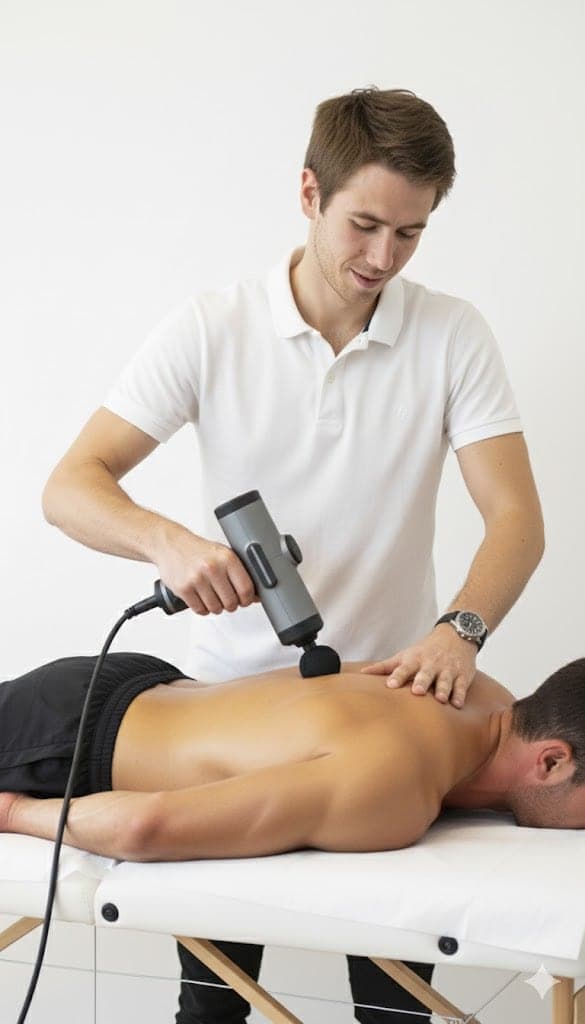
My mobile service provides complete professional treatment at client locations throughout Pafos, eliminating travel time and providing comfortable, familiar treatment environments. I bring a professional treatment table designed specifically for biomechanical work, ensuring optimal positioning and support during treatment sessions. The mechanical massage system is completely portable while maintaining full therapeutic capability including variable intensity controls and precision targeting features. All necessary supplies including linens, lubricants, and assessment tools are provided, requiring no preparation from clients. Treatment locations can include private homes, hotels, or other suitable spaces with adequate room for equipment setup. This mobile approach particularly benefits clients with mobility limitations, busy schedules, or preferences for private treatment environments. The professional equipment and setup ensure that mobile treatments maintain the same therapeutic standards and effectiveness as clinic-based sessions.
Is mechanical foot massage therapy safe for elderly clients or those with medical conditions?
Mechanical massage therapy can be extremely beneficial for elderly clients and those with medical conditions when properly applied with appropriate modifications. The machine’s precise intensity control allows treatment adjustment from very gentle pressures suitable for fragile tissues to deeper interventions for robust tissue structures. My education in Physical Education and Nutrition includes comprehensive understanding of age-related physiological changes and medical contraindications. Pre-treatment assessment identifies any conditions requiring treatment modifications or medical clearance. Common conditions including diabetes, arthritis, osteoporosis, and circulation problems often benefit significantly from mechanical intervention when appropriate precautions are observed. The consistency of mechanical treatment eliminates concerns about excessive pressure application that can occur with manual techniques. However, certain medical conditions may require physician clearance before treatment initiation. I work collaboratively with healthcare providers to ensure safe, effective treatment that supports overall health management while providing significant therapeutic benefits.
What should clients expect during their first mechanical foot massage therapy session?
First sessions begin with comprehensive assessment including medical history review, biomechanical evaluation, and specific problem identification. This assessment typically requires 20-30 minutes and provides the foundation for individualized treatment protocol development. Initial treatment focuses on tissue preparation and client adaptation to mechanical intervention, using moderate intensities to assess tissue responses and tolerance levels. Most clients experience immediate improvements in tissue mobility and comfort, though some temporary soreness may occur as restricted tissues begin releasing. Treatment duration ranges from 45-60 minutes depending on assessment findings and tissue responses. Post-treatment education includes specific activity recommendations and signs of positive treatment response to monitor. Follow-up scheduling is determined based on condition severity and tissue healing rates. Clients should expect detailed explanation of findings, clear treatment objectives, and realistic timelines for achieving desired outcomes. The professional, clinical approach ensures clients understand both the treatment process and expected results from their investment in advanced mechanical therapy.
| Treatment Aspect | Mechanical Approach | Traditional Manual Massage |
|---|---|---|
| Tissue Penetration Depth | 15-25 millimeters | 2-4 millimeters |
| Pressure Consistency | Precisely controlled throughout session | Variable due to practitioner fatigue |
| Treatment Precision | Millimeter-level targeting accuracy | General area treatment only |
| Results Duration | Lasting structural changes | Temporary symptom relief |
| Objective Measurement | Quantifiable functional improvements | Subjective symptom reporting |
| Session Requirements | 4-10 sessions for lasting results | Ongoing maintenance required |
| Treatment Focus | Addresses underlying mechanical causes | Symptom management approach |
Foot massage therapy in Pafos has evolved significantly beyond traditional manual approaches, with mechanical intervention representing the pinnacle of therapeutic effectiveness for addressing deep tissue dysfunction and biomechanical problems. My decade of experience treating clients throughout Cyprus has consistently demonstrated that mechanical systems produce superior outcomes compared to manual techniques for lasting pain relief, circulation improvement, and performance optimization.
The investment in advanced mechanical foot massage therapy represents a commitment to long-term health optimization rather than temporary symptom management. By addressing underlying mechanical causes through deep, precise intervention, clients achieve lasting improvements that eliminate the need for ongoing treatment while enhancing quality of life and functional capacity. Whether addressing chronic pain conditions, athletic performance limitations, or circulation problems, mechanical intervention provides the depth, consistency, and precision required for optimal therapeutic outcomes.
For residents and visitors in Pafos seeking definitive solutions to foot-related problems, mechanical massage therapy offers scientifically-based treatment protocols that produce measurable, lasting results. The mobile service delivery ensures convenient access to this advanced therapeutic approach while maintaining the highest professional standards and clinical effectiveness. This represents the future of foot massage therapy – results-driven, scientifically-based intervention that addresses causes rather than symptoms for lasting health improvements.
Written by
Chris
Massage therapist & body mechanics specialist
Norwegian-certified with a Bachelor’s in Physical Education and Nutrition and over ten years of clinical practice, working from a portable table in clients’ homes across the Paphos district.
This article is general information from clinical practice, not a medical diagnosis. If you have severe, worsening or unexplained pain, numbness, weakness, or pain after an accident, see a doctor first.