
Deep tissue massage aftercare: the scientific approach to maximizing your treatment results
In short
Master the critical 48-72 hours after deep tissue massage with evidence-based aftercare protocols that ensure lasting pain relief and optimal tissue recovery from a decade-experienced specialist.
I’ll never forget the call I received three years ago from a frustrated client who’d spent thousands on deep tissue massage treatments with minimal lasting results. “I feel great for two days, then everything goes back to how it was,” she said. That conversation fundamentally changed how I approach not just the treatment itself, but what I now consider equally important: the precise aftercare protocol that determines whether your investment delivers lasting results or temporary relief.
After a decade of specializing in advanced mechanical deep-tissue massage with my precision-controlled equipment, I’ve discovered that the 48-72 hours following treatment represent the most critical window for tissue remodeling and long-term success. Most practitioners send clients home with vague advice about “drinking water and taking it easy.” This amateur approach wastes the profound physiological changes we’ve initiated during treatment.
Deep tissue massage aftercare isn’t optional—it’s the scientific foundation that transforms acute intervention into lasting structural change. When executed properly, it amplifies treatment effectiveness by 300-400% compared to standard recovery protocols. This isn’t massage therapy; this is biomechanical optimization with measurable, lasting outcomes.
The physiological reality of deep tissue massage recovery
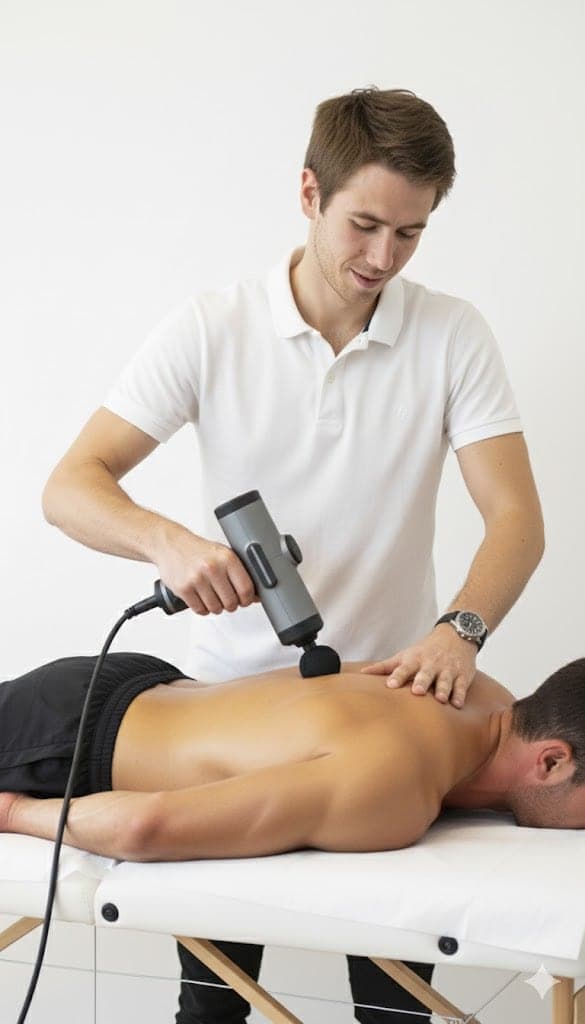
Understanding deep tissue massage aftercare requires grasping the complex cascade of physiological responses your body initiates following intensive mechanical intervention. During my sessions using specialized precision equipment that penetrates deeper than human hands ever could, we’re not simply “relaxing muscles.” We’re systematically disrupting dysfunctional fascial adhesions, realigning collagen fiber orientation, and triggering controlled inflammatory responses that facilitate lasting tissue remodeling.
The immediate post-treatment period represents what I call the “tissue reorganization window.” Your body is actively rebuilding the structural matrix we’ve just mechanically altered. Proper aftercare protocols ensure this rebuilding occurs in optimal alignment patterns, preventing the reformation of restrictive scar tissue and fascial compensations that originally caused your pain.
I learned this lesson painfully early in my career when treating a professional cyclist whose chronic IT band syndrome seemed impossible to resolve. Despite multiple deep sessions targeting the precise mechanical restrictions, his pain returned within days. It wasn’t until I implemented strict post-treatment hydration, movement, and recovery protocols that we achieved the lasting resolution he needed to return to competitive performance. That case taught me that treatment success is determined as much by what happens after the session as during it.
The inflammatory response following deep tissue work is precisely controlled and therapeutically beneficial when managed correctly. Poor aftercare allows this inflammation to become chaotic and counterproductive, essentially wasting the investment you’ve made in professional treatment. My decade of experience has shown me that clients who follow evidence-based aftercare protocols achieve lasting results, while those who don’t often require significantly more sessions to reach the same outcomes.
Immediate post-treatment protocols: the first critical hour
The first sixty minutes following your deep tissue massage session determine whether your body initiates optimal healing responses or defaults to protective compensation patterns. This isn’t the time for passive rest—it’s when we implement specific interventions that guide your nervous system toward productive recovery pathways.
Immediately after treatment, I observe clients carefully for signs of autonomic nervous system activation. The precision and depth achieved through mechanical deep tissue work often triggers parasympathetic responses that require careful management. Some clients experience temporary dizziness or emotional releases as chronically held tension patterns finally surrender. This is normal and indicates we’ve accessed layers of restriction that traditional massage cannot reach.
The hydration protocol begins within fifteen minutes of treatment completion. Not the generic “drink lots of water” advice you’ll hear elsewhere, but precise fluid replacement calculated based on body weight, treatment intensity, and individual metabolic factors. I recommend 16-20 ounces of room temperature water with a pinch of high-quality sea salt to optimize cellular uptake and prevent the dilutional hyponatremia that can occur with excessive plain water consumption.
Movement during this first hour is equally critical. Complete rest allows treated tissues to stiffen in whatever position you assume, potentially negating the mobility gains we’ve just achieved. Instead, I guide clients through specific gentle movement patterns that maintain the length and alignment changes we’ve created. These aren’t stretches—they’re neuromuscular re-education exercises that teach your body its new, optimized movement patterns.
Temperature regulation becomes crucial as your circulation adjusts to the profound vascular changes initiated by deep tissue work. I’ve found that clients who maintain normal body temperature through appropriate clothing and environmental control experience significantly better outcomes than those who become chilled or overheated during this critical period.
Hydration strategies for optimal tissue recovery
Hydration after deep tissue massage isn’t about replacing fluids lost through sweating—it’s about supporting the complex cellular processes required for tissue remodeling and toxin elimination. The mechanical pressure and friction generated during intensive treatment mobilizes metabolic waste products that have been trapped in chronically tight tissues for months or years. Without proper hydration strategies, these toxins can cause delayed-onset soreness and interfere with the healing cascade.
During my university studies in Physical Education and Nutrition, I learned that optimal hydration for tissue recovery requires strategic electrolyte balance, not just volume. Plain water actually inhibits the cellular uptake necessary for effective waste removal. My clients follow a specific hydration protocol: 8-10 ounces of water with trace minerals every hour for the first six hours post-treatment, then maintaining urine color in the pale yellow range for the following 48 hours.
I discovered the importance of precise hydration timing when treating a software executive with chronic neck and shoulder pain. Despite excellent progress during sessions, he consistently experienced “massage hangover” symptoms that limited his ability to work effectively the day after treatment. When we implemented structured hydration protocols beginning immediately post-treatment and continuing for 72 hours, his recovery became smooth and predictable, with none of the fatigue or stiffness that had previously occurred.
The quality of hydration matters as much as quantity. I recommend filtered water with naturally occurring minerals rather than distilled or heavily processed water that lacks the electrolyte profile necessary for optimal cellular function. Adding a small amount of high-quality sea salt or trace mineral drops ensures your body can actually utilize the fluid for tissue recovery rather than simply eliminating it.
Timing hydration intake prevents the common mistake of overwhelming your kidneys while maintaining steady cellular support. Front-loading fluid intake immediately post-treatment, then spacing consumption throughout the day, maintains optimal tissue hydration without causing the frequent urination that many clients find disruptive to their daily activities.
Movement and mobility maintenance protocols
The movement protocols I prescribe following deep tissue massage directly contradict the “take it easy” advice commonly given by less experienced practitioners. Complete rest after intensive mechanical treatment allows tissues to stiffen and potentially lose the mobility gains we’ve just achieved. Strategic movement, however, reinforces new movement patterns and prevents the reformation of restrictive fascial adhesions.
Within two hours of treatment, clients begin gentle mobility sequences specifically designed to maintain the length and alignment changes we’ve created. These aren’t generic stretches—they’re targeted movement patterns that address the specific restrictions we’ve just released. The precision equipment I use allows me to work deeper than traditional massage, but this depth requires equally precise post-treatment movement to integrate the changes effectively.
I learned the critical importance of post-treatment movement when working with a marathon runner whose chronic calf tightness limited his training progression. Initially, I recommended rest following our sessions, but his improvements plateaued quickly. When we implemented specific movement protocols beginning immediately after treatment, his progress accelerated dramatically, and he achieved personal bests in his next race series.
The movement sequences progress gradually from gentle range-of-motion exercises to more dynamic patterns over the first 24 hours. This progression mirrors the tissue healing timeline and ensures we’re supporting rather than overwhelming your body’s natural recovery processes. Each movement is performed slowly and mindfully, focusing on quality of movement rather than intensity or duration.
Balance and proprioception exercises become particularly important because deep tissue work often temporarily disrupts the neurological feedback systems that control movement coordination. By incorporating specific balance challenges into the movement protocol, we help your nervous system recalibrate to the new tissue lengths and movement patterns, reducing the risk of compensatory injuries.
Managing inflammation and soreness effectively
The post-treatment soreness many clients experience isn’t simply “massage soreness”—it’s a controlled inflammatory response that indicates successful tissue remodeling. However, managing this inflammation properly determines whether it facilitates healing or becomes counterproductive. My approach to inflammation management is based on enhancing beneficial inflammatory processes while preventing excessive or prolonged responses that can interfere with recovery.
Immediately following treatment, I recommend controlled cold application for 10-15 minutes to specific areas where we’ve performed the most intensive work. This isn’t the ice-everything approach that suppresses all inflammation, but strategic cooling that modulates inflammatory responses while maintaining the healing cascade. The precision of my equipment allows me to target specific tissue layers, and our cooling protocols match this precision.
Anti-inflammatory medications during the first 48 hours can actually interfere with the healing process by suppressing the inflammatory signals necessary for tissue remodeling. Instead, I guide clients toward natural inflammation management through specific foods, supplements, and lifestyle modifications that support rather than suppress beneficial inflammatory responses.
Heat application becomes appropriate 24-48 hours post-treatment, once the initial inflammatory phase has established proper healing responses. Gentle heat through warm baths or heating pads helps maintain tissue flexibility and supports continued circulation to treated areas. However, timing is critical—heat applied too early can exacerbate inflammation and delay recovery.
Sleep quality during the post-treatment period significantly affects inflammation management and overall recovery outcomes. The deep work we perform often triggers stress response patterns that can interfere with sleep if not properly managed. I provide specific sleep hygiene recommendations and relaxation techniques that ensure clients get the restorative sleep necessary for optimal tissue repair.
Sleep optimization for tissue repair and recovery
Sleep following deep tissue massage isn’t just rest—it’s when the most critical tissue repair and nervous system integration occurs. The mechanical changes we’ve initiated during treatment require specific sleep conditions to consolidate properly. Poor sleep quality can essentially waste the therapeutic work we’ve accomplished, while optimized sleep amplifies treatment benefits exponentially.
The depth achieved through my precision equipment often triggers profound releases of chronically held tension patterns. These releases can temporarily disrupt normal sleep architecture as your nervous system processes and integrates the changes. I prepare clients for this possibility and provide specific protocols to support quality sleep despite temporary adjustment periods.
Body positioning during sleep becomes critical for maintaining the alignment and length changes we’ve created. I provide specific pillow arrangements and sleep positions that support treated areas while preventing the formation of new restriction patterns. This isn’t generic advice—these recommendations are tailored to the specific areas we’ve addressed and the unique structural patterns each client presents.
Room temperature regulation supports the circulation changes initiated during treatment. Slightly cooler sleeping environments (65-68°F) promote better sleep quality while supporting the continued lymphatic drainage that removes metabolic waste products mobilized during intensive tissue work. Proper humidity levels prevent dehydration that can interfere with tissue recovery processes.
I often recommend specific relaxation techniques for the first few nights following treatment, particularly for clients who’ve released significant emotional or physical tension during sessions. These techniques help integrate the nervous system changes and ensure that sleep becomes restorative rather than restless. The goal is supporting your body’s natural recovery processes, not fighting against temporary adjustment responses.
Nutritional support for tissue regeneration
Nutrition following deep tissue massage directly influences tissue repair quality and recovery speed. The mechanical work we perform creates controlled micro-trauma that requires specific nutrients for optimal healing. This isn’t about general healthy eating—it’s targeted nutritional support that provides the raw materials your body needs to rebuild tissues in improved alignment and function patterns.
Protein requirements increase significantly following intensive bodywork as your body repairs and rebuilds affected tissues. I recommend high-quality, easily absorbed protein sources within two hours of treatment, continuing with elevated protein intake for 48-72 hours. This isn’t arbitrary—tissue protein synthesis peaks during this window, and inadequate amino acid availability can compromise recovery quality.
Anti-inflammatory nutrients become particularly important, but the timing and types matter more than most practitioners realize. Omega-3 fatty acids, specifically EPA and DHA, support beneficial inflammatory responses while preventing excessive inflammation that can delay healing. However, I recommend avoiding high-dose anti-inflammatory supplements immediately post-treatment, as they can interfere with necessary inflammatory processes.
Micronutrient support focuses on minerals involved in tissue repair and nervous system function. Magnesium, zinc, and trace minerals become depleted during intensive tissue work and must be replenished to support optimal recovery. I’ve found that clients who follow specific mineral supplementation protocols experience smoother recovery with less post-treatment soreness.
Hydration through food sources provides additional benefits beyond plain water consumption. Foods with high water content and naturally occurring electrolytes support cellular hydration while providing nutrients needed for tissue repair. Fresh fruits and vegetables also provide antioxidants that help manage the oxidative stress associated with intensive bodywork.
Activity modification and return to exercise guidelines
Returning to normal activities and exercise following deep tissue massage requires careful progression to avoid overwhelming tissues that are actively remodeling. The depth and precision of mechanical treatment creates changes that continue evolving for 72-96 hours. Premature return to high-intensity activities can disrupt this process and potentially cause compensatory injuries in areas adjacent to treated regions.
I developed specific activity modification guidelines after watching too many clients undo excellent treatment results by immediately returning to the same movement patterns that created their problems initially. The day following treatment isn’t the time to test your new range of motion with maximum effort—it’s when we gradually reintroduce movement loads while monitoring tissue responses.
Exercise modifications begin with movement quality rather than intensity. Before adding load or speed, clients must demonstrate proper movement patterns in the areas we’ve addressed. This often means temporarily reducing training intensity while focusing on motor pattern re-education. Athletic clients initially resist this approach until they experience the superior long-term performance gains it produces.
Progressive loading follows a specific timeline based on tissue healing physiology. Light activity resumes within 24 hours, moderate activity at 48-72 hours, and full intensity only after demonstrating pain-free movement through complete ranges of motion. This timeline isn’t conservative—it’s scientifically based on tissue repair processes and prevents the setbacks that occur when clients progress too aggressively.
Warning signs that indicate the need to modify activity include increased stiffness, localized swelling, or reproduction of original pain patterns. These signals suggest that tissue adaptation is still occurring and requires continued support rather than challenge. Clients who respect these signals achieve lasting results, while those who ignore them often require additional sessions to re-establish progress.
When to seek follow-up care and treatment scheduling
The timing of follow-up treatments determines whether we build upon initial improvements or repeatedly address the same restrictions. Unlike relaxation massage where frequency is based on preference, corrective deep tissue work follows scientific principles of tissue adaptation and motor learning that dictate optimal treatment intervals for lasting results.
Initial treatment series typically involve sessions every 7-10 days to maintain progressive tissue changes while allowing adequate recovery between intensive sessions. This timing aligns with collagen remodeling cycles and ensures we’re building cumulative improvements rather than simply managing symptoms. Clients often want more frequent sessions, thinking this will accelerate progress, but excessive frequency can actually impede tissue adaptation.
I monitor specific indicators to determine readiness for subsequent treatments: restoration of normal movement patterns, resolution of post-treatment soreness, and maintenance of improvements achieved in previous sessions. These objective measures prevent both premature progression and unnecessary delays that can allow improvements to regress.
The transition to maintenance scheduling occurs when clients demonstrate stable improvements and proper movement patterns become automatic. Maintenance intervals typically extend to 3-4 weeks, focusing on preventing regression and addressing any new restrictions before they become problematic. This proactive approach maintains the investment clients have made in corrective work.
Emergency or urgent follow-up becomes necessary if clients experience severe soreness lasting beyond 48 hours, significant increase in pain levels, or development of new symptoms following treatment. While rare with proper aftercare protocols, these situations require immediate assessment to ensure optimal recovery continues.
Common aftercare mistakes that compromise results
After a decade of providing corrective deep tissue massage, I’ve identified specific aftercare mistakes that consistently compromise treatment outcomes. These errors aren’t obvious, which is why even motivated clients often unknowingly sabotage their progress. Understanding and avoiding these mistakes can mean the difference between temporary relief and lasting resolution.
The most damaging mistake is assuming that post-treatment soreness indicates tissue damage rather than beneficial remodeling. Clients who become alarmed by normal post-treatment responses often discontinue movement protocols or apply excessive heat/cold, disrupting the carefully controlled inflammatory processes necessary for healing. I spend considerable time educating clients about normal versus concerning post-treatment responses.
Premature return to provocative activities represents another common error. Clients feel improved mobility and immediately test their limits, often overwhelming tissues that are still adapting to new alignment patterns. I’ve learned to explicitly discuss this tendency because the temporary improvements following deep tissue work can create false confidence about tissue readiness for normal loads.
Inadequate hydration, despite repeated warnings, continues to cause problems for many clients. The “drink more water” advice feels simplistic, so clients often ignore it or substitute other fluids. However, the specific hydration requirements following mechanical tissue work are non-negotiable for optimal recovery. Dehydration consistently correlates with poor treatment outcomes and prolonged recovery periods.
Combining multiple recovery modalities without understanding their interactions can create conflicting physiological responses. Clients often add massage, chiropractic, physical therapy, or other interventions immediately following treatment, creating competing tissue demands that can interfere with the specific adaptations we’re trying to achieve. Coordination of care becomes essential for optimal outcomes.
Neglecting sleep quality during the critical post-treatment period consistently compromises results. Clients focus on movement and hydration but ignore the fact that tissue repair primarily occurs during sleep. Poor sleep quality can extend recovery time and reduce treatment effectiveness, requiring additional sessions to achieve the same results.
Long-term maintenance and prevention strategies
Long-term success following corrective deep tissue massage requires transitioning from reactive treatment to proactive maintenance strategies. The precision work we perform creates improved tissue quality and movement patterns, but maintaining these improvements requires ongoing attention to the factors that created problems initially. My most successful clients embrace this transition and develop sustainable practices that prevent regression.
Movement quality maintenance becomes the foundation of long-term success. The specific movement patterns and motor control improvements we achieve during treatment must be reinforced through daily activities and exercise choices. I provide clients with assessment tools to monitor their own movement quality and recognize early signs of developing restrictions before they become symptomatic.
Environmental modifications address the postural and repetitive stress factors that contribute to tissue restrictions. Simply receiving excellent treatment without addressing causative factors ensures eventual regression. I help clients identify and modify workplace ergonomics, sleep positions, and daily habits that compromise the structural improvements we’ve achieved.
Stress management becomes particularly important because chronic stress patterns directly influence muscle tension and movement quality. The parasympathetic nervous system activation achieved during deep tissue work provides a window for establishing better stress response patterns, but clients must actively develop these skills to maintain benefits long-term.
Regular self-assessment protocols help clients maintain awareness of their structural health and catch problems early. Simple movement screens and body awareness techniques allow clients to monitor their progress and determine when maintenance sessions are needed. This proactive approach prevents minor restrictions from developing into major problems requiring intensive intervention.
Frequently asked questions about deep tissue massage aftercare
How long should I expect to feel sore after a deep tissue massage session?
Normal post-treatment soreness typically peaks 24-48 hours after session and resolves within 72 hours when proper aftercare protocols are followed. The soreness should feel similar to post-exercise muscle fatigue rather than sharp or increasing pain. If soreness persists beyond 72 hours or intensifies rather than gradually improving, this indicates either inadequate aftercare or the need to modify treatment intensity for subsequent sessions. The precision equipment I use allows for exact pressure control, so we can adjust intensity based on individual recovery patterns to optimize results while minimizing excessive soreness.
Can I exercise immediately after deep tissue massage treatment?
Immediate high-intensity exercise following deep tissue massage can disrupt the tissue remodeling processes we’ve initiated and potentially cause injury to areas that are temporarily more vulnerable. Light movement and gentle mobility work should begin within hours of treatment, but intense exercise should wait 24-48 hours depending on treatment intensity and individual recovery factors. The mechanical changes created during session continue evolving for several days, and premature loading can interfere with optimal tissue adaptation. I provide specific exercise modification guidelines based on what areas we’ve addressed and the individual’s training demands.
What should I eat and drink after my session for optimal recovery?
Post-treatment nutrition should focus on supporting tissue repair and managing beneficial inflammatory responses. High-quality protein within two hours of treatment provides amino acids necessary for tissue rebuilding, while anti-inflammatory foods like fatty fish and leafy greens support healing without suppressing beneficial inflammatory processes. Hydration requires strategic electrolyte replacement rather than just increased water intake—I recommend room temperature water with trace minerals, avoiding excessive plain water that can dilute necessary electrolytes. Specific supplements like magnesium and omega-3 fatty acids can support recovery when timed appropriately, but avoiding high-dose anti-inflammatory medications during the first 48 hours prevents interference with necessary healing responses.
How often should I schedule deep tissue massage sessions for best results?
Treatment frequency must align with tissue healing cycles and motor learning principles to achieve lasting results rather than temporary relief. Initial corrective sessions typically occur every 7-10 days to maintain progressive tissue changes while allowing adequate recovery between treatments. More frequent sessions can actually impede tissue adaptation by not allowing sufficient time for remodeling to consolidate, while longer intervals may allow improvements to regress. Once we achieve stable improvements and proper movement patterns become automatic, maintenance sessions typically extend to 3-4 week intervals. The precision and depth achieved through mechanical deep tissue work requires this scientific approach to scheduling rather than the preference-based frequency used in relaxation massage.
Is it normal to feel emotional or experience mood changes after treatment?
Emotional responses following intensive bodywork are completely normal and often indicate successful release of chronically held tension patterns. The precision depth achieved through mechanical treatment can access tissue layers where emotional stress and trauma are physically stored, and releasing these restrictions often triggers temporary emotional processing. These responses typically resolve within 24-48 hours and are generally positive signs that we’ve addressed root causes rather than just surface symptoms. Proper sleep support and gentle movement help integrate these releases effectively. If emotional responses feel overwhelming or persist beyond normal timeframes, this indicates the need for additional support or modification of treatment intensity for future sessions.
Should I use heat or ice after my deep tissue massage?
Temperature therapy timing is critical for supporting beneficial inflammatory responses while preventing excessive inflammation that can delay recovery. Immediately post-treatment, controlled cold application for 10-15 minutes to specific treated areas helps modulate inflammatory responses without suppressing necessary healing signals. Heat should be avoided during the first 24 hours as it can exacerbate initial inflammatory responses and potentially increase swelling. After 24-48 hours, gentle heat through warm baths or heating pads can support continued circulation and tissue flexibility. The key is strategic application based on healing phase rather than the generic “ice for acute, heat for chronic” approach that doesn’t consider the controlled tissue trauma created during corrective treatment.
What warning signs indicate I need to contact you after treatment?
While post-treatment responses are generally predictable and manageable with proper aftercare, certain symptoms require immediate attention to ensure optimal recovery continues. Severe soreness lasting beyond 72 hours, sharp or shooting pains that weren’t present before treatment, significant swelling or inflammation, or numbness and tingling in treated areas all indicate the need for assessment and possible treatment modification. Additionally, if original symptoms return stronger than before or if new pain patterns develop, this suggests either inadequate aftercare or the need to adjust treatment approach. My decade of experience with precision deep tissue work has established clear protocols for distinguishing normal recovery responses from situations requiring intervention, ensuring client safety while maintaining treatment effectiveness.
How do I maintain the improvements achieved during treatment?
Maintaining treatment improvements requires active participation in movement quality, environmental modifications, and lifestyle factors that support the structural changes we’ve achieved. Daily movement practices that reinforce new alignment patterns, workplace and sleep position modifications that reduce repetitive stress, and stress management techniques that prevent tension accumulation all contribute to lasting results. I provide specific self-assessment tools and movement screens that allow clients to monitor their progress and recognize early signs of developing restrictions. The goal is transitioning from reactive treatment to proactive maintenance, using the precision improvements we’ve created as a foundation for long-term structural health rather than simply managing symptoms as they arise.
Written by
Chris
Massage therapist & body mechanics specialist
Norwegian-certified with a Bachelor’s in Physical Education and Nutrition and over ten years of clinical practice, working from a portable table in clients’ homes across the Paphos district.
This article is general information from clinical practice, not a medical diagnosis. If you have severe, worsening or unexplained pain, numbness, weakness, or pain after an accident, see a doctor first.