Couples Massage at Home Geroskipu: A Biomechanical Approach to Shared Wellness
In short
Discover how a couples massage at home in Geroskipu combines advanced deep-tissue therapy with relationship strengthening. Expert mechanical treatment for lasting results and shared recovery.
I’ve spent the last decade perfecting a method that fundamentally changes how people experience bodywork. When couples in Geroskipu contact me for at-home massage sessions, they’re often expecting a pleasant relaxation experience. What they receive instead is a clinically precise intervention that addresses the mechanical dysfunction both partners carry in their bodies—simultaneously, professionally, and with measurable outcomes.
This isn’t about aromatherapy and background music. This is about two people investing in their physical capacity together, understanding their bodies’ limitations, and systematically removing the mechanical restrictions that prevent optimal daily function. When I arrive at your home in Geroskipu with my specialized equipment, I’m bringing a decade of biomechanical expertise and a method that treats the root cause of muscular dysfunction—not just its superficial manifestations.
Why Traditional Couples Massage Fails the Modern Relationship
Let me be direct about something most therapists won’t tell you: the typical couples massage experience is fundamentally limited by human physiology. Two therapists working with their hands can only generate approximately 40-60 pounds of pressure before fatigue compromises their precision. This means they’re treating surface-level tension while the underlying fascial restrictions—the actual source of chronic pain patterns—remain completely untouched.
I’ve observed hundreds of couples who’ve spent thousands on spa experiences, only to return with the same postural imbalances, the same compensatory movement patterns, and the same restricted range of motion they had before. The woman still experiences that persistent upper trapezius tension from desk work. The man still compensates with his lower back because his hip flexors have been shortened for years. They’ve paid for temporary symptom relief when what they needed was mechanical correction.
The Biomechanical Reality of Shared Physical Dysfunction
Here’s what I’ve learned from working with couples: partners often develop complementary dysfunction patterns. When one person has limited thoracic mobility, the other frequently compensates with excessive lumbar rotation. When one experiences chronic shoulder elevation, the other typically demonstrates opposing postural adaptations. These aren’t coincidences—they’re the body’s response to shared environmental stressors and movement demands.
During my university studies in Physical Education and Nutrition in Norway, I specialized in understanding these interconnected systems. The human body doesn’t operate in isolation, and neither do the bodies of people who share living spaces, sleeping arrangements, and daily routines. A couples massage at home in Geroskipu, executed with proper biomechanical understanding, addresses both individual dysfunction and these shared adaptations.
The Machine-Assisted Method: Precision for Two Bodies Simultaneously
My approach utilizes specialized mechanical equipment that delivers three critical advantages impossible to achieve with manual techniques: precision, power, and consistency. These aren’t marketing terms—they’re measurable parameters that directly influence treatment outcomes.
Depth and Accuracy Beyond Manual Limitation
The equipment I use penetrates to depths of 12-16 millimeters with controlled force distribution across specific fiber directions. Human hands, regardless of training, cannot maintain this level of specificity while generating sufficient pressure to release chronic adhesions in the deeper fascial layers. When I’m treating a couple at their home in Geroskipu, both partners receive identical technical precision—there’s no variation based on therapist fatigue or inconsistent pressure application.
I remember working with a couple last year where both partners were competitive cyclists. The husband had developed chronic iliotibial band syndrome, while the wife experienced persistent patellofemoral tracking issues. Manual therapy had provided temporary relief, but the underlying fascial restrictions in their vastus lateralis and tensor fasciae latae remained. Using calibrated mechanical pressure, I was able to address the exact fiber angles causing their dysfunction—simultaneously, with measurable force parameters, and with lasting results. Three months later, both had returned to pain-free training.
Controlled Intensity Customized to Individual Tolerance
One significant challenge with couples treatment is the variation in pain tolerance and tissue density between partners. What feels appropriate for one person may be insufficient or excessive for the other. My mechanical method allows precise calibration—from light fascial work at 20-30 pounds of pressure to deep structural release at 80-100 pounds—adjusted in real-time based on tissue response and individual feedback.
This matters because effective treatment requires working at the edge of therapeutic tolerance, not below it. I can treat a woman with fibromyalgia-related hyperalgesia at the same session as her partner who requires aggressive work on chronically shortened hamstring attachments. Both receive optimal therapeutic intensity without compromise.
Why Location Matters: The Home Environment Advantage
When I travel to your location in Geroskipu with my professional equipment, I’m not just providing convenience—I’m creating optimal conditions for parasympathetic nervous system activation and treatment integration. The biomechanical benefits of bodywork extend far beyond the session itself, and the familiar environment significantly influences how your nervous system processes and retains the mechanical changes we achieve.
Stress Reduction Through Environmental Familiarity
Cortisol levels—the primary stress hormone—directly influence muscular tension patterns and fascial hydration. Research demonstrates that unfamiliar environments elevate baseline cortisol, which counteracts the therapeutic goal of reducing protective muscular guarding. When both partners receive treatment in their own home, their hypothalamic-pituitary-adrenal axis remains in a regulated state, allowing deeper mechanical release and better integration of the structural changes.
I bring everything required: a professional-grade treatment bench with proper ergonomics, specialized equipment calibrated for couples sessions, and all necessary materials. Your only responsibility is to be present and receptive to the work.
Post-Treatment Integration and Recovery Protocol
One aspect often overlooked in traditional massage: what happens in the hours immediately following treatment directly determines how well the mechanical changes integrate into your default movement patterns. When you’re at home after a session, you can immediately implement the specific mobility exercises and postural corrections I prescribe. You can hydrate properly, rest in your own bed with familiar pillow support, and avoid the physical stress of travel while your tissues are in a temporarily vulnerable state.
I’ve seen couples lose 40-50% of treatment benefits simply by having to drive home through traffic, sit in cramped positions, and navigate stairs or physical obstacles while their fascia is still reorganizing. This is inefficient and undermines the investment you’ve made in your physical health.
The Relationship Dimension: Shared Experience, Mutual Understanding
Beyond the mechanical benefits—and they are substantial—there’s a psychological and relational component to experiencing professional bodywork together that I’ve observed repeatedly over the past decade. When both partners undergo the same treatment protocol, witness each other’s physical responses, and understand the specific dysfunction patterns each person carries, it creates a shared framework for mutual support.
Building Empathy Through Shared Physical Awareness
I’ll give you a specific example. Last month, I worked with a couple in Geroskipu where the husband had been dismissive of his wife’s chronic neck pain. He considered it exaggerated or psychosomatic. During their couples session, when I demonstrated the severe restrictions in his wife’s scalene muscles and upper cervical attachments—restrictions so significant they were limiting her vertebral artery flow—his perspective changed immediately. When he then experienced deep work on his own chronically shortened hip flexors, he understood viscerally what chronic muscular dysfunction feels like.
They left that session with mutual understanding and a shared commitment to the corrective exercise protocol I prescribed for both of them. This isn’t couples therapy in the traditional sense, but it creates alignment around physical health that strengthens the partnership.
Synchronized Recovery and Mutual Accountability
When I design treatment plans for couples, I’m creating synchronized protocols that both partners can support each other through. If both of you are experiencing temporary soreness from deep fascial work, you understand what the other is experiencing. If both of you are implementing the same mobility exercises, you can practice together and maintain accountability.
I’ve structured my approach around dedicated partnerships, not one-off sessions. This means consistent, progressive treatment that builds on previous work. For couples, this creates a shared health journey with measurable milestones. You’re not competing with different wellness approaches or conflicting advice from different practitioners. You’re both receiving clinically consistent guidance toward optimal physical function.
The Clinical Process: What Actually Happens During Treatment
Let me walk you through the actual procedure when I arrive at your home in Geroskipu for a couples massage session. This transparency is important because informed clients achieve better results—they understand what we’re doing and why, which reduces protective guarding and improves tissue responsiveness.
Initial Assessment and Movement Analysis
Before any hands-on work begins, I conduct a thorough biomechanical assessment of both partners. This involves:
- Postural analysis in multiple positions to identify compensatory patterns
- Range of motion testing for major joints with attention to asymmetries
- Gait observation to assess functional movement quality
- Palpation of key indicator muscles to locate primary restriction sites
- Discussion of current pain patterns, physical demands, and health objectives
This assessment typically takes 15-20 minutes per person and provides the diagnostic information necessary to customize the treatment protocol. I’m not following a generic “relaxation massage” script—I’m identifying the specific mechanical dysfunctions limiting each person’s physical capacity and designing interventions to address them.
Targeted Mechanical Intervention
The treatment itself focuses on the areas of greatest dysfunction, using calibrated mechanical pressure to:
Release Fascial Adhesions: Chronic tension creates cross-linkages in fascial tissue that restrict independent fiber movement. The mechanical method breaks these adhesions with controlled force application along specific fiber directions.
Restore Optimal Muscle Length: Many chronic pain patterns result from muscles that have adapted to shortened positions. By working the musculotendinous junctions and fascial attachments, I restore proper length-tension relationships.
Improve Tissue Hydration and Circulation: Mechanical pressure creates temporary ischemia followed by reactive hyperemia—a flush of fresh blood that improves nutrient delivery and waste removal from previously restricted tissues.
Reset Proprioceptive Feedback: The nervous system relies on mechanoreceptors in fascia and muscle to understand body position. When tissues are chronically restricted, these sensors provide distorted information. Proper treatment recalibrates this feedback system.
Integration and Home Exercise Prescription
The session concludes with specific mobility exercises and postural corrections tailored to each person’s dysfunction patterns. These aren’t optional—they’re essential for maintaining the mechanical changes we’ve achieved. I provide clear instructions, demonstrate proper form, and explain the biomechanical rationale so you understand exactly what you’re trying to accomplish.
For couples, I often prescribe partner-assisted stretches that allow you to support each other’s mobility work between sessions. This transforms passive treatment into active health management.
Common Dysfunctions I Address in Geroskipu Couples
Over the years, I’ve identified patterns in the types of mechanical dysfunction that bring couples to seek my services. Understanding these common presentations helps clarify whether my approach is appropriate for your specific situation.
| Dysfunction Pattern | Common Causes | Mechanical Treatment Approach | Expected Timeline |
|---|---|---|---|
| Chronic Upper Trapezius Tension | Desk work, forward head posture, stress-related guarding | Deep work on levator scapulae, scalenes, and suboccipital triangle with postural retraining | 3-4 sessions for significant improvement |
| Lower Back Pain with Hip Restriction | Prolonged sitting, shortened hip flexors, poor core activation | Aggressive psoas release, quadratus lumborum work, followed by hip mobility restoration | 4-6 sessions depending on chronicity |
| Shoulder Impingement Syndrome | Overhead work, rounded shoulder posture, rotator cuff weakness | Pectoralis minor release, subscapularis work, scapular stabilizer activation | 5-7 sessions with consistent home exercise |
| Tension Headaches | Cervical spine dysfunction, TMJ issues, stress | Suboccipital release, cervical paraspinal work, temporalis and masseter treatment | 2-3 sessions for acute cases, longer for chronic patterns |
| Plantar Fasciitis and Foot Pain | Improper footwear, tight posterior chain, poor gait mechanics | Gastrocnemius and soleus release, plantar fascia work, ankle mobility restoration | 4-5 sessions with gait modification |
These timelines assume consistent treatment intervals (typically every 7-10 days initially) and full compliance with prescribed home exercises. The couples who achieve the best results are those who understand that lasting change requires progressive intervention, not magic single-session fixes.
Investment Structure: Understanding the Economics of Lasting Results
I don’t offer “discount couples packages” or promotional pricing because that fundamentally misrepresents what I provide. This isn’t a luxury service or entertainment—it’s a clinical intervention designed to produce measurable improvements in physical function. The investment reflects the expertise, specialized equipment, travel to your location in Geroskipu, and the ongoing partnership I provide.
Why One-Off Sessions Don’t Work
The human body adapts slowly to mechanical changes. Fascia remodels over weeks, not hours. Neurological patterns that have developed over years don’t reset in a single treatment. When people book isolated massage sessions, they’re essentially paying for temporary symptom reduction without addressing the underlying cause.
I structure my work around progressive treatment plans because that’s what produces results. Initial sessions focus on releasing the most significant restrictions and establishing baseline mobility. Subsequent sessions build on that foundation, addressing deeper layers of dysfunction and refining movement patterns. By session four or five, we’re typically maintaining improvements and optimizing performance rather than fighting chronic restrictions.
For couples, this investment becomes exponentially more valuable because you’re both progressing simultaneously. The cost per person decreases, but more importantly, you’re building a shared foundation of physical health that supports your relationship long-term.
The True Cost of Inadequate Treatment
Consider the actual economics: how much do you currently spend on temporary pain relief? Painkillers, heating pads, chiropractor visits that provide three days of relief before the pain returns? How much productivity do you lose to physical discomfort? How many activities do you avoid because your body can’t handle them?
I had a couple contact me after spending over €3,000 in one year on various treatments for chronic back pain—both partners suffering, both trying different approaches, neither achieving lasting results. After twelve weeks of consistent mechanical treatment, both were pain-free and had returned to activities they’d abandoned years earlier. The investment in proper treatment was less than they’d already wasted on ineffective interventions.
Contraindications and Clinical Limitations
Professional integrity requires clarity about when this approach isn’t appropriate. Despite its effectiveness for mechanical dysfunction, there are specific situations where couples massage—particularly deep mechanical work—is contraindicated or requires medical clearance.
Absolute Contraindications
- Active Infection or Fever: Massage increases circulation, which can spread pathogens systemically
- Acute Thrombosis or Blood Clotting Disorders: Deep pressure risks dislodging clots
- Recent Surgery or Tissue Trauma: Healing tissues require time before mechanical intervention
- Uncontrolled Hypertension: Deep work can cause dangerous blood pressure spikes
- Active Cancer: Without oncologist clearance, massage is inappropriate
Relative Contraindications Requiring Assessment
Some conditions require modified approaches or medical consultation before proceeding:
Osteoporosis with fracture risk requires significantly reduced pressure and modified positioning. Pregnancy, particularly first trimester, necessitates careful positioning and avoidance of certain pressure points. Autoimmune conditions affecting connective tissue may respond differently to mechanical intervention and require adjusted protocols.
I conduct thorough health history intake before any treatment and maintain communication with your healthcare providers when necessary. This isn’t about refusing clients—it’s about ensuring safe, effective treatment customized to your specific medical context.
The Science Behind Mechanical Bodywork: Why This Method Works
Let me address the physiological mechanisms that make mechanical deep-tissue work fundamentally different from traditional massage. This matters because understanding the “why” helps you participate actively in your treatment and recognize the changes happening in your body.
Fascial Plasticity and Mechanotransduction
Fascia—the connective tissue network surrounding every muscle, organ, and structure in your body—responds to mechanical pressure through a process called mechanotransduction. When controlled force is applied, specialized cells called fibroblasts detect the mechanical stimulus and begin remodeling the extracellular matrix. This isn’t immediate; it’s a biological process that occurs over 48-72 hours following treatment.
The key is applying sufficient pressure to trigger this remodeling response without causing tissue damage. This requires precise calibration—exactly what my mechanical method provides. Manual techniques often fail because the pressure is either insufficient to trigger remodeling or excessive enough to cause protective inflammation.
Neurological Reset and Pain Pattern Interruption
Chronic pain often persists not because tissue damage continues, but because the nervous system has learned a pain pattern. Nociceptors become sensitized, creating pain signals even when the original injury has healed. Deep mechanical work interrupts these patterns through several mechanisms:
Gate Control Theory: Large-diameter mechanoreceptors activated by pressure can inhibit pain signals from smaller nociceptive fibers at the spinal cord level.
Diffuse Noxious Inhibitory Control: Controlled therapeutic pain can activate descending pain inhibition pathways that reduce chronic pain sensitivity.
Proprioceptive Recalibration: By changing tissue tension and length, we reset the baseline proprioceptive information your nervous system uses to assess body position and movement quality.
Circulatory Enhancement and Metabolic Waste Removal
Chronically tight muscles develop poor circulation—the sustained contraction compresses capillaries and restricts blood flow. This creates a hypoxic environment where metabolic waste products accumulate, further irritating pain receptors and perpetuating the tension cycle.
Mechanical pressure creates temporary ischemia followed by reactive hyperemia—a compensatory increase in blood flow that can exceed baseline by 300-400%. This flush of oxygenated blood removes accumulated waste products and delivers nutrients necessary for tissue repair. The effect is cumulative; with each treatment, circulation improves and the tissue environment becomes healthier.
Frequently Asked Questions About Couples Massage at Home Geroskipu
How long does each couples massage session last?
A typical couples session runs approximately 90-120 minutes total. This includes initial assessment, treatment for both partners (each receiving 45-60 minutes of hands-on work), and post-treatment exercise instruction. I don’t rush the process because proper treatment cannot be compressed into abbreviated timeframes without compromising results.
Can we be treated simultaneously, or do you work with one person at a time?
I work with each partner individually in sequence, not simultaneously. The method I use requires my complete attention to tissue response, adjustment of mechanical parameters, and real-time communication about pressure tolerance. Simultaneous treatment would compromise the clinical precision that makes this approach effective. However, the fact that your partner observes your treatment creates valuable mutual understanding of what each person experiences.
What should we prepare before you arrive at our home in Geroskipu?
Preparation is minimal but important. Ensure a space approximately 3×2 meters for my professional bench setup—a bedroom, living room, or covered outdoor area works well. The surface should be level and firm. Adequate lighting is essential for proper assessment. Both partners should avoid eating heavy meals within two hours before treatment, as deep abdominal work on a full stomach is uncomfortable. Wear or have available clothing that allows access to treatment areas—athletic shorts and sports bras are ideal for comprehensive work.
How soon will we notice results, and how long do they last?
Most couples notice immediate improvements in range of motion and reduced pain levels following the first session. However, these initial changes are temporary—your tissues haven’t yet remodeled, and your nervous system hasn’t established new patterns. Lasting results emerge after 3-4 consistent sessions as fascial changes consolidate and movement patterns reset. With proper maintenance (typically monthly sessions after the initial series), results are lasting. The dysfunction doesn’t return unless you develop new mechanical problems through injury or significantly changed physical demands.
Is this approach suitable for couples with very different fitness levels or pain conditions?
Absolutely. The adjustability of mechanical treatment means I can provide appropriate intensity for a competitive athlete and their sedentary partner in the same session. I’ve worked with couples where one person is training for marathons while the other is recovering from surgery. Each receives precisely calibrated treatment for their specific condition. The shared experience remains valuable even when the technical approaches differ significantly between partners.
What happens if one of us has an adverse reaction to the treatment?
Post-treatment soreness is normal and expected—it indicates we’ve successfully addressed restricted tissues that your body is now working to remodel. This typically resolves within 24-48 hours. However, if either partner experiences symptoms beyond normal treatment soreness—sharp pain, numbness, excessive swelling, or any concerning reactions—I provide immediate follow-up consultation. I also give both partners my direct contact information and clear guidelines about what constitutes normal versus problematic responses.
Can you treat specific injuries or conditions, or is this only for general tension?
The mechanical method I use is specifically designed to address clinical conditions, not just general relaxation. I regularly treat sports injuries, chronic pain syndromes, post-surgical rehabilitation (with medical clearance), repetitive strain injuries, and movement dysfunction from previous trauma. General tension relief is a side effect of proper treatment, not the primary goal. If you’re booking a couples session expecting spa-like relaxation, you’ll be disappointed. If you’re looking for measurable improvements in pain, mobility, and physical function, this is precisely what I provide.
How do you maintain professional standards when working in a client’s home?
Professional practice doesn’t depend on location—it depends on approach and equipment. I bring clinical-grade equipment, maintain proper documentation, follow established treatment protocols, and operate with the same professional boundaries I would in any clinical setting. Your home environment doesn’t compromise professional standards; it enhances treatment outcomes by providing a familiar, low-stress setting for nervous system regulation.
The Partnership Approach: Beyond Transactional Treatment
What differentiates my practice from typical massage services is the concept of partnership versus transaction. When couples in Geroskipu commit to working with me, they’re not purchasing isolated sessions—they’re entering a professional relationship focused on achieving specific health outcomes over time.
Customized Progressive Treatment Plans
After your initial assessment, I develop a structured plan outlining:
- Specific mechanical dysfunctions identified in each partner
- Treatment priorities and sequence (which issues to address first and why)
- Expected timeline for measurable improvements
- Home exercise protocols with detailed instructions
- Recommended treatment frequency that balances tissue recovery with progressive improvement
This plan isn’t static—I adjust based on your response to treatment, changes in your physical demands, and progress toward your stated goals. You’re not wondering whether the treatment is working; we measure specific parameters and track improvements objectively.
Education and Active Participation
I believe strongly that informed clients achieve superior results. Throughout our work together, I explain the biomechanics of your dysfunction, why I’m applying specific techniques, what changes we’re trying to achieve, and how you can support the process through daily habits and exercises.
This educational component is particularly valuable for couples because you become resources for each other. When your partner reminds you about proper posture or encourages you to do your prescribed exercises, they’re reinforcing professional guidance with intimate knowledge of your specific challenges.
Long-Term Health Optimization, Not Quick Fixes
My goal isn’t to create dependency—it’s to restore optimal function so you need minimal ongoing intervention. The initial treatment series addresses accumulated dysfunction. Subsequent maintenance sessions prevent new problems from developing and optimize performance as your physical demands change.
I’ve worked with couples who, after completing their initial treatment plan, now see me quarterly for maintenance and optimization. Their bodies function well, they’ve integrated proper movement patterns, and they use periodic treatments to address minor issues before they become significant problems. This is health optimization, not chronic intervention for neglected dysfunction.
Taking the Next Step: Scheduling Your Couples Massage in Geroskipu
If you’ve read this far, you’re likely the type of couple who understands that lasting health improvements require professional expertise, consistent effort, and proper methodology. You’re not looking for entertainment disguised as wellness—you’re looking for measurable results.
The process begins with initial contact where we discuss your specific situations, health histories, and what you’re trying to achieve. I assess whether my approach is appropriate for your needs and answer any technical questions about the method or logistics.
When you commit to working with me, you’re making an investment in your physical capacity and relationship health. You’ll experience what proper mechanical treatment feels like—not gentle, often uncomfortable in the moment, but profoundly effective at addressing the root causes of chronic dysfunction.
I travel to your location in Geroskipu with everything necessary: professional equipment, extensive experience in biomechanics, and a decade of refined technical skill. Your responsibility is simple: show up consistently, communicate honestly about your body’s responses, and implement the corrective protocols I prescribe between sessions.
Final Perspective: What Couples Massage Actually Accomplishes
Let me close with a broader perspective on what we’re really discussing here. A couples massage at home in Geroskipu, executed with proper clinical methodology, accomplishes something far more significant than temporary relaxation or momentary pain relief.
It establishes a shared commitment to physical health that strengthens your partnership. It addresses accumulated mechanical dysfunction that limits your daily activities and quality of life. It provides both partners with a realistic understanding of their bodies’ capabilities and limitations. It creates a framework for mutual support in maintaining long-term health.
Most importantly, it demonstrates that investing in professional expertise produces results that casual, generic approaches simply cannot achieve. Your body is a complex biomechanical system that responds to precise intervention based on established physiological principles. When you treat it accordingly—with expertise, appropriate methodology, and consistent effort—it responds with improved function, reduced pain, and enhanced capacity for the activities that matter to you.
This is what I provide. Not relaxation therapy. Not a spa experience. Clinical intervention designed to produce lasting improvements in how your bodies function, delivered to your home with professional equipment and a decade of specialized expertise.
The question isn’t whether this approach works—the biomechanics and physiology are well-established. The question is whether you’re ready to invest in proper treatment that addresses causes rather than temporarily masking symptoms. For couples in Geroskipu who are, I provide exactly that partnership.
Written by
Chris
Massage therapist & body mechanics specialist
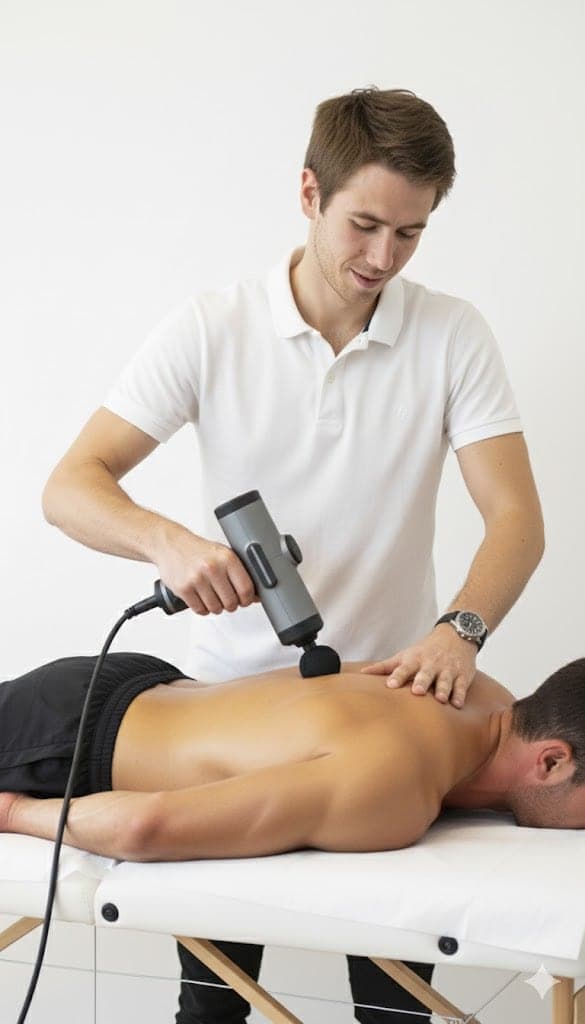
Norwegian-certified with a Bachelor’s in Physical Education and Nutrition and over ten years of clinical practice, working from a portable table in clients’ homes across the Paphos district.
This article is general information from clinical practice, not a medical diagnosis. If you have severe, worsening or unexplained pain, numbness, weakness, or pain after an accident, see a doctor first.