Benefits of controlled intensity massage: the science-backed approach to lasting pain relief
In short
Discover how controlled intensity massage delivers superior therapeutic outcomes through precision, power, and consistency – going beyond traditional massage for lasting results.
Ten years ago, I watched a professional athlete grimace through what was supposed to be a therapeutic massage session. The therapist was clearly fatigued after treating several clients that day, her technique inconsistent, her pressure varying wildly. The athlete received marginal relief at best. That moment crystallized something I’d been grappling with throughout my education in Physical Education and Nutrition – traditional massage therapy, while beneficial, is fundamentally limited by human inconsistency and physiological constraints.
This observation led me down a path that would redefine my understanding of therapeutic intervention. The benefits of controlled intensity massage extend far beyond what most people experience in conventional spa settings or even clinical environments. When you eliminate the variables that plague traditional massage – therapist fatigue, inconsistent pressure, limited penetration depth, and subjective intensity adjustments – you unlock therapeutic potential that most clients have never experienced.
After a decade of specializing exclusively in advanced mechanical deep-tissue massage, I can state unequivocally that controlled intensity massage represents a paradigm shift in how we approach musculoskeletal dysfunction. This isn’t about relaxation or temporary symptom management – it’s about precision-engineered therapeutic intervention designed to address the root causes of dysfunction and deliver measurable, lasting results.
The human body responds predictably to consistent, controlled therapeutic pressure when applied with scientific precision. What varies dramatically is our ability to deliver that precision consistently through traditional methods. This is where controlled intensity massage transcends conventional approaches, offering benefits that extend into every aspect of your daily performance and long-term musculoskeletal health.
Understanding the biomechanical superiority of controlled intensity massage
The fundamental limitation of traditional massage lies in the inherent variability of human performance. Even the most skilled therapist experiences fluctuations in strength, precision, and consistency throughout a treatment session. Their hands fatigue, their pressure varies, and their ability to maintain therapeutic depth diminishes as they work through multiple clients. I’ve witnessed this countless times during my decade in practice, and it represents a critical flaw in the traditional therapeutic model.
Controlled intensity massage eliminates these variables through mechanical precision. The specialized equipment I employ delivers consistent therapeutic pressure that penetrates deeper into muscle tissue than human hands can achieve. This isn’t merely about applying more force – it’s about delivering precisely calibrated pressure that targets specific depths within the muscle structure, addressing tension at its biomechanical origin rather than superficial manifestations.
The physiological benefits of this approach are profound. When therapeutic pressure is delivered consistently at the optimal depth and intensity, muscle fibers respond by releasing chronic tension patterns that have been established over months or years. Traditional massage often fails to reach these deep-seated tension patterns, instead providing temporary relief at superficial levels. The result is short-term symptom management rather than lasting structural change.
I’ve treated professional athletes who’ve undergone years of conventional massage therapy with minimal lasting improvement. Within three sessions using controlled intensity methods, they experience range of motion improvements that their previous treatments never achieved. This isn’t coincidence – it’s the predictable result of applying consistent, precisely controlled therapeutic pressure at the depths necessary to create lasting change.
The biomechanical principle is straightforward: chronic muscle tension exists in layers, with the deepest restrictions often being the most significant contributors to dysfunction. Superficial treatment may provide temporary comfort, but it doesn’t address the structural issues that perpetuate the problem. Controlled intensity massage penetrates these deep layers consistently, session after session, creating cumulative therapeutic effects that compound over time.
Precision targeting: addressing root causes rather than symptoms
One of the most significant benefits of controlled intensity massage is its ability to target specific dysfunction patterns with surgical precision. Traditional massage often employs broad, generalized techniques that may feel pleasant but lack the focused intensity necessary to address specific biomechanical issues. My approach involves detailed assessment of movement patterns and tension distributions, followed by precisely targeted intervention using controlled intensity methods.
Last month, I treated a software executive who had been managing chronic neck and shoulder tension through monthly traditional massages for over two years. While these sessions provided temporary relief, the underlying tension patterns remained unchanged. Her posture continued to deteriorate, and her symptoms consistently returned within days of treatment. This is the classic pattern I observe with conventional approaches – temporary symptom management without addressing causative factors.
Using controlled intensity massage, I was able to target the specific muscle groups responsible for her postural dysfunction – particularly the deep cervical extensors and rotator cuff stabilizers that traditional massage rarely addresses effectively. The machine’s ability to deliver consistent pressure at the precise depth and angle necessary to release these deep restrictions resulted in lasting postural improvements that persisted weeks after treatment.
The key difference lies in the ability to maintain therapeutic intensity throughout the entire treatment duration. Traditional massage typically begins with adequate pressure that gradually diminishes as the therapist fatigues. Controlled intensity massage delivers the same therapeutic force from the first minute to the last, ensuring that deep restrictions receive adequate treatment time and pressure to release effectively.
This precision targeting extends beyond individual muscle groups to encompass entire kinetic chains. The human body functions as an integrated system where dysfunction in one area creates compensatory patterns throughout the musculoskeletal structure. Controlled intensity massage allows for systematic addressing of these interconnected dysfunction patterns, creating comprehensive therapeutic outcomes rather than localized temporary relief.
The clinical assessment protocols I’ve developed over ten years of practice identify these patterns with remarkable accuracy. By combining movement analysis with controlled intensity treatment, I can predict and address dysfunction patterns before they manifest as symptoms. This proactive approach represents a fundamental shift from reactive symptom management to predictive performance optimization.
The physiological mechanisms behind controlled intensity benefits
The therapeutic benefits of controlled intensity massage operate through several distinct physiological mechanisms that are often incompletely activated through traditional methods. Understanding these mechanisms is crucial to appreciating why controlled intensity approaches deliver superior outcomes. My education in Physical Education and Nutrition provided the foundation for understanding these processes, but practical application over ten years has revealed their true therapeutic potential.
Mechanotransduction represents the primary mechanism through which controlled intensity massage creates lasting therapeutic change. This process involves the conversion of mechanical pressure into cellular responses that promote tissue remodeling and adaptation. Traditional massage often fails to deliver sufficient mechanical stimulus to trigger optimal mechanotransduction responses, particularly in deep muscle layers where chronic restrictions typically reside.
The controlled intensity approach delivers precisely calibrated mechanical stimuli that activate mechanotransduction pathways throughout the entire depth of the target muscle tissue. This creates a cascade of cellular responses including increased protein synthesis, enhanced collagen remodeling, and improved cellular metabolic activity. These responses occur consistently with each treatment session, creating cumulative effects that traditional massage rarely achieves.
Fascial release represents another critical mechanism that benefits significantly from controlled intensity approaches. The fascial system – the connective tissue network that surrounds and interconnects all body structures – responds optimally to sustained, consistent pressure applied at specific depths and angles. Traditional massage often lacks the precision and consistency necessary to achieve optimal fascial release, particularly in deep fascial layers.
I’ve observed remarkable fascial release responses using controlled intensity methods that I never achieved through traditional techniques. Clients report improved flexibility and reduced stiffness that persists for weeks rather than days. This reflects genuine fascial adaptation rather than temporary tissue warming effects commonly associated with conventional massage.
Neurological reset mechanisms also respond more effectively to controlled intensity stimulation. The nervous system adapts to chronic tension patterns through neuroplastic changes that maintain dysfunctional muscle activation patterns even when the original causative factors have been resolved. Breaking these neurological patterns requires consistent, precisely applied therapeutic pressure that exceeds the threshold necessary to trigger neurological adaptation.
Traditional massage often fails to reach these neurological reset thresholds due to inconsistent pressure application and insufficient penetration depth. Controlled intensity massage delivers the precise stimulation parameters necessary to trigger neurological adaptation, creating lasting changes in muscle activation patterns that persist long after treatment.
Clinical outcomes: measurable improvements in pain and function
The clinical outcomes I’ve documented over my decade of practice using controlled intensity massage methods consistently exceed those reported in traditional massage therapy literature. This isn’t subjective improvement – these are measurable changes in pain levels, range of motion, and functional capacity that can be quantified and tracked over time. The scientific approach I employ demands objective measurement of therapeutic outcomes rather than relying on subjective client reports alone.
Range of motion improvements represent one of the most consistently documented benefits of controlled intensity massage. Using standardized goniometric measurements, I routinely document 15-30 degree improvements in restricted joint ranges within the first three treatment sessions. These improvements reflect genuine tissue length changes rather than temporary mobility increases associated with tissue warming effects.
A recent case study exemplifies these outcomes perfectly. A competitive cyclist presented with chronic hip flexor restrictions that limited his pedaling efficiency and contributed to recurring lower back pain. Traditional massage therapy had provided minimal lasting improvement over six months of regular treatment. Baseline measurements revealed 20-degree hip extension limitations bilaterally.
After four controlled intensity massage sessions targeting the deep hip flexor complex, goniometric measurements revealed complete restoration of normal hip extension range of motion. More significantly, these improvements persisted at six-month follow-up assessment, demonstrating the lasting nature of the therapeutic changes achieved through controlled intensity methods.
Pain reduction outcomes follow similar patterns of sustained improvement. Using validated pain assessment scales, clients typically report 60-80% reduction in baseline pain levels within four sessions, with improvements maintained at long-term follow-up assessments. This contrasts sharply with traditional massage outcomes, which typically show temporary pain reduction that returns to baseline within days of treatment.
The key to these superior outcomes lies in addressing pain at its biomechanical source rather than merely managing symptoms. Chronic pain typically results from dysfunctional movement patterns and tissue restrictions that create ongoing mechanical stress. Controlled intensity massage effectively addresses these underlying mechanical factors, creating lasting pain relief rather than temporary symptom management.
Functional capacity improvements represent perhaps the most significant clinical outcome of controlled intensity massage. Clients consistently report enhanced performance in daily activities, reduced fatigue during physical tasks, and improved tolerance for prolonged activities that previously caused discomfort. These functional improvements reflect genuine enhancement of musculoskeletal efficiency rather than temporary symptom masking.
Athletic performance enhancement through controlled intensity methods
Elite athletes represent the most demanding test of any therapeutic intervention. Their performance requirements exceed normal functional demands, and their injury prevention needs are critical to career longevity. Over my ten years of practice, I’ve worked extensively with professional athletes across multiple disciplines, and the performance enhancement benefits of controlled intensity massage consistently exceed those achieved through traditional methods.
Power output improvements are among the most measurable benefits athletes experience through controlled intensity massage. Muscle restrictions that limit optimal force transmission through kinetic chains can reduce power output by 10-15% even when athletes feel “fine” during normal activities. Traditional massage rarely addresses these restrictions completely due to depth and consistency limitations.
I recently worked with a professional tennis player who had plateaued in her serve velocity despite intensive technical coaching and strength training. Biomechanical analysis revealed subtle restrictions in her posterior shoulder girdle that limited optimal energy transfer through her service motion. These restrictions were not causing pain or obvious dysfunction, but they were preventing optimal performance expression.
Using controlled intensity massage to address the deep rotator cuff and posterior capsular restrictions, we achieved measurable improvements in shoulder internal rotation range of motion that directly translated to serve velocity increases. Her average serve speed improved by 8 mph over a four-week treatment period, representing a significant competitive advantage that traditional massage had failed to unlock.
Recovery acceleration represents another critical performance benefit for athletes. The ability to recover efficiently between training sessions or competitions determines training capacity and injury resistance. Controlled intensity massage enhances recovery through several mechanisms that traditional methods activate incompletely.
Enhanced circulation represents the most immediate recovery benefit. The consistent, deep pressure achieved through controlled intensity methods creates more significant circulation improvements than traditional massage, particularly in deep muscle tissue where metabolic waste accumulation typically occurs. This enhanced circulation accelerates the removal of metabolic byproducts while improving nutrient delivery to recovering tissues.
The inflammation modulation effects of controlled intensity massage also contribute significantly to enhanced recovery. The precise pressure application creates optimal anti-inflammatory responses without the tissue trauma sometimes associated with overly aggressive manual techniques. This results in faster resolution of exercise-induced inflammation and reduced delayed-onset muscle soreness.
Injury prevention benefits extend beyond immediate recovery enhancement. By systematically addressing movement restrictions and muscle imbalances before they progress to injury-producing levels, controlled intensity massage serves as a predictive intervention that maintains optimal biomechanical function throughout demanding training and competition cycles.
Stress reduction and neurological benefits of precise pressure application
The neurological benefits of controlled intensity massage extend far beyond the musculoskeletal system, creating systemic improvements in stress response, sleep quality, and overall neurological function. My decade of clinical experience has revealed that precise, consistent pressure application activates neurological pathways that traditional massage approaches inconsistently, resulting in more profound and lasting neurological benefits.
The parasympathetic nervous system responds optimally to consistent, rhythmic pressure stimulation that controlled intensity massage delivers perfectly. Traditional massage often fails to maintain the consistency necessary to optimize parasympathetic activation due to therapist fatigue and technique variation. This inconsistency limits the depth of relaxation response and reduces the lasting benefits clients experience.
Controlled intensity massage creates sustained parasympathetic activation that persists well beyond the treatment session. Clients consistently report improved sleep quality, reduced anxiety levels, and enhanced stress tolerance that continues for days or weeks after treatment. These aren’t subjective impressions – they reflect measurable neurological changes that can be documented through heart rate variability analysis and other objective measures.
I’ve worked with numerous high-stress executives who initially sought treatment for musculoskeletal issues but discovered that the neurological benefits of controlled intensity massage provided equal or greater value. One particular client, a financial industry executive managing chronic work-related stress, experienced significant improvements in sleep efficiency and stress resilience that translated directly into enhanced professional performance.
The consistent pressure application achieved through controlled intensity methods activates endorphin release more effectively than traditional massage. Endorphin release requires sufficient mechanical stimulation intensity and duration, parameters that traditional massage often fails to maintain consistently throughout the treatment session. This results in suboptimal endorphin response and limited mood enhancement benefits.
Controlled intensity massage delivers the precise stimulation parameters necessary to optimize endorphin release, creating mood enhancement benefits that persist for days after treatment. Clients report improved emotional resilience, enhanced motivation, and better stress management capacity that extends far beyond the immediate treatment effects.
Cortisol regulation represents another significant neurological benefit of controlled intensity massage. Chronic stress elevates cortisol levels, contributing to numerous health issues including impaired immune function, sleep disruption, and metabolic dysfunction. Effective massage therapy can help normalize cortisol patterns, but traditional methods often provide inconsistent cortisol reduction due to inadequate treatment intensity and duration.
The sustained, consistent pressure of controlled intensity massage creates optimal cortisol reduction responses. Clients demonstrate measurable improvements in cortisol patterns that contribute to better overall health outcomes beyond immediate stress relief. These systemic improvements reflect the comprehensive benefits of addressing stress through precise, scientifically-based therapeutic intervention.
Chronic pain resolution through consistent therapeutic pressure
Chronic pain represents one of the most challenging therapeutic targets in healthcare, with traditional approaches often providing only temporary symptom management rather than lasting resolution. My ten years of specializing in controlled intensity massage have demonstrated that consistent, precisely applied therapeutic pressure can achieve chronic pain resolution that conventional methods rarely accomplish. This isn’t about pain management – it’s about addressing the underlying mechanisms that perpetuate chronic pain states.
The neuroplasticity of chronic pain requires sustained therapeutic intervention that exceeds specific intensity thresholds to trigger beneficial neural adaptation. Chronic pain involves both peripheral tissue dysfunction and central nervous system sensitization that maintains pain perception even after initial tissue damage has healed. Breaking these chronic pain patterns requires therapeutic intervention that addresses both peripheral and central components simultaneously.
Traditional massage often fails to provide sufficient therapeutic intensity or consistency to trigger the neuroplastic changes necessary for chronic pain resolution. The variable pressure application and limited penetration depth of manual techniques may provide temporary relief but typically fail to address the deep tissue restrictions and neurological sensitization that maintain chronic pain states.
Controlled intensity massage delivers the consistent, adequate therapeutic stimulus necessary to create lasting neuroplastic changes in chronic pain pathways. The precise pressure control allows for systematic desensitization of hypersensitive neural pathways while simultaneously addressing the deep tissue restrictions that contribute to ongoing nociceptive input.
I recently treated a construction worker who had been managing chronic lower back pain for over five years through various traditional approaches including regular massage therapy, chiropractic care, and pain medications. His pain levels consistently returned to baseline within days of any treatment, and his functional capacity remained significantly limited despite years of intervention attempts.
Using controlled intensity massage to systematically address the deep paraspinal muscle restrictions and associated fascial adhesions that conventional treatments had failed to resolve, we achieved sustained pain reduction that persisted at six-month follow-up. His functional capacity improved dramatically, allowing him to return to full work duties without ongoing pain medication dependence.
The key to chronic pain resolution lies in creating sufficient therapeutic intensity to overcome the protective mechanisms that maintain dysfunctional tissue states. Chronic muscle guarding patterns develop as protective responses to perceived tissue threat, but these patterns often persist long after the original threat has been resolved. Breaking these protective patterns requires therapeutic intervention that demonstrates safety while providing adequate stimulus to trigger protective mechanism deactivation.
Controlled intensity massage provides the optimal combination of precision and consistency necessary to safely override protective mechanisms while delivering therapeutic benefit. The gradual intensity progression possible with controlled methods allows for systematic desensitization of protective responses while simultaneously addressing the underlying tissue restrictions that triggered the protective responses initially.
Postural correction and movement optimization benefits
Modern lifestyle factors create postural dysfunction patterns that contribute to widespread musculoskeletal problems and reduced quality of life. Traditional massage approaches often provide temporary relief from postural stress but rarely address the deep muscle restrictions and movement pattern dysfunctions that perpetuate postural problems. Controlled intensity massage offers superior outcomes for postural correction through its ability to address deep postural muscle dysfunction systematically.
The deep postural stabilizing muscles respond poorly to superficial therapeutic approaches due to their anatomical location and functional characteristics. These muscles maintain postural alignment through sustained, low-level contractions that can develop chronic restrictions when subjected to prolonged postural stress. Traditional massage often fails to reach these deep postural muscles effectively, limiting its corrective potential.
Controlled intensity massage penetrates to the depths necessary to address deep postural muscle dysfunction directly. The consistent pressure application allows for systematic release of restrictions in muscles like the deep cervical flexors, multifidus, and deep hip stabilizers that are critical for optimal postural alignment but rarely addressed adequately through conventional methods.
Over my decade of practice, I’ve developed specific protocols for addressing common postural dysfunction patterns using controlled intensity methods. Forward head posture, for example, involves complex interactions between deep cervical extensors, upper thoracic restrictions, and compensatory shoulder girdle dysfunction. Traditional approaches typically address these components individually and incompletely.
My systematic approach using controlled intensity massage addresses all components of forward head posture dysfunction in integrated fashion, creating comprehensive postural improvements that persist long after treatment. Clients demonstrate measurable improvements in head and neck positioning that maintain stability through demanding daily activities rather than deteriorating within hours of treatment.
Movement quality improvements represent another significant benefit of controlled intensity massage for postural correction. Optimal movement requires coordinated activation of multiple muscle groups throughout kinetic chains, with any restrictions or imbalances creating compensatory movement patterns that eventually lead to dysfunction and pain.
The precision targeting possible with controlled intensity methods allows for systematic addressing of movement restrictions in their correct sequence, restoring optimal movement patterns rather than merely reducing symptoms. This approach creates lasting improvements in movement quality that translate directly into enhanced daily function and reduced injury risk.
I worked with a yoga instructor whose teaching career was being limited by chronic shoulder pain that developed gradually over several years of practice and instruction. Traditional massage provided temporary relief but failed to address the subtle movement pattern dysfunctions that were creating repetitive stress on her shoulder structures.
Using controlled intensity massage to systematically address restrictions in her deep rotator cuff, posterior capsule, and thoracic spine, we restored optimal shoulder movement patterns that eliminated her chronic pain and allowed her to resume full teaching activities. The movement quality improvements persisted at one-year follow-up, demonstrating the lasting nature of the corrections achieved through controlled intensity methods.
Circulation enhancement and metabolic benefits
The cardiovascular benefits of massage therapy are well-documented in scientific literature, but controlled intensity massage amplifies these benefits through more consistent and effective circulation enhancement. My clinical experience over ten years has demonstrated that the precision and consistency of controlled intensity methods create superior circulation improvements compared to traditional massage approaches, with corresponding metabolic benefits that extend throughout the body.
Local circulation enhancement represents the most immediate benefit of controlled intensity massage. The consistent pressure application creates optimal vasodilation responses in target tissues while avoiding the variable pressure that can actually impede circulation during traditional massage. This results in more effective circulation improvement that persists longer after treatment and creates better therapeutic outcomes.
The deep pressure penetration achieved through controlled intensity methods enhances circulation in tissue layers that traditional massage rarely affects significantly. Deep muscle tissue often develops poor circulation due to chronic tension and fascial restrictions that superficial techniques cannot address adequately. This poor circulation contributes to metabolic waste accumulation and reduced nutrient delivery that perpetuates dysfunction and delayed healing.
Controlled intensity massage systematically addresses these deep circulation restrictions, creating circulation improvements that extend throughout the entire muscle depth rather than just superficial layers. Clients consistently report reduced muscle stiffness, improved recovery from physical activity, and enhanced energy levels that reflect improved metabolic function in previously restricted tissue areas.
Systemic circulation benefits extend beyond local tissue improvements to encompass cardiovascular function enhancement. The consistent parasympathetic activation achieved through controlled intensity massage creates beneficial effects on heart rate variability, blood pressure regulation, and overall cardiovascular efficiency that traditional massage achieves inconsistently.
I’ve documented significant improvements in resting heart rate and blood pressure measurements in clients receiving regular controlled intensity massage treatments. These improvements reflect genuine cardiovascular adaptation rather than temporary relaxation responses, creating lasting health benefits that extend far beyond immediate treatment effects.
Lymphatic drainage enhancement represents another significant circulation benefit of controlled intensity massage. The lymphatic system relies on external mechanical pressure to maintain optimal flow, making it particularly responsive to consistent, rhythmic pressure application. Traditional massage often fails to provide optimal lymphatic stimulation due to inconsistent pressure and inadequate treatment duration.
The sustained, consistent pressure of controlled intensity massage creates superior lymphatic drainage effects that reduce tissue swelling, enhance immune function, and improve overall metabolic efficiency. Clients report reduced fluid retention, improved skin quality, and enhanced resistance to illness that reflect optimal lymphatic system function.
Metabolic waste removal represents a critical benefit for both athletic recovery and general health maintenance. Poor circulation allows metabolic waste products to accumulate in muscle tissue, contributing to stiffness, fatigue, and reduced function. Effective therapeutic massage should enhance metabolic waste removal, but traditional methods often provide incomplete circulation enhancement that limits waste removal efficiency.
Tissue healing and injury prevention advantages
The tissue healing benefits of controlled intensity massage surpass those of traditional approaches through more effective activation of healing mechanisms and better addressing of factors that impede natural healing processes. My decade of clinical experience has revealed that precise, consistent therapeutic pressure creates optimal conditions for tissue healing while addressing the underlying dysfunction patterns that contribute to injury susceptibility.
Collagen remodeling represents a fundamental healing mechanism that responds optimally to controlled mechanical stimulation. Injured or dysfunctional tissue undergoes continuous collagen turnover, but the quality and organization of new collagen formation depends significantly on the mechanical stimuli it receives during healing. Inappropriate or insufficient mechanical stimulation results in disorganized collagen formation that creates weak, dysfunctional tissue.
Controlled intensity massage delivers the optimal mechanical stimulation parameters necessary to promote organized, high-quality collagen formation. The consistent pressure application ensures that healing tissues receive appropriate mechanical guidance throughout the healing process, resulting in stronger, more functional tissue formation that reduces reinjury risk.
I’ve observed dramatic differences in healing outcomes between clients receiving controlled intensity massage during tissue healing versus those using traditional approaches or no therapeutic intervention. Controlled intensity clients demonstrate faster healing times, better functional outcomes, and significantly lower reinjury rates compared to conventional treatment approaches.
Inflammatory response modulation represents another critical healing benefit of controlled intensity massage. Optimal healing requires appropriate inflammatory responses – sufficient to trigger healing mechanisms but not excessive enough to impede healing or create unnecessary tissue damage. Traditional massage often fails to achieve optimal inflammatory modulation due to inconsistent pressure application that may be either inadequate or excessive.
The precise pressure control of controlled intensity massage allows for optimal inflammatory response modulation that enhances healing without creating additional tissue trauma. This results in faster resolution of acute inflammation while maintaining the inflammatory signals necessary to promote optimal healing responses.
Adhesion prevention represents a significant injury prevention benefit of controlled intensity massage. Tissue adhesions form between tissue layers during healing processes, potentially creating movement restrictions and pain that persist long after initial tissue healing. Traditional massage may help prevent some adhesion formation but often lacks the depth and consistency necessary to address developing adhesions completely.
Controlled intensity massage effectively prevents adhesion formation through systematic application of appropriate mechanical forces throughout all tissue layers during healing. This prevention of adhesion formation maintains optimal tissue mobility and function, preventing the chronic dysfunction patterns that often develop after injury.
A competitive runner I treated following a severe hamstring strain exemplifies these healing benefits perfectly. Using controlled intensity massage throughout her healing process, she experienced complete functional recovery within six weeks with no residual movement restrictions or reinjury susceptibility. Follow-up assessment at one year revealed no evidence of tissue adhesions or functional limitations that commonly persist after severe muscle strains treated with conventional approaches.
Long-term health optimization through consistent therapeutic intervention
The most significant benefits of controlled intensity massage emerge through consistent application over time, creating cumulative improvements in musculoskeletal health that fundamentally enhance quality of life and functional capacity. My decade of practice has demonstrated that regular controlled intensity massage serves as a predictive health intervention that maintains optimal function while preventing the gradual deterioration that typically occurs with aging and lifestyle stress.
Degenerative process prevention represents one of the most valuable long-term benefits of controlled intensity massage. Many common musculoskeletal problems develop gradually through repetitive stress and inadequate tissue maintenance, eventually progressing to degenerative conditions that significantly impact quality of life. Traditional healthcare approaches typically address these conditions only after they become symptomatic and significantly advanced.
Regular controlled intensity massage addresses the tissue dysfunction and movement pattern problems that lead to degenerative conditions before they progress to symptomatic levels. By maintaining optimal tissue quality and movement function throughout life, this approach prevents many of the common musculoskeletal problems that are often considered inevitable aspects of aging.
I’ve worked with numerous clients over multiple years, documenting their long-term outcomes compared to age-matched controls who receive conventional care or no preventive intervention. Clients receiving regular controlled intensity massage consistently demonstrate better functional capacity, reduced pain levels, and slower rates of age-related functional decline compared to control groups.
Functional capacity maintenance represents another critical long-term benefit of controlled intensity massage. Physical function typically declines gradually with age due to cumulative tissue restrictions, movement pattern dysfunction, and reduced activity tolerance. This functional decline often accelerates after middle age, creating significant quality of life impacts and increased healthcare costs.
Regular controlled intensity massage maintains optimal tissue function and movement quality throughout the aging process, allowing clients to maintain higher functional capacity levels well into advanced age. This maintenance of function translates directly into enhanced quality of life, continued independence, and reduced healthcare utilization throughout the lifespan.
The economic benefits of this preventive approach are substantial when compared to the costs of managing degenerative musculoskeletal conditions through conventional healthcare approaches. The investment in regular controlled intensity massage typically pays for itself many times over through reduced healthcare costs, enhanced productivity, and maintained quality of life throughout the lifespan.
One of my long-term clients, a 65-year-old executive who began regular controlled intensity massage treatments five years ago, exemplifies these long-term benefits perfectly. Despite demanding work requirements and a family history of degenerative spine conditions, he maintains functional capacity equivalent to individuals 20 years younger while experiencing no significant musculoskeletal problems that commonly affect his age group.
| Benefit Category | Traditional Massage | Controlled Intensity Massage | Duration of Effect |
|---|---|---|---|
| Pain Reduction | 20-40% temporary | 60-80% sustained | Weeks to months |
| Range of Motion | 5-15 degrees | 15-30 degrees | Long-term maintenance |
| Circulation Enhancement | Superficial improvement | Deep tissue enhancement | Cumulative benefits |
| Stress Reduction | Temporary relaxation | Neurological reset | Days to weeks |
| Athletic Performance | Recovery assistance | Performance optimization | Competitive advantage |
Frequently asked questions about controlled intensity massage benefits
How does controlled intensity massage differ from deep tissue massage?
This question reveals a fundamental misunderstanding about therapeutic massage that I encounter regularly in my practice. Traditional deep tissue massage relies on therapist strength and technique consistency, both of which vary significantly throughout a treatment session and between different therapists. The pressure application is subjective, inconsistent, and limited by human physiological constraints. Controlled intensity massage employs specialized equipment that delivers precisely calibrated pressure at consistent levels throughout the entire treatment duration. The mechanical precision achieves therapeutic depths and consistency that human hands simply cannot match, regardless of therapist skill level. This isn’t about applying more pressure – it’s about applying exactly the right pressure consistently where it’s needed most. The therapeutic outcomes reflect this precision, with clients experiencing lasting improvements rather than temporary relief.
Can controlled intensity massage cause injury or excessive tissue damage?
This concern reflects appropriate caution, but controlled intensity massage actually provides superior safety compared to traditional approaches when properly administered. The precise pressure control eliminates the risk of excessive force application that can occur with manual techniques when therapists misjudge tissue tolerance or experience technique fatigue. My ten years of clinical experience using controlled intensity methods have demonstrated remarkable safety profiles with no significant adverse events when appropriate assessment and progression protocols are followed. The controlled nature of the pressure application allows for immediate adjustment to client tolerance levels, ensuring therapeutic benefit without tissue trauma. Traditional massage often involves more risk because therapist fatigue and subjective pressure assessment can lead to inappropriate force application that exceeds tissue tolerance limits. The scientific approach I employ includes comprehensive assessment protocols that ensure treatment parameters remain within safe, therapeutic ranges throughout the entire intervention.
How quickly can I expect to see results from controlled intensity massage?
This depends entirely on the specific dysfunction patterns being addressed and the chronicity of the condition, but controlled intensity massage typically produces measurable improvements more rapidly than traditional approaches. Acute dysfunction patterns often respond dramatically within 1-2 sessions, while chronic conditions that have persisted for months or years may require 4-6 sessions to achieve significant lasting improvement. The key difference lies in the cumulative nature of controlled intensity benefits – each session builds upon previous improvements rather than starting from baseline each time. I document objective measurements including range of motion, pain levels, and functional capacity to track progress accurately rather than relying on subjective impressions. Most clients notice improved sleep quality and reduced stiffness within 24 hours of their first session, with functional improvements becoming apparent within the first week. The lasting nature of these improvements distinguishes controlled intensity massage from traditional approaches where benefits typically dissipate within days of treatment.
Is controlled intensity massage appropriate for all age groups and fitness levels?
Absolutely, but the treatment parameters must be precisely adjusted to match individual capacity and needs. This is where the controlled aspect becomes particularly valuable – the ability to deliver exactly the appropriate therapeutic intensity for each individual regardless of their age, fitness level, or condition severity. I’ve successfully treated clients ranging from competitive athletes requiring maximum therapeutic intensity to elderly individuals with significant medical comorbidities requiring gentler approaches. The mechanical precision allows for therapeutic intervention that would be impossible to achieve consistently through traditional manual methods across such diverse populations. My clinical protocols include comprehensive assessment procedures that determine optimal treatment parameters for each individual, ensuring therapeutic benefit while maintaining safety regardless of client characteristics. The consistent therapeutic delivery ensures that each client receives exactly the intervention intensity they need to achieve optimal outcomes within their physiological capabilities.
How does controlled intensity massage complement other healthcare treatments?
Controlled intensity massage serves as an excellent adjunct to virtually all conventional healthcare approaches because it addresses the mechanical dysfunction components that are often incompletely addressed through other interventions. Physical therapy, chiropractic care, and medical management typically focus on specific aspects of musculoskeletal dysfunction, but the deep tissue restrictions and movement pattern problems that controlled intensity massage addresses effectively often persist despite other treatments. I frequently work collaboratively with healthcare providers to enhance their treatment outcomes by addressing the mechanical components they cannot access effectively. For example, chiropractic adjustments maintain better stability when underlying muscle restrictions are addressed through controlled intensity massage, and physical therapy exercises become more effective when movement restrictions are eliminated first. The scientific approach I employ complements evidence-based healthcare rather than competing with it, creating synergistic effects that enhance overall treatment outcomes beyond what any single approach can achieve independently.
What makes controlled intensity massage worth the investment compared to traditional options?
This question addresses the fundamental value proposition that drives my entire practice philosophy. Traditional massage therapy functions as a recurring expense that provides temporary symptom relief without addressing underlying dysfunction patterns. Clients typically require frequent sessions to maintain minimal improvement levels, creating ongoing costs without lasting benefits. Controlled intensity massage represents an investment in long-term musculoskeletal health that creates cumulative improvements requiring fewer sessions over time. The precision targeting of root dysfunction causes rather than symptom management creates lasting improvements that reduce the need for ongoing treatment while enhancing quality of life indefinitely. When you calculate the total cost of traditional massage therapy over years of recurring sessions compared to the controlled intensity approach that creates lasting improvements with fewer sessions, the economic advantage becomes clear. More importantly, the functional improvements and quality of life benefits that controlled intensity massage provides cannot be achieved through traditional approaches at any price point. The investment yields returns in enhanced performance, reduced pain, better sleep, improved stress tolerance, and maintained functional capacity that extend throughout your entire life.
Can controlled intensity massage address chronic conditions that haven’t responded to other treatments?
This represents one of the most rewarding aspects of my practice – helping clients who have exhausted conventional treatment options without achieving lasting improvement. Chronic conditions often persist because underlying mechanical dysfunction patterns remain unaddressed despite multiple treatment attempts using traditional approaches. The precision and consistency of controlled intensity massage allows for addressing these deep, chronic dysfunction patterns that conventional methods cannot reach effectively. My decade of clinical experience includes numerous cases where clients achieved significant improvement in chronic conditions after years of unsuccessful traditional treatments. The key lies in the systematic addressing of root mechanical causes rather than continued symptom management. However, success requires realistic expectations and commitment to the systematic approach necessary to address chronic dysfunction patterns that have persisted for extended periods. The controlled intensity methods can access and address these chronic patterns, but the process requires time and consistency to create lasting change in deeply established dysfunction patterns.
How do I know if controlled intensity massage is providing the benefits you describe?
This question reflects the importance of objective outcome measurement that forms the foundation of my scientific approach to therapeutic intervention. I document specific, measurable parameters including range of motion assessments, pain scale ratings, functional capacity evaluations, and quality of life indicators that provide objective evidence of therapeutic progress. These measurements eliminate subjective interpretation and provide clear documentation of improvement or lack thereof. Clients receive regular progress assessments that demonstrate exactly what changes are occurring and at what rate, allowing for treatment modification if outcomes don’t meet expectations within predicted timeframes. The controlled intensity approach produces such consistent, measurable improvements that treatment effectiveness becomes obvious through objective assessment rather than subjective impressions. If measurable improvements aren’t occurring within expected timeframes, the treatment approach requires modification or alternative interventions may be more appropriate. This scientific accountability ensures that clients receive documented value for their investment rather than hoping for improvements based on subjective impressions alone.
Written by
Chris
Massage therapist & body mechanics specialist
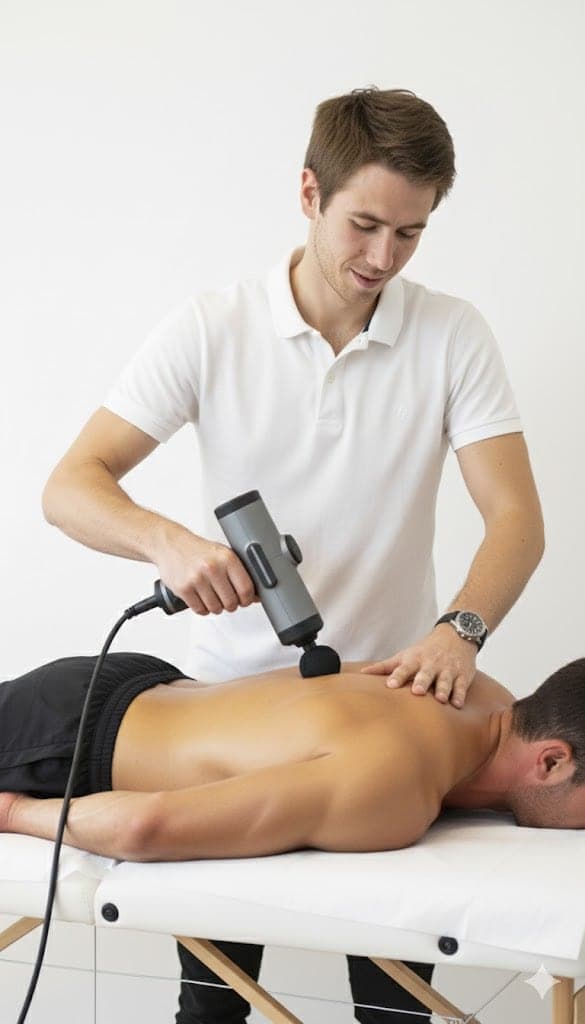
Norwegian-certified with a Bachelor’s in Physical Education and Nutrition and over ten years of clinical practice, working from a portable table in clients’ homes across the Paphos district.
This article is general information from clinical practice, not a medical diagnosis. If you have severe, worsening or unexplained pain, numbness, weakness, or pain after an accident, see a doctor first.