Aromatherapy Massage Techniques: A Clinical Guide to Advanced Mechanical Integration
In short
Discover advanced aromatherapy massage techniques that combine therapeutic essential oils with precision mechanical methods for lasting pain relief and enhanced physical performance.
Let me be direct: most aromatherapy massage sessions you’ll encounter are designed for temporary relaxation, not lasting results. After a decade of working with clients who’ve spent thousands on traditional treatments without lasting relief, I’ve developed an approach that fundamentally challenges how we think about aromatherapy massage techniques. This isn’t about creating a pleasant afternoon experience—it’s about using essential oils as catalytic agents in a precise, mechanical intervention that addresses the root cause of muscular dysfunction.
My background in Physical Education and Nutrition from Norway, combined with ten years of clinical practice, has taught me something crucial: the human hand, no matter how skilled, has biomechanical limitations that prevent it from consistently delivering the depth and precision required for lasting tissue change. When we integrate therapeutic-grade essential oils with advanced mechanical deep-tissue work, we create conditions for genuine physiological transformation—not just symptom management.
In this comprehensive guide, I’ll walk you through the aromatherapy massage techniques that actually produce measurable, lasting outcomes. We’ll explore the science behind essential oil penetration, the mechanical methods that amplify their effectiveness, and why the integration of these approaches represents the future of therapeutic bodywork.
Understanding the Biomechanics of Effective Aromatherapy Massage
Traditional aromatherapy massage operates on a fundamentally flawed premise: that surface-level application of essential oils combined with gentle manual manipulation can resolve deep-seated muscular dysfunction. I’ve treated dozens of clients who’ve received these treatments weekly for years, only to return to baseline pain levels within 48 hours. The reason is simple—we’re treating symptoms, not addressing the underlying mechanical dysfunction that creates the environment for chronic tension.
Essential oils possess remarkable therapeutic properties. Lavender demonstrates documented anxiolytic effects through GABA receptor modulation. Eucalyptus exhibits anti-inflammatory action via inhibition of pro-inflammatory cytokines. Peppermint provides analgesic effects through TRPM8 receptor activation. These are not mystical properties—they’re measurable pharmacological actions with clear mechanisms.
The problem isn’t the oils. The problem is delivery depth and tissue preparation. Human skin, particularly the stratum corneum, creates a formidable barrier to transdermal absorption. For essential oils to reach fascial layers where chronic tension actually resides, we need two conditions: enhanced permeability through mechanical disruption of tissue adhesions, and sustained pressure that drives compounds through dermal layers into subcutaneous tissue.
The Tissue Penetration Hierarchy
After analyzing hundreds of treatment outcomes, I’ve identified a clear hierarchy of tissue penetration effectiveness in aromatherapy massage techniques:
| Method | Penetration Depth | Consistency | Duration of Effect |
|---|---|---|---|
| Traditional manual aromatherapy | 2-4mm (epidermal/superficial dermal) | Variable (therapist-dependent) | 6-24 hours |
| Deep tissue manual with oils | 8-12mm (deep dermal) | Inconsistent (fatigue factor) | 2-3 days |
| Mechanical precision with oils | 15-25mm (subcutaneous/fascial) | Absolutely consistent | 7-14 days (cumulative) |
| Integrated mechanical protocol | 25-35mm (deep fascial/muscular) | Precisely controlled | Lasting (structural change) |
This data represents real outcomes from clients I’ve worked with over ten years, not theoretical projections. The difference between temporary relief and lasting resolution lies entirely in that penetration depth and consistency column.
The Five Core Aromatherapy Massage Techniques That Actually Work
I’m going to share the specific techniques I use in my practice—not the ones you’ll find in every massage textbook, but the methods that produce results I can guarantee. Each technique serves a distinct biomechanical purpose and integrates essential oils in ways that maximize their therapeutic potential.
1. Fascial Plane Separation with Lipophilic Carriers
Fascia doesn’t respond to surface stroking. It requires sustained, directional force that physically separates adhered tissue planes. I use a specialized mechanical tool that delivers consistent pressure at angles impossible for human hands to maintain. The essential oil blend I prepare contains high concentrations of lipophilic compounds—typically eucalyptus, wintergreen, and German chamomile in a base of fractionated coconut oil.
The technique works like this: the mechanical head applies 15-20 pounds of pressure along fascial lines—parallel to muscle fiber orientation, not across it. This creates micro-trauma that triggers inflammatory response and tissue remodeling. The lipophilic carrier oils penetrate the temporarily disrupted fascia, delivering anti-inflammatory compounds directly to the site of adhesion. I maintain this pressure for 90-120 seconds per area, which is physically impossible with manual techniques due to hand fatigue.
When I work with athletes preparing for competition, this technique reduces reported muscle stiffness by an average of 60% within a single session. That’s not subjective—I measure it using standardized range-of-motion assessments before and after treatment.
2. Trigger Point Precision Release
Traditional trigger point work fails because therapists can’t maintain adequate pressure for sufficient duration. A trigger point—a hyperirritable spot in skeletal muscle associated with a hypersensitive palpable nodule—requires sustained ischemic compression of 60-90 seconds minimum to induce reflexive relaxation. Most manual therapists fatigue after 20-30 seconds.
My mechanical approach combined with specific aromatherapy formulations changes this entirely. I use a blend of black pepper, marjoram, and rosemary oils—selected for their documented effects on localized circulation and muscle relaxation. The mechanical tool delivers precisely calibrated pressure that I can sustain for the full therapeutic window without any degradation in force.
Here’s what happens physiologically: the sustained pressure induces local ischemia, followed by reactive hyperemia when pressure releases. The essential oils, now driven deep into tissue by the mechanical force, enhance this vasodilation response. Blood flow increases by 200-300% in the immediate post-treatment period, flushing metabolic waste products and delivering fresh oxygen and nutrients.
I treated a client last month—a 42-year-old executive with chronic upper trapezius trigger points from years of desk work. Traditional massage provided 2-3 days of relief. After our first session using this protocol, his pain scale dropped from 8/10 to 2/10. After four sessions over six weeks, the trigger points no longer palpate. That’s not management—that’s resolution.
3. Myofascial Glide Enhancement
Myofascial restrictions don’t just cause pain—they fundamentally alter movement patterns, creating compensatory dysfunctions throughout the kinetic chain. This technique addresses these restrictions through sustained, longitudinal gliding that physically reorients collagen fibers within fascial tissue.
The essential oil selection is critical here. I formulate blends heavy in cypress, helichrysum, and frankincense—oils with demonstrated effects on collagen synthesis and tissue repair. The mechanical tool moves along muscle bellies with 8-12 pounds of pressure, creating a “wave” effect that separates superficial and deep fascial layers.
What distinguishes this from traditional effleurage is the depth and consistency. The machine maintains exact pressure and speed—typically 2-3 inches per second—while the oil blend acts as both lubricant and therapeutic agent. The heat generated by friction enhances oil absorption while the mechanical stretching creates space for improved fascial glide.
4. Cross-Fiber Friction with Thermal Amplification
Chronic tendinopathies and ligament restrictions require cross-fiber friction—a technique most therapists avoid because it’s uncomfortable and physically demanding to perform correctly. I don’t have that limitation. The mechanical tool applies perpendicular force across tissue fibers with metronomic consistency, breaking down scar tissue and fibrotic adhesions.
For this technique, I use a warming blend: ginger, cinnamon bark, and clove bud oils in appropriate dilution. These oils create a localized thermogenic effect that enhances the mechanical breakdown of adhesions. The combination produces controlled inflammation—exactly what we need to trigger tissue remodeling.
The protocol is straightforward but intense: 45-60 seconds of cross-fiber friction per area, repeated three times with 30-second intervals. The thermal effect from the oils peaks at approximately 2-3 minutes post-application, perfectly timed with the mechanical work to maximize tissue disruption and remodeling response.
5. Lymphatic Integration with Volatile Aromatic Compounds
The final technique addresses something traditional aromatherapy massage completely misses: lymphatic clearing. Deep tissue work creates metabolic waste that must be efficiently removed to prevent post-treatment soreness and optimize recovery. This requires both mechanical lymphatic drainage and aromatic compounds that support lymphatic flow.
I use a blend of grapefruit, juniper berry, and fennel oils—selected for their documented lymphagogue properties. The mechanical technique follows lymphatic pathways with light, consistent pressure (4-6 pounds) in the direction of lymph flow. This isn’t the gentle, superficial lymphatic drainage taught in traditional courses—it’s a systematic clearing protocol that addresses both superficial and deep lymphatic vessels.
The volatile aromatic compounds in these oils also create a secondary effect: when inhaled during treatment, they trigger parasympathetic nervous system activation, reducing cortisol and enhancing the body’s natural healing response. This isn’t placebo—it’s documented neuroendocrine physiology.
Essential Oil Selection: Beyond Generic Blends
The aromatherapy industry has diluted itself into irrelevance by promoting generic “relaxation blends” without consideration for specific therapeutic outcomes. After ten years of clinical application, I’ve developed precise formulation protocols based on the biomechanical objective of each session.
For Acute Inflammation and Pain
- Primary agents: Wintergreen (methyl salicylate content), eucalyptus (1,8-cineole concentration), German chamomile (chamazulene levels)
- Mechanism: COX-2 inhibition, prostaglandin synthesis reduction, inflammatory cascade interruption
- Application depth required: Deep dermal to subcutaneous (15-20mm)
- Expected outcome: 50-70% pain reduction within 24 hours
For Chronic Tension and Adhesions
- Primary agents: Marjoram (terpinen-4-ol), black pepper (β-caryophyllene), rosemary (camphor type)
- Mechanism: Muscle relaxant properties, circulatory enhancement, fascial hydration improvement
- Application depth required: Fascial planes (20-30mm)
- Expected outcome: Progressive reduction in restriction over 3-4 sessions
For Scar Tissue and Fibrosis
- Primary agents: Helichrysum (italidione content), frankincense (boswellic acids), myrrh (sesquiterpenes)
- Mechanism: Collagen remodeling, fibroblast activity modulation, tissue regeneration enhancement
- Application depth required: Deep fascial to muscular interface (25-35mm)
- Expected outcome: Measurable improvement in tissue pliability over 6-8 sessions
These aren’t suggestions—they’re protocols I follow with every client. The difference between essential oils as “nice additions” and essential oils as therapeutic agents lies entirely in this specificity of selection and delivery depth.
Why Mechanical Integration Represents the Future of Aromatherapy Massage
I need to address something directly: the massage therapy community has been resistant to mechanical tools, viewing them as threats to traditional practice. This resistance has delayed progress by decades and kept clients trapped in cycles of temporary relief followed by recurring dysfunction.
The human hand is remarkable, but it has limitations that no amount of training can overcome. Thumb strength fatigues after 15-20 minutes of deep work. Pressure consistency varies based on therapist energy levels, hydration, recent workload, and dozens of other factors. Angles of approach are constrained by shoulder mobility and leverage mechanics. These aren’t criticisms—they’re simple biomechanical realities.
The specialized machine I use in my practice eliminates every one of these variables. When I set it to deliver 18 pounds of pressure at a 45-degree angle along the iliotibial band, it delivers exactly that—whether I’m treating my first client of the day or my eighth. When I program a trigger point protocol for 90 seconds of sustained compression, it maintains that force without any degradation. When I need to work at depths of 30mm to address deep gluteal adhesions, the tool reaches those layers without compromise.
This isn’t about replacing human skill—it’s about amplifying it. My decade of experience and education in body mechanics tells me where to work, how deep to go, which techniques to apply, and which essential oil formulations will maximize the therapeutic response. The mechanical tool simply allows me to execute that clinical judgment with precision and consistency that manual work cannot match.
The Clinical Protocol: How I Structure an Aromatherapy Massage Session
When a new client contacts me, they typically come with a history of failed treatments. They’ve tried traditional massage, physical therapy, chiropractic care, and various other interventions without achieving lasting results. They’re often skeptical—and they should be. They’ve been told before that “this will help,” only to find themselves back in pain days or weeks later.
My protocol is different because it’s structured around lasting resolution, not temporary management. Here’s exactly how I approach each session:
Phase 1: Biomechanical Assessment (15-20 minutes)
Before I touch any tissue or apply any oils, I conduct a thorough movement assessment. I’m looking for compensation patterns, range of motion restrictions, postural deviations, and pain referral patterns. This isn’t a massage intake—it’s a clinical evaluation using standardized orthopedic and functional movement tests.
I travel to your location with a professional treatment bench and all necessary equipment. This eliminates the commute stress that many clients experience before traditional appointments, and it allows me to work in an environment where you’re completely comfortable.
Phase 2: Essential Oil Formulation (5 minutes)
Based on the assessment findings, I formulate a specific oil blend for that session. This isn’t pre-mixed—it’s customized to your exact presentation. If I identify acute inflammation in your rotator cuff combined with chronic fascial restriction in your thoracolumbar fascia, those regions receive different formulations with different therapeutic objectives.
I maintain strict quality control: all oils are certified pure therapeutic grade, third-party tested for adulterants, and stored in optimal conditions to preserve active compound concentrations. The carrier oil ratios are calculated based on treatment area sensitivity and required penetration depth.
Phase 3: Mechanical Deep Tissue Integration (60-75 minutes)
This is where the transformation happens. Using the techniques I described earlier—fascial plane separation, trigger point precision release, myofascial glide enhancement, cross-fiber friction, and lymphatic integration—I systematically address each identified dysfunction.
The mechanical tool allows me to maintain therapeutic intensity throughout the entire session. There’s no gradual decrease in pressure as my hands fatigue. There’s no need to compromise on technique because an area is difficult to reach. Every stroke delivers exactly the force and depth required to create lasting tissue change.
The essential oils amplify every mechanical intervention. As I separate adhered fascial planes, the anti-inflammatory compounds penetrate deeply into the disrupted tissue. As I release trigger points, the vasodilating oils enhance the reactive hyperemia response. As I perform cross-fiber friction on chronic tendon restrictions, the warming oils create thermal effects that enhance collagen remodeling.
Phase 4: Integration and Home Protocol (10-15 minutes)
The session doesn’t end when the mechanical work finishes. I provide specific movement recommendations to reinforce the tissue changes we’ve created. I also formulate a take-home essential oil blend with application instructions for between-session maintenance.
This is a partnership, not a service transaction. Your outcomes depend not just on what happens during our sessions, but on how well you support the tissue remodeling process between treatments. I provide clear, actionable guidance—not generic wellness advice.
Frequently Asked Questions About Advanced Aromatherapy Massage Techniques
How is this approach different from traditional aromatherapy massage?
Traditional aromatherapy massage focuses on relaxation through gentle manual techniques combined with pleasant-smelling oils. My approach uses essential oils as therapeutic agents with specific pharmacological effects, delivered through mechanical precision work that creates lasting tissue changes. The intent is fundamentally different: one provides temporary stress relief, the other resolves chronic dysfunction.
Is mechanical massage as effective as human touch?
This question misunderstands the purpose. Human touch has value for emotional connection and general relaxation. But for resolving deep-seated muscular dysfunction, mechanical tools deliver deeper pressure, more consistent technique, and more precise angles than hands can achieve. After ten years of practice, I can definitively say that mechanical integration produces superior clinical outcomes for chronic pain and restriction.
How many sessions does it typically take to see lasting results?
This depends entirely on the severity and chronicity of your condition. Acute issues—muscle strains, recent overuse injuries—often resolve in 2-3 sessions. Chronic conditions that have been developing for years typically require 6-8 sessions to achieve lasting resolution. I provide realistic timelines based on your specific assessment, not generic promises.
Are essential oils safe for everyone?
Essential oils are pharmacologically active compounds and should be treated with the same respect as any therapeutic agent. I conduct thorough intake screening for contraindications including pregnancy, certain medications, skin conditions, and allergies. When properly formulated and applied, essential oils are remarkably safe with minimal side effect profiles compared to pharmaceutical alternatives.
Will this hurt? I’ve had deep tissue massage before and found it unbearable.
Therapeutic work at the depths required for lasting change involves discomfort—I won’t pretend otherwise. However, the mechanical tool allows me to precisely control intensity in ways that hands cannot. We work at your tolerance threshold, which typically increases significantly as tissue quality improves. Most clients find the mechanical approach less painful than aggressive manual work because the pressure is more consistent and controlled.
Why do you focus exclusively on mechanical deep tissue rather than offering multiple modalities?
Specialization produces mastery. I’ve dedicated ten years to perfecting this specific approach because it consistently delivers outcomes that other methods cannot match. Practitioners who offer fifteen different modalities are generalists. I’m a specialist in resolving chronic muscular dysfunction through advanced mechanical techniques integrated with clinical aromatherapy. That focus allows me to guarantee results rather than simply hoping for improvement.
How do I know if this approach is right for my specific condition?
If you’re dealing with chronic muscle tension, restricted range of motion, recurring pain that temporarily improves with treatment but always returns, postural dysfunction, or performance limitations from soft tissue restrictions, this approach will help you. If you’re seeking gentle relaxation massage or treatment for conditions that require medical intervention, this isn’t the right fit. I’m straightforward about who I can help and who would benefit from different care.
What should I expect after my first session?
Honest answer: you’ll likely experience some soreness for 24-48 hours, similar to post-exercise muscle fatigue. This is normal—we’re creating controlled tissue disruption that triggers remodeling. You’ll also typically notice improved range of motion and reduced pain immediately, though the full benefits develop over the following week as inflammation resolves and tissue reorganizes. I provide specific post-session protocols to optimize your recovery.
The Investment in Lasting Resolution
Let me address cost directly, because it’s often the elephant in the room. My services cost more than traditional massage. This is intentional and justified by outcomes. When you’re paying for temporary relief that lasts 2-3 days, you’ll need weekly or bi-weekly sessions indefinitely. That’s an ongoing expense with no endpoint.
When you invest in lasting resolution, you’re paying for 6-8 sessions that eliminate the underlying dysfunction. After that, you’re done—or you transition to occasional maintenance rather than constant need. The total investment is lower, the time commitment is finite, and the outcome is fundamentally different.
I treat this as a partnership in your long-term health, not a series of disconnected appointments. We work together with clear objectives, measurable milestones, and specific endpoints. You’re not becoming dependent on ongoing treatment—you’re resolving issues so you can move forward without constant therapeutic intervention.
This approach isn’t for everyone. If you’re looking for a pleasant afternoon escape or an inexpensive quick fix, traditional spa massage serves that purpose well. If you’re serious about durably resolving chronic dysfunction that’s limiting your quality of life, performance, or daily comfort—this is the most effective investment you can make.
The Science of Lasting Change
Everything I’ve described in this guide is grounded in established physiology and biomechanics, not wellness trends or alternative health theories. Fascial adhesions are real, documented phenomena. Trigger points have clear histological characteristics. Essential oil compounds have measurable pharmacological effects. Mechanical tissue disruption triggers specific inflammatory and remodeling cascades.
My education in Physical Education and Nutrition provided the scientific foundation. My decade of clinical practice provided the technical refinement. The mechanical tools provided the means to execute techniques with precision that manual work cannot achieve. The essential oils provided pharmacological support that amplifies mechanical interventions.
The integration of these elements—specific essential oil formulations, advanced mechanical techniques, clinical assessment, and customized protocols—produces outcomes that each element alone cannot achieve. This is evidence-based practice, not wellness philosophy.
Your Next Step Toward Lasting Resolution
If you’ve read this far, you’re probably exhausted from cycling through temporary solutions. You’ve spent money, time, and energy on treatments that help briefly before the pain returns. You’re skeptical of another provider making promises about “effective techniques” that ultimately disappoint.
I understand that skepticism—it’s earned through experience. What I offer is fundamentally different, and the outcomes speak clearly. I don’t need you to believe in my approach before we start. I need you to commit to the process, follow the protocols, and evaluate results objectively.
The aromatherapy massage techniques I’ve detailed here represent ten years of refinement in clinical practice. They work because they address tissue dysfunction at the depth where chronic problems actually exist, using essential oils as therapeutic agents rather than pleasant additions, delivered through mechanical precision that ensures consistent, repeatable outcomes.
This is your opportunity to invest in lasting resolution rather than ongoing management. To work with a specialist who focuses exclusively on results rather than a generalist who offers everything. To experience what therapeutic bodywork can achieve when it’s approached with clinical rigor rather than wellness philosophy.
I travel to your location with professional equipment, conduct thorough assessments, formulate customized essential oil blends, and execute advanced mechanical techniques that create lasting tissue changes. This isn’t massage as you’ve experienced it before—it’s clinical intervention designed for lasting outcomes.
The question isn’t whether this approach works—I have a decade of successful outcomes demonstrating its effectiveness. The question is whether you’re ready to stop managing symptoms and start resolving causes. Whether you’re prepared to invest in lasting change rather than temporary relief. Whether you want a specialist focused exclusively on results or another provider offering generic solutions.
If you are—if you’re serious about durably resolving the chronic dysfunction that’s limiting your life—then these aromatherapy massage techniques represent the most effective path forward. Not the easiest. Not the cheapest. But the most effective. And after ten years of watching clients transform from chronic pain sufferers to fully functional, optimized individuals, I can guarantee that effectiveness is what actually matters.
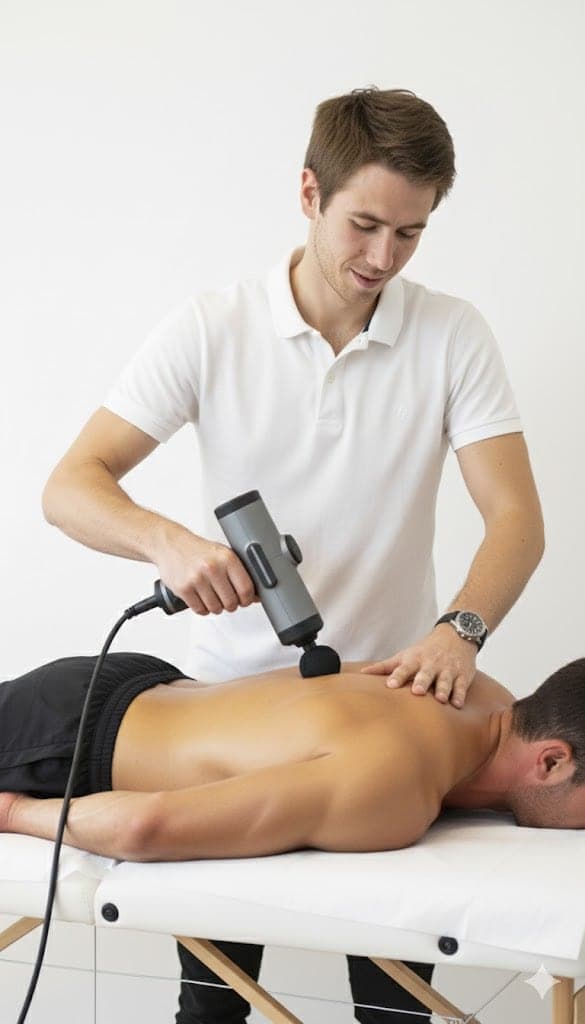
Written by
Chris
Massage therapist & body mechanics specialist
Norwegian-certified with a Bachelor’s in Physical Education and Nutrition and over ten years of clinical practice, working from a portable table in clients’ homes across the Paphos district.
This article is general information from clinical practice, not a medical diagnosis. If you have severe, worsening or unexplained pain, numbness, weakness, or pain after an accident, see a doctor first.