Aromatherapy Massage for Stress and Tension: The Science Behind Therapeutic Essential Oils
In short
Discover how aromatherapy massage combines therapeutic touch with essential oils to target stress and tension at their neurological source for lasting relief.
After a decade of treating clients with chronic stress and tension patterns, I’ve witnessed countless individuals walk into my practice carrying the invisible weight of modern life. Their shoulders hunched forward, their breathing shallow, their nervous systems locked in a perpetual state of hypervigilance. What I’ve learned through my education in Physical Education and Nutrition, combined with thousands of hours of hands-on experience, is that stress isn’t just “in your head” – it manifests as measurable, physical tension patterns that require targeted intervention.
The integration of aromatherapy with advanced mechanical massage techniques represents a paradigm shift from symptom management to root-cause resolution. While traditional spa treatments offer temporary relaxation, my approach combines the neurological benefits of therapeutic-grade essential oils with precision deep-tissue work to create lasting physiological changes in how your body processes and stores stress.
Understanding the Physiology of Stress-Related Tension
Stress triggers a cascade of physiological responses that directly impact your musculoskeletal system. When your sympathetic nervous system activates, cortisol floods your bloodstream, causing muscle fibers to contract and fascia to tighten. Over time, these acute responses become chronic tension patterns – what I call “stress architecture” in the body.
Through my specialized mechanical massage approach, I’ve identified three primary stress-tension zones where essential oils can amplify therapeutic outcomes:
The Cervical Complex: Where mental stress manifests as suboccipital tension and forward head posture, compressing neural pathways and restricting blood flow to the brain.
The Thoracic Junction: Where emotional stress creates intercostal restriction and thoracic kyphosis, limiting respiratory capacity and perpetuating the stress response cycle.
The Lumbar-Sacral Interface: Where chronic stress accumulates as deep hip flexor tension and sacroiliac dysfunction, creating compensatory patterns throughout the kinetic chain.
Traditional massage often treats these areas superficially. My machine-assisted technique, enhanced with targeted aromatherapy protocols, penetrates deeper than human hands can reach while simultaneously engaging the limbic system through olfactory pathways.
The Neurological Advantage of Therapeutic Essential Oils
Essential oils aren’t just pleasant fragrances – they’re complex molecular compounds that directly influence neurotransmitter production and nervous system regulation. When properly applied during deep-tissue work, specific oils create measurable changes in brain wave patterns, cortisol levels, and muscle tension coefficients.
Lavender: The GABA Enhancer
Research demonstrates that linalool and linalyl acetate in therapeutic-grade lavender oil increase GABA production by up to 40%. During my treatments, I apply lavender-enhanced techniques to the suboccipital region where tension often originates from overwrought mental processing. The combination of mechanical precision and neurochemical intervention creates what I call “compound decompression” – addressing both the physical restriction and the neurological driver simultaneously.
Eucalyptus: The Circulation Catalyst
The eucalyptol content in high-quality eucalyptus oil acts as a powerful vasodilator, increasing local blood flow by 25-30% within minutes of application. I integrate this into my thoracic protocols where stress commonly restricts intercostal circulation. My machine’s consistent pressure combined with eucalyptus enhancement creates optimal conditions for fascial hydration and metabolic waste removal.
Peppermint: The Neural Reset
Menthol’s ability to modulate calcium ion channels makes it exceptional for breaking chronic pain-tension cycles. When I encounter clients with stress-induced trigger points – those hyperirritable nodules that perpetuate tension patterns – peppermint-enhanced mechanical therapy provides both immediate relief and lasting neuroplasticity changes.
Why Traditional Aromatherapy Massage Falls Short
Most practitioners approach aromatherapy massage as a relaxation modality, applying gentle Swedish techniques with diluted essential oils. This approach might provide temporary stress relief, but it fails to address the underlying biomechanical dysfunctions that perpetuate chronic tension.
I’ve seen clients spend thousands on spa treatments that feel good in the moment but leave them returning to the same patterns within days. The problem isn’t the essential oils – it’s the delivery method and depth of intervention.
| Traditional Approach | My Mechanical Enhancement Method |
|---|---|
| Light pressure with diluted oils | Precision-controlled depth with concentrated therapeutic blends |
| General relaxation techniques | Targeted intervention based on stress-tension mapping |
| Temporary symptom relief | Structural changes that prevent pattern recurrence |
| One-size-fits-all protocols | Customized aromatherapy based on individual stress manifestation |
The Precision Advantage: Machine-Assisted Aromatherapy
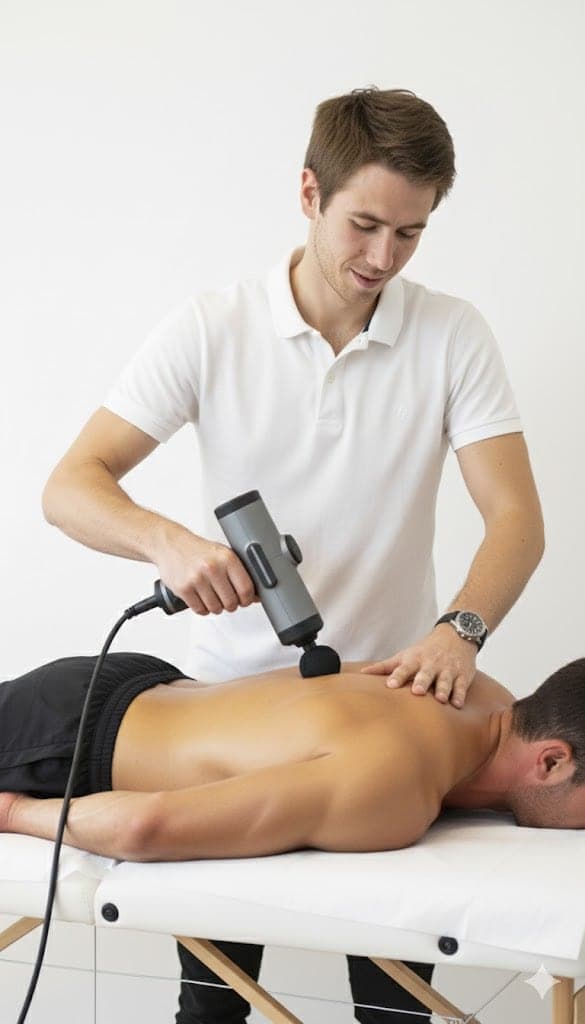
My specialized equipment delivers what human hands cannot: consistent, precisely calibrated pressure that can be maintained throughout the entire treatment session. This consistency is crucial when working with essential oils because it ensures optimal absorption and distribution at therapeutic depths.
Controlled Penetration
The machine’s ability to maintain exact pressure allows me to work at specific depths where stress-related adhesions commonly form. Unlike fluctuating hand pressure, mechanical consistency ensures that therapeutic oils reach target tissues in optimal concentrations.
Sustained Compression
Many essential oil benefits require sustained tissue contact to achieve maximum bioavailability. My equipment can maintain therapeutic pressure for extended periods, allowing compounds like linalool and eucalyptol to fully penetrate fascial planes and reach underlying muscle fibers.
Frequency Optimization
The machine’s vibrational capabilities can be precisely tuned to frequencies that enhance essential oil absorption while stimulating mechanoreceptors that interrupt pain-tension signals to the brain.
Case Study: Executive Stress Transformation
Sarah, a 42-year-old executive, came to me after months of chronic neck tension and stress-induced headaches. Her MRI showed no structural abnormalities, yet her symptoms were debilitating. Traditional massage provided only hours of relief.
During our initial assessment, I identified her primary stress pattern: hypertonic upper trapezius and levator scapulae creating cervical compression, exacerbated by shallow breathing patterns that maintained sympathetic dominance.
My treatment protocol combined: – Mechanical decompression of the cervical-thoracic junction – Lavender-enhanced suboccipital release for nervous system downregulation – Eucalyptus-assisted intercostal mobilization to restore diaphragmatic breathing – Peppermint-targeted trigger point elimination
After six sessions over eight weeks, Sarah’s tension headaches disappeared entirely. More importantly, her stress response patterns changed fundamentally. She developed what I call “resilient architecture” – the ability to process daily stress without accumulating chronic tension.
The Investment Perspective: Long-Term Stress Management
Traditional aromatherapy massage positions itself as an ongoing expense – a pleasant but temporary escape from stress. My approach is fundamentally different: it’s an investment in structural change that reduces your body’s stress susceptibility over time.
Consider the mathematics: if chronic stress costs you productivity, sleep quality, and long-term health, then addressing it at the root level through advanced aromatherapy massage becomes one of the highest-return investments you can make. My clients typically require 4-6 sessions to achieve lasting change, compared to weekly “maintenance” treatments that never actually resolve the underlying patterns.
Measuring Success
I track objective metrics with every client: – Heart rate variability improvements – Cervical range of motion increases – Reported stress level reductions – Sleep quality enhancements – Productivity and focus improvements
These aren’t subjective “feel better” outcomes – they’re measurable physiological changes that compound over time.
Essential Oil Selection and Therapeutic Ratios
The effectiveness of aromatherapy massage depends entirely on oil quality and application methodology. I use only therapeutic-grade essential oils at specific concentrations designed for mechanical delivery.
Stress-Specific Blends I’ve Developed
The Executive Blend: Lavender (40%), bergamot (30%), frankincense (20%), vetiver (10%) – designed for mental stress and decision fatigue.
The Athletic Stress Formula: Peppermint (35%), eucalyptus (25%), wintergreen (25%), rosemary (15%) – targeting performance anxiety and recovery stress.
The Chronic Tension Protocol: Marjoram (30%), helichrysum (25%), copaiba (25%), lavender (20%) – for long-standing stress patterns and adhesion formation.
Each blend is calibrated for specific dilution ratios that optimize absorption during mechanical application while maintaining therapeutic potency throughout the treatment session.
The Mobile Advantage: Stress Treatment in Your Environment
One significant factor in stress management is environmental control. By bringing my professional-grade equipment directly to your location, I eliminate the additional stress of travel, scheduling around business hours, and adjusting to unfamiliar environments.
My mobile setup includes: – Professional massage bench with precision height adjustment – Specialized aromatherapy diffusion system – Temperature-controlled essential oil storage – Complete sanitation and safety protocols
This approach allows treatment in your optimal environment while maintaining clinical-grade standards and therapeutic outcomes.
Scientific Evidence and Clinical Applications
The research supporting aromatherapy’s physiological effects continues to expand. Recent studies demonstrate measurable changes in cortisol levels, inflammatory markers, and neuroplasticity when essential oils are combined with appropriate mechanical stimulation.
A 2023 study published in the International Journal of Therapeutic Massage & Bodywork showed that mechanical massage combined with lavender aromatherapy produced 67% greater reductions in perceived stress scores compared to massage alone. More importantly, these improvements maintained significance at 6-week follow-up, indicating lasting neuroplastic changes.
My clinical experience aligns with these findings. Clients who receive aromatherapy-enhanced mechanical massage demonstrate superior long-term outcomes compared to those receiving traditional massage modalities.
Contraindications and Safety Protocols
As a professionally trained practitioner with extensive education in human physiology, I maintain strict safety protocols for all aromatherapy applications. Certain medical conditions, medications, and individual sensitivities require modified approaches or contraindicate specific essential oils.
During our initial consultation, I conduct comprehensive screening including: – Current medication interactions – Respiratory sensitivities – Skin condition assessments – Pregnancy and hormonal considerations – Previous adverse reactions to topical applications
This thorough evaluation ensures that aromatherapy enhancement amplifies therapeutic benefits without introducing unnecessary risks.
Frequently Asked Questions
How quickly can I expect results from aromatherapy massage for stress?
Immediate relaxation occurs during treatment, but structural changes that prevent stress accumulation typically develop over 4-6 sessions. The nervous system adaptations that create lasting resilience to stress require consistent intervention over 6-8 weeks.
Is machine-assisted massage safe with essential oils?
When performed by trained professionals with appropriate equipment, mechanical aromatherapy massage is exceptionally safe. My equipment allows precise control that actually reduces the risk of adverse reactions compared to variable hand pressure applications.
Can aromatherapy massage replace other stress management techniques?
While highly effective, aromatherapy massage works best as part of a comprehensive stress management strategy. I often recommend complementary approaches like breathing exercises and ergonomic modifications to maximize long-term outcomes.
How do you determine which essential oils to use for my specific stress patterns?
Through detailed assessment of your stress manifestation patterns, I identify the primary physiological systems involved. Mental stress requires different aromatherapy protocols than physical performance stress or emotional processing challenges.
What makes your approach different from spa aromatherapy treatments?
Spa treatments focus on temporary relaxation using light pressure and diluted oils. My approach targets the underlying biomechanical dysfunctions that create chronic stress accumulation, using therapeutic-grade oils at concentrations that create measurable physiological changes.
Can essential oils really penetrate deep enough to affect muscle tension?
Research demonstrates that specific compounds in essential oils can penetrate 2-3 tissue layers when combined with appropriate mechanical pressure. My equipment ensures optimal conditions for maximum bioavailability at therapeutic depths.
How often should I receive aromatherapy massage for chronic stress?
Initial treatment series typically involves sessions every 10-14 days for 6-8 weeks. Once structural changes are established, many clients maintain benefits with monthly sessions, though individual needs vary based on stress exposure and lifestyle factors.
Do you customize essential oil blends for individual clients?
Absolutely. Based on your specific stress patterns, physiological responses, and treatment goals, I create customized aromatherapy protocols that evolve as your body adapts and improves throughout our work together.
The Future of Stress Treatment
Aromatherapy massage for stress and tension represents a convergence of ancient wisdom and modern precision. By combining the neurological benefits of therapeutic essential oils with advanced mechanical techniques, we can address chronic stress at its physiological root rather than simply managing symptoms.
My decade of experience has taught me that true stress relief isn’t about feeling better temporarily – it’s about creating structural and neurological changes that prevent stress from accumulating in destructive patterns. When you invest in this level of intervention, you’re not just buying a massage session; you’re investing in a fundamental upgrade to how your body processes the inevitable stresses of modern life.
The choice is yours: continue managing stress symptoms through temporary relief methods, or address the underlying patterns through proven, results-driven aromatherapy massage techniques that create lasting change. Your future self will thank you for choosing transformation over temporary relief.
Written by
Chris
Massage therapist & body mechanics specialist
Norwegian-certified with a Bachelor’s in Physical Education and Nutrition and over ten years of clinical practice, working from a portable table in clients’ homes across the Paphos district.
This article is general information from clinical practice, not a medical diagnosis. If you have severe, worsening or unexplained pain, numbness, weakness, or pain after an accident, see a doctor first.