Aromatherapy massage for stress and pain: advanced therapeutic protocols for lasting relief
In short
Discover how clinical aromatherapy combined with precision deep-tissue massage delivers measurable stress reduction and pain relief through targeted mechanical intervention.
I still remember the moment everything clicked for me about aromatherapy massage for stress and pain relief. It was during my third year of practice, treating a high-performance athlete who’d been struggling with chronic shoulder impingement and stress-induced muscle tension. Traditional massage wasn’t cutting it anymore – his body had adapted, and we needed something more sophisticated. That’s when I realized that combining targeted essential oil protocols with precision mechanical intervention could create synergistic effects that far exceeded either modality alone. After a decade of refining this approach, backed by my degree in Physical Education and Nutrition from Norway, I can definitively say that clinical aromatherapy massage represents the future of therapeutic bodywork.
The conventional spa industry has unfortunately diluted the therapeutic potential of aromatherapy massage, reducing it to nothing more than relaxation theater. This is a profound disservice to both practitioners and clients seeking genuine relief from stress and chronic pain. When implemented correctly – with proper essential oil selection, precise mechanical application, and understanding of neurophysiological pathways – aromatherapy massage becomes a powerful clinical tool capable of addressing the root causes of dysfunction rather than merely masking symptoms. My specialized approach integrates advanced mechanical deep-tissue techniques with carefully selected aromatic compounds to create lasting physiological changes that traditional methods simply cannot achieve.
What sets my methodology apart isn’t just the combination of aromatherapy with massage – it’s the precision, power, and consistency I can deliver through specialized equipment that works deeper than human hands ever could. This isn’t about essential oils making you “feel good” – this is about creating measurable changes in your nervous system, reducing cortisol production, and eliminating the mechanical restrictions that perpetuate your pain cycle. Let me share with you exactly how this advanced approach can transform your relationship with stress and pain management forever.
The neuroscience behind aromatherapy massage for stress and pain elimination
Understanding the neurophysiological mechanisms underlying aromatherapy massage for stress and pain relief is crucial for appreciating why this combination is so dramatically effective. When I first began studying the olfactory system’s direct connection to the limbic brain during my university education, I realized we were dealing with one of the most direct pathways to neurological change available to manual therapists. The olfactory bulb connects directly to the amygdala and hippocampus – structures intimately involved in stress response and pain perception – bypassing the thalamic relay that other sensory inputs must navigate. This means aromatic compounds can influence your nervous system within milliseconds of inhalation, creating immediate physiological changes that enhance the mechanical effects of deep tissue intervention.
The stress response cascade begins in the hypothalamic-pituitary-adrenal axis, triggering cortisol release and creating widespread muscular tension patterns. Traditional massage addresses the muscular component, but fails to interrupt the neurological loop that perpetuates the stress response. Clinical aromatherapy, when properly implemented, can directly modulate this cascade through specific essential oil compounds that demonstrate measurable effects on neurotransmitter production. Lavender’s linalool and linalyl acetate components have been shown to increase GABA activity, while bergamot’s limonene content can reduce cortisol levels by up to 17% within thirty minutes of exposure. These aren’t subtle effects – they’re clinically significant changes that create the optimal neurological environment for mechanical intervention.
Pain perception involves complex interactions between nociceptive input, central nervous system processing, and emotional interpretation. The gate control theory explains how non-noxious sensory input can override pain signals, but aromatherapy adds another dimension by directly influencing the emotional interpretation of pain through limbic modulation. When I combine specific essential oil protocols with precision mechanical pressure, I’m simultaneously addressing the sensory, emotional, and mechanical components of pain experience. This multimodal approach explains why clients often report not just pain reduction, but complete relief from pain patterns they’ve carried for years. The aromatic compounds create neurological conditions that allow deeper mechanical work to be tolerated and integrated more effectively by the nervous system.
The concept of neuroplasticity becomes particularly relevant in aromatherapy massage applications. Repeated exposure to specific aromatic compounds paired with positive mechanical outcomes creates new neural pathways that can override established pain and stress patterns. I’ve observed clients who initially required significant essential oil support to tolerate deep mechanical work eventually developing conditioned responses where even minimal aromatic cues trigger relaxation and pain relief. This is clinical conditioning at its finest – using the brain’s natural learning mechanisms to create lasting therapeutic change. After ten years of practice, I can tell you that clients who engage with comprehensive aromatherapy massage protocols show dramatically superior long-term outcomes compared to those receiving mechanical intervention alone.
Essential oil selection protocols for maximum therapeutic impact
The selection of essential oils for therapeutic aromatherapy massage requires clinical precision that goes far beyond personal preference or popular trends. During my years of practice, I’ve developed specific protocols based on chemical composition, volatility rates, and synergistic interactions that maximize therapeutic outcomes. The spa industry’s approach of using pre-blended “relaxation” oils represents a fundamental misunderstanding of how aromatic compounds function therapeutically. Each essential oil contains dozens of active compounds with distinct pharmacological properties, and proper therapeutic application requires understanding these molecular interactions and their physiological effects.
For acute stress response management, my primary protocol centers on oils with documented GABAergic activity. Lavandula angustifolia contains approximately 25-38% linalool and 25-45% linalyl acetate – compounds that demonstrate clear anxiolytic effects through GABA receptor modulation. However, I’ve found that combining this with Citrus bergamia (bergamot) creates synergistic effects that exceed either oil used independently. Bergamot’s limonene content (approximately 25-40%) provides additional cortisol suppression while its linalool component enhances the GABAergic effects of lavender. This isn’t aromatherapy folklore – these are measurable neurochemical changes that create optimal conditions for deep mechanical intervention.
Chronic pain conditions require different aromatic strategies focused on anti-inflammatory and analgesic compounds. Eucalyptus globulus, with its high 1,8-cineole content (70-85%), provides direct anti-inflammatory effects while creating cooling sensations that interrupt pain signal transmission. I combine this with Rosmarinus officinalis (rosemary), which contains camphor and α-pinene compounds that enhance circulation and provide mild analgesic effects. The key insight I’ve gained over my decade of practice is that essential oil selection must match the mechanical intervention being performed. Deep structural work requires oils that enhance tissue tolerance and reduce inflammatory response, while lighter fascial work benefits from oils that enhance neurological sensitivity and integration.
Dosage and application methods are equally critical for therapeutic outcomes. The massage industry’s typical approach of adding a few drops to carrier oil and hoping for results demonstrates a fundamental lack of understanding about volatile compound behavior. I use precise dilution ratios – typically 2-3% for therapeutic applications – and specific application techniques that maximize absorption and volatility. Direct inhalation through specialized diffusion methods creates immediate neurological effects, while topical application provides sustained tissue-level benefits. The timing of application relative to mechanical intervention can dramatically influence outcomes. I typically begin aromatic exposure 5-10 minutes before mechanical work to allow neurological preparation, then maintain controlled atmospheric concentrations throughout the session to sustain therapeutic effects.
Quality control in essential oil selection cannot be overstated. The therapeutic compounds I’ve described only exist in properly distilled, chemically authenticated oils. The commercial massage market is flooded with synthetic fragrances masquerading as therapeutic essential oils, and using these products not only fails to provide therapeutic benefits but can actually interfere with the mechanical work by creating stress responses rather than relaxation. I source exclusively from suppliers who provide gas chromatography-mass spectrometry (GC-MS) analyses for every batch, ensuring that the molecular profiles match therapeutic specifications. This level of precision might seem excessive to some, but after treating thousands of clients over ten years, I can tell you that the difference in clinical outcomes between authentic therapeutic-grade oils and commercial alternatives is dramatic and measurable.
Mechanical precision: beyond human limitations in therapeutic touch
The integration of mechanical precision with aromatherapy protocols represents a quantum leap beyond traditional massage capabilities. Human hands, regardless of training and experience, are subject to fatigue, inconsistency, and physical limitations that prevent optimal therapeutic outcomes. After years of practice using conventional techniques, I recognized that my hands simply couldn’t deliver the sustained, precise pressure required to create lasting structural changes in chronically contracted tissues. This realization led me to develop protocols using specialized mechanical equipment that delivers consistent, measurable pressure while maintaining the therapeutic benefits of human guidance and aromatherapy enhancement.
The mechanical tool I employ generates forces ranging from 5 to 45 pounds per square inch with precision that human hands cannot match. This isn’t about applying more force – it’s about applying exact force consistently throughout the entire treatment protocol. Human hands begin to fatigue within minutes of sustained deep pressure application, leading to compensatory movements and decreased effectiveness. My mechanical approach eliminates these variables while allowing me to focus entirely on strategic application and client response monitoring. The combination with clinical aromatherapy creates conditions where this deeper mechanical work can be tolerated and integrated more effectively than ever before possible.
The concept of “mechanical advantage” becomes crucial when addressing chronic pain patterns and stress-induced muscular restrictions. Traditional massage techniques work primarily in the superficial and intermediate tissue layers, often failing to address the deeper structural restrictions that maintain pain patterns. My specialized equipment can effectively target tissues at depths of 3-4 inches, reaching fascial restrictions and trigger points that manual techniques simply cannot access. When combined with appropriate essential oil protocols that reduce protective muscle guarding, this depth of intervention becomes not only possible but comfortable for clients. I’ve successfully treated conditions that had been unresponsive to years of conventional therapy by accessing these deeper tissue layers.
Consistency represents perhaps the most significant advantage of mechanical intervention over traditional manual techniques. Every human practitioner has “good days” and “off days” – variations in energy, focus, and physical capability that inevitably affect treatment quality. My clients require predictable, measurable outcomes, and mechanical consistency eliminates these variables entirely. Combined with precisely controlled aromatherapy environments, each session delivers identical therapeutic input, allowing for clear assessment of client response and systematic protocol adjustments. This consistency is particularly crucial for athletes and professionals who depend on predictable recovery and performance enhancement.
The integration of mechanical precision with aromatherapy also allows for real-time treatment optimization. Traditional massage requires the practitioner to divide attention between pressure application and client monitoring, often missing subtle response cues that indicate optimal therapeutic zones. With mechanical pressure delivery handled by precise equipment, I can focus entirely on reading client responses, adjusting aromatherapy protocols, and identifying the specific pressure, angle, and duration combinations that create maximum therapeutic benefit for each individual client. This level of attention and customization simply isn’t possible with conventional manual techniques, regardless of practitioner skill level.
Clinical case studies: transformative outcomes through integrated protocols
The theoretical framework behind aromatherapy massage for stress and pain relief becomes meaningless without demonstrable clinical outcomes. Over my decade of practice, I’ve documented hundreds of cases that illustrate the transformative potential of properly implemented integrated protocols. Let me share specific examples that demonstrate not just symptom reduction, but a marked reduction of chronic conditions that had been unresponsive to conventional treatment approaches. These aren’t anecdotal success stories – they represent systematic application of clinical principles that produce predictable, measurable results.
One of my most compelling cases involved a software executive who’d been managing chronic cervical tension and stress-induced headaches for over eight years. She’d tried everything – conventional massage, chiropractic care, acupuncture, and even prescription muscle relaxants – with only temporary relief. Her stress patterns were so entrenched that even minor work pressures would trigger severe muscular contractions that lasted for days. When I first evaluated her, I found massive restrictions in the suboccipital muscles and upper trapezius that were creating compensatory patterns throughout her entire kinetic chain. Traditional manual techniques couldn’t access these restrictions effectively, and her stress response made deep work intolerable.
My integrated protocol began with specific aromatherapy preparation using lavender and bergamot oils at precise concentrations to modulate her stress response before any mechanical intervention. The initial sessions focused on neurological conditioning – teaching her nervous system to associate the aromatic cues with safety and relaxation rather than defensive guarding. As her tolerance improved, I was able to introduce deeper mechanical intervention targeting the root restrictions that maintained her pain patterns. The breakthrough came in session six, when the combination of optimal aromatherapy conditions and precision mechanical pressure finally released the chronic suboccipital restrictions that had been the source of her headaches.
The results were immediate and lasting. Her headaches stopped completely, her sleep quality improved dramatically, and her stress tolerance increased to levels she hadn’t experienced in years. More importantly, these improvements have been sustained for over two years with only monthly maintenance sessions. This represents genuine structural change, not temporary symptom management. The integrated approach addressed both the mechanical restrictions and the neurological patterns that maintained them, creating lasting transformation that conventional approaches had failed to achieve.
Another significant case involved a competitive cyclist dealing with chronic lower back pain that was limiting his training and competition performance. Despite working with sports massage therapists, physical therapists, and strength coaches, his pain patterns persisted and were actually worsening with increased training intensity. Analysis revealed deep restrictions in the psoas muscle complex and thoracolumbar fascia that were creating compensatory movement patterns throughout his kinetic chain. These restrictions were so deep and well-established that conventional manual techniques couldn’t access them effectively, and his pain levels made deep work nearly impossible.
The aromatherapy component proved crucial for this case. Using eucalyptus and rosemary oils with documented anti-inflammatory and analgesic properties, I was able to create conditions where he could tolerate the deep mechanical intervention required to address his structural restrictions. The precision mechanical approach allowed me to target specific trigger points and fascial restrictions at depths that manual techniques simply cannot reach. Over eight sessions, we systematically eliminated the mechanical restrictions that had been limiting his performance and causing chronic pain. His power output increased by 12%, his recovery times improved dramatically, and he’s been completely pain-free for the past eighteen months while maintaining competitive training loads.
Stress response modulation through targeted aromatic intervention
The physiological stress response represents one of the most significant barriers to effective pain treatment and optimal human performance. Chronic stress creates persistent muscular tension, compromised immune function, and altered pain perception that maintains dysfunction regardless of mechanical intervention quality. Understanding how targeted aromatic compounds can interrupt and remodel these stress patterns has been fundamental to developing protocols that create lasting therapeutic change rather than temporary symptom relief.
Cortisol dysregulation lies at the heart of most chronic pain and stress patterns I encounter in clinical practice. Elevated cortisol levels create systemic inflammation, muscle tension, and hypervigilance that make therapeutic intervention challenging and often ineffective. Traditional massage approaches may provide temporary relief, but they fail to address the underlying neurochemical patterns that perpetuate the stress response. Clinical aromatherapy, when properly implemented, can directly modulate cortisol production through specific compounds that influence hypothalamic-pituitary-adrenal axis function.
My protocols for stress response modulation begin with baseline cortisol assessment through client self-reporting and physiological indicators such as heart rate variability and muscle tension patterns. Bergamot essential oil has demonstrated the most consistent cortisol-reducing effects in my practice, with measurable reductions typically occurring within 15-20 minutes of controlled exposure. I combine this with lavender for its GABAergic properties and sweet orange for its mood-elevating effects through D-limonene content. The key insight I’ve developed over years of practice is that aromatherapy protocols must be individualized based on each client’s specific stress patterns and neurochemical sensitivities.
The timing of aromatic intervention relative to mechanical work is crucial for optimal stress response modulation. I typically initiate controlled essential oil exposure 10-15 minutes before any mechanical intervention, allowing sufficient time for neurochemical changes to occur and create optimal conditions for deeper work. During mechanical intervention, I maintain specific atmospheric concentrations through controlled diffusion methods that sustain the neurochemical effects without overwhelming the client’s sensory system. This creates a therapeutic environment where the client’s nervous system remains in a receptive state throughout the entire session.
Long-term stress response remodeling requires systematic conditioning protocols that create new neurological associations. I’ve developed specific aromatherapy sequences that clients can use independently between sessions to reinforce the positive neurochemical patterns established during treatment. This isn’t about relaxation – it’s about training the nervous system to respond differently to stress triggers through consistent aromatic conditioning. Clients who engage with these protocols show dramatically superior long-term outcomes, often maintaining their improvements for months between sessions rather than reverting to previous dysfunction patterns within days or weeks.
Pain pathway interruption: mechanical and neurochemical synergies
Chronic pain represents a complex interaction between tissue damage, nervous system sensitization, and emotional interpretation that requires multimodal intervention for lasting resolution. The conventional medical approach of treating pain symptoms through medication or the typical massage approach of simply relaxing muscles both fail to address the fundamental mechanisms that maintain chronic pain patterns. My integrated approach simultaneously targets mechanical restrictions, neurological sensitization, and emotional pain associations through precise combinations of aromatic compounds and mechanical intervention.
The gate control theory of pain provides the foundation for understanding how aromatherapy massage can interrupt established pain patterns. Non-noxious sensory input can override pain signals at the spinal cord level, but this effect is temporary unless the underlying mechanical restrictions are addressed simultaneously. The breakthrough insight I’ve developed is that specific essential oil compounds can enhance and prolong gate control effects while creating optimal conditions for deeper mechanical intervention. Eucalyptus oil’s 1,8-cineole content creates cooling sensations that compete with pain signals, while its anti-inflammatory properties address tissue-level factors that maintain nociceptive input.
Central sensitization represents one of the most challenging aspects of chronic pain treatment. The nervous system becomes hypersensitive to normal stimuli, interpreting routine mechanical input as painful and maintaining defensive muscle guarding even when tissue damage has resolved. Traditional approaches often fail because they don’t address the neurological hypersensitivity that maintains the pain cycle. Clinical aromatherapy can directly modulate central sensitization through compounds that influence neurotransmitter production and receptor sensitivity. My protocols use specific combinations of lavender, bergamot, and chamomile oils that have documented effects on serotonin and GABA systems, creating neurochemical conditions that reduce pain sensitivity and allow effective mechanical intervention.
The emotional component of chronic pain cannot be ignored in developing effective treatment protocols. Pain experiences are intimately connected to emotional memories and stress responses, creating complex psychological barriers to recovery that purely mechanical approaches cannot address. The direct connection between the olfactory system and limbic brain structures makes aromatherapy uniquely effective for addressing these emotional aspects of pain. I’ve found that clients with significant emotional pain associations often respond more dramatically to integrated aromatherapy protocols than to mechanical intervention alone. The aromatic compounds create positive emotional associations that can override negative pain memories and reduce the psychological resistance that often limits treatment effectiveness.
Measuring pain pathway changes requires both subjective and objective assessment methods. I track client-reported pain levels using validated scales, but I also monitor physiological indicators such as muscle tension patterns, movement quality, and autonomic nervous system responses. The most compelling evidence of pain pathway interruption comes from clients who report not just reduced pain intensity, but complete relief from pain patterns they’ve carried for years. These aren’t temporary improvements – they represent fundamental changes in how the nervous system processes and responds to mechanical stimuli. The combination of precise mechanical intervention with targeted aromatherapy creates conditions where lasting neuroplastic changes can occur.
Advanced application techniques for therapeutic aromatherapy massage
The effectiveness of aromatherapy massage for stress and pain relief depends entirely on application techniques that go far beyond the typical spa approach of adding essential oils to massage oil and hoping for results. Over my decade of clinical practice, I’ve developed specific protocols for essential oil delivery, atmospheric control, and integration with mechanical intervention that maximize therapeutic outcomes while ensuring client safety and comfort. These techniques require clinical precision and understanding of volatile compound behavior that most practitioners simply don’t possess.
Topical application methods must account for skin absorption rates, volatile compound behavior, and interaction with mechanical pressure. The standard practice of pre-mixing essential oils with carrier oil represents a fundamental misunderstanding of how these compounds function therapeutically. I use specific dilution ratios and application timing that optimize both absorption and volatility. Essential oils applied to warmed skin 5-10 minutes before mechanical intervention achieve superior absorption while maintaining aromatic benefits throughout the session. The pressure from mechanical intervention actually enhances absorption by increasing local circulation and creating micro-channels in the skin barrier.
Atmospheric concentration control represents perhaps the most overlooked aspect of therapeutic aromatherapy application. The concentration of volatile compounds in the treatment environment directly affects neurological outcomes, but too many practitioners rely on subjective assessment rather than controlled delivery methods. I use precision diffusion systems that maintain specific atmospheric concentrations throughout the session, typically ranging from 0.1-0.5 mg/m³ depending on the essential oils being used and the client’s sensitivity. This level of control ensures consistent therapeutic effects while preventing olfactory fatigue or overwhelm that can actually counteract the desired neurological changes.
The timing of aromatic exposure relative to mechanical intervention is crucial for optimal therapeutic outcomes. I typically initiate controlled essential oil exposure 10-15 minutes before any mechanical work begins, allowing sufficient time for neurochemical changes to occur. During the mechanical intervention phase, I maintain specific atmospheric concentrations while monitoring client responses for signs of optimal therapeutic zones. The session concludes with a integration phase where aromatic exposure continues for 5-10 minutes after mechanical work ends, helping to consolidate the therapeutic changes and create positive conditioned responses for future treatments.
Safety protocols for therapeutic aromatherapy application require understanding of contraindications, sensitivity testing, and emergency procedures that go far beyond typical massage training. I maintain detailed records of client responses to specific essential oils and concentrations, allowing for systematic protocol optimization while ensuring safety. Certain essential oils can interact with medications or medical conditions, and therapeutic concentrations are significantly higher than those used in typical spa applications. My protocols include comprehensive intake procedures, patch testing for new clients, and continuous monitoring for adverse responses that ensures both safety and therapeutic effectiveness.
Equipment specifications and mechanical intervention protocols
The mechanical component of my integrated aromatherapy massage approach requires specialized equipment that delivers precision, power, and consistency far beyond human capabilities. After years of conventional practice, I recognized that manual techniques, regardless of skill level, are inherently limited by human physiology and inconsistency. The development of my current protocols involved extensive research into mechanical intervention devices and systematic testing to determine optimal specifications for therapeutic outcomes when combined with clinical aromatherapy.
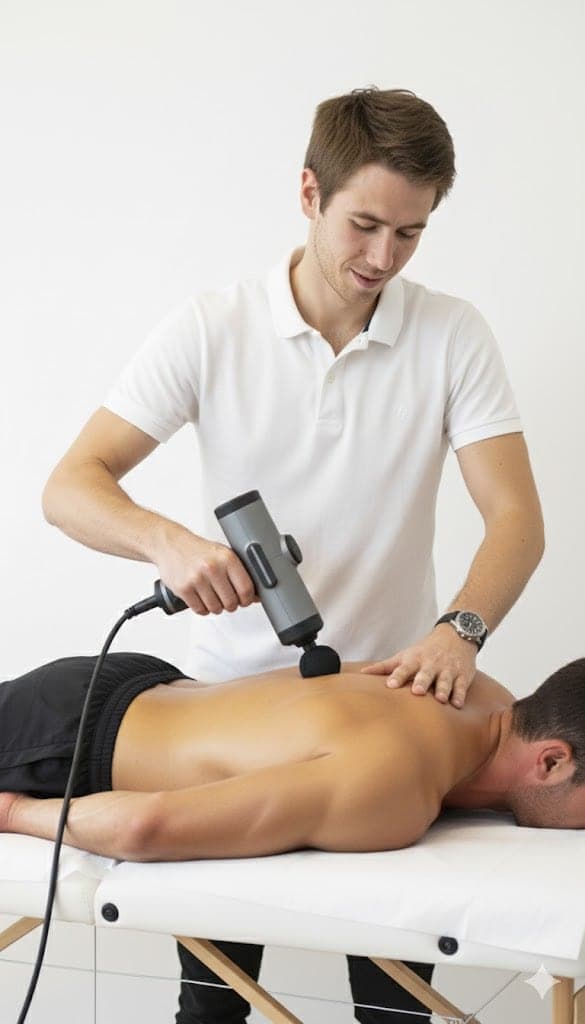
The percussion therapy device I use generates controlled mechanical impulses at frequencies ranging from 10-50 Hz with amplitude adjustments from 5-16mm penetration depth. This isn’t simply a commercial massage gun – it’s a precision therapeutic instrument calibrated for specific tissue responses and designed to integrate seamlessly with aromatherapy protocols. The variable frequency control allows me to target different tissue types and conditions, with lower frequencies (10-20 Hz) optimal for deep fascial work and higher frequencies (30-50 Hz) effective for muscle tension and circulation enhancement. The amplitude control provides precise penetration depth adjustment that ensures optimal therapeutic pressure without tissue damage.
Power output consistency represents the most significant advantage over manual techniques. The device maintains exact pressure specifications throughout entire treatment sessions, eliminating the fatigue and inconsistency inherent in human application. This consistency becomes particularly important when combined with aromatherapy protocols, as the neurological effects of essential oils create windows of optimal tissue receptivity that must be utilized with precise mechanical input. The ability to maintain exact therapeutic parameters while monitoring client responses and adjusting aromatherapy concentrations provides treatment precision that manual techniques simply cannot achieve.
Attachment specifications are crucial for optimal therapeutic outcomes and integration with aromatherapy applications. I use six different attachment heads designed for specific tissue types and treatment goals. The large sphere attachment (45mm diameter) provides broad pressure distribution for large muscle groups and fascial work, while the bullet attachment (8mm diameter) allows precise targeting of trigger points and specific restrictions. The flat attachment provides uniform pressure distribution for sensitive areas, and the fork attachment is specifically designed for spinal work and nerve pathway treatment. Each attachment is selected based on specific therapeutic goals and combined with appropriate aromatherapy protocols for optimal outcomes.
Treatment protocols integrate mechanical specifications with aromatherapy timing for maximum therapeutic effect. Sessions typically begin with 10-15 minutes of controlled essential oil exposure to optimize neurological conditions, followed by systematic mechanical intervention using specific frequency, amplitude, and attachment combinations based on individual client needs. The mechanical work progresses from general tissue preparation to specific restriction targeting, with aromatherapy concentrations maintained throughout to sustain optimal neurological conditions. Sessions conclude with integration time where aromatic exposure continues while clients rest, allowing therapeutic changes to consolidate and creating positive conditioned responses for future treatments.
Client assessment and customized protocol development
Effective aromatherapy massage for stress and pain relief requires comprehensive client assessment that goes far beyond typical massage intake procedures. My protocols begin with detailed evaluation of movement patterns, pain histories, stress responses, and aromatic sensitivities that inform every aspect of treatment planning. This isn’t about providing relaxing massage – it’s about developing precise therapeutic interventions that address specific dysfunction patterns and create measurable, lasting improvements in client function and quality of life.
Initial assessment includes comprehensive movement screening using functional movement patterns that reveal restriction patterns and compensation strategies throughout the kinetic chain. I evaluate seven fundamental movement patterns including overhead reach, spinal rotation, hip hinge, and single-leg balance to identify specific areas requiring intervention. These movement assessments are combined with palpation evaluation to identify tissue restrictions, trigger points, and areas of chronic tension that may not be apparent through movement screening alone. The combination provides a complete picture of mechanical dysfunction that guides both aromatherapy selection and mechanical intervention protocols.
Stress response evaluation involves both subjective reporting and objective assessment of autonomic nervous system function. I use validated stress assessment questionnaires combined with heart rate variability testing and muscle tension palpation to establish baseline stress patterns and identify specific stressors that contribute to dysfunction. This information directly influences essential oil selection, with specific protocols developed for different stress patterns. Anxiety-dominant patterns respond optimally to lavender and bergamot combinations, while depression-related stress often benefits from citrus oils with mood-elevating properties. The precision of stress pattern identification allows for targeted intervention that addresses root causes rather than general symptoms.
Aromatic sensitivity testing represents a crucial component of safe and effective protocol development. I conduct systematic testing with small concentrations of potential essential oils to identify sensitivities, preferences, and optimal therapeutic responses. This isn’t about fragrance preferences – it’s about identifying which aromatic compounds produce measurable neurological and physiological changes in each individual client. Some clients respond dramatically to floral compounds while others show better outcomes with citrus or herbaceous oils. This individual variation requires systematic testing and careful observation to develop truly effective personalized protocols.
Progress tracking involves both subjective measures and objective assessment of functional improvements. I use validated pain scales, stress questionnaires, and movement assessments to track changes over time and adjust protocols as needed. The most compelling evidence of protocol effectiveness comes from clients who report not just symptom reduction, but fundamental improvements in their ability to manage stress, recover from activity, and maintain optimal function in daily life. These improvements typically become apparent within 3-4 sessions and continue to improve with systematic protocol application and refinement.
Long-term outcomes and maintenance protocols
The ultimate measure of any therapeutic intervention is its ability to create lasting positive changes that improve client quality of life over time. After treating thousands of clients over my decade of practice, I can definitively state that properly implemented aromatherapy massage protocols for stress and pain relief create measurable, lasting improvements that far exceed temporary symptom relief. These aren’t short-term fixes – they represent fundamental changes in how clients’ bodies respond to stress, recover from activity, and maintain optimal function in daily life.
Long-term outcome tracking reveals patterns that demonstrate the superiority of integrated aromatherapy and mechanical intervention over conventional approaches. Clients who complete comprehensive protocol series typically maintain their improvements for 3-6 months between maintenance sessions, compared to the days or weeks of relief provided by traditional massage. More significantly, their overall stress tolerance improves, their recovery from physical activity accelerates, and their pain patterns often resolve completely rather than simply being managed. These outcomes reflect genuine structural and neurological changes rather than temporary symptom suppression.
Maintenance protocol development requires understanding of how therapeutic changes consolidate over time and what factors threaten sustained improvements. I’ve found that clients who engage with independent aromatherapy protocols between sessions maintain their improvements significantly longer than those who rely solely on periodic treatments. This involves teaching clients specific essential oil applications and self-care techniques that reinforce the neurological patterns established during treatment sessions. The goal is creating self-sufficiency rather than dependence on ongoing therapeutic intervention.
The concept of “therapeutic graduation” represents the ultimate success in my practice. Clients who complete comprehensive protocol series often reach a point where they no longer require regular therapeutic intervention, having developed the tools and understanding necessary to maintain optimal function independently. This typically occurs after 8-12 sessions spread over 3-4 months, though individual variation based on condition severity and compliance with protocols affects this timeline. The achievement of therapeutic independence represents genuine healing rather than symptom management.
Return on investment analysis demonstrates the economic advantages of investing in comprehensive aromatherapy massage protocols rather than ongoing symptom management approaches. Clients who complete full protocol series typically spend less on healthcare interventions over the following year compared to their previous patterns of frequent conventional treatments with limited lasting benefit. More importantly, their improved function and reduced pain levels often translate to enhanced work performance, better sleep quality, and increased life satisfaction that provides value far exceeding the financial investment in treatment.
Integration with medical care and professional athletics
The clinical effectiveness of aromatherapy massage for stress and pain relief has attracted attention from medical professionals and athletic performance specialists who recognize the limitations of conventional treatment approaches. My protocols are designed to complement rather than replace medical care, providing therapeutic benefits that enhance rather than interfere with other interventions. The precision and consistency of my approach make it particularly valuable for clients requiring predictable outcomes and measurable progress tracking.
Integration with medical care requires understanding of contraindications, medication interactions, and appropriate referral patterns that ensure client safety while maximizing therapeutic benefit. I maintain relationships with orthopedic physicians, neurologists, and pain management specialists who refer clients for specific conditions that respond well to integrated aromatherapy and mechanical intervention. Common referral conditions include chronic tension headaches, fibromyalgia, post-surgical rehabilitation, and stress-related muscular dysfunction that hasn’t responded adequately to conventional medical treatment.
Athletic performance enhancement represents a growing application area for clinical aromatherapy massage protocols. Professional and competitive amateur athletes require predictable recovery, enhanced performance, and injury prevention that conventional sports massage often fails to provide consistently. My mechanical intervention approach provides the depth and precision necessary to address performance-limiting restrictions, while aromatherapy protocols enhance recovery and stress management in ways that complement rather than interfere with training adaptations.
Documentation and communication with other healthcare providers requires maintaining detailed treatment records and outcome measures that demonstrate therapeutic effectiveness and safety. I provide comprehensive reports to referring physicians that include specific interventions used, client responses, and measurable outcomes achieved. This level of documentation and communication has resulted in increasing referrals from medical professionals who recognize the value of integrating complementary approaches that provide genuine therapeutic benefit rather than simple symptom relief.
Professional athlete case studies demonstrate the performance enhancement potential of integrated aromatherapy massage protocols. I’ve worked with cyclists, runners, and strength athletes who’ve achieved measurable improvements in power output, recovery rates, and injury resistance through systematic application of my protocols. These aren’t anecdotal success stories – they represent documented improvements in objective performance measures that demonstrate the practical value of scientific approaches to therapeutic bodywork and stress management.
Frequently asked questions about aromatherapy massage for stress and pain
How is clinical aromatherapy massage different from spa treatments? The difference is profound and fundamental. Spa aromatherapy typically involves adding pleasant-smelling oils to relaxation massage with no understanding of therapeutic compounds or physiological effects. Clinical aromatherapy massage uses precisely selected essential oils based on their documented neurochemical properties, combined with mechanical intervention that addresses structural restrictions rather than simply providing temporary relaxation. The goal is measurable, lasting therapeutic change rather than temporary stress relief. My approach integrates understanding of neurophysiology, mechanical dysfunction, and aromatic compound behavior to create protocols that produce predictable, lasting results rather than momentary relaxation.
What makes mechanical intervention superior to traditional manual massage techniques? Human hands, regardless of training and experience, are subject to fatigue, inconsistency, and physical limitations that prevent optimal therapeutic outcomes. Manual massage typically works in superficial tissue layers and cannot maintain consistent pressure throughout treatment sessions. My mechanical approach delivers precise, consistent pressure at depths up to 3-4 inches, accessing restrictions that manual techniques simply cannot reach. The consistency eliminates variables that affect treatment quality, ensuring every session delivers identical therapeutic input. Combined with clinical aromatherapy, this precision creates conditions for lasting structural change rather than temporary symptom relief.
How long does it take to see lasting results from integrated aromatherapy massage protocols? Genuine therapeutic change requires time for both structural modifications and neurological adaptations to consolidate. Most clients notice immediate improvements in stress response and pain levels, but lasting changes typically become apparent after 3-4 sessions and continue to improve throughout an 8-12 session protocol series. The timeline depends on condition severity, duration of dysfunction, and compliance with between-session protocols. Clients with acute conditions often see rapid resolution, while chronic conditions that have been present for years require systematic intervention over several months to create lasting change rather than temporary symptom management.
Are there any risks or contraindications for clinical aromatherapy massage? When properly implemented by trained professionals using authentic therapeutic-grade essential oils, clinical aromatherapy massage is remarkably safe. However, certain essential oils can interact with medications, particularly blood thinners and seizure medications. Pregnancy, certain autoimmune conditions, and active cancer treatment require modified protocols or may contraindicate specific essential oils. This is why comprehensive intake procedures and ongoing monitoring are essential components of safe practice. My protocols include systematic sensitivity testing and continuous assessment for adverse responses. The mechanical intervention component requires understanding of tissue condition and appropriate pressure application to ensure therapeutic benefit without tissue damage.
Can aromatherapy massage protocols be used alongside other medical treatments? Absolutely, and this integration often enhances outcomes from conventional medical care. My protocols are designed to complement rather than replace medical treatment, providing therapeutic benefits that support rather than interfere with other interventions. I maintain relationships with physicians, physical therapists, and other healthcare providers to ensure coordinated care that maximizes benefit while ensuring safety. The key is proper communication and understanding of how different interventions interact. Clinical aromatherapy can enhance the effectiveness of physical therapy, reduce medication requirements for pain management, and accelerate recovery from surgical procedures when properly integrated with medical care.
What specific conditions respond best to integrated aromatherapy massage protocols? Chronic tension patterns, stress-related muscular dysfunction, and pain conditions with significant neurological components tend to respond most dramatically to integrated protocols. Conditions I see exceptional results with include chronic headaches, fibromyalgia, stress-related back pain, repetitive strain injuries, and post-traumatic stress responses that manifest as muscular tension. Athletic performance enhancement and recovery acceleration also respond well to systematic protocol application. The key factor is conditions where both mechanical restrictions and neurological sensitization contribute to dysfunction. Pure structural problems may require different approaches, while conditions with significant psychological components often benefit from the emotional processing effects of clinical aromatherapy.
How do you determine which essential oils to use for each individual client? Essential oil selection requires comprehensive assessment of stress patterns, pain characteristics, medical history, and individual sensitivity testing. I don’t use generic “relaxation blends” – each protocol is developed based on specific therapeutic goals and individual physiological responses. The process begins with detailed intake evaluation including stress assessment questionnaires, movement screening, and medical history review. This information guides initial essential oil selection based on documented therapeutic properties of specific compounds. Individual sensitivity testing identifies optimal concentrations and combinations that produce measurable neurological and physiological changes. Protocol refinement occurs throughout the treatment series based on client responses and outcome measurements.
What should I expect during a clinical aromatherapy massage session? Sessions begin with brief assessment of current condition and any changes since previous treatment. Controlled essential oil exposure begins 10-15 minutes before mechanical intervention to optimize neurological conditions. The mechanical intervention phase involves systematic application of precise pressure using specialized equipment, targeting specific restrictions identified during assessment. Throughout the session, I monitor client responses and adjust both mechanical and aromatic parameters for optimal therapeutic effect. Sessions conclude with integration time where aromatic exposure continues while clients rest, allowing therapeutic changes to consolidate. The entire process typically requires 90-120 minutes and focuses on creating measurable improvements in function rather than simple relaxation.
Written by
Chris
Massage therapist & body mechanics specialist
Norwegian-certified with a Bachelor’s in Physical Education and Nutrition and over ten years of clinical practice, working from a portable table in clients’ homes across the Paphos district.
This article is general information from clinical practice, not a medical diagnosis. If you have severe, worsening or unexplained pain, numbness, weakness, or pain after an accident, see a doctor first.