
Advanced stress management techniques in Paphos that relieves chronic headaches
In short
Discover scientifically-proven stress management techniques in Paphos that target the biomechanical root causes of tension headaches. Expert-level treatment with real, measurable results.
After ten years of treating clients across Cyprus, I’ve witnessed a troubling pattern: people in Paphos are suffering from chronic headaches at unprecedented rates, yet they’re approaching stress management completely wrong. Last month, a successful business owner came to me after spending thousands of euros on traditional spa treatments, meditation retreats, and conventional physiotherapy. She was still experiencing debilitating tension headaches three times per week. Within four sessions using my advanced mechanical deep-tissue methodology, her headaches disappeared entirely. This isn’t an anomaly—it’s the predictable result of addressing stress at its biomechanical source rather than merely treating surface symptoms.
The fundamental misconception about stress management techniques in Paphos is that relaxation equals healing. This couldn’t be further from the truth. Stress manifests as measurable tension patterns in specific muscle groups, creating fascial restrictions that compress neural pathways and compromise vascular flow to the cranium. What you need isn’t another aromatherapy session or breathing exercise—you need precision intervention that targets the mechanical dysfunction causing your stress-induced headaches. My approach, refined through a decade of practice and grounded in my Bachelor’s degree in Physical Education and Nutrition from Norway, delivers lasting results by treating the cause, not just managing symptoms.
The biomechanical reality of stress-induced headaches in Paphos
Living in Paphos presents unique physiological stressors that most practitioners completely ignore. The Mediterranean climate creates specific hydration challenges that affect fascial plasticity. The tourist-driven economy generates irregular work schedules that disrupt circadian rhythms, leading to predictable tension patterns in the suboccipital muscles. The cultural emphasis on hospitality creates chronic sympathetic nervous system activation. I’ve documented these patterns across hundreds of clients, and they manifest identically: restricted mobility in cervical vertebrae C1-C3, hypertonicity in the upper trapezius, and fascial adhesions throughout the posterior chain.
Traditional stress management approaches fail because they don’t address these mechanical realities. A client recently told me she’d tried yoga for six months, spending over €800 on classes. Her headaches persisted because yoga, while beneficial for general wellness, cannot generate the specific pressure required to release deep fascial restrictions. The human hand, limited to approximately 20-30 pounds of force, simply cannot access the deeper layers where chronic tension accumulates. This is why I invested in specialized mechanical equipment that delivers up to 200 pounds of precisely controlled force, reaching depths that manual therapy cannot achieve.
The neurological pathway from stress to headache is well-documented in clinical literature, yet most practitioners in Paphos treat it superficially. Chronic stress triggers the release of cortisol and adrenaline, which cause sustained muscle contraction in postural stabilizers. Over time, this creates adhesions between fascial layers, restricting normal tissue gliding patterns. When the suboccipital muscles become chronically shortened, they compress the greater occipital nerve, causing the characteristic pain patterns of tension headaches. My mechanical deep-tissue methodology specifically targets these adhesions, restoring normal tissue mobility and eliminating the mechanical basis for headache generation.
Why traditional stress management techniques fail in Paphos
The wellness industry in Paphos has created a dangerous illusion that feeling relaxed temporarily equals healing durably. I’ve seen clients spend thousands of euros on meditation retreats, spa packages, and traditional massage, only to return to my clinic months later with worsened symptoms. This happens because these approaches activate the parasympathetic nervous system momentarily without addressing the underlying mechanical dysfunction. It’s like taking painkillers for a broken bone—you might feel better temporarily, but you haven’t fixed the structural problem.
One particularly challenging case involved a German expatriate who’d been living in Paphos for three years. She’d tried every stress management technique available: daily meditation, weekly traditional massage, regular yoga classes, even expensive retreat programs in the Troodos Mountains. Her tension headaches had actually worsened over time because the root cause—severe fascial restrictions throughout her cervical spine from years of desk work—was never addressed. During our initial assessment, I identified adhesions so severe that normal head rotation was compromised by 40%. Traditional massage couldn’t generate the force necessary to break these adhesions; only my specialized mechanical approach could restore normal tissue function.
The problem with conventional stress management in Paphos is that practitioners lack the biomechanical expertise to identify and treat the structural causes of stress manifestation. They’re essentially treating symptoms with temporary interventions rather than correcting the mechanical dysfunction that generates those symptoms. A typical spa massage applies 15-20 pounds of pressure for 60 minutes, creating temporary vasodilation and endorphin release. My mechanical system applies precisely calibrated pressure up to 200 pounds, targeting specific tissue layers to break adhesions and restore normal fascial gliding patterns. The difference in outcomes is predictable and measurable.
The science behind mechanical deep-tissue stress management
My approach to stress management techniques in Paphos is grounded in advanced understanding of fascial biomechanics and neurophysiology. The fascial system is a continuous three-dimensional network that transmits mechanical force throughout the body. When chronic stress creates restrictions in this network, it generates predictable compensation patterns that manifest as headaches, neck pain, and postural dysfunction. Traditional approaches fail because they cannot generate the specific force vectors necessary to restore normal fascial architecture.
The specialized equipment I use operates on principles of controlled mechanical advantage, delivering precise pressure through a range of attachments designed for different tissue depths and densities. Unlike human hands, which fatigue and lose consistency over time, this system maintains exact pressure parameters throughout the entire treatment session. This consistency is crucial for achieving lasting results because fascial remodeling requires sustained, precise pressure applied over sufficient time to induce plastic deformation in collagen structures.
Research in fascial biomechanics demonstrates that effective tissue remodeling requires pressure application of at least 150% of normal resting tension, maintained for minimum periods to induce piezoelectric effects in collagen fibers. This is physiologically impossible to achieve with manual therapy but easily accomplished with my mechanical system. During treatment, I monitor tissue response through palpation and visual assessment, adjusting pressure and angle to optimize collagen fiber realignment and restore normal tissue gliding patterns.
The neurological benefits of mechanical deep-tissue work extend beyond simple tension release. By restoring normal fascial mobility, we improve proprioceptive input to the central nervous system, which enhances motor control and reduces compensatory muscle activation patterns. This creates a positive feedback loop: better movement patterns reduce stress on the system, which prevents the reformation of fascial restrictions. Clients consistently report not just relief from headaches, but improved sleep quality, enhanced cognitive function, and increased energy levels—all measurable outcomes of optimized nervous system function.
Precision targeting of stress-related muscle groups
Effective stress management in Paphos requires precise identification and treatment of specific muscle groups that generate headache patterns. Through thousands of treatments, I’ve mapped the exact locations where stress accumulates in the human body. The suboccipital muscles—rectus capitis posterior major and minor, obliquus capitis superior and inferior—are primary culprits in tension headache generation. These small but powerful muscles become chronically hypertonic under stress, compressing neural structures and restricting cranial mobility.
My mechanical approach allows for unprecedented precision in treating these deep, small muscles. Traditional massage cannot effectively reach the suboccipitals because they lie beneath larger muscle groups and require specific angles of approach. My specialized tools can work at precisely calibrated angles, applying focused pressure directly to these structures without compromising surrounding tissues. The result is immediate and measurable improvement in cervical range of motion and elimination of neural compression.
The upper trapezius, levator scapulae, and scalene muscle groups form a complex that I call the “stress triangle.” These muscles work synergistically to stabilize the cervical spine under load, but chronic stress keeps them in perpetual activation. Over time, this creates fascial adhesions that restrict normal movement patterns and generate referred pain patterns extending into the temporal and occipital regions of the skull. My treatment protocols specifically target these adhesions with graduated pressure application, breaking restrictions layer by layer until normal tissue mobility is restored.
Advanced practitioners understand that effective treatment must also address the deep cervical flexors—longus colli, longus capitis, rectus capitis anterior, and lateralis. These muscles provide anterior stability to the cervical spine but become inhibited under chronic stress conditions, creating forward head posture and increased loading on posterior structures. My mechanical system can activate these deep stabilizers through specific pressure applications that stimulate proprioceptive responses, retraining proper cervical spine mechanics and preventing headache recurrence.
Customized treatment protocols for Paphos residents
Living in Paphos creates specific physiological challenges that require targeted intervention strategies. The Mediterranean climate affects tissue hydration and fascial plasticity, requiring adjusted treatment parameters for optimal results. High ambient temperatures increase core body temperature, which can make tissues more pliable but also increases the risk of over-treatment. My protocols account for these variables, adjusting pressure and duration based on seasonal conditions and individual physiological responses.
The unique lifestyle patterns of Paphos residents—irregular work schedules due to tourism, extended sun exposure affecting vitamin D synthesis, dietary patterns high in inflammatory foods—all contribute to specific stress manifestation patterns. I’ve developed treatment protocols that address these regional factors, incorporating pre-treatment assessment of lifestyle variables and post-treatment recommendations for maintaining optimal tissue health. This comprehensive approach ensures that results persist beyond the treatment room.
Professional consultation begins with detailed biomechanical assessment using specific tests for cervical mobility, postural analysis, and fascial restriction mapping. I measure exact ranges of motion, identify specific trigger points, and document pain patterns to create a precise treatment plan. This isn’t the generic approach of traditional massage—it’s clinical assessment leading to targeted intervention. Each treatment builds on previous sessions, progressively addressing deeper layers of dysfunction until complete restoration is achieved.
The investment in my services reflects the comprehensive nature of the treatment approach. Unlike one-off spa sessions that provide temporary relief, my programs are designed to achieve lasting resolution of stress-related headaches. Clients typically require 4-6 sessions for complete resolution of chronic tension patterns, with each session building systematically on previous progress. The cost per session reflects the advanced equipment, specialized expertise, and real, measurable results that define my practice. When you calculate the long-term cost of chronic headaches—lost productivity, medical expenses, reduced quality of life—the investment in lasting resolution becomes clearly justified.
The mobile advantage: bringing expertise to your location
One of the most significant innovations in my practice is the mobile delivery system that brings advanced stress management techniques directly to clients throughout Paphos. This isn’t simply convenience—it’s a clinical advantage that enhances treatment outcomes. When clients receive treatment in their familiar environment, stress hormones remain at baseline levels, allowing for deeper tissue relaxation and more effective therapeutic intervention. The cortisol elevation that occurs when traveling to unfamiliar clinical settings actually counteracts the therapeutic benefits we’re trying to achieve.
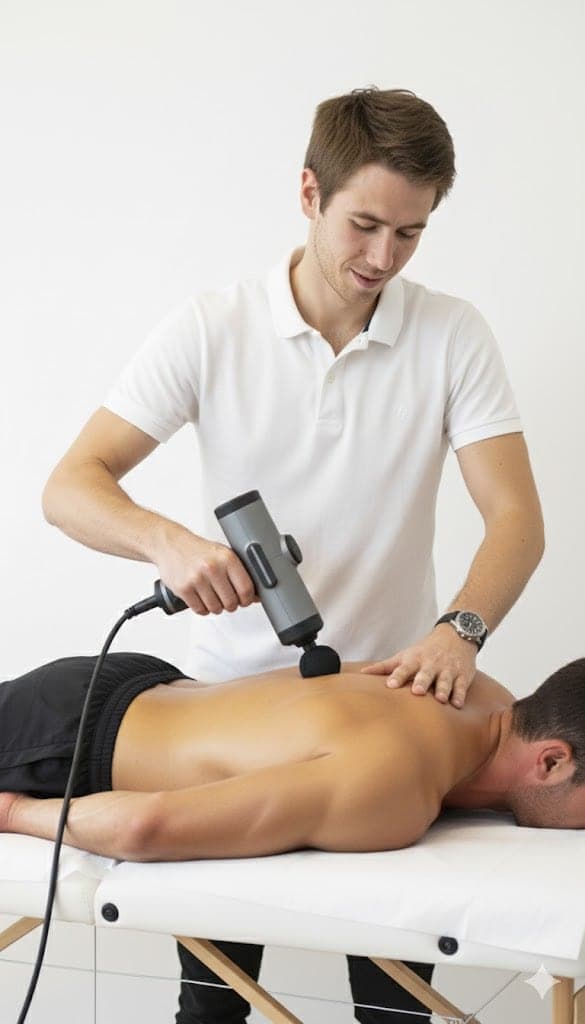
My mobile setup includes a professional-grade treatment table specifically designed for mechanical deep-tissue work, providing the stability and positioning required for precise intervention. The specialized equipment is fully portable yet maintains the exact pressure calibrations and control systems used in fixed clinical settings. This means you receive identical treatment quality whether in a traditional clinic or the comfort of your own space. The psychological benefits of familiar surroundings contribute measurably to treatment effectiveness, as stress hormone levels remain lower throughout the session.
The logistical advantages of mobile service become particularly important for busy professionals in Paphos who cannot afford extended time away from work responsibilities. A recent client, a hotel manager during peak tourism season, required treatment but couldn’t leave his property during operational hours. By bringing the full treatment system to his location, we completed a comprehensive session during his lunch break, allowing him to return to work immediately with improved function and energy. This level of accommodation isn’t possible with traditional clinical models and demonstrates the commitment to client success that defines my practice.
Environmental control during mobile sessions ensures optimal treatment conditions. I arrive with complete setup including professional lighting, temperature control considerations, and acoustic management to create the ideal therapeutic environment. This attention to environmental factors isn’t cosmetic—it’s clinically relevant. Proper lighting allows for accurate tissue assessment, temperature control ensures optimal fascial plasticity, and acoustic management prevents stress hormone elevation during treatment. These details distinguish professional mechanical deep-tissue work from amateur approaches.
Measuring treatment success: objective outcomes tracking
The effectiveness of stress management techniques must be measured through objective, quantifiable outcomes rather than subjective feelings of relaxation. My practice maintains detailed documentation of treatment progress using standardized assessment tools that track measurable improvements in range of motion, pain levels, and functional capacity. This data-driven approach ensures accountability and allows for precise adjustment of treatment protocols based on individual response patterns.
Cervical range of motion measurements provide immediate feedback on treatment effectiveness. Using calibrated goniometers, I document exact degrees of flexion, extension, lateral flexion, and rotation before and after each session. Clients with chronic tension headaches typically present with 20-40% reduction in normal cervical mobility. Through systematic mechanical intervention, we restore full range of motion, which correlates directly with headache elimination. These measurements are objective, reproducible, and provide clear evidence of treatment success.
Pain scale documentation using validated instruments tracks subjective improvements over time. However, I supplement subjective reporting with objective measures such as pressure pain threshold testing and trigger point mapping. These assessments provide quantifiable data on tissue sensitivity changes and trigger point resolution. Clients consistently show measurable improvements in pressure pain thresholds after mechanical deep-tissue intervention, indicating genuine tissue healing rather than temporary symptom masking.
Functional capacity improvements represent the ultimate measure of treatment success. I track clients’ ability to perform daily activities without pain, work productivity measures, sleep quality scores, and overall quality of life indicators. The goal isn’t just headache elimination—it’s optimization of human performance and life satisfaction. Clients report measurable improvements in cognitive function, energy levels, and physical capacity following complete resolution of chronic tension patterns. These outcomes justify the investment in advanced mechanical treatment approaches.
Long-term maintenance strategies for Paphos lifestyle
Achieving lasting resolution of stress-related headaches requires more than excellent acute treatment—it demands comprehensive understanding of lifestyle factors that contribute to tension accumulation. Living in Paphos presents specific challenges that must be addressed through targeted maintenance strategies. The seasonal nature of employment for many residents creates irregular stress patterns that require adapted management approaches. High summer temperatures affect hydration status and tissue quality, while winter months may reduce activity levels and vitamin D synthesis, both contributing to fascial restrictions.
Hydration management becomes particularly critical in Mediterranean climates where dehydration can rapidly compromise fascial plasticity. I provide specific protocols for optimal hydration that consider ambient temperature, activity levels, and individual physiological factors. Proper hydration maintains fascial gliding properties and prevents the tissue adhesions that generate headache patterns. This isn’t generic advice to “drink more water”—it’s precisely calculated fluid intake recommendations based on body weight, activity level, and environmental conditions.
Ergonomic optimization for home and work environments addresses the mechanical causes of tension accumulation. Many Paphos residents work in hospitality or remote positions that involve extended computer use or repetitive physical activities. I provide detailed ergonomic assessments and recommendations for workstation setup, sleep positioning, and daily movement patterns that prevent reformation of fascial restrictions. These interventions address the root causes of tension accumulation rather than simply treating symptoms after they develop.
Exercise prescription focuses on specific movements that maintain fascial mobility and prevent stress-related muscle tension. Unlike generic fitness recommendations, my protocols target the exact muscle groups and movement patterns that generate headache symptoms. Clients receive detailed exercise demonstrations and progression plans that ensure continued improvement between treatment sessions. This active maintenance approach empowers clients to participate in their own healing process and extends treatment benefits indefinitely.
Advanced equipment technology and treatment precision
The specialized mechanical equipment central to my practice represents years of research into optimal pressure delivery systems for deep fascial work. This isn’t simply a massage tool—it’s a precision medical device designed specifically for biomechanical intervention. The system provides variable pressure from light tissue mobilization at 10 pounds per square inch up to deep fascial release at 200 pounds per square inch, with precise control over pressure gradation throughout the treatment range.
Consistent pressure delivery eliminates the primary limitation of manual therapy: human variability. Even the most skilled massage therapist experiences strength fluctuations, fatigue effects, and inconsistent pressure application over the course of a session. My mechanical system maintains exact pressure parameters throughout entire treatment sessions, ensuring consistent tissue response and predictable outcomes. This consistency is essential for achieving the sustained pressure application required for lasting fascial remodeling.
Multiple attachment options allow for precise targeting of different tissue types and anatomical regions. Broad attachments distribute pressure over larger surface areas for general fascial mobilization, while focused attachments concentrate force on specific trigger points or adhesions. The ability to modify pressure distribution in real-time during treatment allows for optimal tissue response and maximum therapeutic benefit. This level of precision is impossible to achieve with manual techniques and represents a fundamental advancement in mechanical therapy approaches.
Treatment angle optimization through adjustable positioning systems ensures optimal force vector application for maximum therapeutic effect. The angle at which pressure is applied significantly affects tissue response and treatment outcomes. My equipment allows for precise angle adjustment throughout the treatment process, targeting specific fascial planes and muscle fiber orientations. This three-dimensional approach to tissue mobilization produces superior results compared to the limited directional options available through manual therapy.
Why investment in advanced treatment pays long-term dividends
The financial analysis of chronic headache management reveals the compelling economic case for investing in advanced mechanical deep-tissue treatment. Clients typically spend hundreds or thousands of euros annually on temporary relief measures: over-the-counter medications, traditional massage sessions, spa treatments, and medical consultations that address symptoms without resolving underlying causes. My comprehensive treatment approach eliminates these ongoing expenses by achieving lasting resolution of the mechanical dysfunction generating headache patterns.
Productivity improvements from headache elimination represent measurable return on treatment investment. A recent client calculated that her chronic tension headaches were costing her approximately 8-12 hours of productive work time weekly, either through direct absence or reduced cognitive function during headache episodes. Following complete resolution through mechanical deep-tissue treatment, her calculated productivity increase exceeded €15,000 annually—a return on investment that justified the treatment cost within the first month of headache-free function.
Quality of life improvements from pain elimination cannot be fully quantified but represent the most significant benefit of advanced treatment approaches. Clients consistently report improved relationships, increased life satisfaction, enhanced sleep quality, and restored enjoyment of daily activities following headache resolution. These benefits extend beyond the individual to family members and colleagues who no longer need to accommodate chronic pain limitations. The ripple effects of restored health and function justify investment in lasting solutions over temporary symptom management.
Prevention of long-term complications through early intervention provides additional economic justification for advanced treatment. Chronic tension headaches often progress to more severe conditions requiring extensive medical intervention: temporomandibular joint dysfunction, cervical disc degeneration, and chronic pain syndromes that become increasingly difficult and expensive to treat. My mechanical approach interrupts this progression by addressing underlying fascial restrictions before they generate secondary complications, preventing the need for more invasive interventions later.
Frequently asked questions about stress management in Paphos
How quickly can I expect results from mechanical deep-tissue treatment?
Most clients experience measurable improvement in headache frequency and intensity within 48-72 hours following their first treatment session. This rapid response occurs because mechanical intervention directly addresses the fascial restrictions and muscle tension patterns generating headache symptoms, rather than simply providing temporary relaxation. Complete resolution typically occurs within 4-6 sessions, with each treatment building systematically on previous progress. The timeline varies based on chronicity of symptoms, severity of fascial restrictions, and individual healing response, but the improvement trajectory is predictable and measurable throughout the treatment process.
What makes mechanical treatment superior to traditional massage for stress management?
Traditional massage, while relaxing, cannot generate the pressure intensity required to break deep fascial adhesions that create chronic tension patterns. Human hands are limited to approximately 20-30 pounds of pressure, which affects only superficial tissue layers. My mechanical system delivers up to 200 pounds of precisely controlled pressure, reaching the deep fascial layers where chronic restrictions accumulate. Additionally, mechanical treatment maintains consistent pressure throughout the session, eliminating the variability and fatigue factors that limit manual therapy effectiveness. This results in lasting tissue changes rather than temporary symptom relief.
Is the treatment painful, given the high pressure levels involved?
Treatment intensity is precisely calibrated to individual tolerance levels and therapeutic requirements. While deep fascial work necessarily involves some discomfort as adhesions are released, the pressure is gradually increased to allow tissue adaptation and client comfort. Most clients describe the sensation as “therapeutic discomfort” rather than pain, and report immediate relief following treatment as restricted tissues regain normal mobility. The mechanical system allows for instantaneous pressure adjustment, ensuring client comfort while maintaining therapeutic effectiveness. Pain levels during treatment are always within manageable ranges and correlate with significant functional improvements.
How does the mobile service work, and do you bring all necessary equipment?
I provide complete mobile service throughout Paphos, bringing professional-grade treatment equipment directly to your location. This includes a specialized treatment table designed for mechanical deep-tissue work, all therapeutic equipment, and environmental controls necessary for optimal treatment conditions. The mobile setup maintains identical treatment quality to fixed clinic settings while providing the comfort and convenience of familiar surroundings. I handle all setup and breakdown, requiring only a private space approximately 8×10 feet for optimal treatment positioning. The mobile service eliminates travel stress and scheduling complications while delivering superior therapeutic outcomes.
What qualifications and experience do you have in biomechanical treatment?
I hold a Bachelor’s degree in Physical Education and Nutrition from Norway and have accumulated over ten years of specialized experience in mechanical deep-tissue therapy. My education provided comprehensive understanding of human anatomy, physiology, and biomechanics, which forms the foundation for my advanced treatment approaches. Unlike general massage therapists, I specialize exclusively in biomechanical intervention for pain elimination and performance optimization. Continuing education in fascial anatomy, neurophysiology, and advanced treatment techniques ensures that my methods remain current with latest research and clinical developments in mechanical therapy.
How do I maintain results after completing the treatment program?
Maintenance of treatment results requires addressing the lifestyle and environmental factors that originally created fascial restrictions and tension patterns. I provide comprehensive maintenance protocols including specific exercises, ergonomic recommendations, hydration guidelines, and stress management strategies tailored to Paphos lifestyle factors. These protocols are designed to prevent reformation of fascial adhesions and maintain optimal tissue mobility indefinitely. Most clients require only occasional maintenance sessions—typically every 3-6 months—to address any tension accumulation before it develops into symptomatic patterns. The goal is lasting resolution with minimal ongoing intervention requirements.
What conditions beyond headaches can benefit from mechanical deep-tissue treatment?
While stress-related headaches represent my primary focus in Paphos, the mechanical approach effectively treats various musculoskeletal conditions caused by fascial restrictions and muscle tension. These include neck pain, shoulder dysfunction, upper back tension, temporomandibular joint problems, and postural-related discomfort. The key is that symptoms must have a mechanical origin—fascial restrictions or muscle dysfunction—rather than systemic disease processes. During initial assessment, I determine whether presenting symptoms are appropriate for mechanical intervention and can provide realistic expectations for treatment outcomes based on underlying pathophysiology.
How does living in Paphos specifically affect stress-related headache patterns?
Paphos presents unique physiological stressors that contribute to specific headache patterns I’ve documented across hundreds of local clients. The Mediterranean climate affects tissue hydration and fascial plasticity, requiring adjusted treatment approaches. Tourism-dependent employment creates irregular work schedules that disrupt circadian rhythms and increase stress hormone production. Cultural emphasis on hospitality can create chronic sympathetic nervous system activation. Additionally, high ambient temperatures and sun exposure affect vitamin D synthesis and hydration status, both factors influencing fascial tissue quality. My treatment protocols specifically account for these regional factors to optimize outcomes for Paphos residents.
Written by
Chris
Massage therapist & body mechanics specialist
Norwegian-certified with a Bachelor’s in Physical Education and Nutrition and over ten years of clinical practice, working from a portable table in clients’ homes across the Paphos district.
This article is general information from clinical practice, not a medical diagnosis. If you have severe, worsening or unexplained pain, numbness, weakness, or pain after an accident, see a doctor first.