
Paphos Physiotherapy and Massage: Advanced Mechanical Deep-Tissue Treatment for Athletes and Active Individuals
In short
Discover a superior approach to pain relief and athletic performance in Paphos through advanced mechanical deep-tissue massage that treats the root cause, not symptoms—delivered by a specialist with 10 years of experience.
After a decade of working with everyone from professional athletes to weekend warriors, I’ve learned something that fundamentally changed how I approach pain relief and performance optimization: traditional massage techniques, while pleasant, rarely address the mechanical dysfunction that keeps people stuck in cycles of recurring pain and diminished performance. In Paphos, where the Mediterranean climate invites year-round physical activity, I’ve built my practice around a singular principle—treat the cause, not the symptoms.
My background in Physical Education and Nutrition from Norway, combined with 10 years of hands-on clinical experience, has taught me that Paphos physiotherapy and massage must evolve beyond the spa mentality. The human body operates as an intricate mechanical system, and when that system malfunctions, you need precision engineering—not relaxation therapy.
Why Most Massage Fails to Deliver Lasting Results
I remember working with a competitive cyclist three years ago who had visited five different massage therapists in Paphos before coming to me. He described the same pattern: temporary relief for 48 hours, then the shoulder tension returned with vengeance. His frustration was palpable, and his story isn’t unique.
The fundamental problem with traditional manual massage is threefold:
- Insufficient depth: Human hands, regardless of the therapist’s strength, cannot consistently reach the fascial layers where chronic tension embeds itself. Surface-level work feels good temporarily but leaves the root dysfunction untouched.
- Inconsistent pressure: Therapist fatigue is real. The quality of treatment deteriorates as sessions progress, meaning the client receives uneven care.
- Symptomatic focus: Most practitioners target where it hurts, not where the problem originates. Your lower back pain often stems from hip flexor rigidity or thoracic immobility—regions the client doesn’t even identify as problematic.
This is why I shifted entirely to advanced mechanical deep-tissue massage using a specialized precision tool. It’s not a preference—it’s a clinical necessity for achieving the outcomes my clients demand.
The Mechanical Advantage: Precision, Power, and Consistency
When I explain my methodology to new clients, I use an analogy from automotive engineering: you wouldn’t use a household screwdriver to rebuild an engine. Similarly, addressing chronic myofascial dysfunction requires tools designed specifically for that purpose.
My specialized machine delivers three critical advantages that human hands cannot replicate:
Deeper Than Hands: Accessing the Root of Dysfunction
The tool penetrates through superficial tissue layers to reach the deep fascial networks where adhesions form. I’m targeting tissue 3-5 centimeters below the skin surface with controlled, sustained pressure. This depth is physiologically impossible to achieve manually without compromising precision or causing unnecessary discomfort.
In practical terms, this means I can release the iliopsoas muscle belly in runners with anterior hip impingement—a structure buried beneath multiple tissue layers that manual therapy barely influences. The results speak for themselves: athletes reporting immediate range-of-motion improvements and pain elimination that persists for months, not days.
Complete Control: Calibrated Intensity for Individual Needs
Every client presents differently. A professional tennis player requires aggressive fascial release to maintain explosive power. An office worker recovering from chronic neck tension needs moderate, progressive treatment to avoid overwhelming their nervous system.
The machine allows me to modulate intensity with millimeter precision, adjusting in real-time based on tissue response. I’m monitoring muscle guarding, fascial give, and client tolerance simultaneously—then calibrating treatment depth accordingly. This level of control transforms the experience from “enduring treatment” to “productive discomfort that yields results.”
Consistent Results: Eliminating the Human Variable
I don’t have off days. The tool doesn’t fatigue. Whether you’re my first client at 8 AM or my sixth at 6 PM, the treatment quality remains identical. This consistency is crucial for athletes following structured training periodizations or professionals managing chronic conditions that require predictable therapeutic input.
One of my long-term clients, a CrossFit competitor, schedules biweekly sessions specifically because she knows exactly what she’s getting every time. That predictability allows her to plan training loads and recovery windows with confidence—something impossible with variable manual therapy.
Understanding Paphos Physiotherapy and Massage as Body Mechanics
My academic background in Physical Education fundamentally shaped how I view human movement. The body isn’t a mystical entity requiring intuitive touch—it’s a mechanical system governed by biomechanical principles, neurological feedback loops, and adaptive tissue responses.
| Mechanical System | Common Dysfunction | Treatment Target | Expected Outcome |
|---|---|---|---|
| Shoulder Complex | Impingement syndrome | Subscapularis, pec minor release | Restored overhead mobility, eliminated pain in 4-6 sessions |
| Hip Girdle | Anterior pelvic tilt | Psoas major, rectus femoris lengthening | Neutral pelvic alignment, reduced lower back strain |
| Spinal Column | Thoracic hypomobility | Paraspinal fascia, intercostal release | Increased rotation capacity, improved breathing mechanics |
| Lower Limb Chain | Plantar fasciitis | Gastrocnemius-soleus complex, plantar fascia | Pain-free walking within 3 sessions, full resolution in 8-10 |
This table represents real client cases from my Paphos practice. Notice the specificity: I’m not treating “back pain” or “shoulder problems”—I’m addressing mechanical dysfunctions in specific anatomical structures that, when resolved, eliminate the symptomatic presentation.
Why Athletes Choose Advanced Mechanical Deep-Tissue Treatment
I work extensively with the athletic population in Paphos—cyclists training along the coastal routes, runners preparing for marathons, tennis players competing at regional levels. They don’t come to me for relaxation; they come because their performance has plateaued or injury is threatening their season.
The athletic body operates at higher mechanical demands than sedentary populations. Training creates adaptive tissue changes: muscle hypertrophy increases fascial tension, repetitive movement patterns create regional overload, and incomplete recovery allows microtrauma to accumulate. Standard massage doesn’t address these sport-specific adaptations.
Case Study: The Triathlete with Chronic IT Band Syndrome
Two years ago, a triathlete contacted me after eight months of failed conservative treatment for iliotibial band syndrome. He had tried foam rolling, stretching protocols, cortisone injections, and weekly sports massage. The pain persisted, and his race season was effectively over.
During assessment, I identified the actual problem: massive tension in his tensor fasciae latae and gluteus medius, combined with fascial adhesions along the lateral thigh that prevented normal tissue gliding. The IT band itself wasn’t the problem—it was the victim of upstream mechanical dysfunction.
We implemented aggressive mechanical release of the TFL and glute med over four sessions, followed by targeted fascial mobilization along the lateral compartment. By session six, he was pain-free during running. He completed his target Ironman eight weeks later.
This outcome wasn’t luck—it was the predictable result of treating mechanical cause rather than symptomatic location.
The Treatment Philosophy: Partnership, Not One-Off Sessions
I don’t offer single massage appointments. This isn’t a business decision—it’s a clinical stance based on how tissue adaptation actually works.
Chronic dysfunction develops over months or years. Your body has adapted around compensatory movement patterns, and those patterns are neurologically embedded. Undoing that adaptation requires sustained, progressive input that challenges the nervous system to accept new movement possibilities.
When you work with me, we establish a dedicated partnership. I conduct comprehensive assessment to identify the mechanical dysfunctions driving your symptoms. We develop a customized treatment plan—typically 6-12 sessions depending on chronicity and severity. Each session builds on the previous one, progressively releasing restricted tissues while your nervous system adapts to restored mobility.
This approach demands patience. I tell clients upfront: you won’t feel completely “fixed” after session one. But by session four, you’ll notice functional improvements. By session eight, you’ll have difficulty remembering how limited you felt initially.
What a Typical Treatment Plan Includes
- Comprehensive biomechanical assessment: I’m evaluating movement patterns, identifying compensations, and mapping restricted tissue regions. This takes 30-45 minutes and informs every subsequent treatment decision.
- Progressive mechanical release: Early sessions focus on superficial and intermediate tissue layers, preparing the nervous system. Later sessions target deep fascial structures with increasing intensity.
- Movement integration: As tissue mobility improves, I provide specific movement drills that reinforce new ranges and prevent reversion to old patterns.
- Ongoing adaptation: Treatment plans evolve based on tissue response. I’m constantly reassessing and adjusting the approach to match your progress.
This structured methodology is why my clients achieve lasting results rather than temporary relief.
Why Location Matters: I Travel to Your Place
Professional treatment shouldn’t require you to navigate Paphos traffic, find parking, and arrive at a clinic stressed before we even begin. I bring the entire setup to your location—professional treatment bench, specialized equipment, everything required for clinical-grade therapy.
This mobile approach serves several purposes:
First, you’re in a familiar environment where your nervous system isn’t already elevated by travel stress. This allows the treatment to be more effective because you’re not fighting additional tension.
Second, immediate post-treatment rest is crucial for tissue integration. When I finish a session, you can simply rest at home rather than driving. This seemingly small detail significantly impacts treatment efficacy.
Third, scheduling flexibility. Athletes training early mornings or professionals working long hours can book sessions that fit their actual lifestyle rather than adapting to clinic hours.
Investment vs. Expense: Reframing the Value of Professional Treatment
I charge premium rates for my services. This surprises some people initially, particularly when comparing to spa massage pricing in Paphos. The distinction is fundamental: spa massage is an expense—a pleasant experience that provides temporary relaxation. What I offer is an investment in your long-term physical function and quality of life.
Consider the actual costs of chronic dysfunction:
- Lost training days and diminished athletic performance
- Ongoing pain medication with potential side effects
- Reduced work productivity due to persistent discomfort
- Cancelled activities and social limitations
- Potential progression to surgical intervention
When my treatment resolves your chronic shoulder impingement and restores full overhead function, you’re not just buying pain relief—you’re recovering years of unrestricted activity. That’s not an expense; that’s one of the most valuable investments you’ll make in your physical well-being.
One of my clients calculated that eliminating his chronic lower back pain saved him €3,000 annually in medication, therapy appointments, and lost work days. Our treatment package cost less than half that amount and delivered lasting resolution.
Common Misconceptions About Paphos Physiotherapy and Massage
Over a decade, I’ve encountered persistent misconceptions that prevent people from accessing effective treatment. Let me address the most common ones directly:
“Deep-Tissue Massage Should Be Painful to Be Effective”
Incorrect. Productive discomfort is necessary—tissue release requires mechanical challenge that your nervous system will perceive as intense. But pain that causes you to guard and tense defeats the purpose. I’m constantly monitoring your response and adjusting intensity to remain in the therapeutic window: challenging enough to create change, controlled enough that you can relax into the work.
“I Just Need to Relax More and My Tension Will Resolve”
Chronic myofascial tension isn’t caused by stress—stress exacerbates existing mechanical dysfunction. Your tight shoulders aren’t tight because you’re anxious; they’re tight because of postural compensation, repetitive strain, or old injury patterns that created fascial adhesions. No amount of relaxation dissolves mechanical restriction. You need mechanical intervention.
“Regular Massage Maintains My Body Well Enough”
If regular massage were sufficient, you wouldn’t still be dealing with recurring issues. Maintenance is valuable once we’ve restored optimal function, but maintenance alone cannot resolve existing dysfunction. It’s like getting oil changes while ignoring a failing transmission—the pleasant routine doesn’t address the underlying mechanical problem.
“Foam Rolling and Stretching Do the Same Thing”
Self-myofascial release tools are useful for superficial maintenance and awareness, but they cannot replicate the depth, precision, and progressive loading that specialized mechanical treatment provides. Foam rolling addresses maybe the outer 1-2 centimeters of tissue. I’m working 3-5 centimeters deep with controlled, sustained pressure. These are fundamentally different interventions.
Frequently Asked Questions About Advanced Mechanical Deep-Tissue Treatment
How is this different from regular massage therapy available in Paphos?
The difference is clinical methodology and tool capability. Traditional massage, even “deep tissue,” relies on manual techniques that cannot achieve the depth, consistency, or precision required to resolve chronic mechanical dysfunction. I’m using specialized equipment that allows me to target specific fascial layers with millimeter accuracy while maintaining consistent pressure throughout treatment. Additionally, my approach is assessment-driven and results-focused rather than symptom-based.
Will I feel immediate results after the first session?
Most clients notice increased range of motion and reduced tension immediately following treatment. However, the nervous system requires time to integrate these changes. You might feel somewhat tender for 24-48 hours as tissue adapts, followed by progressive improvement. Lasting results develop over the treatment plan as we systematically address all contributing factors to your dysfunction.
How many sessions will I need?
This depends entirely on chronicity and complexity. Acute issues (present for weeks to a few months) typically respond within 4-6 sessions. Chronic dysfunctions (present for years) generally require 8-12 sessions for complete resolution. During initial assessment, I provide a realistic timeline based on your specific presentation.
Is this treatment appropriate for non-athletes?
Absolutely. While I work extensively with athletes, the mechanical principles apply to everyone. Office workers with chronic neck tension, parents with persistent lower back pain, older adults with mobility restrictions—all benefit from restoring optimal mechanical function. The intensity and approach are adjusted to individual needs and tolerance.
What should I expect during a treatment session?
Sessions last 60-90 minutes. I begin with movement assessment to identify current restrictions and monitor progress. Treatment itself involves systematic work through restricted tissue regions using the specialized mechanical tool. Intensity is progressively increased based on your tolerance and tissue response. I’m constantly communicating and adjusting throughout the session. Post-treatment, I provide specific movement recommendations to reinforce the work.
Can this treatment help with specific conditions like plantar fasciitis or frozen shoulder?
Yes, because these diagnostic labels describe symptomatic presentations, not mechanical causes. Plantar fasciitis typically involves fascial restriction throughout the entire posterior chain—calves, hamstrings, and lower back—not just the plantar fascia. Frozen shoulder involves subscapularis adhesion, capsular restriction, and scapular dysfunction. I treat the mechanical dysfunction driving the symptom, which resolves the diagnosed condition.
Why do you require a treatment plan rather than offering single sessions?
Because single sessions cannot achieve lasting change. Chronic dysfunction developed over time and is neurologically embedded. Undoing that requires progressive, sustained input that allows your nervous system to adapt to restored mobility. One session might provide temporary relief, but without follow-through, your body reverts to established patterns within days. I’m focused on lasting resolution, which demands a structured approach.
What makes your approach superior to physiotherapy clinics in Paphos?
I’m not suggesting traditional physiotherapy is ineffective—it serves a different purpose. Clinical physiotherapy often focuses on exercise prescription and modality application (ultrasound, electrical stimulation, etc.). My specialization is mechanical soft tissue intervention using advanced tools that most clinics don’t possess. Many of my clients come to me after physiotherapy has addressed some aspects of their issue but manual therapy limitations prevented complete resolution. The approaches can be complementary, but the mechanical depth I achieve is unique.
The Nutritional Component: Supporting Tissue Recovery
My background in nutrition informs an often-overlooked aspect of treatment success: you cannot mechanically release restricted tissue if your body lacks the nutritional resources to remodel and adapt. Chronic inflammation, poor hydration, and inadequate protein intake all compromise treatment outcomes.
I don’t provide full nutritional programming—that’s beyond the scope—but I do educate clients on key factors that support tissue recovery:
- Hydration: Fascia is 70% water. Chronic dehydration creates brittle, less pliable tissue that’s harder to release and slower to remodel.
- Protein adequacy: Tissue remodeling requires amino acids. If you’re not consuming 1.6-2.0 grams of protein per kilogram of bodyweight daily, recovery is compromised.
- Inflammation management: Omega-3 fatty acids and adequate antioxidant intake from whole foods support tissue healing without pharmaceutical intervention.
- Sleep quality: Tissue remodeling occurs during deep sleep. Chronic sleep deprivation negates even the best mechanical treatment.
These aren’t optional recommendations—they’re prerequisites for optimal outcomes. I’ve seen mediocre results from excellent mechanical work when clients ignore recovery fundamentals, and exceptional results when they prioritize them.
Long-Term Outcomes: What Lasting Resolution Actually Means
When I say “lasting results,” I’m making a specific claim: once we’ve resolved the mechanical dysfunction and you’ve integrated the restored movement capacity, the problem doesn’t spontaneously return. This doesn’t mean you’re invulnerable to new injuries or immune to the effects of aging—it means the specific dysfunction we treated is eliminated.
I have clients I treated four years ago who remain asymptomatic because we addressed the actual cause. They don’t require ongoing maintenance therapy. They’ve returned to activities they’d abandoned, compete in sports they thought were impossible, and live without the constant background noise of chronic pain.
That’s the standard I hold myself to, and it’s achievable when treatment targets mechanical root cause rather than symptomatic presentation.
Why Paphos Needs Advanced Mechanical Treatment Options
Paphos attracts an active population—expats maintaining fitness routines, tourists exploring archaeological sites on foot, locals playing tennis and swimming year-round. This activity level inevitably creates mechanical wear patterns, overuse injuries, and chronic tension that diminish quality of life.
The gap I’ve identified in Paphos is the absence of results-driven, mechanically sophisticated soft tissue intervention. There are excellent spas offering relaxation massage. There are competent physiotherapy clinics providing exercise rehabilitation. But advanced mechanical deep-tissue treatment using specialized equipment—that’s rare.
I established my mobile practice specifically to fill this gap. The goal is simple: provide the highest level of mechanical soft tissue treatment available, delivered with clinical precision, in the convenience of the client’s location.
Taking Action: How to Begin Your Treatment Journey
If you’re reading this and recognizing your own struggle with chronic pain, limited mobility, or plateaued athletic performance, understand this: the problem is likely mechanical, the solution exists, and waiting won’t improve the situation.
Reaching out is straightforward. We’ll have an initial conversation where I ask specific questions about your history, current limitations, and goals. This isn’t a sales pitch—it’s a clinical screening to determine if my approach is appropriate for your situation. Some cases aren’t suitable for mechanical treatment and require medical intervention; I’ll tell you honestly if that’s the case.
If we determine you’re a good candidate, we schedule the initial comprehensive assessment at your location in Paphos. I bring everything required. The assessment takes 45-60 minutes and concludes with a clear treatment plan including expected timeline and outcomes.
You’ll know exactly what to expect, what the investment is, and what results are realistically achievable. No ambiguity, no vague promises—just clinical assessment and honest communication.
After a decade in this field, I’ve learned that people who commit to the process achieve remarkable outcomes. The human body possesses extraordinary capacity to restore function when given proper mechanical input and sufficient recovery resources. My role is providing that input with precision and consistency.
Your role is showing up, communicating honestly about your experience during treatment, and following through on the plan. That partnership produces results that most people believe are impossible until they experience them directly.
Paphos physiotherapy and massage can be transformative when approached with clinical rigor, advanced methodology, and unwavering focus on mechanical root cause. That’s what I offer, and it’s available to anyone serious about eliminating chronic dysfunction and optimizing their physical capacity.
The question isn’t whether your issue can be resolved—in most cases, it can. The question is whether you’re ready to invest in that resolution with the seriousness it requires.
Evidence and limits
Massage may help with some symptoms, but benefits and evidence vary by condition. It does not replace medical assessment or treatment. A page update is not evidence of an independent clinical review.
Further reading: Massage therapy: evidence, safety and limitations by US National Center for Complementary and Integrative Health. This is general background reading, not verification of every claim in this article.
How we describe evidence and updates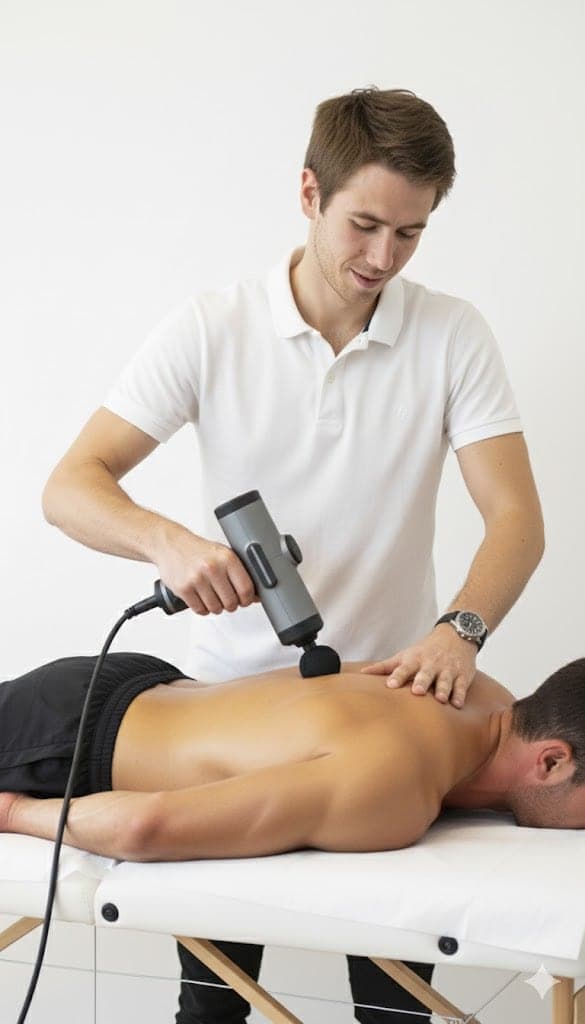
Written by
Chris
Massage therapist, nutrition and exercise physiologist
Norwegian-certified with a Bachelor’s in Physical Education and Nutrition and over ten years of clinical practice, working from a portable table in clients’ homes across the Paphos district.
This article is general information, not a medical diagnosis. If you have severe, worsening or unexplained pain, numbness, weakness, or pain after an accident, see a doctor first.